


Choosing Between Gas and Electric Water Heaters
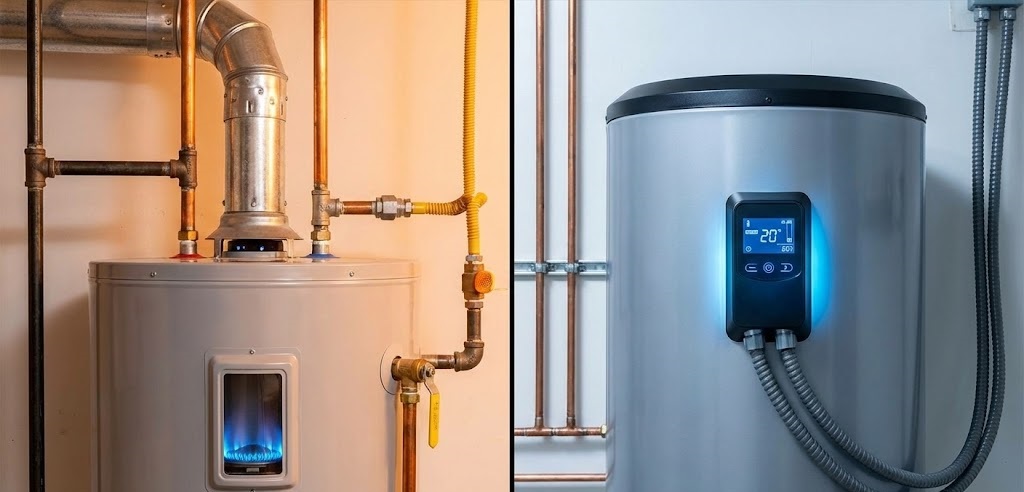
Choosing a new water heater is an important decision that affects your comfort, energy costs, and long term maintenance expenses. One of the most common questions homeowners face is whether a gas or electric water heater is the better choice for their home. Both options are widely used, reliable, and capable of delivering consistent hot water, but they differ significantly in operation, installation requirements, efficiency, and ongoing costs.
Understanding the differences between gas and electric water heaters helps you make an informed decision based on your household needs, budget, and existing infrastructure. With guidance from experienced professionals like Advanced Heat, AC, & Plumbing, homeowners can evaluate their options confidently and select a system that provides dependable performance for years to come.
This article breaks down how gas and electric water heaters work, their advantages and disadvantages, cost considerations, and which option may be the best fit for your home.
How Gas Water Heaters Work
Gas water heaters use natural gas or propane as their fuel source. A burner located at the bottom of the tank heats the water, while a flue safely vents combustion gases out of the home. A thermostat controls the burner, turning it on and off to maintain the desired water temperature.
Key characteristics of gas water heaters
- Use natural gas or propane
- Require proper venting
- Heat water quickly
- Continue working during some power outages
Because gas burners generate a large amount of heat, these systems are known for fast recovery times and strong performance in homes with high hot water demand.
How Electric Water Heaters Work
Electric water heaters rely on one or two electric heating elements inside the tank to warm the water. These elements heat gradually and are controlled by thermostats that maintain the set temperature.
Key characteristics of electric water heaters
- Use electricity as the energy source
- Do not require venting
- Simple design with fewer components
- Depend entirely on electrical power
Electric units are popular in homes without gas service and are often easier to install.
Initial Installation Considerations
Gas Water Heater Installation
Installing a gas water heater typically requires more preparation and infrastructure.
Installation factors include
- Existing gas supply line
- Proper venting system
- Adequate clearance for combustion air
- Compliance with local codes
If a home does not already have gas service, adding it can significantly increase installation costs.
Electric Water Heater Installation
Electric water heaters are usually simpler to install.
Installation factors include
- Adequate electrical capacity
- Proper circuit and breaker
- Space for the tank
Homes with existing electric water heaters often experience lower installation costs when replacing with another electric unit.
Energy Efficiency and Operating Costs
Gas Water Heater Efficiency
Gas water heaters generally heat water faster and can handle higher usage. However, some energy is lost through the venting process.
Pros
- Lower fuel cost in many regions
- Faster recovery times
- Well suited for large households
Cons
- Heat loss through venting
- Requires combustion air
- Efficiency varies by model
Electric Water Heater Efficiency
Electric water heaters convert nearly all electrical energy into heat inside the tank.
Pros
- Very high energy conversion efficiency
- No venting heat loss
- Stable performance
Cons
- Electricity often costs more than gas
- Slower recovery times
- Performance depends on electrical rates
Energy costs vary by location, so it is important to compare local gas and electric utility rates when estimating operating expenses.
Hot Water Demand and Recovery Time
Recovery time refers to how quickly a water heater can reheat water after the tank is depleted.
Gas water heaters typically recover faster because burners deliver intense heat quickly. This makes them ideal for homes with multiple bathrooms or simultaneous water usage.
Electric water heaters heat more slowly, especially single element models. While they provide reliable hot water, large households may notice delays during peak usage.
Lifespan and Durability
Both gas and electric water heaters generally last between 8 and 12 years, depending on maintenance and water quality.
Factors that influence lifespan include
- Sediment buildup
- Water hardness
- Maintenance frequency
- Operating temperature settings
Hard water can shorten the lifespan of either system by accelerating mineral accumulation. Understanding your water quality through professional water analysis services helps determine whether additional protection such as filtration or softening is beneficial.
Maintenance Requirements
Gas Water Heater Maintenance
Gas units require periodic inspection of burners, venting, and gas connections.
Maintenance tasks include
- Flushing sediment from the tank
- Inspecting the burner assembly
- Checking venting for blockages
- Testing safety controls
Because of combustion components, gas water heaters benefit from professional inspections.
Electric Water Heater Maintenance
Electric units have fewer mechanical parts.
Maintenance tasks include
- Flushing sediment from the tank
- Inspecting heating elements
- Checking electrical connections
While simpler, electric units still require routine care to perform efficiently.
Safety Considerations
Gas Water Heater Safety
Gas water heaters must manage combustion safely.
Safety considerations include
- Carbon monoxide prevention
- Proper venting
- Gas leak detection
- Flame and ignition controls
Professional installation and routine inspection are critical for safe operation.
Electric Water Heater Safety
Electric water heaters eliminate combustion risks.
Safety considerations include
- Electrical connection integrity
- Proper grounding
- Overcurrent protection
Electric systems are often considered simpler from a safety standpoint but still require professional installation.
Impact of Water Quality on Performance
Water quality affects both types of water heaters. Mineral rich water creates sediment that reduces efficiency and damages internal components.
Common water quality effects
- Reduced heating efficiency
- Noisy operation
- Shortened system lifespan
- Increased maintenance needs
Homes with frequent plumbing issues related to minerals may benefit from reviewing how hard water impacts your plumbing system to better understand long term risks.
Environmental Considerations
Environmental impact varies based on energy source.
Gas water heaters produce emissions during combustion. Their environmental footprint depends on fuel type and efficiency.
Electric water heaters produce no onsite emissions. However, their overall impact depends on how electricity is generated in your region.
Homeowners interested in reducing environmental impact may also consider high efficiency models or tankless options.
Space and Placement Requirements
Gas water heaters require space for venting and combustion air. They are often installed in basements, garages, or utility rooms with proper ventilation.
Electric water heaters are more flexible in placement and can be installed in smaller spaces where venting is not feasible.
Space availability can play a significant role in system selection.
Upfront Cost Comparison
Upfront costs vary based on model size, efficiency rating, and installation complexity.
In general
- Electric water heaters have lower purchase and installation costs
- Gas water heaters cost more upfront but may have lower long term operating costs
Balancing initial expense with expected energy savings is key.
Long Term Cost Considerations
When comparing long term costs, consider
- Fuel or electricity rates
- Maintenance expenses
- Expected lifespan
- Repair frequency
In many homes, gas systems cost less to operate over time, while electric systems offer simpler maintenance and installation.
When a Gas Water Heater Makes Sense
A gas water heater may be the better option if
- Your home already has gas service
- You have high hot water demand
- You want faster recovery times
- Gas rates are lower in your area
Gas units are often favored by large families and homes with multiple bathrooms.
When an Electric Water Heater Makes Sense
An electric water heater may be the better option if
- Your home does not have gas service
- You want lower upfront costs
- You have moderate hot water usage
- You prefer simpler installation
Electric units are common in smaller households and newer developments.
Repair and Replacement Factors
Both types of systems can often be repaired if issues are caught early. However, aging units with recurring problems may be better replaced.
Signs replacement may be needed include
- Leaking tanks
- Rusty or discolored water
- Inconsistent temperatures
- Rising energy costs
Professional evaluation through plumbing services helps determine whether repair or replacement is the most cost effective option.
Tankless Options as an Alternative
Homeowners comparing gas and electric tank systems may also consider tankless water heaters.
Tankless systems provide hot water on demand and can be powered by gas or electricity. They offer higher efficiency but require higher upfront investment and specific installation requirements.
Understanding tankless options can help you decide whether a traditional tank or modern alternative better fits your needs.
How to Make the Final Decision
Choosing between gas and electric water heaters comes down to a few key questions.
Ask yourself
- Do I already have gas service?
- How much hot water does my household use daily?
- What are my local energy costs?
- What is my installation budget?
- How important is fast recovery time?
A professional assessment can help balance these factors and ensure the system is properly sized and installed.
FAQs About Gas and Electric Water Heaters
Is gas or electric cheaper to run?
Gas is often cheaper to operate, but this depends on local utility rates.
Do electric water heaters last longer?
Lifespan is similar for both when properly maintained.
Can I switch from electric to gas?
Yes, but it requires gas line installation and venting, which increases cost.
Are electric water heaters safer?
They eliminate combustion risks, but both systems are safe when installed and maintained correctly.
Which option is better for hard water?
Both are affected by hard water. Water treatment helps extend lifespan for either type.
Conclusion
Choosing between gas and electric water heaters is not a one size fits all decision. Each option has strengths and tradeoffs related to cost, performance, installation, and maintenance. Gas water heaters offer fast recovery and lower operating costs in many areas, while electric water heaters provide simpler installation and high efficiency with lower upfront expense.
By evaluating your home’s infrastructure, water usage, and long term goals, you can select the system that best meets your needs. For professional guidance, installation, and ongoing maintenance, trust the experienced team at Advanced Heat, AC, & Plumbing to help you make the right choice and enjoy reliable hot water for years to come.


