


Does a Tankless Water Heater Increase Property Value in Tennessee?
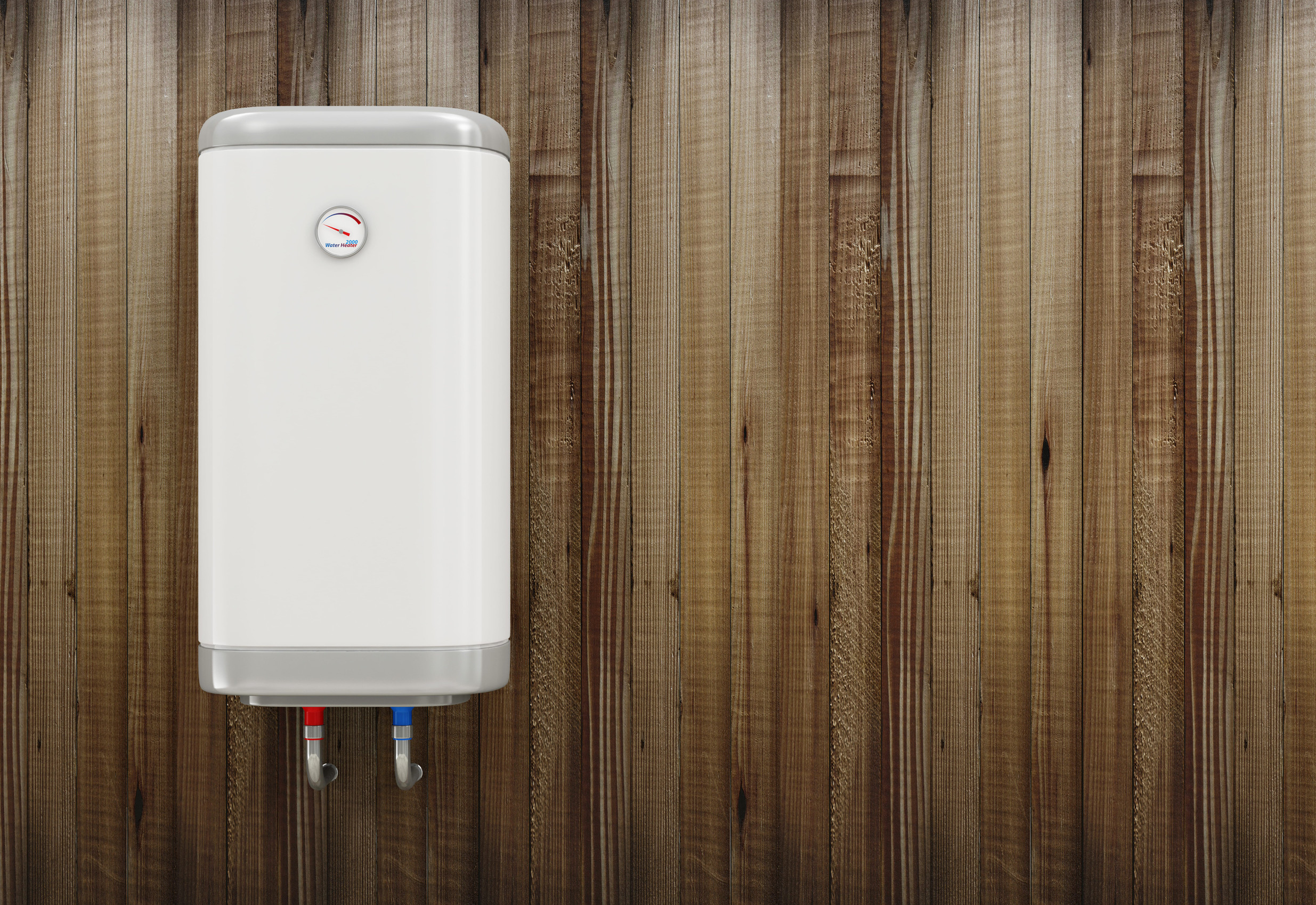
A tankless water heater is one of those upgrades homeowners love to talk about because it sounds modern, efficient, and practical all at once. Endless hot water, less standby energy waste, and a smaller footprint are easy selling points. But the real question for Tennessee homeowners is not whether tankless systems sound impressive. It is whether they actually increase property value when it is time to sell. The honest answer is yes, they can help, but not in a simple flat-dollar way. In Tennessee, a tankless water heater usually adds value by improving buyer appeal, efficiency perception, and system quality rather than by guaranteeing a fixed resale premium. Appraisers are expected to recognize energy-efficient features, including tankless water heaters, but their contribution to value varies by local market, utility costs, climate, and buyer reaction.
What does a tankless water heater actually do differently?
A tankless water heater heats water on demand instead of storing and reheating a large tank of water all day. The U.S. Department of Energy explains that demand-type water heaters avoid the standby energy losses associated with storage tanks, which is one reason they can save money over time. They also provide a continuous supply of hot water, though output still depends on flow rate and household demand.
For homeowners, the difference feels practical very quickly. A tankless unit is usually marketed around four benefits:
- endless hot water for normal demand patterns
- lower standby energy waste
- a smaller footprint than a storage tank
- a longer expected service life when maintained correctly
Your own tankless installation page frames the upgrade similarly, emphasizing endless hot water, reduced energy consumption, longer lifespan, and space savings. It also notes lower risk of tank-leak damage because there is no large storage tank sitting full of water. That combination is exactly why buyers tend to notice the feature when it is presented well.
Does a tankless water heater automatically raise a home’s appraised value?
No, not automatically. This is the first myth to clear up. A tankless water heater does not work like a magic resale button where every home in Tennessee instantly gains the same number of dollars. Fannie Mae’s selling guide is very clear that special energy-efficient items must be recognized in the appraisal process, and it specifically includes tankless water heaters as an example. But it also says the contribution to value varies throughout the country because of climatic conditions, differences in utility costs, and overall market reaction to the cost of the feature.
That means the better question is not “How many dollars does tankless add?” The better question is “How does tankless change the way buyers and appraisers view this particular home in this particular market?”
In Tennessee, that usually means tankless water heaters help most when they strengthen a broader story:
- the home feels updated
- the plumbing feels modern and efficient
- the utility profile appears stronger
- the house is easier to market as low-maintenance and move-in ready
So yes, tankless can affect value, but usually through contributory value and buyer confidence, not a guaranteed formula.
Why do buyers in Tennessee notice tankless water heaters at all?
Buyers notice them because they are easy to explain and easy to imagine using. Some upgrades are hidden behind drywall and only matter to inspectors. Tankless systems are different. Even non-technical buyers usually understand the benefits quickly: more efficient hot water, no giant storage tank, and more usable space.
That visibility matters in Tennessee because energy-conscious and convenience-oriented buyers are already primed to care about systems that reduce waste and improve daily comfort. A local Northeast Tennessee REALTORS article recently noted that energy efficiency is no longer “just nice to have,” and that homes showing lower operating costs are increasingly seen as worth a premium by buyers. That does not prove a tankless unit adds a specific number in every zip code, but it does support the idea that energy-forward upgrades have marketing value in the Tennessee market.
This is also where your own content aligns well with buyer psychology. Your article on plumbing upgrades that instantly boost home value already positions tankless water heaters as one of the most appealing upgrades because buyers prioritize efficiency, convenience, and lower risk of future plumbing headaches. That is exactly how tankless tends to support resale.
Is the resale benefit stronger in some Tennessee homes than others?
Yes. The resale benefit is not uniform. A tankless water heater usually helps more when it matches the home, the buyer, and the overall property profile.
Homes where tankless often helps more
- updated primary residences in move-in-ready condition
- homes where buyers expect efficient, modern systems
- houses with limited utility-room or closet space
- family homes where endless hot water feels like a real convenience
- listings where the seller can document professional installation and maintenance
Homes where the value effect may be weaker
- homes with major deferred plumbing issues elsewhere
- homes in lower price brackets where buyers focus more on immediate cost than efficiency features
- homes where the unit is undersized for household demand
- homes where the upgrade feels isolated and unsupported by the rest of the systems
This is why tankless rarely works best as a random one-off bragging point. It works best when it fits the home’s condition and the buyer’s expectations. If the kitchen and baths are updated, the plumbing feels maintained, and the water heater is clearly part of a broader quality story, buyers tend to respond more positively.
What are the strongest value arguments for tankless in Tennessee?
The strongest value arguments are usually not abstract. They are concrete, daily-use benefits that buyers can understand in under a minute.
1. Lower standby energy loss
The Department of Energy notes that tankless units avoid the standby losses associated with keeping a tank of water hot around the clock. That does not guarantee dramatic savings for every household, but it does support the idea that the system is more efficient by design.
2. Endless hot water within system limits
Tankless systems can provide continuous hot water, which buyers immediately understand as a comfort feature. DOE also notes that performance still depends on flow rate and simultaneous usage, so correct sizing matters.
3. More usable space
Space-saving design matters more than people expect, especially in tighter utility areas, laundry spaces, or garage walls where a tank used to occupy a large footprint.
4. Longer lifespan potential
Your tankless installation page says tankless systems generally offer a longer lifespan than traditional water heaters, and your own value-focused plumbing content cites up to 20 years compared with a shorter expected life for typical tank units.
These are the kinds of points that help a tankless upgrade feel like a meaningful system improvement rather than a trendy extra.
Does Tennessee’s climate make tankless more or less valuable?
Tennessee’s climate does not make tankless uniquely valuable in the way a severe northern climate might amplify certain envelope upgrades, but it does not make tankless irrelevant either. Fannie Mae’s guidance is helpful here because it directly states that the value contribution of energy-saving features varies by climate, utility costs, and local market reaction.
In practical terms, that means Tennessee homeowners should think less about a statewide rule and more about local fit:
- In markets where buyers care about efficiency and updated systems, tankless tends to present well.
- In homes with families, guest rooms, or frequent high-demand hot-water use, endless hot water is easier to market.
- In areas where energy-conscious listings stand out, the upgrade may have stronger perceived value.
So the Tennessee angle is real, but it is not a one-size-fits-all formula. The main point is that tankless can be recognized and valued, but the strength of that value still depends on local market context and the quality of the installation.
How does tankless compare to a standard tank from a resale perspective?
From a resale perspective, tankless usually wins on story even before it wins on pure mechanical merit. A conventional tank water heater is familiar and acceptable. A tankless unit often feels more premium, more current, and more intentional.
A standard tank usually communicates:
- familiar and simple
- lower upfront replacement cost
- expected by default
A tankless unit usually communicates:
- efficiency-focused ownership
- updated plumbing choices
- better space use
- long-term thinking
That difference matters during showings and listing descriptions. Buyers rarely get excited about a basic tank unless the old one needed replacement and the new one simply removes a negative. Tankless, by contrast, can be presented as a feature.
That said, a good tank system is still better for resale than a neglected or poorly maintained tankless one. The winning factor is not only the category. It is the quality, condition, and fit of the installation.
If homeowners are still weighing whether tankless fits their property at all, choosing a tankless water heater for your Knoxville home is the best internal next read because it frames the decision around household demand, system type, and long-term performance rather than hype alone.
Can a tankless water heater ever hurt resale value?
Yes, if it is the wrong system or poorly maintained. This is the part many promotional articles skip, but buyers and inspectors do not.
A tankless unit can work against value when:
- it is undersized for the home’s hot-water demand
- installation quality is questionable
- the unit shows signs of neglected flushing or scale buildup
- the home has hard-water issues that were never addressed
- the system feels confusing or unreliable to the next buyer
DOE notes that tankless output is limited by flow rate and that simultaneous heavy use can stretch some systems beyond their practical capacity. That means a poorly sized system can disappoint buyers if they think “tankless” always means unlimited hot water under every usage scenario.
This is why tankless should not be treated as a vanity upgrade. It is a functional system choice. If it was installed carelessly or is already struggling, the feature can stop being a selling point and start becoming a question mark.
Why does maintenance matter so much for resale value?
Because a tankless water heater is only impressive if it is still performing like one. Your own maintenance content says regular water heater maintenance is important for efficiency, safety, and long-term savings, and your tankless-flush article specifically says mineral deposits can build inside the heat exchanger and reduce performance if the system is not maintained.
That matters enormously for resale.
A well-maintained tankless system supports value because it suggests:
- the efficiency benefit is still real
- the lifespan advantage is still plausible
- the homeowner understood the system and took care of it
- the buyer is less likely to inherit a deferred-maintenance problem
A neglected tankless system creates the opposite impression. It may still be newer than a tank, but if hard-water scaling or maintenance neglect has already affected performance, the buyer may worry they are inheriting an expensive specialty appliance problem.
That is why regular water heater maintenance and tankless flushes that protect your investment are both important internal links in this conversation. Resale value comes from the upgrade plus the care behind it.
How should Tennessee sellers talk about a tankless unit in a listing?
The best listing language is specific, useful, and credible. Avoid exaggerated claims like “adds thousands instantly” unless you can support that in your local market. Stronger language focuses on benefits buyers understand and appraisers can recognize.
Better listing angles
- on-demand hot water
- upgraded tankless water heater
- energy-conscious hot water system
- space-saving water-heating design
- professionally installed and maintained tankless unit
- modern plumbing upgrade with long service-life potential
This is also where documentation matters. If the seller has installation records, maintenance records, and evidence of recent service, that turns the feature from a claim into a supported selling point.
The more the system is presented as part of a well-maintained home, the better it tends to work in negotiations and buyer perception.
Should you install a tankless water heater right before selling?
Sometimes yes, sometimes no. This is a timing question, not a universal yes/no answer.
Installing before selling may make sense when:
- the existing tank is old, failing, or visibly unattractive
- the home is in a price tier where updated systems matter
- the rest of the home already supports a more premium presentation
- the installation can be documented and completed professionally
- the current water heater would likely become a buyer objection anyway
It may make less sense when:
- the budget is tight and other repairs matter more
- the existing tank is still recent, clean, and reliable
- the home has bigger plumbing or structural red flags
- the market is unlikely to reward the upgrade enough to justify the timing
This is why a tankless water heater should be viewed as part of a priority stack, not as a universal first move. In some homes, replacing old pipes, fixing a sewer issue, or resolving water pressure problems will matter more to value than upgrading the heater category alone.
That broader strategy is why the best plumbing upgrades for home efficiency and benefits of upgrading your plumbing system fit well here. Tankless can be one strong upgrade, but it works best inside a larger system-quality conversation.
Does installation quality affect value as much as the unit itself?
Yes, absolutely. In many cases, installation quality affects value more than the fact that the system is tankless at all. A poorly installed premium product can create more buyer anxiety than a standard system installed well.
Your tankless installation page emphasizes licensed and bonded installers and frames correct installation as part of ensuring the unit operates efficiently and reliably. That is exactly right from a resale standpoint too. A tankless system only helps value when buyers trust it.
Poor installation can create issues like:
- inconsistent hot water delivery
- venting problems
- undersized performance
- code concerns
- leak risk
- service difficulty later
So when homeowners ask whether tankless increases value, the answer is really: a properly chosen, properly installed, properly maintained tankless water heater can help value. A sloppy install can undermine the entire point.
What is the most honest Tennessee answer?
Here is the most honest Tennessee-specific answer:
A tankless water heater usually does not guarantee a fixed resale bump across Tennessee. But it often does support higher perceived value, stronger buyer appeal, and better contributory value when the home, market, and installation quality all line up. Appraisers can recognize it. Buyers often like it. Sellers can market it. But the actual value effect still depends on local buyer expectations, utility economics, the rest of the home’s condition, and whether the system has been installed and maintained correctly.
That is why tankless should be understood as a marketability and quality upgrade first, and a guaranteed line-item appraisal adjustment second.
FAQs about tankless water heaters and Tennessee property value
Does a tankless water heater always increase home value in Tennessee?
No. It can support value, but there is no guaranteed statewide dollar amount. Market reaction varies by home, location, buyer expectations, and installation quality.
Do appraisers recognize tankless water heaters?
Yes. Fannie Mae specifically lists tankless water heaters as an example of energy-efficient features that must be recognized in the appraisal process, though their contribution to value varies.
Are tankless water heaters more efficient than storage tanks?
They can be, mainly because they avoid standby energy losses by heating water only when needed.
Do buyers actually care about tankless systems?
Often yes, especially when they are presented as part of a well-maintained, efficient home with updated plumbing and documented service.
Can a tankless system hurt resale?
Yes, if it is undersized, poorly installed, or obviously neglected. Performance problems can turn a selling point into a concern.
Does maintenance matter for resale?
Very much. Mineral buildup and poor upkeep can reduce performance and weaken the value story.
Is tankless a good pre-sale upgrade?
Sometimes, especially if the current heater is old or likely to become a buyer objection. But it should be weighed against other needed plumbing priorities.
A tankless water heater can help value, but the real win is how it strengthens the whole home story
The right way to think about tankless in Tennessee is not as a magic resale shortcut. It is as a strong supporting upgrade. When the home is already presenting well, the plumbing is in good shape, and the system is installed and maintained properly, a tankless water heater can absolutely help buyers see the property as more efficient, more modern, and more move-in ready.
Here are the biggest takeaways:
- A tankless water heater can support property value in Tennessee, but it does not guarantee a fixed dollar increase.
- Its strongest resale effect is usually better buyer appeal, stronger energy-efficiency perception, and better system credibility.
- Installation quality, correct sizing, and maintenance matter just as much as the upgrade itself.


