


Early Signs Your Home Has Hidden Plumbing Leaks
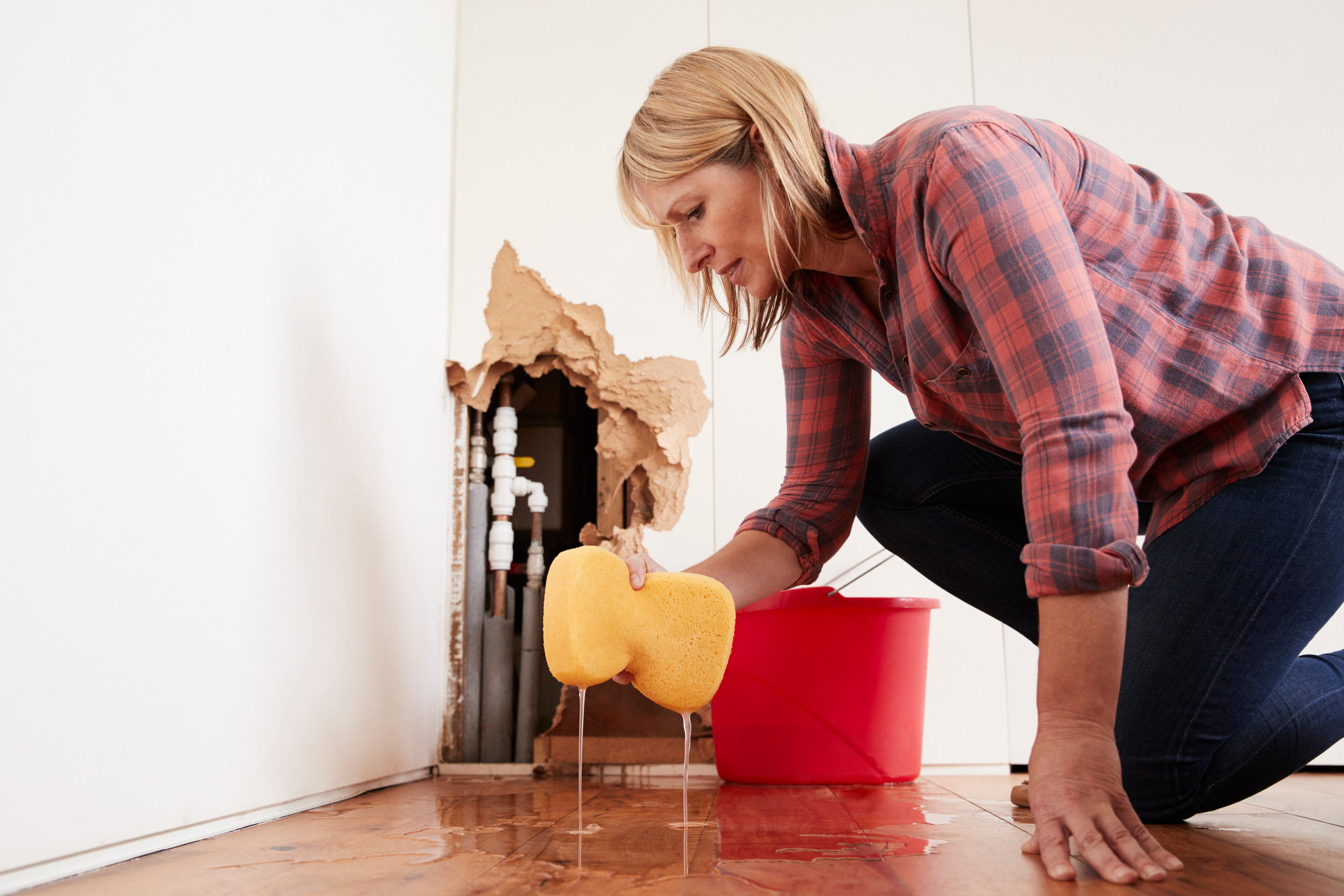
Hidden plumbing leaks can cause some of the most expensive and destructive problems inside a home. While a burst pipe or visible puddle is easy to spot, slow and concealed leaks often go unnoticed for months. These leaks can quietly damage drywall, flooring, cabinetry, insulation, and structural framing while also creating ideal conditions for mold growth.
Because they are not immediately visible, detecting hidden plumbing leaks early can save homeowners thousands of dollars in repairs. Knowing the signs helps you take action before the leak worsens. Professional help from Advanced Heat, AC, & Plumbing can ensure leaks are accurately diagnosed and repaired to prevent future water damage.
This guide explores the most common early warning signs of hidden leaks, where they tend to occur, and how plumbing professionals locate and repair them.
Why Hidden Plumbing Leaks Are So Dangerous
Unlike obvious plumbing issues, hidden leaks occur behind walls, beneath floors, inside cabinets, or underground. Because they stay concealed, they often cause significant damage long before a homeowner notices.
The biggest dangers of hidden leaks
- Structural wood rot
- Mold growth and air quality issues
- Damaged drywall and ceilings
- High water bills
- Stained walls or floors
- Deteriorated insulation
- Electrical hazards near wet areas
Routine inspections and preventive plumbing care from professional plumbing services help reduce the risk of these issues.
Early Warning Signs of Hidden Plumbing Leaks
You do not need to see water pooling on the floor to know a leak exists. Most leaks show subtle signs long before they become severe. Here are the most common red flags to watch for.
1. Unexpected Increase in Water Bills
One of the easiest ways to detect a hidden leak is by monitoring your monthly water bill. If your usage suddenly increases without explanation, water is likely escaping somewhere in the plumbing system.
Common causes of rising water bills
- Underground pipe leaks
- Running toilets
- Small pipe pinholes
- Leaking faucets or valves
- Cracked supply lines
Water loss from even a small leak adds up quickly. If your bill spikes unexpectedly, it is time to investigate or schedule a leak evaluation.
2. Musty or Damp Odors
A musty smell is one of the earliest indicators of moisture buildup. Hidden leaks behind walls and under flooring create humid pockets where mold and bacteria thrive.
Odors often come from
- Slow leaks behind drywall
- Saturated insulation
- Plumbing leaks under sinks
- Wet flooring under toilets or tubs
If you smell mildew in a specific area of the home, it is important to determine whether a hidden leak is the cause.
3. Stained Walls, Ceilings, or Floors
Water leaks often leave visible discoloration as moisture seeps through materials.
Signs of water staining
- Yellow, brown, or dark patches
- Bubbling or cracking paint
- Softened drywall
- Warped paneling
- Peeling wallpaper
Ceiling stains almost always point to a leak above, either from a second floor bathroom or from plumbing in the attic. Early detection prevents the need for expensive structural repairs.
4. Reduced Water Pressure
If a pipe develops a leak, less water reaches the fixture. This often causes a noticeable drop in water pressure.
Low pressure may occur at
- Showers
- Faucets
- Outdoor spigots
- Appliances
While clogs also reduce water pressure, leaks are a more serious issue. A plumber can determine the root cause and suggest the best repair plan.
5. Sounds of Dripping or Running Water
Hearing water when no fixtures are running is a strong sign that something is leaking behind the scenes. Hidden leaks often produce subtle sounds such as
- Dripping
- Hissing
- Trickle noises behind walls
- Water flowing under floors
If you cannot locate the source, professional leak detection tools may be necessary.
6. Warm or Cold Spots on Floors
Slab leaks or pipe leaks beneath flooring can cause certain areas to feel unusually warm or cool.
Causes
- Hot water line leaks heat the surface
- Cold water line leaks create cool damp zones
- Radiant floor heating leaks
If you notice unusual temperature differences, the flooring may be absorbing moisture from a leaking pipe below.
7. Mold Growth in Unusual Places
Mold needs moisture to grow. If you spot mold in places with no known water source, a hidden leak is likely present.
Common mold locations include
- Behind furniture
- Along baseboards
- Under sinks
- On ceilings
- Behind walls
If mold appears repeatedly after cleaning, a persistent moisture source must be identified and repaired.
8. Soft, Warped, or Buckling Flooring
Hardwood, laminate, and vinyl flooring react quickly to moisture. Even a minor leak can cause boards to swell, lift, or buckle.
Flooring damage often indicates
- Toilet base leaks
- Tub or shower drain leaks
- Sink line failures
- Supply line leaks inside walls
If floors feel spongy or uneven, it is critical to address the problem before permanent damage sets in.
9. Wet Spots Around Fixtures
Finding moisture around the base of toilets, sinks, or tubs often indicates a leak in the drain or supply line.
Look for
- Water around toilet bolts
- Dampness inside sink cabinets
- Moisture at shower door corners
- Wet tile grout
Though these leaks may seem small, they often signal more serious plumbing failures behind the walls.
10. Visible Corrosion on Plumbing Pipes
Corrosion is a major warning sign that water is leaking or that conditions are right for leaks to form.
Common corrosion indicators
- Rust colored spots
- Flaking metal
- Greenish discoloration on copper
- White mineral deposits
Corroded pipes weaken over time and should be inspected immediately.
Areas of the Home Most Likely to Have Hidden Leaks
Some parts of the home are more vulnerable to concealed plumbing problems than others.
Behind Walls
Pipes hidden behind drywall are difficult to inspect and often leak silently until severe damage appears.
Common locations include
- Bathroom walls
- Kitchen sink walls
- Laundry rooms
Moisture meters and thermal imaging help professionals locate wall leaks without major demolition.
Under Slabs or Flooring
Slab leaks occur in homes built on concrete foundations. These leaks can be particularly destructive and hard to detect.
Symptoms include
- Warm or damp floors
- Moldy carpet
- Cracks in flooring
Addressing slab leaks requires advanced diagnostics.
Under Sinks and Vanities
Moisture often pools unnoticed inside cabinets, leading to mold and wood damage.
Check for
- Loose drain connections
- Failed caulking
- Cracked supply lines
Routine inspections help catch these leaks early.
Around Toilets and Tubs
These fixtures carry large volumes of water daily. A minor seal failure can quickly create major damage.
Watch for
- Wobbling toilets
- Water around tub edges
- Loose valves or hardware
Hidden moisture around these fixtures is a common cause of mold growth.
How Professionals Detect Hidden Plumbing Leaks
Modern plumbing professionals use advanced tools to locate leaks without unnecessary wall or floor damage. When leaks are suspected, scheduling an inspection through expert plumbing technicians ensures accurate detection.
Professional leak detection methods
- Moisture meters
- Thermal imaging cameras
- Acoustic listening equipment
- Pressure testing
- Video camera pipe inspections
These tools pinpoint leaks quickly, allowing for efficient repairs.
Common Causes of Hidden Plumbing Leaks
Understanding why leaks occur helps homeowners prevent them.
Common causes include
- Pipe corrosion
- Loose fittings or joints
- High water pressure
- Clogged drains causing backup
- Old or failing water heaters
- Freezing temperatures
- Poor installation during previous renovations
Regular inspections and maintenance can identify weak points before they fail.
When to Call a Professional
You should contact a plumber immediately if
- You see water stains or wet spots
- Mold continues returning after cleaning
- You hear running water with no fixtures on
- Your water bill suddenly rises
- Floors feel soft or warped
- Your home develops unexplained odors
In urgent cases, emergency technicians available through rapid HVAC and plumbing support can prevent further water damage.
Preventing Future Hidden Leaks
While some leaks occur unexpectedly, many can be prevented with proper maintenance.
Preventive steps
- Replace old supply lines
- Inspect plumbing annually
- Install water leak detectors
- Insulate pipes in cold weather
- Fix slow drains promptly
- Maintain proper water pressure
- Upgrade old water heaters
Consistent plumbing care protects your home and reduces long term repair costs.
FAQs About Hidden Plumbing Leaks
1. How do I know if a leak is behind a wall?
Look for stains, musty odors, bubbling paint, or warm spots on the wall.
2. Are small leaks dangerous?
Yes. Even small leaks can cause major mold growth and structural damage over time.
3. Can leaks raise my utility bills?
Absolutely. A hidden leak can waste hundreds of gallons of water per month.
4. Is leak detection expensive?
Leak detection is affordable compared to the cost of repairing water damage later.
5. Do hidden leaks always make noise?
No. Many leaks are completely silent and only detectable through signs of moisture.
Conclusion
Hidden plumbing leaks can develop anywhere in your home and often cause damage long before they are discovered. By watching for early warning signs such as rising water bills, mold, odors, stains, unusual floor temperatures, and reduced water pressure, you can catch leaks early and prevent costly repairs.
For accurate leak detection, professional repairs, and long term prevention, trust the skilled plumbers at Advanced Heat, AC, & Plumbing. Their expertise helps keep your home protected, efficient, and free of hidden water damage.


