


Fixing Common Faucet Leaks Around the House
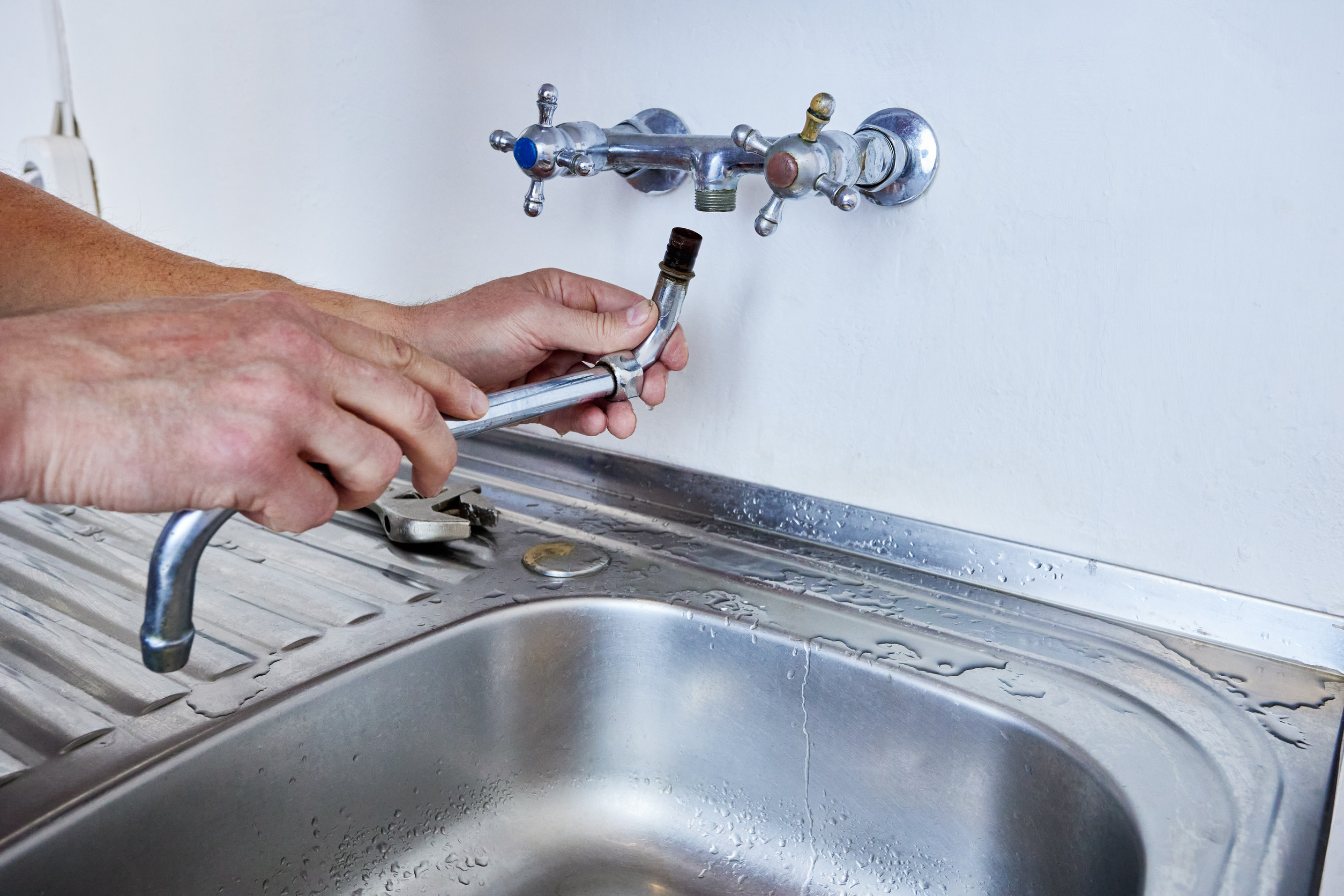
A dripping faucet may seem like a minor inconvenience, but even a small leak can waste hundreds of gallons of water each year. Beyond higher water bills, leaking faucets can lead to water stains, cabinet damage, mold growth, and long term plumbing issues if left unaddressed. Faucet leaks are among the most common plumbing problems homeowners face, and they can occur anywhere from the kitchen to bathrooms, laundry rooms, or outdoor spigots.
The good news is that many faucet leaks are caused by worn parts or simple failures that can be repaired quickly when identified early. Understanding the types of faucet leaks, what causes them, and how they can be fixed helps homeowners decide when a repair is manageable and when it is best to call a professional plumber. With support from experienced technicians at Advanced Heat, AC, & Plumbing, faucet leaks can be resolved efficiently before they cause more serious damage.
This guide covers the most common faucet leaks found around the house, how to diagnose them, and the best solutions for lasting repairs.
Why Faucet Leaks Should Never Be Ignored
A slow drip may not seem urgent, but it often signals underlying wear in your plumbing system. Over time, even small leaks can lead to significant problems.
Common consequences of leaking faucets
- Increased water bills
- Mineral buildup on fixtures
- Stained sinks or countertops
- Cabinet and flooring damage
- Mold or mildew growth
- Corrosion of plumbing components
Addressing faucet leaks early protects both your plumbing system and your home.
Common Types of Faucets Found in Homes
Understanding the type of faucet you have helps determine why it may be leaking and how it should be repaired.
Most common faucet types
- Compression faucets
- Ball faucets
- Cartridge faucets
- Ceramic disc faucets
Each design uses different internal components, which means the cause of leaks and repair approach can vary.
Leaking Faucet at the Spout
One of the most noticeable faucet leaks is dripping from the spout when the faucet is turned off.
Common causes
- Worn washers
- Damaged O rings
- Faulty cartridges
- Worn ceramic discs
In compression faucets, worn rubber washers are usually the culprit. In cartridge or ceramic disc faucets, internal cartridges often need replacement.
Replacing worn components usually resolves the issue, but if leaks persist, professional plumbing repair through licensed plumbing services ensures the correct parts are installed and prevents repeat failures.
Leaking Faucet Handle
Water leaking from around the handle often appears when the faucet is turned on. This type of leak can go unnoticed because the water runs down the fixture rather than dripping into the sink.
Causes of handle leaks
- Loose packing nuts
- Worn O rings
- Cracked valve stems
- Improperly seated cartridges
Handle leaks can damage the faucet body over time if ignored. Tightening or replacing internal seals usually solves the problem.
Leaking Faucet Base
Water pooling around the base of a faucet is another common issue, especially in kitchen and bathroom sinks.
Why base leaks occur
- Deteriorated O rings
- Loose faucet mounting
- Cracked seals under the spout
- Worn cartridges
Base leaks often allow water to seep under countertops and into cabinets, where damage may not be immediately visible. Early repair prevents wood rot and mold.
Leaking Under the Sink
Some faucet leaks do not appear above the counter at all. Instead, they drip underneath the sink inside the cabinet.
Common sources
- Loose supply line connections
- Cracked supply hoses
- Faulty shutoff valves
- Leaking faucet bodies
Regularly checking under sinks helps catch these leaks early. If you notice moisture, corrosion, or mold, schedule an inspection promptly.
Dripping Outdoor Faucets
Outdoor faucets are exposed to weather and temperature changes, making them prone to leaks.
Causes of outdoor faucet leaks
- Worn washers
- Cracked valve stems
- Freeze damage
- Loose hose connections
Leaks in outdoor faucets can waste water and contribute to foundation moisture issues. In colder climates, freeze damaged faucets should be repaired or replaced before winter returns.
Causes of Faucet Leaks Over Time
Faucets experience constant use, which naturally leads to wear and tear.
Most common reasons faucets begin leaking
- Aging rubber components
- Mineral buildup from hard water
- High water pressure
- Improper installation
- Corrosion of metal parts
Hard water is especially tough on faucets, as mineral deposits wear down seals and cartridges faster. Water quality testing through professional water analysis services can help determine whether filtration or softening solutions may extend the life of your fixtures.
Step by Step Basics for Fixing Simple Faucet Leaks
Some minor faucet leaks can be repaired by homeowners with basic tools and the right replacement parts.
Basic repair steps
- Turn off the water supply to the faucet
- Plug the drain to prevent losing small parts
- Remove the handle and trim
- Inspect washers, O rings, or cartridges
- Replace worn or damaged components
- Reassemble the faucet
- Turn water back on and test
Using the correct parts for your faucet model is critical. Installing incorrect components can worsen leaks or damage the fixture.
When DIY Faucet Repairs Are Not Enough
While some leaks are simple, others require professional attention. Attempting complex repairs without experience can lead to broken fixtures or additional leaks.
Call a professional if
- The faucet continues leaking after repair
- You cannot identify the faucet type
- Parts are corroded or stuck
- The leak involves supply lines or valves
- Water damage is already visible
Professional plumbers have the tools and expertise to repair leaks safely and permanently.
How Professionals Repair Faucet Leaks
Plumbing professionals diagnose the root cause of leaks rather than just replacing parts.
Professional repair process
- Inspect faucet components
- Identify worn or incompatible parts
- Replace cartridges, valves, or seals
- Check water pressure levels
- Test for leaks after repair
Technicians also look for underlying issues such as excessive water pressure that may cause repeated failures.
Preventing Future Faucet Leaks
Preventive care extends the life of your faucets and reduces the risk of leaks.
Tips to prevent faucet leaks
- Avoid overtightening handles
- Clean mineral buildup regularly
- Replace supply lines every few years
- Monitor water pressure
- Address small drips immediately
Routine plumbing maintenance reduces wear on fixtures and prevents unexpected failures.
Faucet Leaks and Water Pressure
High water pressure puts stress on faucet components and can cause leaks to reappear.
Signs of high water pressure
- Loud banging pipes
- Frequent leaks
- Dripping faucets after shutoff
- Appliance failures
A pressure reducing valve may be recommended if pressure exceeds safe levels.
How Faucet Leaks Affect Water Bills
Even a slow drip adds up over time.
Estimated water waste
- One drip per second can waste over 3,000 gallons per year
- Multiple leaking faucets compound the problem
Fixing leaks quickly saves money and conserves water.
Special Considerations for Older Homes
Older homes often have outdated plumbing materials that contribute to faucet leaks.
Common issues in older plumbing
- Corroded supply lines
- Worn shutoff valves
- Incompatible replacement parts
Upgrading old components during repairs improves reliability and safety.
Emergency Situations Involving Faucet Leaks
While most faucet leaks are slow, some can escalate quickly.
Seek immediate help if
- A supply line bursts
- Water floods cabinets or floors
- Shutoff valves fail
- A leak worsens suddenly
Emergency plumbing assistance through rapid response HVAC and plumbing support can prevent extensive damage.
Faucets That May Be Better Replaced Than Repaired
In some cases, replacement is more cost effective than repair.
Consider replacement if
- The faucet is very old
- Replacement parts are unavailable
- The fixture is heavily corroded
- Leaks recur frequently
Modern faucets offer better efficiency, durability, and style.
FAQs About Faucet Leaks
1. Why does my faucet drip after I turn it off?
Worn washers or cartridges are usually the cause.
2. Can a leaking faucet cause mold?
Yes. Moisture under sinks or around bases promotes mold growth.
3. How long does a faucet repair take?
Most repairs take under an hour when handled by a professional.
4. Should I replace supply lines when fixing a faucet?
If supply lines are old or corroded, replacement is recommended.
5. Can high water pressure cause faucet leaks?
Yes. Excess pressure strains internal components and seals.
Conclusion
Faucet leaks are one of the most common plumbing problems homeowners face, but they should never be ignored. From dripping spouts and leaking handles to moisture under sinks, these issues often signal worn components that need attention. Addressing leaks early prevents water waste, protects your home from damage, and saves money on future repairs.
For reliable faucet repair, accurate diagnosis, and long lasting solutions, trust the experienced plumbers at Advanced Heat, AC, & Plumbing. Their professional services ensure your fixtures function properly and your home remains protected from costly water damage.


