


How Backflow Prevention Protects Your Drinking Water
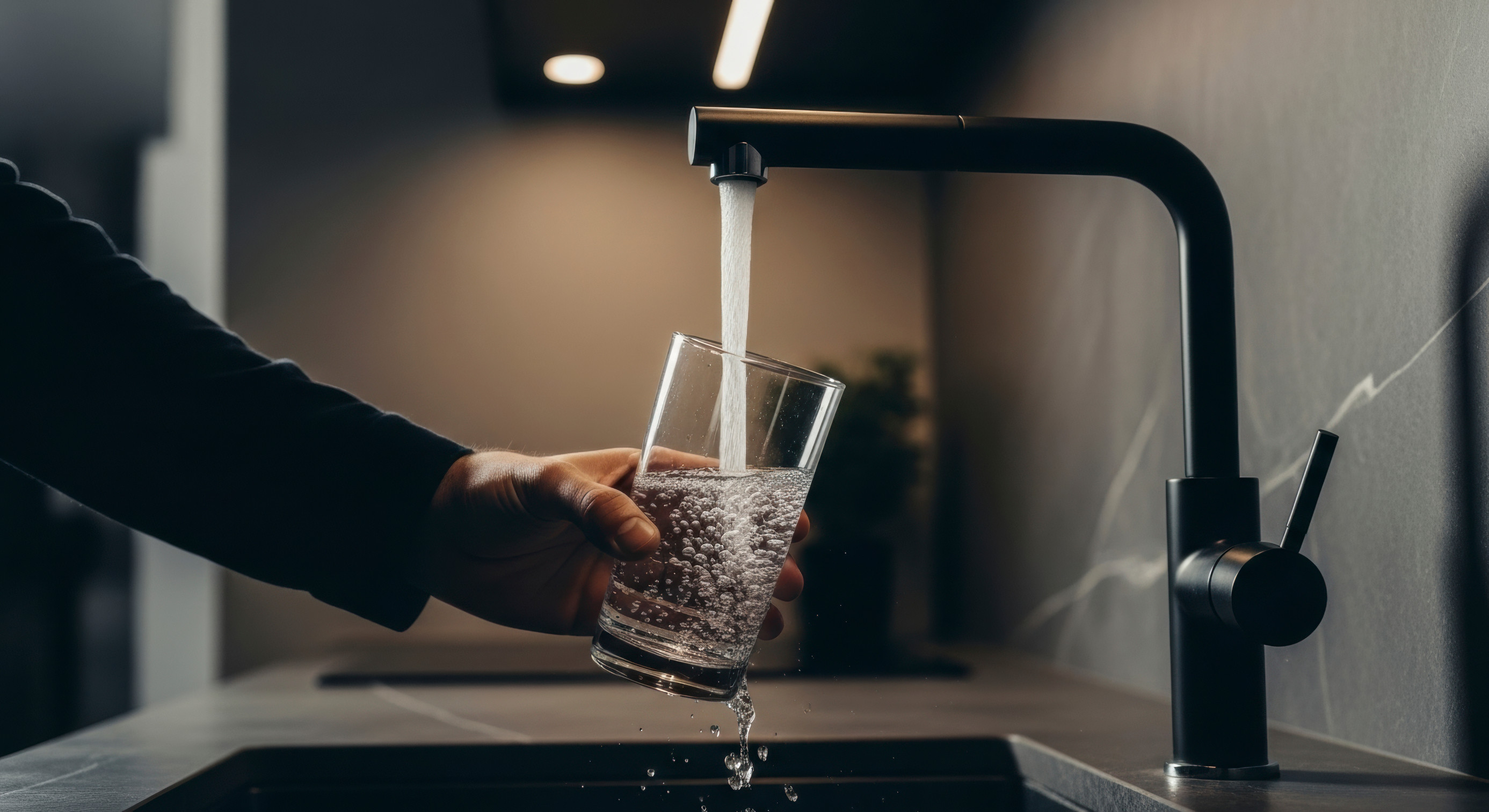
Clean, safe drinking water is something most homeowners take for granted, yet it relies on a complex system working properly behind the scenes. One of the most critical safeguards in that system is backflow prevention. When backflow occurs, contaminated water can flow backward into your clean water supply, putting your household at risk for serious health issues.
Backflow prevention devices are designed to stop this from happening, protecting your drinking water from pollutants, chemicals, bacteria, and other harmful substances. Understanding how backflow works, why it is dangerous, and how prevention systems protect your home helps you make informed decisions about your plumbing and water safety. With support from experienced professionals like Advanced Heat, AC, & Plumbing, homeowners can ensure their water supply remains clean and compliant with safety standards.
What Is Backflow and Why Does It Happen?
Backflow is the unwanted reversal of water flow within a plumbing system. Instead of clean water moving from the municipal supply into your home, contaminated water flows backward into the drinking water lines.
Backflow typically occurs due to changes in water pressure. Two main conditions cause it.
Backpressure
Backpressure happens when pressure inside a private plumbing system becomes higher than the pressure in the public water supply. This can occur when boilers, pumps, or elevated tanks push water backward into supply lines.
Backsiphonage
Backsiphonage occurs when there is a sudden drop in water pressure in the public supply. Events like water main breaks, firefighting activity, or heavy system demand can create a vacuum effect that pulls contaminated water back into clean water lines.
Both scenarios pose serious risks if proper backflow prevention measures are not in place.
Why Backflow Is a Serious Health Risk
When backflow occurs, any substance connected to your plumbing system can potentially enter your drinking water.
Possible contaminants include
- Fertilizers and pesticides from irrigation systems
- Chemicals from boilers or heating systems
- Cleaning agents from commercial equipment
- Bacteria from stagnant or untreated water
- Wastewater from cross connections
Consuming or using contaminated water can lead to illness, skin irritation, and long term health concerns. Backflow prevention is essential for protecting not only your household but also the broader community water supply.
What Is a Backflow Prevention Device?
A backflow prevention device is a specialized valve assembly installed in a plumbing system to allow water to flow in only one direction. If pressure changes occur, the device automatically closes to prevent reverse flow.
These devices are installed at points where contamination risk is highest, often called cross connections.
Common Types of Backflow Prevention Devices
Air Gaps
An air gap is a physical separation between the water outlet and the highest possible water level of a fixture or container. It is one of the simplest and most effective forms of backflow prevention.
Common examples include
- Sink faucets above the rim of the sink
- Dishwasher drain hoses elevated above the drain connection
Reduced Pressure Zone Assemblies
These devices use multiple valves and pressure zones to prevent contaminated water from flowing backward. They are commonly used in irrigation systems and commercial applications.
Double Check Valve Assemblies
Double check valves provide protection by using two internal check valves. They are often installed in low to moderate risk situations.
Vacuum Breakers
Vacuum breakers prevent backsiphonage by allowing air into the system if negative pressure occurs. They are commonly found on outdoor hose connections and irrigation systems.
Where Backflow Risks Commonly Exist in Homes
Many homeowners are surprised to learn how many potential backflow points exist in a typical home.
High risk areas include
- Lawn irrigation and sprinkler systems
- Hose bibs connected to chemical sprayers
- Boilers and heating systems
- Water softeners and filtration systems
- Swimming pools and hot tubs
Each of these connections can introduce contaminants if proper prevention devices are not installed and maintained.
How Backflow Prevention Protects Drinking Water
Backflow prevention devices act as barriers between clean water and potential contaminants.
They protect drinking water by
- Blocking reverse water flow during pressure changes
- Isolating high risk plumbing connections
- Preventing chemical and biological contamination
- Maintaining compliance with local water safety codes
Without these devices, contamination events can spread quickly through private plumbing and public water systems.
Why Backflow Prevention Is Often Required by Law
Many municipalities require backflow prevention devices to be installed and tested regularly. These regulations exist to protect public health and ensure the integrity of the water supply.
Requirements often include
- Installation of approved backflow devices
- Annual testing by certified professionals
- Documentation and reporting to local authorities
Failing to comply with backflow regulations can result in fines, service interruption, or mandatory system upgrades.
Signs Your Home May Need Backflow Protection
Some homes already have backflow prevention in place, while others may require upgrades.
Signs you may need evaluation include
- Installation of a new irrigation system
- Adding a pool, hot tub, or water feature
- Changes to plumbing or water pressure
- Older homes without modern safety devices
- Notices from your local water utility
Professional inspection helps determine whether your system meets current safety standards.
The Role of Professional Installation and Testing
Backflow prevention devices must be installed correctly to function as intended. Improper installation can render the device ineffective or create new plumbing problems.
Professional services ensure
- Proper device selection for your system
- Correct installation according to code
- Accurate pressure and performance testing
- Reliable documentation for compliance
Homeowners often rely on professional plumbing services to handle installation and ongoing testing safely and efficiently.
Why Annual Backflow Testing Matters
Backflow devices contain moving parts that can wear over time. Annual testing verifies that the device is still functioning properly and provides early warning of potential failures.
Benefits of regular testing include
- Continued protection of drinking water
- Compliance with local regulations
- Early detection of worn components
- Reduced risk of contamination events
Skipping testing increases the risk of device failure and water contamination.
Backflow Prevention and Irrigation Systems
Irrigation systems are one of the most common sources of backflow risk. Fertilizers, pesticides, and soil bacteria can easily enter water lines without proper protection.
A dedicated backflow prevention device on irrigation systems ensures
- Lawn chemicals stay out of drinking water
- Pressure changes do not cause contamination
- Compliance with local irrigation codes
This protection is especially important in residential neighborhoods with shared water infrastructure.
How Backflow Prevention Supports Water Quality Efforts
Backflow prevention works hand in hand with other water quality measures.
It complements
- Filtration systems
- Water softeners
- Cross connection control programs
- Municipal water treatment processes
For homeowners focused on overall water quality, learning about testing and treatment options through water analysis services can provide additional insight into how clean water is maintained throughout the home.
Common Myths About Backflow Prevention
“I have never had a problem, so I do not need it”
Backflow events are unpredictable. Protection is designed for prevention, not reaction.
“My home is too small to be at risk”
Even small residential systems can experience backflow under the right conditions.
“It only matters for commercial properties”
Residential homes with irrigation, pools, or boilers face real backflow risks.
What Happens If Backflow Is Not Prevented
Ignoring backflow prevention can have serious consequences.
Potential outcomes include
- Contaminated drinking water
- Health risks for your household
- Costly plumbing repairs
- Legal or regulatory penalties
- Service interruption from water utilities
Prevention is far less expensive than dealing with contamination after it occurs.
When to Call a Professional
You should contact a professional plumber if
- You receive a notice requiring backflow testing
- You are installing irrigation or water based equipment
- You suspect pressure issues in your plumbing
- Your backflow device has not been tested recently
- You want to ensure compliance with local codes
In urgent situations involving pressure changes or plumbing failures, immediate help through emergency plumbing support can help protect your system from damage.
How Backflow Prevention Fits Into Long Term Home Safety
Backflow prevention is part of a broader approach to protecting your home and family.
Long term benefits include
- Safer drinking water
- Reduced plumbing risk
- Compliance with regulations
- Peace of mind
When combined with regular plumbing maintenance, it strengthens the reliability of your entire water system.
Frequently Asked Questions
What is the purpose of a backflow prevention device?
It prevents contaminated water from flowing backward into clean drinking water lines.
Is backflow prevention required for all homes?
Requirements vary, but many homes with irrigation or special plumbing features must have it.
How often should backflow devices be tested?
Most municipalities require annual testing by a certified professional.
Can I install a backflow device myself?
Installation and testing typically require professional certification to meet code requirements.
Does backflow prevention affect water pressure?
Properly installed devices should not significantly impact normal water pressure.
Conclusion
Backflow prevention plays a critical role in protecting your drinking water from contamination caused by pressure changes and cross connections. By stopping polluted water from flowing backward into clean supply lines, these systems safeguard your health, your plumbing, and your community’s water infrastructure.
If your home has irrigation systems, specialized plumbing, or has not been evaluated for backflow protection, scheduling a professional inspection is a smart step. With expert installation, testing, and maintenance from Advanced Heat, AC, & Plumbing, you can be confident that your drinking water remains safe, clean, and protected for years to come.


