


How Hard Water Impacts Your Plumbing System
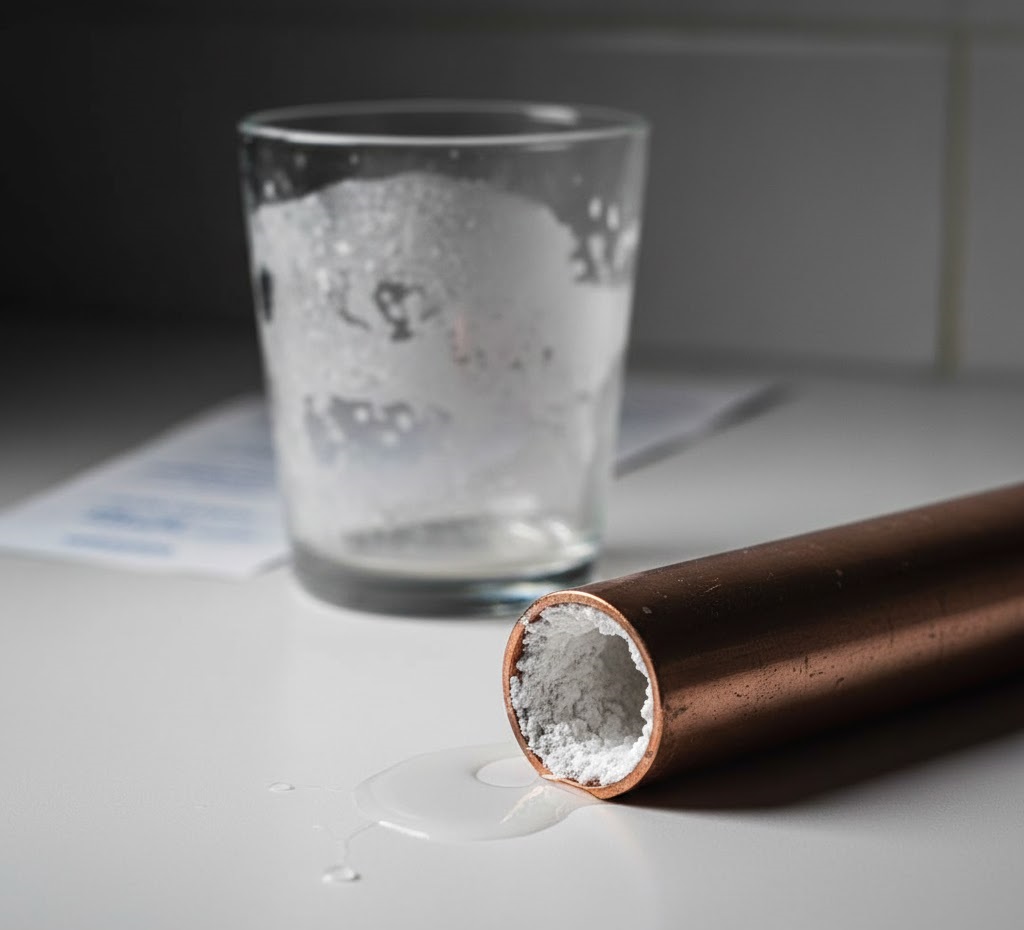
Hard water is a common issue in many homes, yet its effects are often underestimated. While it may seem like a minor inconvenience that causes soap scum or water spots, hard water can quietly damage your plumbing system over time. From clogged pipes and leaking fixtures to reduced appliance efficiency and higher utility bills, the long term impact of hard water can be costly if left untreated.
Hard water contains high levels of minerals, primarily calcium and magnesium. As water flows through your plumbing system, these minerals deposit inside pipes, fixtures, and appliances. Over time, this buildup restricts water flow, increases wear on plumbing components, and shortens the lifespan of your entire system. With guidance from trusted professionals like Advanced Heat, AC, & Plumbing, homeowners can understand the risks of hard water and take steps to protect their plumbing investment.
This article explains what hard water is, how it affects your plumbing system, and what solutions are available to prevent long term damage.
What Is Hard Water
Hard water refers to water that contains a high concentration of dissolved minerals. The hardness level depends on the source of the water and the geological composition of the surrounding area.
Common minerals found in hard water
- Calcium
- Magnesium
- Iron (in some cases)
As water travels through limestone or mineral rich soil, it absorbs these minerals. While hard water is generally safe to drink, it creates significant challenges for plumbing systems.
How Hard Water Enters Your Plumbing System
Every time water flows through your home, it carries minerals along with it. When water is heated, evaporates, or slows down inside pipes, minerals are left behind. These deposits gradually build up on pipe walls, valves, fixtures, and appliance components.
This process occurs continuously and worsens over time, especially in homes with high water usage or older plumbing systems.
Mineral Scale Buildup Inside Pipes
One of the most damaging effects of hard water is mineral scale buildup inside plumbing pipes.
How scale buildup affects pipes
- Narrows the interior diameter of pipes
- Reduces water flow
- Creates rough surfaces that trap debris
- Increases pressure within the system
As scale accumulates, pipes become less efficient and more prone to clogs and leaks. In extreme cases, pipes may become completely blocked.
Reduced Water Pressure Throughout the Home
As mineral deposits restrict pipe interiors, water pressure gradually decreases. This often happens so slowly that homeowners do not notice until pressure becomes significantly weaker.
Signs hard water is affecting pressure
- Weak shower flow
- Slow filling sinks or tubs
- Inconsistent water pressure between fixtures
Low water pressure caused by scale buildup is a strong indicator that your plumbing system is suffering from hard water damage.
Increased Frequency of Plumbing Leaks
Hard water accelerates wear on plumbing components. Mineral deposits can damage seals, gaskets, and joints, leading to leaks.
Common leak points affected by hard water
- Faucet cartridges
- O rings and washers
- Shutoff valves
- Supply line connections
Over time, constant exposure to mineral buildup causes components to fail more frequently, increasing the need for repairs.
Homeowners dealing with frequent leaks often benefit from evaluations provided by professional plumbing services to identify hard water related damage.
Damage to Faucets and Fixtures
Hard water leaves visible residue on faucets, showerheads, and fixtures. Beneath the surface, mineral deposits interfere with moving parts.
Fixture problems caused by hard water
- Dripping faucets
- Stiff or difficult handles
- Reduced spray patterns
- Corrosion and discoloration
Even new fixtures can wear out prematurely when exposed to untreated hard water.
Appliance Inefficiency and Failure
Appliances that use water are particularly vulnerable to hard water damage.
Appliances commonly affected
- Water heaters
- Washing machines
- Dishwashers
- Ice makers
Mineral buildup inside these appliances reduces efficiency, forces them to work harder, and shortens their lifespan. Water heaters are especially vulnerable because heat accelerates mineral deposition.
Hard Water and Water Heater Damage
Water heaters suffer significantly from hard water exposure. As minerals settle at the bottom of the tank, they form sediment layers that insulate the heating element from the water.
Consequences of sediment buildup
- Reduced heating efficiency
- Higher energy bills
- Noisy operation
- Premature tank failure
Routine flushing helps, but without addressing the water quality itself, sediment continues to accumulate.
Impact on Drain Performance
Hard water minerals contribute to drain problems by creating rough surfaces inside pipes. These surfaces trap soap scum, hair, grease, and debris.
Drain issues caused by hard water
- Frequent clogs
- Slow draining fixtures
- Increased need for drain cleaning
Over time, mineral scale becomes a major contributor to recurring drainage problems.
Soap Scum and Cleaning Challenges
Hard water reacts with soap to form soap scum. This residue builds up on fixtures, pipes, and surfaces.
Effects of soap scum
- Reduced soap effectiveness
- Increased detergent usage
- Buildup inside drains
- Clogged pipes over time
This not only affects plumbing but also increases household cleaning effort and costs.
Hard Water and Corrosion Risk
While hard water itself does not cause corrosion, mineral deposits can trap moisture and create conditions that accelerate corrosion in metal pipes and fixtures.
Long term risks
- Pipe weakening
- Hidden leaks behind walls
- Structural water damage
Older homes with metal plumbing are especially at risk.
Signs Your Home Has Hard Water
Many homeowners experience hard water effects without realizing the cause.
Common signs of hard water
- White or chalky residue on fixtures
- Spotty dishes after washing
- Stiff laundry
- Frequent plumbing repairs
- Reduced water pressure
- Scale buildup on showerheads
If you notice these symptoms, testing your water is the next step.
How Water Testing Helps Identify Hard Water
Water testing measures mineral levels and determines hardness severity. Professional testing offers accurate results and actionable recommendations.
Homeowners often rely on professional water analysis services to understand their water quality and identify appropriate treatment solutions.
Long Term Costs of Ignoring Hard Water
Failing to address hard water can lead to ongoing expenses.
Financial impacts include
- Frequent plumbing repairs
- Early appliance replacement
- Higher energy bills
- Increased water usage
- Reduced home value
Over time, the cumulative cost of hard water damage far exceeds the cost of prevention.
Water Softening Systems as a Solution
Water softeners remove calcium and magnesium from water before it enters your plumbing system.
Benefits of water softening
- Protects pipes and fixtures
- Extends appliance lifespan
- Improves water pressure
- Reduces soap and detergent usage
- Prevents scale buildup
Softened water is easier on plumbing and improves overall system efficiency.
Additional Plumbing Protection Options
In addition to softeners, other solutions can help manage hard water effects.
Supplementary options
- Whole home filtration systems
- Scale reduction devices
- Regular plumbing maintenance
- Periodic drain cleaning
A professional plumber can recommend the best combination for your home.
Preventing Hard Water Damage Over Time
Proactive steps protect plumbing systems from mineral buildup.
Best practices
- Install water treatment systems
- Flush water heaters annually
- Clean fixtures regularly
- Schedule plumbing inspections
- Address pressure issues promptly
Preventive care extends system life and reduces repair frequency.
When to Call a Professional
You should contact a plumbing professional if
- You experience frequent leaks
- Water pressure continues to drop
- Appliances fail prematurely
- Mineral buildup is visible throughout the home
- Drains clog repeatedly
In urgent situations involving leaks or pipe failures, immediate assistance through emergency HVAC and plumbing support can prevent extensive damage.
How Hard Water Affects Home Value
Hard water issues can become red flags during home inspections. Buyers may be concerned about hidden plumbing damage or future repair costs.
Installing water treatment systems improves resale value and demonstrates proactive home maintenance.
FAQs About Hard Water and Plumbing
1. Is hard water harmful to drink?
Hard water is generally safe to drink but damaging to plumbing systems.
2. Can hard water cause low water pressure?
Yes. Mineral buildup narrows pipes and restricts water flow.
3. How quickly does hard water damage plumbing?
Damage develops gradually but becomes significant over several years.
4. Does boiling water remove hardness?
No. Boiling increases mineral concentration and worsens scale buildup.
5. Are water softeners worth the investment?
Yes. They significantly reduce plumbing repairs and extend appliance life.
Conclusion
Hard water has a profound impact on your plumbing system, often causing damage long before homeowners realize the cause. From mineral scale buildup and reduced water pressure to frequent leaks and appliance failure, untreated hard water quietly shortens the lifespan of pipes and fixtures. Addressing water quality early protects your plumbing investment and reduces long term costs.
For professional water testing, plumbing evaluations, and effective hard water solutions, trust the experienced team at Advanced Heat, AC, & Plumbing. Their expertise helps homeowners protect their plumbing systems and enjoy more efficient, reliable water throughout the home.


