


How Professional Air Duct Cleaning Improves Your Health
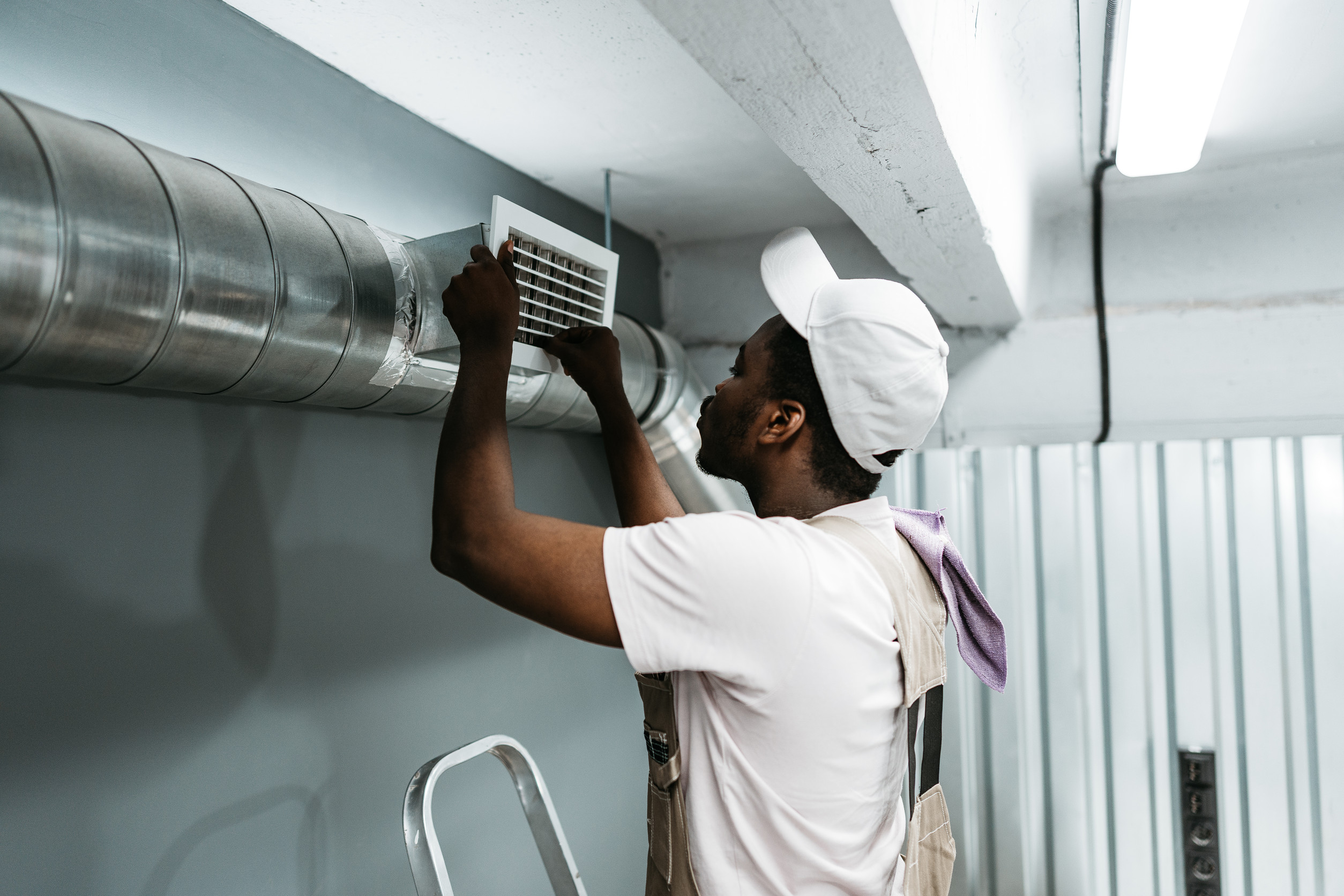
Your HVAC system is responsible for circulating air throughout your home every day. As air moves through the ductwork, it carries dust, dirt, pollen, pet dander, mold spores, and other contaminants. Over time, these pollutants settle inside the duct system and continue recirculating into your home with every heating or cooling cycle. This invisible buildup can significantly affect your health and comfort, especially if you suffer from allergies, asthma, or respiratory sensitivity.
Professional air duct cleaning removes these contaminants, improves indoor air quality, and helps your HVAC system operate more efficiently. When performed by licensed experts such as the technicians at Advanced Heat, AC, & Plumbing, duct cleaning becomes a powerful tool in maintaining a healthier home.
This guide explores how dirty air ducts impact your health, the benefits of professional cleaning, the process technicians use, and signs that your ducts may need attention.
Why Air Ducts Get Dirty
Even the cleanest homes accumulate indoor air pollutants. Each time you open a door, vacuum, cook, or even shed skin cells, particles enter the air. Your HVAC system pulls that air into the return ducts, heats or cools it, and redistributes it throughout the home.
Dust and contaminants settle along the duct walls, inside registers, in the blower compartment, and around the evaporator coil. Over time, this buildup becomes significant enough to affect both air quality and HVAC performance.
Common contaminants found inside air ducts
- Dust and dust mites
- Pet hair and dander
- Pollen and outdoor allergens
- Mold spores
- Bacteria and viruses
- Insect droppings
- Construction debris
- Fibers from carpeting and upholstery
- Smoke particles
When these pollutants accumulate, they are repeatedly blown back into your home’s living spaces.
How Dirty Air Ducts Affect Your Health
Poor indoor air quality has direct and noticeable effects on your health and well being. Because the average person spends most of their time indoors, exposure to contaminants inside your ductwork can gradually impact your respiratory system.
Below are the top ways dirty ductwork affects your health.
1. Increased Allergy Symptoms
Dust, pollen, and pet dander are common allergy triggers that can accumulate inside ductwork. When your HVAC system runs, these particles circulate throughout your home, constantly irritating allergy sufferers.
Symptoms may include
- Itchy, watery eyes
- Sneezing
- Nasal congestion
- Post nasal drip
- Sinus pressure
If you notice allergies worsening inside your home, duct cleaning may help reduce exposure to airborne irritants.
2. Aggravated Asthma
Asthma sufferers are especially sensitive to airborne pollutants. Dirty air ducts can release dust, mold spores, and other fine particles that trigger asthma attacks.
Asthma triggers commonly found in ducts
- Mold
- Pet dander
- Fine dust
- Bacterial growth
- Smoke residue
Cleaning ducts helps reduce the number of irritants that reach the lungs, making it easier to breathe comfortably.
3. Respiratory Irritation
Even people without diagnosed allergies or asthma may notice respiratory symptoms when ducts are dirty.
These may include
- Coughing
- Sore throat
- Chest congestion
- Shortness of breath
- Increased mucus
Poor air quality can also contribute to respiratory infections over time. Regular HVAC maintenance through professional preventive services ensures ducts and internal components stay clean and functioning properly.
4. Worsened Indoor Air Quality
Dust, mold, and bacteria thrive in dark, closed duct systems. As your HVAC system blows air through the ducts, these pollutants become part of your breathing environment.
Poor indoor air quality can cause
- Fatigue
- Headaches
- Irritability
- Poor sleep
- Difficulty concentrating
A clean duct system results in fresher, cleaner smelling air and a healthier home.
5. Exposure to Mold Spores
Moisture inside ducts can lead to mold growth. When mold spores become airborne, they can cause allergic reactions, respiratory inflammation, and other health concerns.
Signs of mold in ductwork
- Musty or damp odors
- Visible mold around vents
- Increased respiratory symptoms
- Humid conditions inside your home
If mold is discovered, immediate cleaning and HVAC evaluation are essential. In some cases, mold is linked to clogged drain lines or failing HVAC components that may require inspection through HVAC repair professionals.
Benefits of Professional Air Duct Cleaning
Professional cleaning offers far more benefits than simply reducing dust. A detailed cleaning improves system performance, lowers energy costs, and protects your family’s health.
1. Cleaner Indoor Air
This is the most important advantage. Professional duct cleaning removes contaminants that circulate through your home every time the HVAC system runs.
Cleaning reduces airborne
- Dust
- Dander
- Pollen
- Bacteria
- Mold spores
- Chemical particles
If your home has recently undergone remodeling or construction, duct cleaning can remove leftover drywall dust, insulation fibers, or sawdust that lingers in the system.
2. Reduced Allergy and Asthma Symptoms
Removing irritants from the duct system provides relief for individuals with breathing issues. Many families notice immediate improvements in allergy and asthma symptoms after a professional cleaning.
This is especially helpful for
- Children
- Seniors
- Pets
- Individuals with chronic respiratory conditions
Cleaner air supports better overall wellness.
3. Improved HVAC Efficiency
When dust and debris accumulate inside the HVAC system, airflow becomes restricted. Restricted airflow forces the system to work harder, consuming more energy and wearing out parts faster.
Cleaning ducts helps
- Improve airflow
- Reduce system strain
- Lower energy bills
- Extend the life of the HVAC system
If your system has been struggling, a technician can also check airflow during your cleaning appointment, or recommend upgrades through HVAC installation services if necessary.
4. Odor Removal
Unpleasant odors often originate inside duct systems. Dust, mold, smoke, pet hair, and bacteria all produce smells that travel throughout your home.
Duct cleaning helps eliminate odors such as
- Pet smells
- Smoke residue
- Musty or moldy scents
- Cooking fumes
- Chemical odors
This makes your home smell fresher and more inviting.
5. Cleaner Surfaces and Less Dusting
If you frequently see dust settling on furniture shortly after cleaning, dirty ductwork may be the cause. Clean ducts reduce how much dust gets blown back into your home, making it easier to keep surfaces clean.
6. Preventing Pest Infestations
Insects and rodents sometimes nest inside duct systems. Professional cleaning removes debris and droppings and helps technicians identify any areas that require sealing or pest remediation.
The Professional Air Duct Cleaning Process
Professional duct cleaning is far more thorough than vacuuming vents or using consumer grade tools. Here is what the process typically includes.
Step 1: Inspection
Technicians begin by inspecting the duct system using cameras or visual equipment to identify buildup, mold, damage, or blockages.
Step 2: Preparing the System
All vents and registers are sealed so dust and debris do not escape into your home during cleaning.
Step 3: Negative Pressure Setup
A high powered vacuum is attached to the duct system, placing it under negative pressure. This ensures debris is pulled safely into the collection system.
Step 4: Agitating Dust and Debris
Technicians use brushes, compressed air tools, or rotating devices to dislodge compacted dust and debris from duct walls, corners, and seams.
Step 5: Cleaning HVAC Components
In many cases, cleaning includes
- Blower motor
- Evaporator coil
- Housing components
- Return plenum
Coil or HVAC cabinet issues identified during this process can be addressed by certified HVAC repair technicians if necessary.
Step 6: Final Vacuum and System Sanitization
After cleaning debris, technicians may apply sanitizing agents to eliminate bacteria, mold, and odors.
Step 7: Post Cleaning Inspection
A final walkthrough or camera inspection confirms the ducts are clean and free of contaminants.
Signs Your Air Ducts Need Professional Cleaning
Not sure whether your ducts need attention? Watch for these common signs.
Warning indicators
- Excessive dust on surfaces
- Visible dirt around vents
- Moldy or musty smells
- Frequent allergy symptoms
- Inconsistent airflow
- Recent construction or remodeling
- Rodent or insect activity
- Dark dust buildup on return registers
Any of these may mean your ducts are overdue for cleaning or system evaluation.
How Often Should You Clean Your Air Ducts
Most homes benefit from duct cleaning every three to five years. However, you may need more frequent cleaning if
- You have pets
- Someone smokes indoors
- You live in a high pollen area
- Someone in the home struggles with allergies or asthma
- You have recently renovated
- Your home has high dust levels
Homes with advanced filtration solutions, such as ductless mini split systems, typically require less duct cleaning because they do not rely on traditional ductwork.
When Professional Cleaning May Not Be Enough
Sometimes duct cleaning is only part of the solution. If your HVAC system is old, improperly sized, or poorly ventilated, deeper issues may need attention to improve air quality long term.
In these cases, upgrades or repairs through commercial and residential HVAC specialists may help improve airflow, filtration, and energy efficiency.
FAQs About Air Duct Cleaning
1. Will duct cleaning improve my indoor air quality?
Yes. Removing dust, mold, and allergens reduces airborne pollutants and improves breathing comfort.
2. Does duct cleaning help HVAC efficiency?
Absolutely. Clean ducts allow better airflow, reducing strain on the system.
3. Can duct cleaning remove odors?
Yes. Professional cleaning can eliminate odors caused by mold, pets, smoke, and bacteria.
4. How long does the cleaning process take?
Most cleanings take two to four hours depending on home size and duct condition.
5. Can mold grow inside air ducts?
Yes. Moisture issues can lead to mold growth, which should be addressed immediately.
Conclusion
Professional air duct cleaning plays a major role in protecting your health and improving your home’s air quality. By removing dust, allergens, mold spores, and bacteria from deep within your HVAC system, you can breathe easier, enjoy cleaner air, and reduce allergy or asthma symptoms. Cleaner ducts also support better HVAC efficiency, lower energy bills, and a more comfortable living environment.
For reliable air duct cleaning, HVAC inspections, and indoor air quality improvements, trust the experienced professionals at Advanced Heat, AC, & Plumbing. Their comprehensive services help ensure your home stays safe, clean, and healthy year round.


