


How to Keep Your Pipes from Freezing in Winter
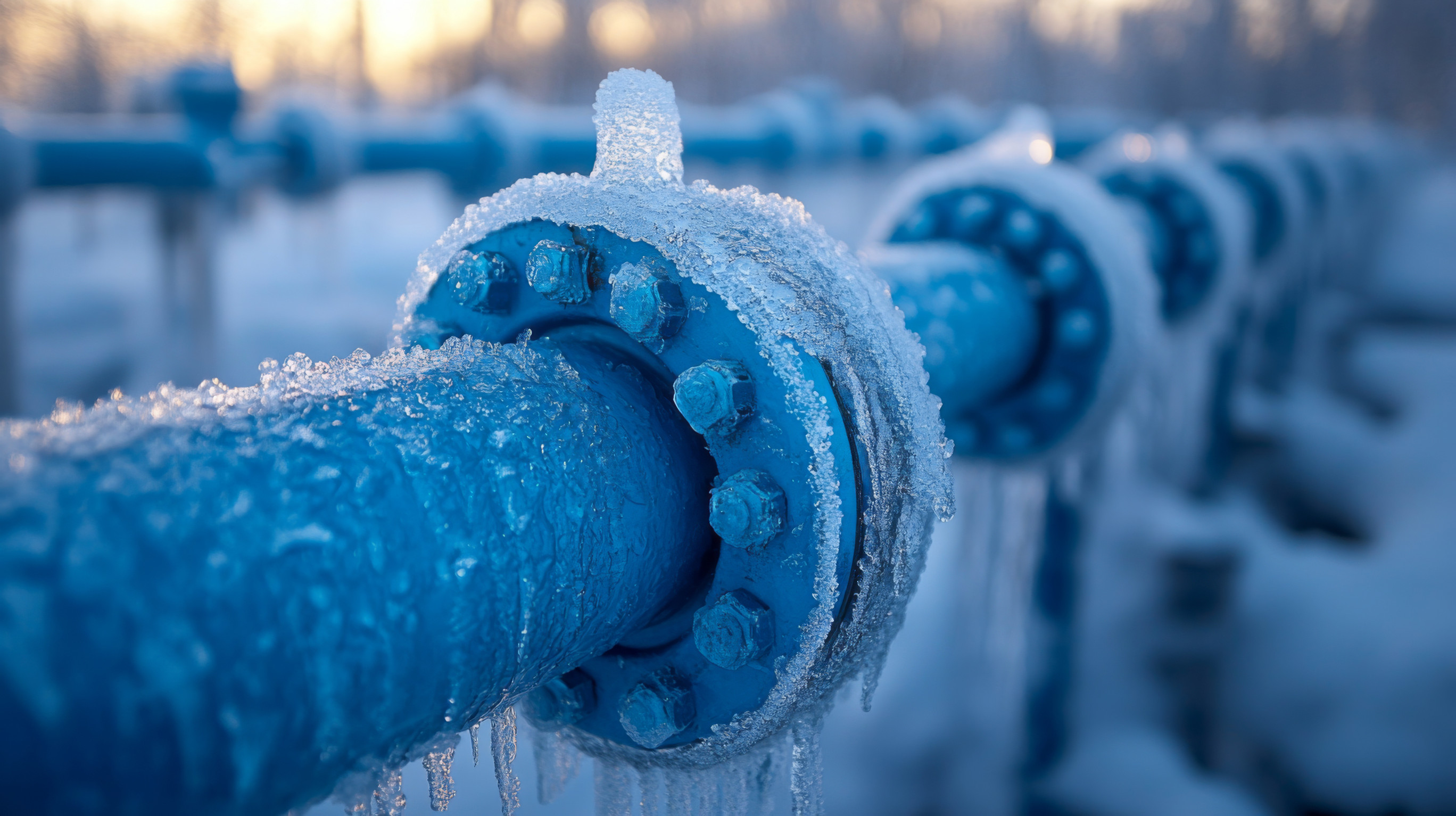
Frozen pipes are one of the most common and costly winter plumbing problems homeowners face. When temperatures drop, water inside exposed or poorly insulated pipes can freeze, expand, and cause pipes to crack or burst. The resulting water damage can be extensive, affecting walls, ceilings, floors, and personal belongings. Even a small split in a pipe can release hundreds of gallons of water in a short period of time once it thaws.
Fortunately, frozen pipes are largely preventable with proper preparation and awareness. Understanding where pipes are most vulnerable and taking proactive steps before cold weather arrives can save you from expensive repairs and major disruptions. With guidance from experienced professionals like Advanced Heat, AC, & Plumbing, homeowners can protect their plumbing systems and maintain peace of mind throughout the winter months.
This article explains why pipes freeze, which areas of your home are most at risk, and what steps you can take to keep your plumbing safe when temperatures fall.
Why Pipes Freeze in Winter
Pipes freeze when exposed to temperatures below freezing for extended periods. Water expands as it freezes, increasing pressure inside the pipe. When that pressure exceeds the pipe’s strength, it cracks or bursts.
Factors that increase the risk of frozen pipes
- Poor insulation
- Unheated spaces
- Sudden temperature drops
- Prolonged cold weather
- Pipes located near exterior walls
- Lack of water movement
Understanding these risk factors makes prevention much easier.
Pipes Most Likely to Freeze
Not all pipes are equally vulnerable. Certain locations are more exposed to cold temperatures.
High risk pipe locations
- Pipes in unheated basements or crawl spaces
- Plumbing in attics
- Pipes along exterior walls
- Garage plumbing lines
- Outdoor hose bibs
- Under kitchen or bathroom sinks on exterior walls
Identifying these areas early allows you to focus your winter preparation efforts where they matter most.
The Damage Frozen Pipes Can Cause
Frozen pipes are dangerous not only because they stop water flow but because of what happens when they thaw.
Common consequences of frozen pipes
- Burst pipes and flooding
- Water damage to walls and ceilings
- Mold growth from moisture
- Structural damage
- Emergency plumbing repairs
- Costly insurance claims
Addressing pipe protection early is far less expensive than dealing with the aftermath of a burst pipe.
Insulate Exposed Pipes
Insulating exposed pipes is one of the most effective ways to prevent freezing.
Types of pipe insulation
- Foam pipe sleeves
- Fiberglass insulation wrap
- Heat tape or heating cables
Insulation helps maintain warmer temperatures inside pipes and reduces the chance of freezing during cold spells.
Seal Air Leaks Around Pipes
Cold air entering your home through gaps and cracks can quickly freeze nearby pipes.
Areas to seal
- Holes where pipes enter walls
- Gaps around vents
- Cracks in foundations
- Openings around electrical wiring
Sealing these areas keeps cold air out and warm air in, protecting pipes and improving energy efficiency.
Keep Your Home Warm
Maintaining a consistent indoor temperature is critical during winter.
Best practices
- Keep your thermostat set to at least 55 degrees
- Avoid turning off heat when away
- Use programmable thermostats for consistency
Even during vacations, maintaining indoor heat helps prevent pipes from freezing.
Open Cabinet Doors
Pipes located under sinks often sit against exterior walls and receive little heat.
Simple tip
Open cabinet doors under sinks during cold weather to allow warm air to circulate around plumbing.
This small step can make a big difference during overnight freezes.
Let Faucets Drip During Extreme Cold
Allowing faucets to drip slightly can prevent freezing.
Why dripping works
- Moving water freezes more slowly
- Reduces pressure buildup
- Allows water expansion without pipe damage
This technique is especially useful for pipes located on exterior walls.
Disconnect and Drain Outdoor Hoses
Outdoor plumbing is especially vulnerable to freezing.
Outdoor pipe protection steps
- Disconnect garden hoses
- Drain hose bibs
- Shut off exterior water valves
- Install insulated faucet covers
Water trapped in outdoor lines is one of the most common causes of winter pipe damage.
Protect Pipes in Unheated Areas
Garages, crawl spaces, and attics often lack adequate heating.
Ways to protect pipes in these areas
- Add insulation
- Install heat tape
- Seal doors and vents
- Use space heaters safely when needed
Targeting these areas reduces the risk of freezing significantly.
How Hard Water and Mineral Buildup Increase Risk
Hard water can worsen freezing risks by narrowing pipe interiors with mineral scale. Narrow pipes freeze faster because there is less room for water expansion.
If your home experiences frequent plumbing issues related to water quality, learning more through professional water analysis services can help identify long term solutions that protect pipes year round.
What to Do If You Suspect Frozen Pipes
Frozen pipes often show early warning signs before bursting.
Signs a pipe may be frozen
- No water flow from a faucet
- Reduced water pressure
- Frost on exposed pipes
- Strange odors from drains
If you suspect a frozen pipe, act quickly.
How to Safely Thaw Frozen Pipes
If a pipe freezes but has not burst, careful thawing may restore water flow safely.
Safe thawing methods
- Use a hair dryer
- Apply warm towels
- Use a portable heater nearby
- Increase room temperature
Never use open flames or torches, as they pose fire and pipe damage risks.
When Frozen Pipes Become an Emergency
Some situations require immediate professional help.
Call for emergency service if
- A pipe bursts
- Water is leaking or flooding
- You cannot locate the frozen section
- Multiple pipes are affected
In these cases, rapid assistance through emergency HVAC and plumbing support can minimize water damage and prevent further issues.
Preventive Plumbing Inspections Before Winter
A professional plumbing inspection before cold weather can identify vulnerabilities.
What plumbers check
- Pipe insulation levels
- Shutoff valve operation
- Outdoor plumbing condition
- Signs of corrosion or leaks
Scheduling preventive service through professional plumbing services helps address problems before temperatures drop.
How Heating Systems Support Pipe Protection
Your heating system plays a major role in preventing frozen pipes.
Heating related tips
- Ensure vents are unobstructed
- Maintain consistent airflow
- Address cold spots promptly
- Schedule seasonal HVAC maintenance
Proper heating keeps interior spaces warm and protects plumbing in hidden areas.
Vacation Tips to Prevent Frozen Pipes
Leaving home during winter increases freezing risk if precautions are not taken.
Before leaving
- Set thermostat to a safe temperature
- Shut off water supply if possible
- Drain plumbing lines
- Ask someone to check on the home
These steps reduce the chance of returning to water damage.
How Frozen Pipes Lead to Bigger Plumbing Problems
Frozen pipes often expose weaknesses in plumbing systems.
Long term risks
- Repeat leaks
- Hidden pipe damage
- Mold growth
- Structural deterioration
Addressing freezing risks helps prevent future plumbing failures.
Learning From Past Plumbing Issues
If your home has experienced frozen pipes before, it is important to understand why.
Related topics such as hidden leaks, water pressure problems, and recurring drain issues are often connected to freezing risks. Homeowners can explore related insights in the plumbing education resources available on the Advanced Heat, AC, & Plumbing blog to better understand how different plumbing problems overlap.
Preventing Frozen Pipes in Older Homes
Older homes often lack modern insulation and pipe materials.
Extra precautions for older homes
- Upgrade insulation
- Replace aging pipes
- Improve sealing around walls
- Install pipe heating systems
These upgrades provide long term protection and improve plumbing reliability.
FAQs About Frozen Pipes
1. At what temperature do pipes freeze?
Pipes can freeze when temperatures drop below 32 degrees, especially if uninsulated.
2. Can pipes freeze even if my home is heated?
Yes. Pipes in exterior walls or unheated areas can still freeze.
3. Should I turn off my water during extreme cold?
Turning off and draining pipes can help if you will be away for extended periods.
4. Is dripping faucets really effective?
Yes. Moving water freezes more slowly and reduces pressure buildup.
5. Can frozen pipes burst after they thaw?
Yes. Most pipe bursts occur during thawing when pressure increases.
Conclusion
Frozen pipes are a serious winter risk, but they are also one of the most preventable plumbing problems homeowners face. By insulating exposed pipes, sealing air leaks, maintaining consistent indoor temperatures, and taking simple precautions during extreme cold, you can greatly reduce the risk of freezing and bursting.
For professional inspections, winter plumbing preparation, and emergency repairs, trust the experienced team at Advanced Heat, AC, & Plumbing. Their expertise helps protect your home from winter damage and keeps your plumbing system safe and reliable throughout the cold season.


