


How to Prevent Costly Water Damage in Your Home
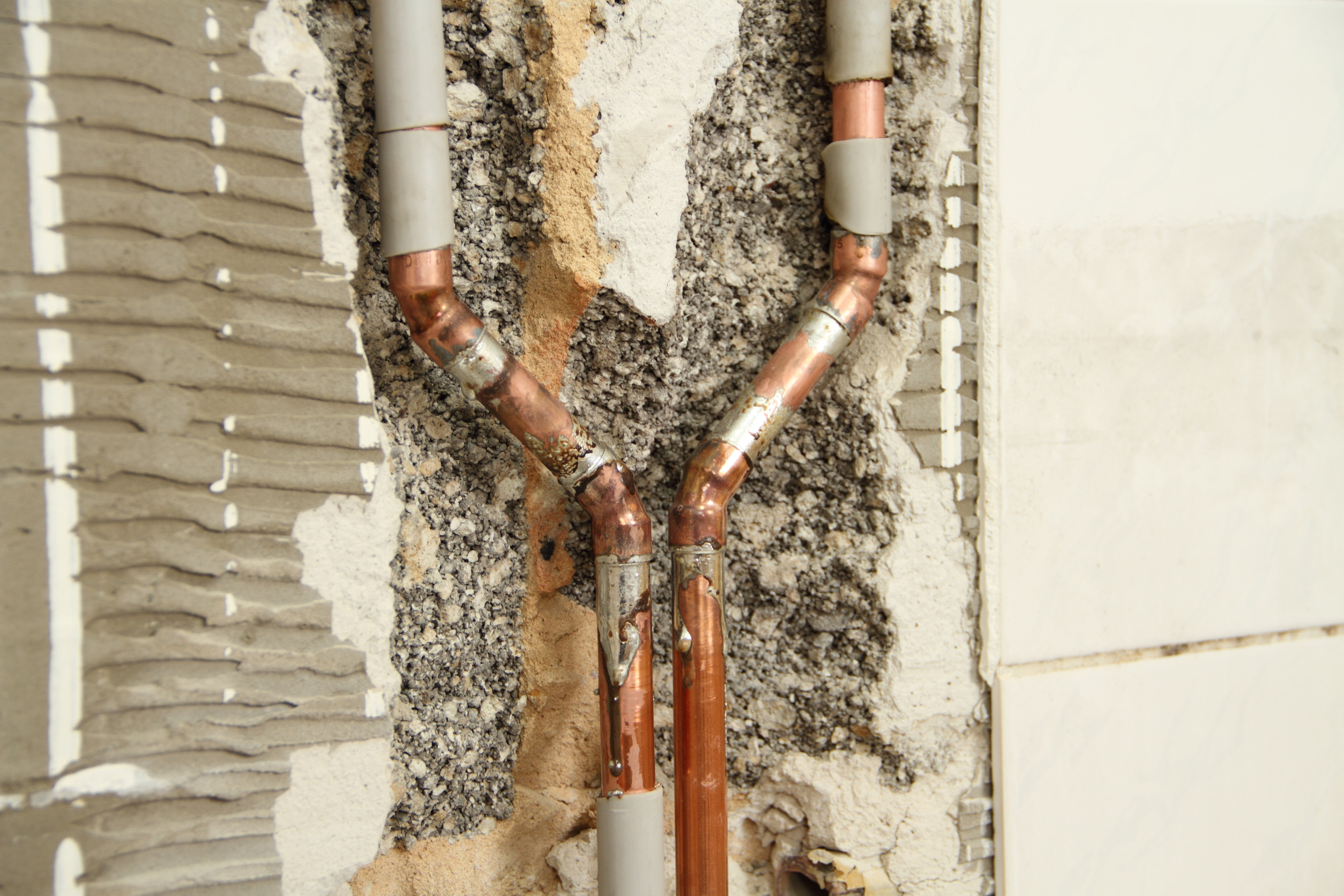
Water damage is one of the most expensive and disruptive problems a homeowner can face. A small leak can quietly soak drywall, weaken flooring, damage cabinets, and promote mold growth long before it is discovered. Burst pipes, overflowing fixtures, appliance failures, and sewer backups can cause sudden damage that requires immediate and costly repairs.
The good news is that most water damage is preventable. With proactive maintenance, early detection, and professional inspections, homeowners can greatly reduce the risk of serious damage. Partnering with experienced professionals like Advanced Heat, AC, & Plumbing gives you access to expert guidance, reliable repairs, and preventive solutions that protect your home and your budget.
This article explains the most common causes of water damage and outlines practical steps you can take to prevent costly repairs before they happen.
Why Water Damage Is So Expensive
Water spreads quickly and affects multiple parts of a home at once. Once moisture penetrates walls, flooring, or structural components, repairs become far more involved.
Water damage often leads to
- Structural wood rot
- Mold and mildew growth
- Electrical hazards
- Ruined drywall and insulation
- Warped flooring
- Damaged cabinets and furniture
- Increased insurance claims
Preventing water damage early helps protect your home’s value and avoids the stress of major restoration projects.
Common Causes of Water Damage in Homes
Understanding where water damage originates makes prevention easier. Most problems stem from plumbing or appliance failures.
Frequent sources of water damage
- Leaking pipes behind walls
- Burst supply lines
- Running or overflowing toilets
- Failed water heaters
- Clogged drains and sewer backups
- Broken washing machine hoses
- Roof or foundation leaks
- Poor drainage around the home
Routine inspections and maintenance through professional plumbing services help identify these risks early.
Preventing Water Damage From Plumbing Leaks
Plumbing leaks are the leading cause of indoor water damage. Many leaks begin slowly and remain hidden until damage becomes visible.
1. Monitor Your Water Bill for Sudden Changes
An unexplained increase in your water bill often signals a hidden leak.
What to watch for
- Gradual monthly increases
- Sudden spikes with no usage changes
- Continuous usage when fixtures are off
Checking your bill regularly helps you catch leaks before they escalate.
2. Inspect Exposed Plumbing Regularly
Visible pipes provide early clues of trouble.
Look for
- Corrosion or rust
- Moisture or condensation
- Mineral buildup
- Cracks or loose fittings
Early repairs prevent leaks from worsening behind walls or under floors.
3. Replace Old Supply Lines
Flexible supply lines that connect sinks, toilets, and appliances can fail without warning.
Best practices
- Replace rubber hoses with braided stainless steel
- Replace aging supply lines every 5 to 10 years
- Check washing machine hoses frequently
These upgrades are inexpensive compared to the damage a burst line can cause.
4. Install Leak Detection Devices
Water leak detectors alert you to moisture before damage spreads.
Leak detectors can be placed
- Under sinks
- Near water heaters
- Behind washing machines
- Around toilets
- In basements
Some systems automatically shut off water when a leak is detected.
Preventing Water Damage From Toilets and Fixtures
Bathrooms are high risk areas due to frequent water use.
5. Address Running Toilets Immediately
A running toilet wastes water and can overflow if components fail.
Signs of a problem
- Constant tank refilling
- Water sounds when not in use
- Weak flushing
Fixing these issues promptly prevents both water waste and damage.
6. Seal and Maintain Fixtures Properly
Caulk and seals around tubs, showers, and sinks degrade over time.
Prevent leaks by
- Replacing cracked caulk
- Resealing grout lines
- Tightening loose fixtures
- Checking drain connections
Even minor gaps allow water to seep into walls and floors.
7. Watch for Soft or Warped Flooring
Soft spots near bathrooms often indicate hidden leaks.
Common causes
- Toilet base leaks
- Shower pan failures
- Drain line leaks
Addressing these signs early prevents subfloor damage.
Preventing Water Damage From Water Heaters
Water heaters store large volumes of water under pressure, making failures especially damaging.
8. Schedule Regular Water Heater Maintenance
Sediment buildup and corrosion weaken tanks over time.
Maintenance helps
- Extend system life
- Detect early signs of failure
- Prevent sudden tank ruptures
Annual inspections are highly recommended.
9. Replace Aging Water Heaters
Most traditional water heaters last 8 to 12 years.
Warning signs of failure
- Rusty water
- Leaking around the base
- Inconsistent hot water
- Rumbling noises
Replacing an aging unit before it fails prevents flooding and water damage.
10. Install a Drain Pan and Shutoff Valve
Drain pans direct leaks away from finished areas. Automatic shutoff valves stop water flow if a leak occurs.
These additions are especially valuable for water heaters located in attics or closets.
Preventing Drain and Sewer Related Water Damage
Blocked drains and sewer backups can cause sudden and severe flooding.
11. Avoid Pouring Grease and Debris Down Drains
Grease hardens inside pipes and causes clogs.
Keep drains clear by avoiding
- Cooking grease
- Coffee grounds
- Food scraps
- Hair buildup
- Non flushable items
Routine drain maintenance helps prevent backups.
12. Schedule Preventive Drain Cleaning
Professional drain cleaning removes buildup before it causes problems.
This is especially important for older homes or properties with mature trees that may invade sewer lines.
13. Install a Backwater Valve
Backwater valves prevent sewage from flowing back into your home during heavy rain or municipal sewer overload.
These devices are a smart investment for homes at lower elevations.
Preventing Water Damage From Weather and External Sources
Not all water damage comes from plumbing inside the home.
14. Maintain Gutters and Downspouts
Clogged gutters allow water to overflow and pool near the foundation.
Maintenance tips
- Clean gutters twice per year
- Extend downspouts away from the home
- Ensure proper drainage slope
This prevents foundation leaks and basement flooding.
15. Insulate Pipes in Cold Weather
Frozen pipes can burst and flood a home quickly.
Protect pipes by
- Insulating exposed pipes
- Sealing air leaks near plumbing
- Keeping interior temperatures stable
If freezing occurs, immediate professional assistance through emergency HVAC and plumbing services can limit damage.
Preventing Water Damage During Home Renovations
Renovations introduce additional plumbing risks.
16. Upgrade Old Pipes During Remodels
When walls are open, it is the best time to replace aging pipes.
This prevents future leaks and avoids tearing into new finishes later.
17. Hire Licensed Professionals
Improper installations increase the risk of leaks.
Working with trained plumbers ensures
- Code compliance
- Proper sealing and connections
- Long term reliability
Professional workmanship protects your investment.
Smart Technology That Helps Prevent Water Damage
Technology now offers powerful tools to protect homes.
18. Smart Water Shutoff Systems
Smart systems monitor water usage and shut off supply when abnormal flow is detected.
Benefits include
- Immediate leak response
- Reduced damage
- Lower insurance risk
These systems provide peace of mind, especially when traveling.
19. Monitor Indoor Humidity
Excess moisture encourages mold growth.
Maintaining humidity between 30 and 50 percent helps prevent moisture related damage and supports indoor air quality.
When to Call a Professional
You should contact a professional immediately if
- You notice water stains or pooling
- Mold or mildew odors persist
- Floors feel soft or warped
- Your water bill increases suddenly
- You hear water running with no fixtures on
- A pipe bursts or a fixture overflows
Prompt service minimizes damage and repair costs.
FAQs About Preventing Water Damage
1. What is the most common cause of water damage?
Plumbing leaks and failed supply lines are the most common causes.
2. Can small leaks really cause major damage?
Yes. Small leaks often cause more damage because they go unnoticed longer.
3. Are leak detectors worth it?
Absolutely. They provide early warnings and prevent extensive damage.
4. How often should plumbing be inspected?
Annual inspections are recommended for most homes.
5. Does insurance cover water damage?
Coverage varies. Preventive maintenance reduces claim risk and costs.
Conclusion
Preventing costly water damage requires awareness, regular maintenance, and proactive upgrades. By monitoring your plumbing system, addressing small issues early, installing protective devices, and working with trusted professionals, you can safeguard your home from leaks, flooding, and long term damage.
For expert plumbing inspections, repairs, and preventive solutions, rely on Advanced Heat, AC, & Plumbing. Their experienced team helps homeowners protect their properties, reduce repair costs, and enjoy peace of mind year round.


