


How to Tell If Your Sewer Line Is Failing
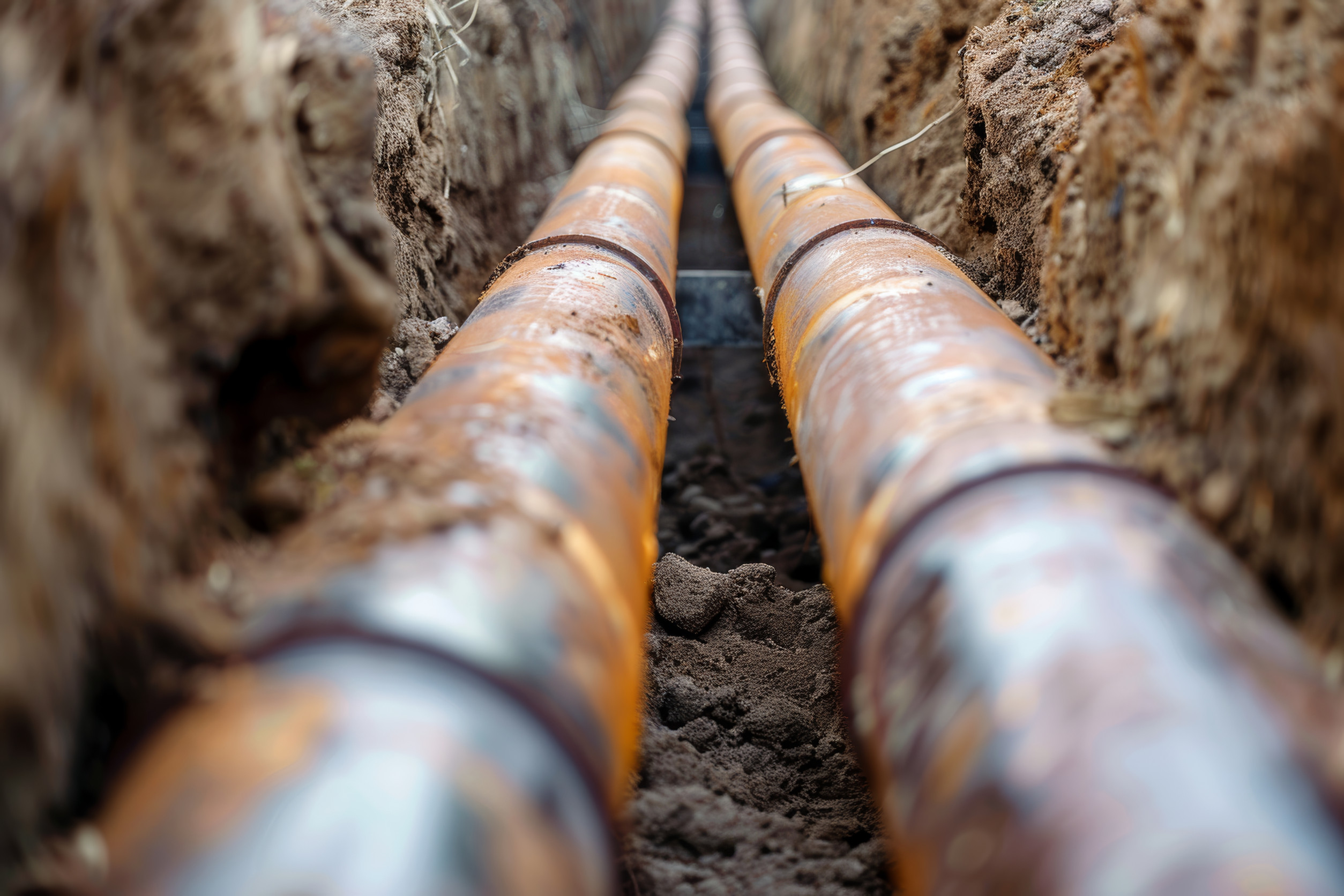
Your sewer line plays a critical role in your home’s plumbing system, quietly carrying wastewater away from your property every day. Because it operates underground and out of sight, sewer line problems often go unnoticed until they become serious and expensive. A failing sewer line can cause sewage backups, foul odors, slow drains, property damage, and serious health hazards if not addressed promptly.
Recognizing the early warning signs of sewer line failure allows homeowners to take action before minor issues turn into major emergencies. With help from experienced professionals like Advanced Heat, AC, & Plumbing, sewer problems can be accurately diagnosed and repaired to protect your home and your family.
This article explains the most common signs of a failing sewer line, what causes sewer damage, and when it is time to call a professional plumber.
What Is a Sewer Line and Why It Matters
The sewer line is the main pipe that carries wastewater from your home to the municipal sewer system or septic tank. It connects all drains, toilets, and plumbing fixtures to the public system. When the sewer line is functioning properly, waste flows smoothly and safely away from your home.
When the sewer line fails, wastewater has nowhere to go. This can result in backups inside the home, damage to floors and walls, contamination, and costly repairs.
Common Causes of Sewer Line Failure
Understanding why sewer lines fail helps homeowners recognize potential risks.
Frequent causes of sewer line damage
- Tree root intrusion
- Aging or corroded pipes
- Ground shifting or soil erosion
- Improper installation
- Grease and debris buildup
- Pipe collapses or cracks
- Heavy vehicle traffic over buried lines
Older homes with clay, cast iron, or Orangeburg pipes are especially vulnerable to sewer line problems.
Early Warning Signs of a Failing Sewer Line
Sewer issues often develop gradually. Paying attention to early symptoms can prevent a full system failure.
Slow Drains Throughout the Home
A single slow drain may indicate a localized clog, but multiple slow drains often point to a sewer line issue.
Red flags include
- Sinks draining slowly in different rooms
- Tubs backing up when toilets flush
- Gurgling sounds from drains
When multiple fixtures are affected, the blockage is likely in the main sewer line.
Frequent or Recurring Drain Clogs
If you experience repeated clogs despite clearing drains, the problem may be deeper in the system.
Signs of sewer related clogs
- Drains clog again shortly after cleaning
- Multiple fixtures clog at once
- Drain cleaners provide only temporary relief
Persistent clogs are a strong indicator that professional inspection is needed.
Sewage Odors Inside or Outside the Home
Sewer gases should remain sealed inside pipes. When a sewer line is damaged or blocked, odors can escape.
Where odors may appear
- Bathrooms
- Basements
- Laundry rooms
- Near floor drains
- In the yard near the sewer line
Sewage odors are not just unpleasant. They may indicate leaks or breaks in the sewer system that require immediate attention.
Gurgling Noises from Toilets or Drains
Strange gurgling sounds occur when air becomes trapped in the plumbing system due to restricted flow.
Common causes of gurgling
- Partial sewer line blockages
- Improper venting
- Collapsing pipes
These sounds often occur after flushing a toilet or running water and should not be ignored.
Sewage Backups in the Home
One of the most serious signs of sewer failure is wastewater backing up into sinks, tubs, or toilets.
Warning signs of a backup
- Water rising in shower drains
- Toilets overflowing without flushing
- Wastewater appearing in floor drains
Sewer backups pose serious health risks and can cause extensive property damage. Immediate professional help is critical.
Unusually Lush or Soggy Areas in the Yard
A leaking sewer line can release nutrient rich wastewater into the soil, causing unusual changes in your yard.
Outdoor signs of sewer problems
- Bright green patches of grass
- Soggy or sunken areas
- Foul odors outside
- Standing water with no clear source
These signs often indicate an underground sewer leak.
Cracks in Foundation or Flooring
Ground movement caused by leaking sewer lines can undermine the soil beneath your home.
Structural warning signs
- Cracks in foundation walls
- Uneven or sinking floors
- Cracked concrete slabs
These issues require immediate evaluation to prevent further damage.
Rodent or Insect Problems
Broken sewer lines can attract pests.
Why pests are drawn to sewer leaks
- Access to moisture
- Organic waste
- Open entry points
An increase in rodents or insects may signal a damaged sewer line.
Older Homes and Sewer Line Risk
Homes built decades ago often have sewer pipes made from materials that degrade over time.
Common older pipe materials
- Clay
- Cast iron
- Orangeburg
These materials are prone to cracking, corrosion, and collapse. Homeowners with older plumbing systems should consider proactive inspections.
How Professionals Diagnose Sewer Line Problems
Sewer line issues cannot be accurately diagnosed without proper tools.
Professional diagnostic methods
- Video camera inspections
- Sewer line pressure testing
- Smoke testing
- Pipe location and depth analysis
Licensed plumbers use these tools to identify the exact location and cause of sewer problems. Accurate diagnosis prevents unnecessary digging and repairs.
Homeowners experiencing sewer symptoms should contact professional plumbing services for proper evaluation.
Common Sewer Line Repair Options
The right repair solution depends on the severity and type of damage.
Typical sewer repair methods
- Mechanical drain cleaning
- Hydro jetting for heavy buildup
- Spot repairs for small sections
- Trenchless sewer line repair
- Full sewer line replacement
Modern trenchless techniques minimize disruption to landscaping and structures.
The Dangers of Ignoring Sewer Line Problems
Delaying sewer repairs often leads to more serious consequences.
Risks of inaction
- Extensive water damage
- Mold growth
- Health hazards from sewage exposure
- Structural foundation damage
- Increased repair costs
Early intervention saves money and protects your home.
Preventing Sewer Line Failure
While some sewer problems are unavoidable, many can be prevented with proper care.
Preventive measures
- Avoid flushing non flushable items
- Do not pour grease down drains
- Schedule routine sewer inspections
- Address slow drains promptly
- Maintain trees away from sewer lines
Preventive maintenance extends the life of your sewer system.
When to Call a Professional Immediately
You should contact a plumber right away if
- Sewage backs up into your home
- You smell strong sewage odors
- Multiple drains are slow or clogged
- Your yard shows signs of leakage
- Gurgling sounds persist
In emergency situations, immediate assistance through emergency plumbing and HVAC support can prevent further damage and contamination.
Sewer Line Problems vs Septic Issues
Homes with septic systems experience similar symptoms but require different solutions.
Septic related warning signs
- Sewage odors near the tank
- Pooling wastewater
- Slow drains throughout the home
Proper diagnosis ensures the correct repair approach.
How Sewer Line Issues Affect Home Value
Sewer problems can significantly impact property value and inspection results.
Buyer concerns include
- Potential health hazards
- Cost of replacement
- Landscaping damage
Resolving sewer issues promptly protects your investment.
FAQs About Sewer Line Failure
1. How long do sewer lines typically last?
Depending on material, sewer lines can last 40 to 100 years.
2. Can tree roots really damage sewer pipes?
Yes. Roots seek moisture and can crack or block sewer lines.
3. Are sewer repairs always disruptive?
No. Trenchless methods often avoid major excavation.
4. Is sewer line replacement expensive?
Costs vary, but early repair is far less expensive than full replacement after collapse.
5. Should I have my sewer line inspected regularly?
Yes. Periodic inspections help catch problems early.
Conclusion
A failing sewer line can cause serious damage, health risks, and costly repairs if left unaddressed. Slow drains, recurring clogs, sewage odors, yard changes, and backups are all warning signs that should never be ignored. Early detection and professional inspection are the keys to protecting your home and plumbing system.
For accurate sewer diagnostics, reliable repairs, and long term solutions, trust the experienced professionals at Advanced Heat, AC, & Plumbing. Their expertise ensures your sewer system functions safely and efficiently, giving you peace of mind year round.


