


Signs Your Home Needs a Water Filtration System
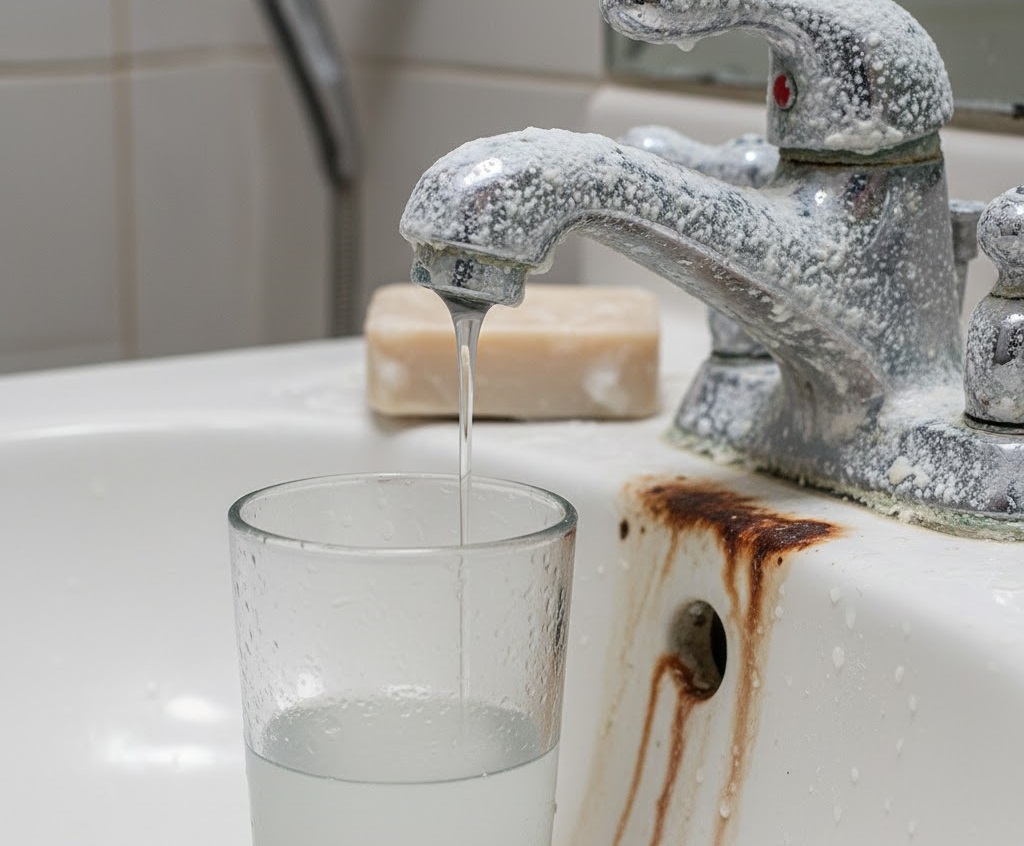
If your tap water tastes off, leaves spots on dishes, or seems to irritate your skin, your home may be telling you something important. Water quality problems are not always obvious, and many of the most damaging issues show up slowly through plumbing wear, appliance breakdowns, and everyday annoyances that feel normal over time. A properly selected water filtration system can improve taste and odor, reduce contaminants, and protect your pipes and fixtures. This guide walks you through the clearest signs your home could benefit from filtration, plus the next steps to take before small problems become expensive ones.
Is your water starting to taste or smell “different”?
One of the earliest clues is a noticeable change in taste or odor. Some homeowners describe it as chlorine-like, metallic, earthy, or slightly sulfuric. Even if the water is technically safe, unpleasant taste or smell can push families toward bottled water, which gets expensive fast.
Common causes include:
- Chlorine or chloramine used for disinfection
- Minerals like iron and manganese
- Organic material and sediment
- Plumbing-related corrosion that affects taste
If taste and odor issues come and go, that is a strong signal to test your water and consider filtration designed for your specific source water. For a deeper look at treatment approaches that target taste, odor, and contaminant reduction, read this guide on improving water quality with filtration and treatment systems.
Are you seeing stains, spots, or buildup on fixtures and dishes?
If you constantly wipe down faucets and still see chalky residue, hard white crust, or orange staining, your water may contain minerals or metals that are leaving deposits behind. This is not only a cosmetic issue. Scale and mineral buildup can reduce flow, clog aerators, and shorten the life of fixtures and appliances.
Watch for:
- White spots on glasses after dishwashing
- Film on shower doors
- Crusty faucet aerators or showerheads
- Orange or brown staining in sinks or tubs
This can point to hard water, high mineral content, or sediment. If you want a quick way to connect household symptoms to water conditions, this article on how to know if you have hard water and what to do about it is a helpful next read.
Does your skin feel dry or your hair feel dull after showers?
Many people assume dry skin is purely a weather or skincare issue, but water quality can contribute. Hard water minerals can make soap less effective, leave residue on skin and hair, and increase irritation for sensitive households.
You might notice:
- Skin that feels tight or itchy after bathing
- Hair that feels stiff, dull, or harder to rinse clean
- Soap and shampoo that do not lather well
- More product usage without better results
A filtration system paired with the right treatment method can reduce the mineral load that leads to soap scum and residue. For many homes, this starts with testing and then choosing the correct combination of treatment, not simply buying a generic filter.
Are your appliances wearing out faster than they should?
Water heaters, dishwashers, washing machines, and coffee makers all suffer when minerals and sediment build up inside. Scale can reduce efficiency, increase energy usage, and contribute to premature failure. If you are repairing or replacing water-using appliances more frequently than expected, water quality should be on your shortlist of causes.
Signs include:
- Water heater takes longer to heat
- Dishwasher performance declines or leaves residue
- Washing machine smells or has buildup
- Ice maker clogs or produces cloudy ice
Filtration at the point of entry can protect not just drinking water, but every appliance in the home. If you want an overview of how whole-home filtration protects fixtures and equipment, check out the benefits of installing a whole house water filtration system.
Do your pipes and fixtures need frequent repairs?
If you are dealing with recurring leaks, failing valves, and constant fixture replacements, you may be seeing the long game of poor water quality. Mineral scale narrows pipes, accelerates wear on seals, and can contribute to higher water pressure stress inside the system.
Common plumbing symptoms connected to water quality:
- Frequent faucet and toilet part replacements
- Reduced water flow at multiple fixtures
- Mineral buildup inside aerators
- Recurring pinhole leaks in older piping
Hard water is a common culprit. If you want the plumbing-focused breakdown of what minerals do to your system over time, read how hard water impacts your plumbing system.
Are your drains clogging more often than normal?
Not all drain clogs come from grease or hair. Water quality can contribute by creating rough surfaces inside pipes where debris sticks more easily. Mineral scale can narrow drain pathways and make buildup happen faster.
If you have:
- Frequent slow drains
- Recurring clogs that return quickly
- Heavy soap scum in tubs and sinks
- A need for repeated drain cleaning
Water treatment may be part of your long-term solution, especially when paired with better habits and professional drain maintenance. This is one reason filtration and treatment planning should look at the entire home, not just what comes out of the kitchen tap.
Do you rely on a private well, or worry about changing local conditions?
Homes on well water often have different concerns than municipal water users. Well water quality can vary season to season and may include sediment, minerals, or microorganisms depending on the source and surrounding conditions. Even municipal water can change as infrastructure ages or treatment approaches shift.
A filtration system is worth considering if:
- Your well water has visible sediment
- You notice seasonal changes in taste or odor
- You have concerns about bacteria or parasites
- Nearby construction or runoff may affect groundwater
In many cases, the best approach is layered treatment such as sediment filtration, carbon filtration, and optionally UV disinfection depending on test results.
Are you buying bottled water, but still using unfiltered tap water everywhere else?
Many households solve taste concerns by buying bottled water, but bottled water only addresses drinking and sometimes cooking. You still bathe in the same water, wash clothes in it, and run it through your water heater and appliances.
A whole-home solution can help if you want:
- Better water from every tap
- Less wear on plumbing and appliances
- Cleaner showers and less residue on fixtures
- Reduced reliance on bottled water
If bottled water is becoming your workaround, it is a strong sign to evaluate a filtration system that improves water across the entire home.
Do you want cleaner drinking water, not just better tasting water?
Some families pursue filtration for peace of mind, especially when they want additional protection against a wide range of contaminants. If your goal is high-purity drinking water for cooking, ice, and beverages, a point-of-use system can be a strong complement to whole-home filtration.
A common option is reverse osmosis at the kitchen sink. It is designed to reduce many dissolved contaminants and improve taste. If you want to understand how these systems work and what maintenance looks like, see this reverse osmosis drinking water guide.
What type of filtration system does your home actually need?
The best filtration system depends on what is in your water, where you want protection, and how much water your home uses. Avoid choosing a system based only on a single symptom. For example, taste and odor issues may be solved with carbon filtration, but hard water scale usually requires softening or scale control.
Common system types and what they help with:
- Sediment filtration for dirt, sand, and rust particles
- Carbon filtration for chlorine taste and odor and many organic compounds
- Water softening or scale control for mineral buildup and soap scum
- Reverse osmosis for purified drinking water at a dedicated tap
- UV disinfection for microorganisms when needed for certain water sources
A professional assessment helps you avoid overspending on the wrong technology and under-solving the real issue.
Start with a real water test, not guesses
The most efficient path is testing first, then treating. A proper test identifies what is actually in your water so your system can be sized and selected correctly. This prevents the common mistake of installing a filter that does not address the real cause, then having the same issues continue.
A strong next step is scheduling a professional water analysis so you can match treatment to your actual water conditions. Once you know what is in your water, it becomes much easier to decide between whole-home filtration, a drinking-water system, or a combination.
Installation and maintenance matter more than most people think
Even the best filtration equipment will disappoint if it is installed incorrectly or maintained inconsistently. Undersized systems can reduce flow. Incorrect placement can limit effectiveness. Skipping filter changes can lead to poor performance and even reintroduce contaminants.
Best practices for lasting results:
- Choose a system sized for your household flow rate
- Install at the correct point of entry or point of use
- Follow a filter replacement schedule
- Re-test periodically if your water source changes
- Keep an eye on pressure changes and flow issues
If you are considering filtration as part of broader home plumbing improvements, working with a trusted provider for plumbing services helps ensure the system performs as intended.
Frequently asked questions
Does every home need a water filtration system?
Not every home needs the same system, but many homes benefit from targeted filtration depending on taste, minerals, plumbing protection goals, and household sensitivity.
Is a whole house system better than an under-sink filter?
They do different jobs. Whole house filtration protects plumbing, appliances, and bathing water. Under-sink systems focus on drinking and cooking water quality. Many homes use both.
How do I know which contaminants I should worry about?
Testing is the answer. It replaces guesswork with data so you can choose treatment that addresses your real conditions.
Will filtration lower my maintenance costs?
In many cases, yes. Reducing sediment and minerals helps protect appliances, reduces scale buildup, and can cut down on repeated fixture and plumbing repairs.
How often do filters need to be replaced?
It depends on the system, the type of filter, and your water conditions. Many whole-home filters are replaced on a schedule such as every six to twelve months, while some drinking-water systems have multiple stages with different replacement timelines.
Conclusion
If you are noticing off tastes, odors, stains, dry skin, recurring clogs, or appliances wearing out too soon, your home is giving you real signals that your water could use help. The smartest approach is to start with testing, then choose filtration and treatment that matches your household needs.
Takeaways:
- Water quality problems show up in comfort, cleaning, plumbing, and appliance performance
- Hard water and sediment can quietly shorten the life of your plumbing system
- Testing first helps you choose the right filtration system and avoid wasted money
If you want clear answers and a system tailored to your home, start with water testing and talk with a local team that can design and install the right solution.


