


Signs Your Tankless Water Heater Needs Service
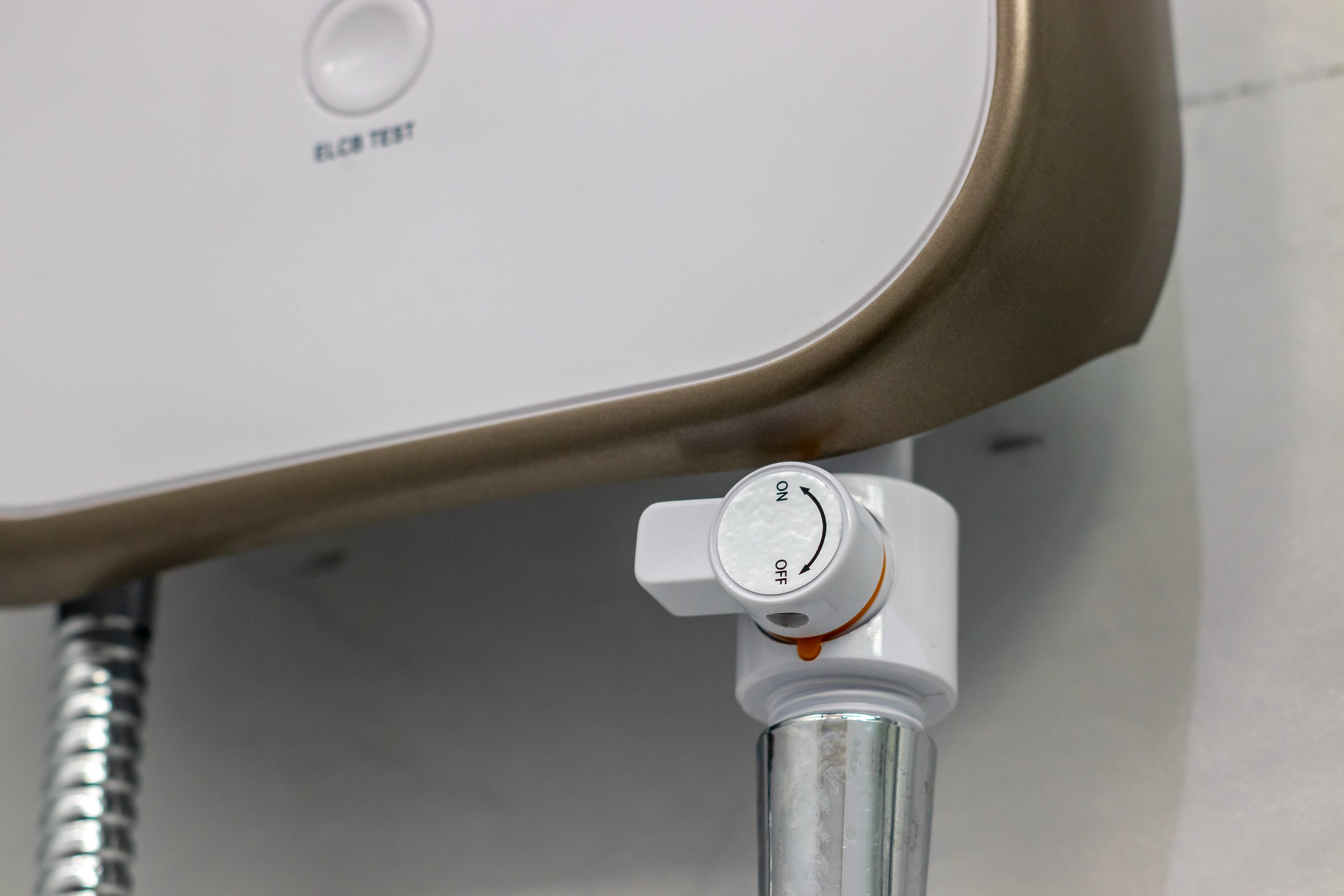
Tankless water heaters are built for efficiency and convenience. They heat water on demand, save space, and can deliver long stretches of hot water when everything is working properly. But like any appliance that handles heat, water flow, and mineral exposure every day, a tankless unit needs routine service to stay reliable. The tricky part is that tankless issues often start small, then snowball into bigger performance problems, error codes, and costly component failures.
This guide breaks down the most common warning signs that your tankless water heater needs professional service, why they happen, and what to do next. You will also learn how water quality affects tankless performance and how regular maintenance can extend the life of your system.
How a Tankless Water Heater Shows It Needs Attention
Tankless units have sensors and safety controls that protect the system, so the symptoms you notice are often the system trying to tell you something is off. Most service issues fall into a few categories:
- Restricted water flow
- Mineral scale buildup on the heat exchanger
- Venting or combustion problems (gas models)
- Ignition or flame sensing issues (gas models)
- Electrical or control board issues
- Water quality problems affecting internal components
A single symptom can have multiple causes, so your goal is to spot patterns early and avoid waiting until the unit shuts down completely.
If you want a maintenance-focused overview that explains what routine care looks like, read tankless water heater maintenance tips for smooth operation.
1. Inconsistent Water Temperature or “Cold Water Sandwich”
One of the most common complaints is hot water that swings from hot to lukewarm, then back to hot. Some homeowners also notice a brief cold burst between hot water draws, often called a cold water sandwich.
Why it happens
- Mineral scale reduces heat transfer, so the unit struggles to maintain a steady output
- A dirty inlet filter limits flow and causes uneven heating
- A failing flow sensor misreads demand
- Gas pressure or combustion issues prevent consistent heating (gas models)
What you can do now
- Note when it happens: one fixture or the whole home
- Pay attention to whether it is worse during high demand, like showers and laundry at once
- Check if you are getting the same issue with different faucets
If the temperature swings are frequent, schedule service before the problem escalates into a shutdown or repeated error codes.
2. Reduced Hot Water Pressure
Tankless systems rely on proper flow to activate and heat water efficiently. When hot water pressure drops, it is often a warning that internal restriction is building.
Common causes
- Clogged cold-water inlet screen filter
- Scale buildup in the heat exchanger
- Partially closed isolation valves
- A recirculation system issue (if installed)
Why this matters
Low hot water pressure is not just annoying. It can force the unit to work harder, cycle more often, and wear out components faster. It also tends to get worse over time, especially in areas with hard water.
If you suspect water quality is contributing to low flow and scale, consider scheduling a professional water analysis service to identify mineral levels and treatment options that protect your system long term.
3. Unusual Noises Like Rattling, Rumbling, or Whining
Tankless units are usually quiet. If you start hearing new sounds, take it seriously.
What different sounds can mean
- Light ticking: normal expansion and contraction during heating, especially at startup
- Rumbling or popping: mineral scale causing hot spots on the heat exchanger
- Whining: fan or motor strain (often venting related on gas units)
- Vibrating or rattling: loose mounting, fan imbalance, or airflow restriction
Why noises often point to scale
When scale builds up, it insulates parts of the heat exchanger. The unit compensates by heating harder in spots, which can create hot spots, stress metal surfaces, and cause noisy operation. In time, scale can lead to overheating and component failure.
If your unit has never been flushed or it has been more than a year, this is a strong sign it is time for service. A helpful primer is tankless water heater flushes are a must for optimal performance.
4. Error Codes or Warning Lights
Tankless water heaters are smart systems. When something falls outside safe operating conditions, you will often see an error code.
What error codes usually indicate
- Flame failure or ignition problems (gas units)
- Venting or airflow restriction
- Overheating from scale or restricted flow
- Sensor faults or wiring issues
- Gas pressure irregularities
What to do when an error code appears
- Write down the exact code
- Note what was happening at the time, such as showering, running laundry, or using multiple fixtures
- Avoid repeatedly resetting the unit without addressing the cause
A reset can clear a temporary condition, but repeated error codes usually mean the system needs service to correct airflow, combustion, or scaling issues.
5. The Unit Shuts Off Mid-Use
Few things are more frustrating than a shower that suddenly goes cold. Mid-use shutdowns are often triggered by safety protections and should not be ignored.
Likely causes
- Overheating due to scale buildup
- Venting obstruction causing poor combustion air or exhaust flow
- Flame sensing issues that cause the unit to cut gas supply
- Electrical instability or control board problems
- Flow drops below the activation threshold because of restricted plumbing or clogged filter
Why this is urgent
Intermittent shutdowns tend to become more frequent. They also increase wear because the unit is cycling under stress conditions. Getting service early can prevent damage to high-cost parts like the heat exchanger.
If you are unsure whether your symptoms suggest repair or replacement, this resource on signs your water heater needs repair and when to replace it offers a helpful framework.
6. Water Takes Longer to Get Hot Than It Used To
Tankless systems are often marketed as “instant,” but in real homes, hot water delivery depends on distance, plumbing layout, and whether you have recirculation. If your wait time suddenly increases, it can be a sign of developing issues.
Possible explanations
- Flow restriction from scale or debris reduces heating performance
- A recirculation pump or valve is malfunctioning (if you have one)
- A sensor is misreading demand, delaying activation
- Someone adjusted settings or valves without realizing the impact
A longer wait time does not always mean the unit is failing, but if it is paired with temperature swings or low flow, service is recommended.
7. You Notice Rusty, Cloudy, or Gritty Water at Hot Taps
Tankless units do not store water like tank models, so discolored water can feel surprising. It can still happen, and it often points to mineral or sediment issues.
What it may indicate
- Sediment in the plumbing system or on the cold-water side feeding the unit
- Corrosion in older pipes that becomes more noticeable with hot water
- Debris collecting in the unit’s inlet screen filter
- Water quality changes in the area
Discolored water is a reason to investigate, especially if it appears only on the hot side.
8. Your Energy Bills Rise Without a Clear Explanation
Tankless heaters are efficient, but efficiency depends on clean heat transfer, proper combustion, and correct flow rates. When scale builds up or components strain, the system may use more energy to produce the same comfort.
Common reasons for reduced efficiency
- Scale buildup acts like insulation on the heat exchanger
- The unit cycles more often due to flow inconsistency
- Gas models may burn less efficiently due to venting or burner issues
- Temperature settings are higher than needed
A service visit can restore performance by flushing scale, cleaning filters, and confirming combustion and venting are operating correctly.
9. The System Is Due for Routine Maintenance
Sometimes the biggest sign is simply time. Many tankless systems need periodic service, especially in areas with hard water.
Maintenance tasks that keep tankless systems reliable
- Flushing the heat exchanger to remove mineral buildup
- Cleaning the inlet screen filter
- Inspecting venting and combustion components on gas units
- Checking sensors and connections
- Confirming safe gas pressure and proper operation (gas units)
If you want to understand why maintenance matters so much for tankless longevity, this guide on the importance of tankless water heater maintenance explains why routine service improves efficiency and reduces repair risk.
10. You Smell Gas, See Soot, or Notice Venting Problems
This section applies primarily to gas tankless water heaters. If you smell gas, take it seriously and prioritize safety.
Warning signs that require immediate attention
- Gas odor near the unit
- Soot buildup or dark staining around vents
- Frequent ignition failures
- Unusual exhaust smells
- Condensation issues that appear new or excessive
What to do
- If you suspect a gas leak, leave the area and follow local safety guidance
- Do not ignore soot or venting symptoms, as they can indicate unsafe combustion conditions
- Schedule professional service as soon as possible
Because combustion and venting involve safety, this is not a DIY troubleshooting situation.
A Quick Self-Check Homeowners Can Do Safely
There are a few low-risk checks you can do before calling for service. These do not replace a professional inspection, but they can help you describe the problem clearly.
Safe checks
- Look for obvious leaks around valves and connections
- Check whether the unit displays a code and write it down
- Confirm the area around the unit is clear and not blocking airflow
- Note whether problems happen at one fixture or multiple
- Pay attention to whether the issue is tied to high-demand times
Avoid disassembling the unit, adjusting gas components, or repeatedly forcing resets if the unit is shutting down.
Why Water Quality Has a Huge Impact on Tankless Systems
Tankless water heaters are especially sensitive to mineral content because they heat water through narrow passages in a heat exchanger. Hard water can deposit scale in those pathways, which:
- Restricts flow
- Causes overheating and error codes
- Reduces efficiency
- Shortens component life
Even households that do not consider themselves “hard water homes” can experience scale depending on local conditions. That is why many homeowners benefit from testing and targeted water treatment, especially when a unit shows early scaling symptoms.
When Service Becomes Repair, and When Replacement Makes More Sense
Not every service call is a repair, but routine service can reveal wear that needs attention.
Service is often enough when
- The unit needs a flush and filter cleaning
- Sensors are dirty or slightly out of calibration
- Minor adjustments restore normal operation
- There are no signs of internal component damage
Repair is more likely when
- Error codes repeat after flushing and cleaning
- Ignition components fail (gas units)
- Sensors or control boards malfunction
- Leaks develop inside the unit
- The heat exchanger is damaged
Replacement may be the smart choice when
- The unit is older and has frequent, costly repairs
- The heat exchanger is compromised
- Efficiency has dropped significantly
- Your household needs have changed and the unit is undersized
If you are considering an upgrade or a new system, you can explore options through tankless water heater installation in Knoxville to compare what a modern setup can do for your home.
How Annual Service Protects Your Warranty and Your Investment
Many manufacturers expect routine maintenance, especially flushing, to keep the system operating properly. Annual service helps you:
- Reduce unexpected breakdowns
- Maintain efficiency
- Extend the life of the heat exchanger
- Catch small problems before they become expensive repairs
- Keep documentation of care if warranty questions arise
Even if your unit seems fine today, routine service is often the best way to avoid the day when it suddenly is not.
When to Call a Professional Plumber for Tankless Service
You should schedule service if you notice:
- Temperature swings or intermittent hot water
- Reduced hot water pressure
- Unusual noises
- Error codes or shutdowns
- Rising energy bills with no other cause
- Discolored hot water
- Any gas or venting concerns
If you want an expert team to diagnose, flush, and service your system properly, start with water heater installation and service support and schedule an evaluation that fits your system and your household demand.
Conclusion
Tankless water heaters are reliable when maintained, but they are not set-and-forget appliances. The most common signs your tankless water heater needs service include inconsistent temperature, reduced hot water pressure, unusual noises, repeated error codes, mid-use shutdowns, longer wait times for hot water, and rising energy bills. In many cases, these symptoms point to scale buildup, restricted flow, or maintenance that is overdue.
The best approach is simple: act early. A routine flush, filter cleaning, and professional inspection can restore performance, prevent expensive failures, and keep your hot water dependable year-round. If your unit is showing any of the warning signs above, scheduling service now is the easiest way to avoid bigger problems later.


