


Solutions for Reducing Allergens and Pollutants in Your Home
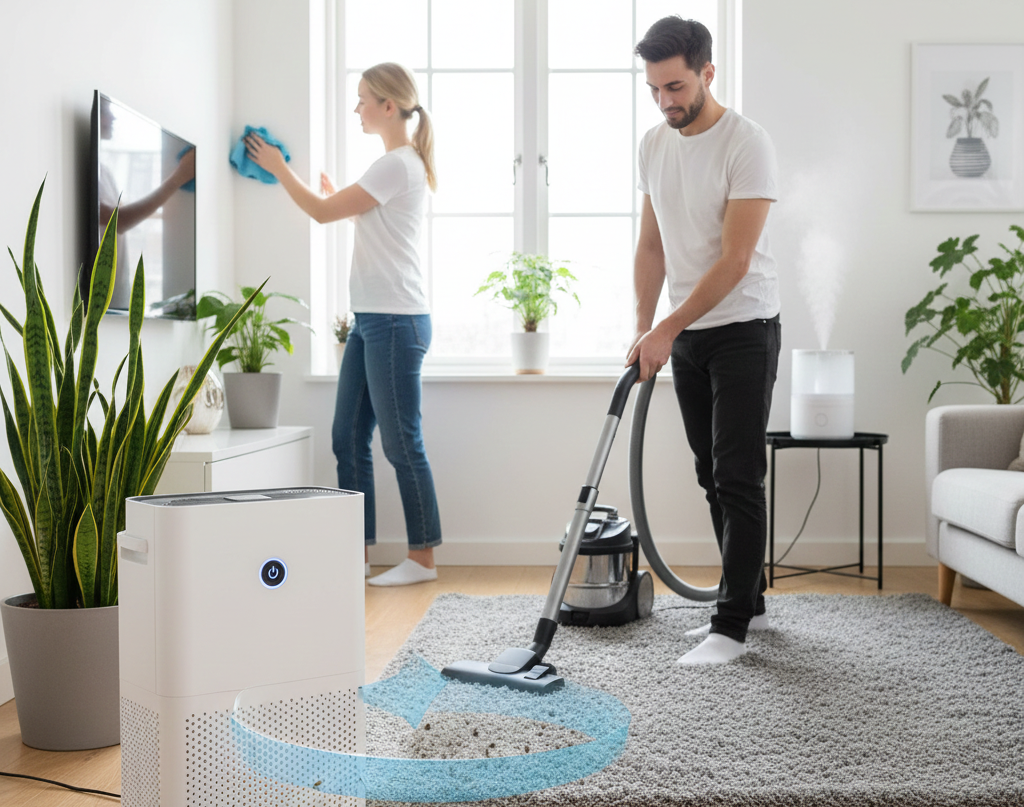
Allergens and pollutants can quietly affect the comfort, health, and overall quality of life inside your home. From pollen and dust to mold, smoke, pet dander, and volatile organic compounds, indoor air can become filled with contaminants that irritate the respiratory system, trigger allergies, and worsen asthma symptoms. Because modern homes are built to be tightly sealed for better energy efficiency, these pollutants often become trapped indoors, recirculating through your HVAC system and settling on surfaces.
Fortunately, there are proven strategies to reduce allergens and pollutants and significantly improve your indoor air quality. Many homeowners turn to air filtration, ventilation upgrades, duct improvements, and professional HVAC services such as those offered by Advanced Heat, AC, & Plumbing to create a cleaner, healthier living environment.
This comprehensive guide explains the most effective solutions for removing allergens and pollutants from your home, along with practical tips and professional recommendations.
Understanding Indoor Allergens and Pollutants
To eliminate indoor air contaminants, you first need to understand what you are dealing with. Indoor pollutants come from both outdoor sources and everyday activities within your home.
Common indoor allergens and pollutants include
- Dust and dust mites
- Pet hair and dander
- Pollen
- Mold and mildew
- Smoke particles
- Bacteria and viruses
- Cleaning chemical fumes
- Cooking grease and vapors
- VOCs from paint, furniture, and carpets
- Pest debris
- Humidity related contaminants
These particles affect indoor air quality and can lead to headaches, respiratory irritation, fatigue, sinus problems, and worsening allergy symptoms. Reducing their presence starts with controlling how they enter your home and how they circulate.
Improve HVAC Filtration and Air Cleaning
Your HVAC system is the heart of your home’s air circulation. A significant portion of indoor allergens recirculate through this system daily, which means improving HVAC filtration is one of the most effective ways to reduce pollutants.
1. Upgrade to High Quality HVAC Filters
Standard filters capture only large particles like hair and dust. Upgrading to a higher efficiency filter allows your system to trap smaller, more harmful particles.
Consider upgrading to
- Pleated filters with higher MERV ratings
- Media filters
- Electrostatic filters
High efficiency filters improve indoor air quality by reducing airborne allergens, dust, and microorganisms. To keep your HVAC running smoothly, regular filter changes should be performed and can be incorporated into preventive maintenance services.
2. Install a Whole House Air Purifier
Whole home air purifiers integrate with your HVAC system and offer advanced purification that portable units cannot match.
Whole home systems can remove
- Mold spores
- Pollen
- Bacteria and viruses
- Fine dust
- Odors and VOCs
They use technologies such as HEPA filtration, UV light purification, or activated carbon to clean the air throughout your home. A professional can assess which system best fits your home’s HVAC setup.
3. Clean and Seal Your Air Ducts
Dirty air ducts can harbor dust, mold, and debris, distributing pollutants into every room. If your ducts have leaks, they can also draw contaminants from attics, crawl spaces, or walls.
Signs your ducts need attention
- Visible dust around vents
- Musty odors when the HVAC runs
- Uneven airflow
- Allergy symptoms that worsen indoors
Duct cleaning and sealing improve air quality and HVAC performance. If ducts are damaged or your home has unique heating and cooling needs, consider whether a ductless solution such as mini split systems might improve comfort and air quality.
4. Repair or Upgrade Your HVAC System
If your HVAC equipment is aging, it may not effectively control humidity or filter air. Older systems are more likely to have dust buildup, weak airflow, and inefficiencies.
Professional diagnosis through HVAC repair services can identify performance issues impacting indoor air quality. In some cases, upgrading to a newer, more efficient system may be the best long term solution.
Improve Ventilation in Your Home
Proper ventilation helps reduce contaminants by replacing stale indoor air with fresh outdoor air. Modern homes often lack good natural ventilation due to tight construction, which is great for energy savings but problematic for indoor air quality.
5. Use Kitchen and Bathroom Exhaust Fans
Cooking and showering release moisture, grease, and fumes into the air. If these pollutants are not exhausted outdoors, they can contribute to mold growth and poor air quality.
Best practices
- Run your kitchen fan whenever cooking
- Use bathroom fans during and after showers
- Clean fan covers regularly to maintain airflow
These simple steps help prevent moisture and odor related pollution.
6. Open Windows When Weather Permits
Even a few minutes of natural ventilation can refresh your home’s air. This is especially helpful when painting, cleaning with chemicals, or cooking strong smelling foods.
If your home lacks adequate natural ventilation, an HVAC specialist can help you explore options for mechanical ventilation or fresh air intake systems.
7. Reduce Indoor Humidity
Excess humidity encourages mold growth and dust mites. Maintaining humidity between 30 and 50 percent helps keep allergens under control.
Tips for humidity control
- Use exhaust fans
- Run a dehumidifier in damp areas
- Fix water leaks quickly
- Ensure proper HVAC performance
If humidity issues persist, your HVAC system may need evaluation or upgrades which can be handled through professional HVAC services.
Limit Allergen Sources Inside the Home
Reducing pollutants at the source is one of the most effective allergy management strategies.
8. Create a Cleaning Routine
Regular cleaning helps prevent allergens from accumulating.
Focus on areas such as
- Carpets and rugs
- Upholstery
- Bedding
- Curtains
- Vents and registers
- Shelving and tabletops
Vacuum often using a vacuum with a HEPA filter to prevent dust from being released back into the air.
9. Wash Bedding Weekly
Dust mites thrive in bedding. Hot water washing removes mites and their waste, which can irritate allergies and asthma.
10. Groom Pets and Reduce Dander
Pet dander is one of the most common indoor allergens. Even hypoallergenic breeds produce some level of dander.
Reduce pet allergens by
- Brushing and bathing pets regularly
- Keeping pets out of bedrooms
- Using washable slipcovers on furniture
- Changing air filters more frequently
Homes with pets benefit significantly from improved HVAC filtration and air purification.
11. Store Chemicals Properly
Household cleaners, paints, solvents, and aerosols can release harmful VOCs into the air. Store them in well ventilated areas and avoid overuse indoors.
When working on home improvement tasks, always ventilate the area by opening windows or running fans.
Control Moisture to Prevent Mold
Mold spores are potent allergens that can grow anywhere moisture accumulates. Preventing mold growth is essential for protecting indoor air quality.
12. Fix Plumbing Leaks Quickly
Even minor plumbing leaks can lead to mold growth behind walls or under flooring. If you notice leaks or moisture issues, scheduling an evaluation with professional plumbing services helps address problems before they worsen.
13. Improve Bathroom and Kitchen Ventilation
These rooms produce significant moisture. Adequate ventilation and regular cleaning help prevent mold buildup.
14. Use a Dehumidifier in Damp Areas
Basements, laundry rooms, and crawl spaces often trap moisture. A dehumidifier can help maintain safe humidity levels.
Upgrade Home Filtration and Purification Systems
Cleaner air begins with better filtration and purification. Modern air cleaning systems are efficient, effective, and designed to handle a wide range of pollutants.
15. Install a Whole Home Dehumidifier or Air Cleaner
If your home struggles with moisture, dust, odors, or allergens, upgrading filtration may be the best long term solution. These systems integrate seamlessly into HVAC equipment and purify all circulating air.
HVAC technicians can recommend the best system based on your concerns, home size, and air quality goals. Some homeowners choose to pair purification with enhanced HVAC reliability through emergency ready HVAC support for added peace of mind.
When to Call a Professional
Some air quality solutions require expert help. You should call a professional when
- Allergies or asthma worsen inside your home
- You notice musty or moldy smells
- HVAC performance declines
- Dust levels increase despite cleaning
- You see debris around vents
- Your home has persistent humidity issues
- You suspect mold inside ductwork
Professionals can diagnose the source of pollutants, assess your HVAC system, and recommend solutions that provide long lasting improvements.
FAQs About Reducing Allergens and Pollutants
1. What is the biggest source of indoor allergens?
Dust mites, pollen, and pet dander are the most common household allergens.
2. How often should I replace air filters?
Most homeowners should replace filters every one to three months depending on pets, allergies, and system use.
3. Do air purifiers help with allergies?
Yes. Whole house air purifiers significantly reduce airborne allergens and improve respiratory comfort.
4. Does humidity affect air quality?
Yes. High humidity encourages mold and dust mites, while low humidity increases irritation.
5. Can duct cleaning reduce allergens?
Absolutely. Clean ducts help remove built up dust, debris, and mold spores.
Conclusion
Reducing allergens and pollutants in your home is essential for creating a healthy, comfortable living environment. By upgrading HVAC filtration, improving ventilation, controlling humidity, cleaning regularly, and addressing plumbing or moisture concerns promptly, you can dramatically improve indoor air quality.
Professional HVAC and plumbing services from Advanced Heat, AC, & Plumbing offer reliable solutions for managing allergens and pollutants throughout your home. With expert guidance and high quality systems, your home can become a cleaner, fresher, and healthier place for you and your family.


