


The Risks of Ignoring Slow Draining Fixtures
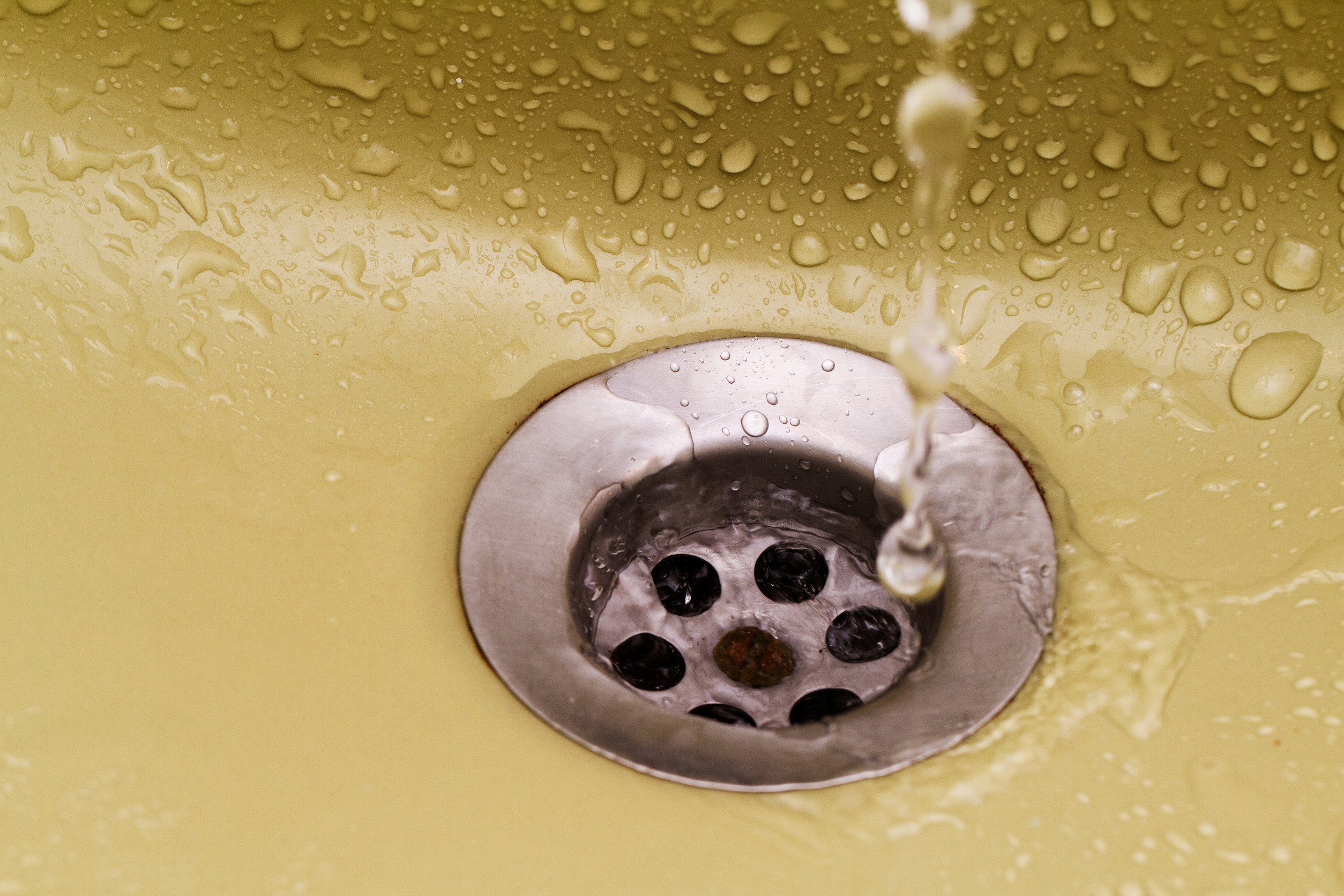
A slow draining sink, tub, or shower often seems like a minor inconvenience. Many homeowners assume it is simply an annoyance they can deal with later. However, slow drains are rarely harmless. In most cases, they are early warning signs of deeper plumbing problems that can worsen over time. What begins as sluggish drainage can quickly turn into stubborn clogs, sewage backups, water damage, and expensive repairs if left unaddressed.
Slow drains indicate restricted water flow somewhere in the plumbing system. The cause may be as simple as soap buildup or as serious as a damaged sewer line. Addressing the issue early helps prevent structural damage, health risks, and costly emergency repairs. With help from experienced professionals at Advanced Heat, AC, & Plumbing, homeowners can identify the cause of slow drains and protect their plumbing system before serious problems develop.
This article explains why slow draining fixtures should never be ignored, the risks they pose, and what steps you can take to prevent major plumbing failures.
What Causes Slow Draining Fixtures
Understanding what leads to slow drains helps homeowners recognize when a simple fix is no longer enough. Most slow drains result from buildup inside pipes or problems further down the plumbing system.
Common causes of slow drains
- Soap residue and grease buildup
- Hair accumulation in bathroom drains
- Food particles in kitchen sinks
- Mineral deposits from hard water
- Foreign objects flushed or washed down drains
- Tree root intrusion in sewer lines
- Collapsed or corroded pipes
While some causes are localized to a single fixture, others affect the entire plumbing system.
Why Slow Drains Are a Warning Sign
Slow drains do not happen overnight. They develop gradually as material builds up inside pipes or as damage worsens. This makes them one of the earliest indicators of plumbing trouble.
Slow drains often signal
- Partial blockages forming
- Pipe narrowing due to scale or corrosion
- Venting issues
- Sewer line problems
- Improper pipe slope
Ignoring these signs allows pressure and debris to build until water flow becomes fully blocked.
Risk 1: Complete Drain Blockages
One of the most immediate risks of ignoring slow drains is a full clog. Partial blockages restrict water flow but still allow drainage. Over time, debris continues accumulating until the pipe is completely blocked.
Consequences of full blockages
- Water backing up into sinks or tubs
- Toilets overflowing
- Wastewater pooling on floors
- Inability to use plumbing fixtures
Complete blockages often require professional intervention, especially when they occur deep within the plumbing system.
Risk 2: Sewer Line Backups
Slow drains affecting multiple fixtures are often a sign of sewer line problems. When the main sewer line becomes partially blocked, wastewater has nowhere to go.
Warning signs of sewer issues
- Multiple slow drains throughout the home
- Gurgling sounds from toilets or sinks
- Sewage odors indoors
- Water backing up in lower level drains
Sewer backups pose serious health risks and often cause extensive property damage. Early intervention can prevent this scenario.
Risk 3: Water Damage to Your Home
When drains cannot handle normal water flow, water can escape into areas where it does not belong.
Water damage from slow drains may include
- Overflowing tubs or sinks
- Water seeping under flooring
- Damage to cabinets and drywall
- Mold growth behind walls
Even small overflows can saturate building materials and lead to costly repairs if not addressed promptly.
Risk 4: Mold and Mildew Growth
Moisture trapped in pipes, cabinets, and walls creates ideal conditions for mold and mildew. Slow drains often cause standing water or dampness that goes unnoticed.
Health risks associated with mold
- Allergy flare ups
- Respiratory irritation
- Headaches and fatigue
- Asthma complications
Once mold takes hold, remediation becomes far more expensive than preventing the moisture issue in the first place.
Risk 5: Increased Pressure on Plumbing Pipes
Restricted drainage forces water to move more slowly through pipes. This creates pressure buildup that stresses joints, fittings, and seals.
Long term effects of pipe stress
- Cracked pipes
- Loose connections
- Leaks behind walls
- Premature pipe failure
This is especially concerning in older homes with aging plumbing systems.
Risk 6: Damage to Plumbing Fixtures
Slow drains cause water to linger in sinks, tubs, and showers. Prolonged exposure to standing water accelerates wear on fixtures.
Fixture damage may include
- Corrosion of metal components
- Staining and mineral buildup
- Deterioration of seals and gaskets
- Reduced fixture lifespan
Replacing fixtures is far more expensive than addressing drainage problems early.
Risk 7: Foul Odors in the Home
Clogs trap organic material inside pipes, which begins to decompose over time. This leads to unpleasant odors that travel back through drains.
Common odor sources
- Rotting food debris
- Hair and soap buildup
- Grease deposits
- Bacterial growth
Persistent odors often indicate deeper issues that simple drain cleaners cannot resolve.
Risk 8: Health Hazards from Bacteria and Sewage
Slow drains allow bacteria to thrive in stagnant water. If sewage backs up, harmful pathogens can enter living spaces.
Potential health concerns
- Gastrointestinal illness
- Skin infections
- Respiratory problems
- Exposure to harmful bacteria
Protecting your family’s health requires addressing drainage issues before they escalate.
Why Chemical Drain Cleaners Can Make Things Worse
Many homeowners turn to chemical drain cleaners as a quick fix. While these products may temporarily improve drainage, they often cause more harm than good.
Problems with chemical cleaners
- Damage to pipe interiors
- Increased corrosion
- Incomplete clog removal
- Harmful fumes and residue
Professional drain cleaning is safer and more effective for long term solutions.
How Professionals Diagnose Slow Drains
Licensed plumbers use specialized tools to identify the true cause of slow drainage.
Diagnostic methods include
- Camera inspections of drain lines
- Pipe pressure testing
- Drain flow analysis
- Sewer line inspections
Accurate diagnosis ensures the correct repair approach and prevents recurring problems. Homeowners seeking thorough evaluations often rely on professional plumbing services to address slow drains properly.
Preventive Drain Cleaning and Maintenance
Routine drain maintenance helps prevent buildup before it restricts flow.
Preventive steps include
- Professional drain cleaning
- Avoiding grease and debris disposal
- Installing drain strainers
- Flushing drains with hot water periodically
Preventive care is far more affordable than emergency plumbing repairs.
When Slow Drains Signal Sewer Line Problems
If multiple drains are slow or backing up simultaneously, the issue likely lies in the main sewer line.
Causes of sewer line issues
- Tree root intrusion
- Collapsed or offset pipes
- Heavy grease buildup
- Pipe corrosion
Advanced techniques such as hydro jetting or trenchless repair may be required to restore proper flow.
How Water Quality Affects Drain Performance
Hard water contributes to mineral scale buildup inside pipes, narrowing their diameter over time.
Effects of hard water on drains
- Reduced pipe capacity
- Increased clog frequency
- Accelerated pipe wear
Water testing and treatment options identified through professional water analysis services can help protect plumbing systems from mineral damage.
Preventing Slow Drains in Everyday Use
Homeowners can take simple steps to reduce the risk of slow drains.
Best practices
- Avoid flushing non flushable items
- Use sink strainers
- Dispose of grease properly
- Clean drains regularly
- Schedule annual plumbing inspections
Small habits make a significant difference in long term plumbing health.
When to Call a Professional Plumber
You should seek professional help if
- Drains remain slow after basic cleaning
- Multiple fixtures are affected
- You hear gurgling sounds
- Odors persist
- Water backs up unexpectedly
Prompt service prevents emergency situations and costly damage. In urgent cases, immediate assistance through emergency HVAC and plumbing support can limit water damage and restore safe conditions.
How Slow Drains Can Impact Property Value
Persistent plumbing issues can affect a home’s resale value. Buyers are often wary of properties with drainage problems due to the risk of hidden damage.
Maintaining properly functioning drains protects your investment and avoids red flags during inspections.
FAQs About Slow Draining Fixtures
1. Are slow drains always caused by clogs?
Not always. Pipe damage, venting issues, or sewer line problems can also cause slow drainage.
2. Can slow drains cause pipe leaks?
Yes. Increased pressure from blockages can lead to leaks or pipe failure.
3. How often should drains be professionally cleaned?
Most homes benefit from professional drain cleaning every one to two years.
4. Is one slow drain a serious concern?
A single slow drain may indicate a localized issue, but it should still be addressed promptly.
5. Can slow drains lead to mold growth?
Yes. Standing water and moisture create ideal conditions for mold and mildew.
Conclusion
Slow draining fixtures are more than a nuisance. They are early warning signs of plumbing problems that can lead to severe damage if ignored. From full blockages and sewer backups to water damage, mold growth, and health risks, the consequences of inaction can be costly. Addressing slow drains early through professional inspection and maintenance protects your plumbing system and your home.
For reliable drain diagnostics, preventive cleaning, and expert repairs, trust the experienced plumbers at Advanced Heat, AC, & Plumbing. Their professional services help keep your drains flowing freely and your home protected from costly plumbing emergencies.


