


What Causes Low Water Pressure and How to Fix It
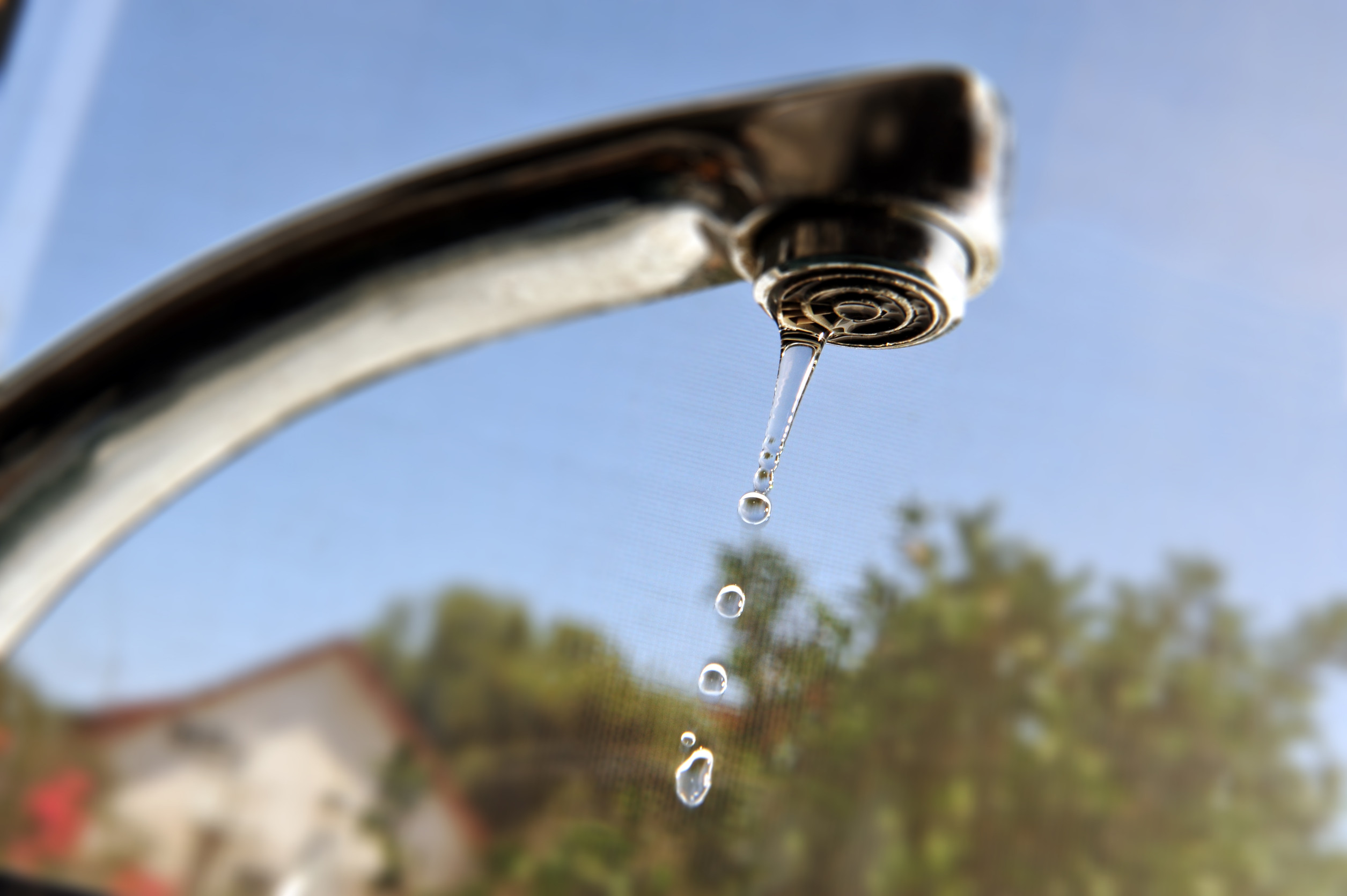
Low water pressure can turn everyday tasks into frustrating chores. A weak shower, slow filling sinks, or appliances that take forever to run are all signs that something is restricting water flow in your home. While low water pressure may seem like a minor inconvenience, it often points to underlying plumbing issues that can worsen if left unresolved. In some cases, low pressure may even signal leaks, corrosion, or failing pipes that require immediate attention.
Understanding what causes low water pressure allows homeowners to take the right steps toward a solution. Some issues are simple and easy to fix, while others require professional diagnosis and repair. With guidance from experienced professionals like Advanced Heat, AC, & Plumbing, homeowners can restore proper water pressure and protect their plumbing system from long term damage.
This article explores the most common causes of low water pressure, how to identify the source, and the best solutions to restore consistent and reliable water flow.
What Is Considered Low Water Pressure
Water pressure is measured in pounds per square inch. Most homes function best with water pressure between 40 and 60 PSI. When pressure drops below this range, fixtures may struggle to deliver adequate flow.
Common signs of low water pressure
- Weak shower spray
- Slow filling sinks or tubs
- Appliances taking longer to operate
- Multiple fixtures losing pressure at once
- Inconsistent water flow
Identifying when pressure changes and where it occurs helps narrow down the cause.
Common Causes of Low Water Pressure
Low water pressure can originate from several sources, ranging from fixture level problems to issues with the main water supply.
Clogged Faucet Aerators and Showerheads
One of the simplest and most common causes of low water pressure is clogged aerators or showerheads.
Why clogs occur
- Mineral buildup from hard water
- Sediment from pipes
- Debris trapped in screens
When minerals accumulate, they restrict water flow at the fixture. Cleaning or replacing the aerator often restores pressure quickly.
Partially Closed Shutoff Valves
Every home has shutoff valves that control water flow. If these valves are not fully open, water pressure can drop significantly.
Valves to check
- Main water shutoff valve
- Water meter valve
- Individual fixture shutoff valves
Valves may be partially closed after repairs or maintenance. Ensuring they are fully open can resolve pressure issues instantly.
Leaking Pipes
Leaks reduce the amount of water reaching your fixtures. Even small leaks behind walls or under floors can cause noticeable pressure loss.
Signs of leaking pipes
- Unexplained increase in water bills
- Damp spots on walls or ceilings
- Mold or mildew odors
- Sounds of running water
Hidden leaks should be addressed promptly through professional plumbing services to prevent further damage.
Corroded or Aging Pipes
Older homes often have galvanized steel or aging copper pipes that corrode over time. Corrosion narrows the pipe interior, reducing water flow.
Symptoms of pipe corrosion
- Gradual pressure loss over time
- Discolored water
- Frequent leaks
- Uneven pressure throughout the home
Replacing corroded pipes improves pressure and reliability.
Hard Water Mineral Buildup
Hard water contains high levels of calcium and magnesium that deposit inside pipes and fixtures. Over time, this buildup restricts water flow.
Effects of hard water
- Clogged pipes
- Reduced appliance efficiency
- Frequent fixture leaks
Testing your water through professional water analysis services can determine whether water treatment solutions are needed to prevent mineral damage.
Pressure Regulator Problems
Many homes have a pressure reducing valve that controls incoming water pressure. When this valve fails, pressure may drop suddenly or fluctuate.
Signs of a faulty pressure regulator
- Sudden pressure changes
- Very low pressure throughout the home
- Inconsistent flow at all fixtures
Replacing a failing regulator restores proper pressure and protects plumbing components.
Municipal Water Supply Issues
Sometimes low water pressure originates outside the home. Municipal water systems may experience pressure drops due to maintenance, main breaks, or high demand.
Indicators of supply issues
- Neighbors experiencing similar problems
- Pressure changes at specific times of day
- Temporary disruptions
Contacting your local water utility can confirm whether the issue is external.
Clogged or Failing Water Heater
Low pressure may affect only hot water fixtures. This often points to a water heater problem.
Common water heater related causes
- Sediment buildup in the tank
- Failing internal components
- Partially closed valves
Routine maintenance helps prevent pressure loss and extends water heater life.
Shared Plumbing Lines
In some homes, multiple fixtures share the same supply line. When more than one fixture is used simultaneously, pressure may drop.
Common scenarios
- Shower pressure drops when a toilet flushes
- Sink pressure drops during laundry cycles
Upgrading pipe sizing or improving system layout may resolve these issues.
How to Diagnose Low Water Pressure
Identifying the source of low water pressure involves observing patterns.
Diagnostic steps homeowners can take
- Test pressure at multiple fixtures
- Check whether hot or cold water is affected
- Inspect aerators and showerheads
- Check visible shutoff valves
- Monitor water bills for unexplained increases
If the issue affects the entire home, professional inspection is recommended.
How Professionals Fix Low Water Pressure
Licensed plumbers use specialized tools to diagnose and repair pressure problems accurately.
Professional solutions may include
- Leak detection and repair
- Pipe replacement
- Pressure regulator replacement
- Water heater maintenance
- Drain and supply line cleaning
Accurate diagnosis prevents unnecessary repairs and ensures long term results.
Preventing Low Water Pressure in the Future
Preventive maintenance keeps water pressure stable and reliable.
Best practices for homeowners
- Schedule annual plumbing inspections
- Clean aerators and showerheads regularly
- Replace aging pipes and supply lines
- Monitor water pressure levels
- Address leaks promptly
Routine care reduces the risk of pressure loss and extends system life.
When Low Water Pressure Becomes an Emergency
While most pressure issues develop gradually, some situations require immediate attention.
Call a professional immediately if
- Pressure drops suddenly across the entire home
- Water stops flowing completely
- You notice flooding or burst pipes
- Pressure loss is accompanied by water damage
In urgent situations, immediate help from emergency HVAC and plumbing support can prevent extensive damage.
How Low Water Pressure Affects Daily Life
Low pressure impacts more than convenience.
Potential consequences
- Poor shower performance
- Inefficient appliance operation
- Increased wear on plumbing fixtures
- Reduced water heating efficiency
Restoring proper pressure improves comfort and system performance.
Long Term Solutions for Persistent Pressure Problems
If pressure issues persist despite repairs, system upgrades may be necessary.
Long term improvements include
- Repiping aging plumbing systems
- Installing water treatment equipment
- Upgrading pressure regulation devices
- Redesigning plumbing layouts during remodels
These solutions provide lasting improvements and prevent recurring problems.
FAQs About Low Water Pressure
1. Can low water pressure be caused by leaks?
Yes. Leaks reduce the amount of water reaching fixtures and should be repaired promptly.
2. Why is only my hot water pressure low?
Sediment buildup or valve issues in the water heater are common causes.
3. Can hard water cause low pressure?
Yes. Mineral buildup restricts water flow in pipes and fixtures.
4. How do I know if my pressure regulator is failing?
Sudden pressure changes or consistently low pressure throughout the home are common signs.
5. Should I call a plumber for low water pressure?
If basic checks do not resolve the issue, professional diagnosis is recommended.
Conclusion
Low water pressure is more than an inconvenience. It is often a sign of underlying plumbing issues that require attention. From clogged fixtures and failing valves to leaks, corrosion, and water quality problems, many factors can restrict water flow. Identifying the cause early helps prevent damage, reduce water waste, and restore comfort throughout your home.
For accurate diagnosis, effective repairs, and long term plumbing solutions, trust the experienced professionals at Advanced Heat, AC, & Plumbing. Their expertise ensures your home maintains strong, reliable water pressure and dependable plumbing performance year round.


