


What Causes Noisy Pipes and How to Stop Them
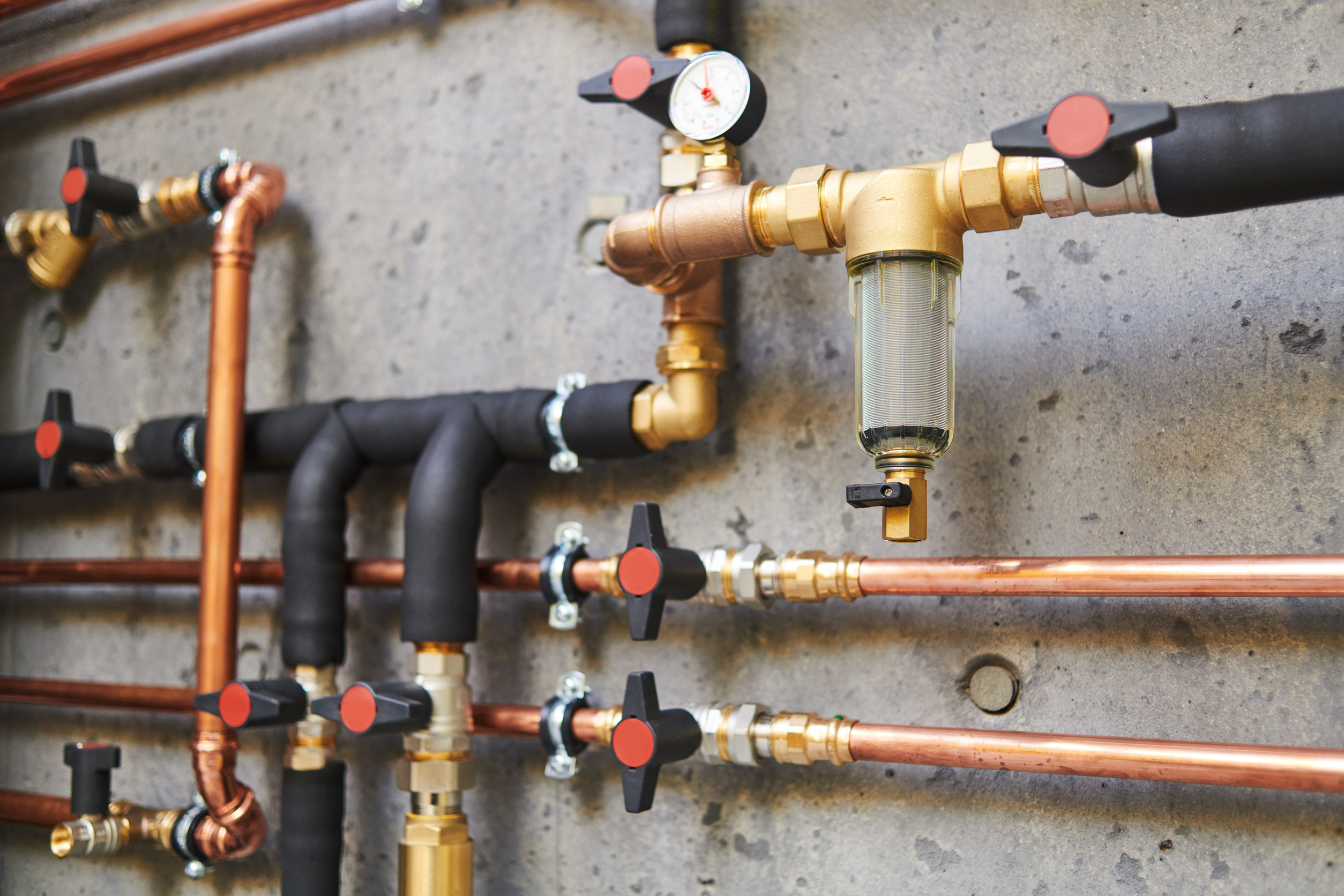
Your plumbing system should be mostly quiet. A little sound when water starts or stops is normal, but loud banging, rattling, whistling, or constant humming is a sign something is not quite right. Noisy pipes can be more than just annoying. In many cases, those sounds are early warnings of high water pressure, loose pipes, valve problems, or even a failing plumbing system.
The good news is that once you understand what those noises mean, you can often prevent bigger issues like leaks, burst pipes, or expensive water damage. In this guide, you will learn the most common causes of noisy pipes, what each sound is telling you, simple steps you can take on your own, and when it is time to call a professional plumber. If you want to go deeper on warning signs, you can also review signs of a failing plumbing system so you can catch trouble early.
Is It Normal for Pipes to Make Noise?
Not all plumbing noise means disaster. Some sounds are harmless and caused by normal water flow or temperature changes. However, certain noises are strong indicators that your plumbing needs attention.
Normal or minor noises might include:
- Gentle whooshing as water flows through pipes
- Faint clicking when hot pipes expand and contract slightly
Noises that usually indicate a problem include:
- Loud banging or thudding when you shut off a faucet
- Persistent rattling or vibrating in walls
- High pitched whistling when water is running
- Gurgling from drains or toilets
- Continuous humming near the main water line or well pump
If noises are new, getting louder, or occurring more often, treat them as early warning signs. The article on how to spot early signs of plumbing problems is a great companion guide to help you connect unusual noises with other symptoms like stains, odors, or low water pressure.
Common Types of Noisy Pipes and What They Mean
Different sounds usually point to different issues. Paying attention to the type of noise and when it happens can help narrow down the cause.
Banging or thudding (water hammer)
A loud bang when you quickly shut off a faucet, or when a washing machine or dishwasher stops filling, is almost always water hammer. This happens when fast moving water suddenly stops and the momentum creates a shock wave that shakes the pipes.
Causes:
- Fast closing valves on appliances
- High water pressure
- Lack of air chambers or water hammer arrestors
- Loose pipe straps that let pipes move around
Unchecked water hammer can damage fittings, loosen joints, and eventually cause leaks.
Rattling or vibrating pipes
If you hear a rattling sound in walls or ceilings while water is running, it often means pipes are not properly secured.
Causes:
- Loose or missing pipe straps
- Pipes rubbing against wood framing
- Water flow changes due to valves opening or closing
Over time, constant movement can wear through pipe walls or fittings.
Whistling or high pitched squealing
Whistling usually happens when water is forced through a narrow or partially blocked opening.
Common sources:
- Worn or partially closed shutoff valves
- Clogged faucet aerators
- Partially blocked supply lines
- Failing pressure regulators
This sound is often related to pressure and restriction and should not be ignored. The blog on what causes low water pressure and how to fix it can help you connect noise with pressure issues in your home.
Gurgling in drains or toilets
Gurgling is a drain or venting issue, not a supply pipe problem.
Causes:
- Partial blockages in drain lines
- Vent stack blockages that trap air
- Developing sewer or septic issues
Gurgling is one of the early signs that wastewater is not flowing freely, which can eventually turn into backups.
Humming or buzzing
A steady humming sound, especially near the main water line, well pump, or water heater, can signal:
- Excessive water pressure
- A vibrating pressure regulator
- A failing well pump or motor
Humming combined with other symptoms such as fluctuating pressure should be checked by a professional.
Major Causes of Noisy Pipes
Now that you know how to recognize the sounds, here are the main reasons your pipes are talking to you.
1. High water pressure
Water pressure that is too high can cause banging, humming, or whistling. It also puts extra stress on pipes, fittings, valves, and appliances.
Signs of high water pressure:
- Noisy pipes when fixtures shut off
- Leaky faucets and running toilets
- Premature wear on water heater and fixtures
A plumber can test your pressure and, if needed, adjust or replace a pressure reducing valve.
2. Water hammer
Water hammer is one of the most dramatic causes of pipe noise. Beyond the startling sound, it can damage pipes and joints.
Water hammer happens when:
- A valve closes quickly and stops water suddenly
- There is no cushioning air in the line
- Water pressure is on the higher side
Solutions range from adding or fixing air chambers to installing water hammer arrestors or adjusting pressure.
3. Loose or poorly supported pipes
Pipes are usually secured with straps or clamps to keep them from moving. If those straps loosen over time, pipes can bang against framing or each other.
Warning signs:
- Rattling or knocking behind walls when water runs
- Noise from specific areas like basements or crawl spaces
A plumber can secure loose pipes, add insulation where needed, and prevent movement that leads to leaks.
4. Thermal expansion and contraction
Hot water causes metal pipes to expand slightly. As they cool, they contract. If pipes are tightly wedged through holes in studs or joists, that movement can create ticking, creaking, or popping sounds.
You may notice:
- Noises when hot water is first used
- Sounds quieting down once water stops
Solutions can include enlarging holes slightly, adding sleeves, or insulating pipes so they can move quietly without scraping wood.
5. Mineral buildup and partial blockages
Hard water minerals, sediment, or debris can narrow pipes and valve openings, forcing water through tight spots. That restriction can create whistling or hissing sounds.
Over time, mineral buildup also affects water heaters and fixtures. This is one way noisy pipes and water quality issues overlap, and it is often mentioned in resources about common plumbing issues and how to fix them.
6. Air trapped in lines
Air pockets in pipes can cause sputtering, banging, or clicking when water first starts flowing.
Air can enter lines after:
- Plumbing work or repairs
- Shutoff of water for extended periods
- Partial draining of the system
Bleeding air from the lines by opening faucets in a specific order can help, but recurring air problems may signal a deeper issue.
7. Aging or failing plumbing components
Noisy pipes can also be a symptom of older valves, regulators, and pipes approaching the end of their useful life. As internal parts wear out, they may vibrate, chatter, or fail to open or close smoothly.
The article on how to spot early signs of plumbing problems points out that strange noises often show up alongside leaks, stains, or discolored water, especially in older homes.
How Seasonal Changes Can Make Pipes Noisier
Noise issues sometimes show up more during certain times of year.
In warmer months, you might notice:
- More banging or vibrating because of increased water use
- Expansion and contraction noises as temperatures swing between hot days and cooler nights
Summer also brings more showers, watering, and appliance use, which can amplify existing problems. For a bigger picture view of how the season affects your plumbing, read about common summer plumbing problems and how to prevent them.
Simple Steps You Can Try Yourself
While some causes of noisy pipes require professional tools, there are a few safe checks most homeowners can do.
1. Clean faucet aerators and showerheads
If whistling or hissing is isolated to one faucet or shower, mineral buildup may be to blame.
- Unscrew the aerator or showerhead
- Soak it in vinegar to dissolve deposits
- Rinse, reassemble, and test
If the noise improves, you have found at least part of the problem.
2. Check visible pipe supports
In accessible areas like basements, crawl spaces, or under sinks:
- Look for pipes that can move or bang when water is turned on
- Add or tighten pipe straps if you are comfortable doing so
- Do not overtighten metal straps, which can stress pipes
Any work inside walls or on main lines is best left to a plumber.
3. Test water pressure with a gauge
A simple gauge attached to an outdoor spigot can tell you if your pressure is in a safe range. Most homes do best around 50 to 60 psi.
If your reading is much higher, that may explain banging or humming. For more guidance on pressure problems, you can refer to what causes low water pressure and how to fix it, which also touches on how regulators and leaks affect pressure.
4. Bleed air from the system
If you suspect trapped air:
- Turn off your water supply at the main shutoff
- Open all faucets, starting with the highest and working down
- Turn the main supply back on and let water push air out
- Close faucets once flow is steady
If air problems return repeatedly, you need professional diagnosis.
When to Call a Professional Plumber
Noisy pipes are not something you should ignore or endlessly guess at. It is time to call in a licensed professional if:
- Banging is loud enough to shake walls or startle you
- Noise is getting worse or more frequent
- Multiple fixtures are affected at once
- You see signs of leaks, stains, or damp areas
- You suspect high water pressure or a failing regulator
- You have an older home with original plumbing
A plumber can:
- Inspect and secure loose pipes
- Diagnose water hammer and install arrestors if needed
- Adjust or replace pressure reducing valves
- Identify failing valves, regulators, or hidden leaks
- Recommend upgrades if aging pipes are part of the problem
You can learn more about what professional help looks like and what to expect from plumbing services in East Tennessee, especially if you have other symptoms such as low pressure, recurring clogs, or discolored water.
How Noisy Pipes Fit Into Overall Plumbing Health
Noisy pipes rarely exist in a vacuum. They often show up alongside other hinting problems, such as:
- Intermittent or persistent low water pressure
- Small leaks at fittings or around fixtures
- Slow or gurgling drains
- Rising water bills
If your pipes are noisy and you are seeing other signs, it may be time to look at your system as a whole instead of treating noise as a minor nuisance. Articles like top signs of a failing plumbing system and common plumbing issues and how to fix them can help you recognize patterns and decide how urgent your situation might be.
For homeowners who want to keep learning and stay ahead of problems, the Advanced Heat, AC, & Plumbing blog is a helpful resource with guides on leaks, water heaters, sewer lines, and more.
Frequently Asked Questions About Noisy Pipes
Are noisy pipes dangerous?
They can be. While some noise is just annoying, issues like water hammer, high pressure, and loose pipes can lead to leaks and, in serious cases, burst pipes or water damage.
Can I ignore banging pipes if I do not see any leaks?
You should not. Banging is a sign of water hammer or loose pipes, and both can cause damage over time. It is better to address the cause now than to wait for a pipe to fail.
Will replacing my pipes stop the noise?
Not always. If the noise is caused by pressure, valves, or lack of support, new pipes alone will not fix it. A plumber needs to diagnose the specific cause and recommend targeted solutions.
Are pipe noises more common in older homes?
Yes. Older homes often have outdated piping, worn valves, and loose supports, all of which make noise more likely. However, newer homes with high pressure or fast closing valves can also have noisy pipes.
How quickly should I call a plumber about noisy pipes?
If the noise is sudden, very loud, or paired with other symptoms such as low pressure, gurgling drains, or signs of leaks, schedule a visit soon. Early diagnosis usually costs less than emergency repairs later.
Conclusion
Noisy pipes are not something you just have to live with. In many cases, they are your plumbing system’s way of asking for attention. Banging, rattling, whistling, and humming can point to water hammer, high pressure, loose supports, mineral buildup, or aging components that are ready to fail.
By paying attention to when and where noises occur, trying simple checks like cleaning aerators or testing pressure, and calling a professional when needed, you can protect your pipes from damage and keep your home quieter and safer.
If your plumbing has started making sounds you cannot ignore, do not wait for a leak or a flood to force your hand. Reach out to a trusted local expert who can diagnose the cause, recommend the right fix, and give you peace of mind every time you turn on the tap.


