


What to Do When Your Toilet Will Not Stop Running
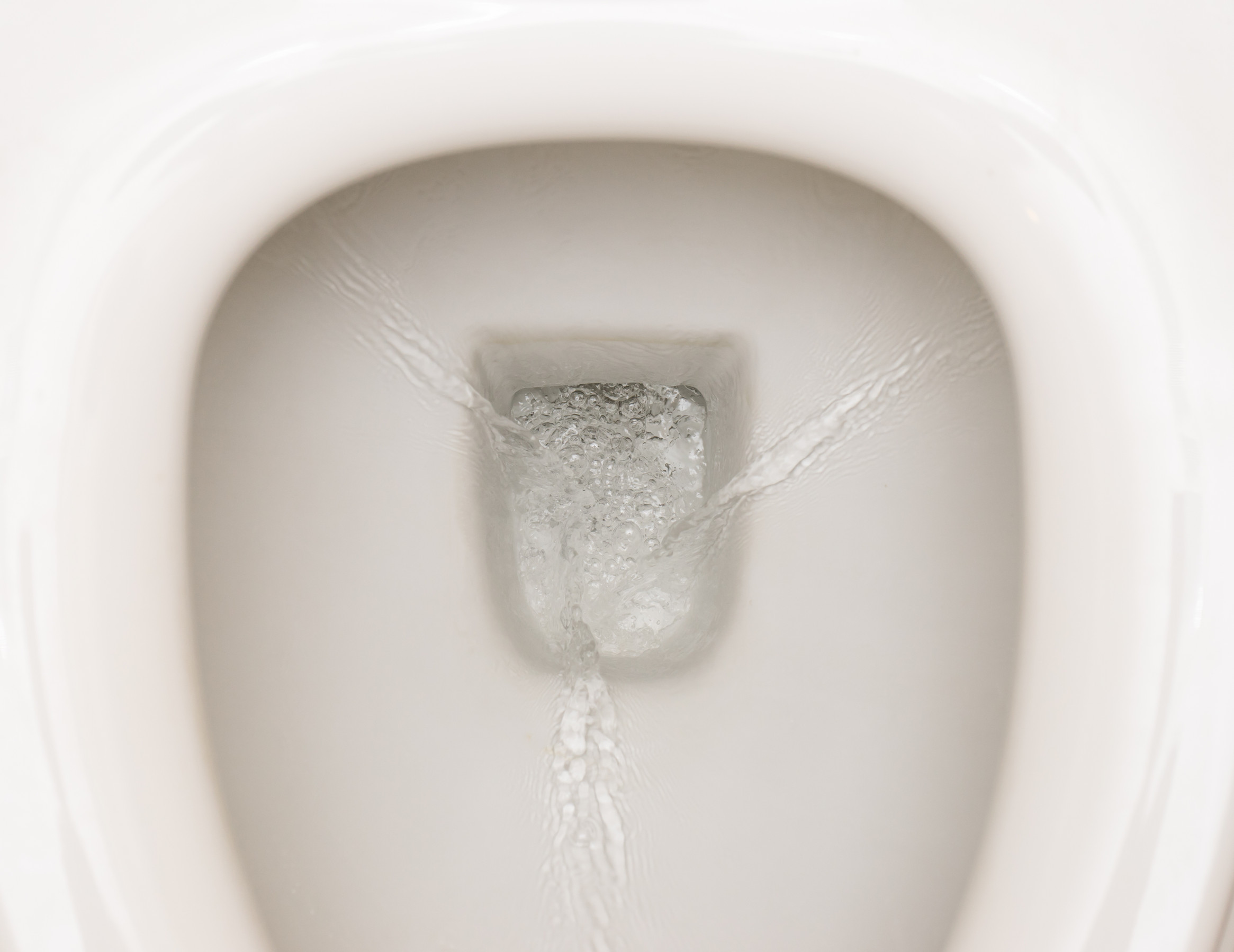
A toilet that will not stop running is more than an annoyance. It wastes water, increases utility bills, and can signal worn or failing components inside the tank. Many homeowners ignore the sound, assuming it will resolve on its own. Unfortunately, a constantly running toilet can waste thousands of gallons of water each month and lead to bigger plumbing problems if left unaddressed.
The good news is that most running toilet issues are caused by a small number of common problems that can be identified and fixed quickly. Knowing what to look for helps you decide whether a simple adjustment will solve the issue or if professional repair is the smarter option. With guidance from experienced professionals like Advanced Heat, AC, & Plumbing, homeowners can stop water waste, protect their plumbing system, and avoid costly repairs.
This article explains why toilets keep running, how to diagnose the problem, and what steps to take to fix it safely and effectively.
Why a Running Toilet Is a Serious Problem
A running toilet allows water to flow continuously from the tank into the bowl and down the drain. Even though the flow may be quiet, the water loss adds up quickly.
Problems caused by a running toilet
- Higher water bills
- Increased strain on plumbing components
- Premature wear of toilet parts
- Risk of overflow if components fail
- Environmental water waste
Addressing the issue promptly protects both your wallet and your plumbing system.
How a Toilet Is Supposed to Work
Understanding how a toilet operates makes it easier to identify why it keeps running.
When you flush, water flows from the tank into the bowl. The flapper lifts, allowing water to pass. As the tank empties, the fill valve opens to refill it. Once the tank reaches the proper water level, the fill valve shuts off and the flapper seals the flush valve opening.
If any of these components fail to work correctly, the toilet may continue running.
Most Common Reasons a Toilet Keeps Running
Running toilets usually have one or more worn or misaligned parts inside the tank.
Faulty or Worn Flapper
The flapper is a rubber valve that seals the opening at the bottom of the tank. Over time, it can warp, crack, or degrade.
Signs of a bad flapper
- Water slowly trickling into the bowl
- Tank refilling repeatedly
- Flapper not sealing properly
Replacing the flapper is one of the most common and effective fixes for a running toilet.
Fill Valve Problems
The fill valve controls the flow of water into the tank. If it fails, the tank may overfill or refill continuously.
Fill valve issues include
- Valve not shutting off completely
- Internal wear or debris buildup
- Improper height adjustment
A faulty fill valve often causes water to run into the overflow tube, leading to constant refilling.
Float Issues
The float determines when the fill valve shuts off. If the float is set too high or becomes damaged, the tank may overfill.
Common float problems
- Float set above recommended level
- Float rubbing against tank wall
- Waterlogged float that does not rise properly
Adjusting or replacing the float often resolves the issue.
Overflow Tube Problems
The overflow tube prevents the tank from overflowing. If the water level rises too high, water flows into the tube and drains away.
Signs of overflow tube issues
- Water flowing directly into the tube
- Tank water level above the overflow opening
This usually indicates a fill valve or float problem rather than an issue with the tube itself.
Loose or Improperly Seated Chain
The chain connecting the flush handle to the flapper must have the right amount of slack.
Chain related issues
- Chain too short holding the flapper open
- Chain tangled or caught
- Chain disconnected
A simple adjustment may stop the toilet from running.
Mineral Buildup and Hard Water Damage
Hard water minerals can damage toilet components over time. Mineral deposits interfere with seals and moving parts.
Effects of mineral buildup
- Flappers that do not seal
- Fill valves that stick
- Reduced component lifespan
Homes with hard water may experience running toilet problems more frequently. Water quality testing through professional water analysis services can help identify whether treatment solutions may reduce future issues.
Step by Step Troubleshooting for a Running Toilet
Homeowners can safely perform basic checks to identify the cause of a running toilet.
Step 1: Remove the tank lid
Carefully lift the lid and set it aside.
Step 2: Observe the water level
If water is flowing into the overflow tube, the fill valve or float is likely the issue.
Step 3: Inspect the flapper
Check for cracks, warping, or improper seating.
Step 4: Check the chain length
Ensure the chain has enough slack to allow the flapper to close fully.
Step 5: Test the flush
Flush the toilet and observe how the components function during refill.
If the problem persists after these checks, professional repair is recommended.
Why DIY Fixes Sometimes Fail
While many toilet repairs are simple, some issues require professional expertise.
Common DIY mistakes
- Installing the wrong replacement parts
- Improper fill valve adjustment
- Over tightening components
- Ignoring underlying water pressure issues
Improper repairs can worsen the problem or lead to leaks and water damage.
How Professionals Fix Running Toilets
Licensed plumbers diagnose the exact cause of the issue and apply long term solutions.
Professional repair steps
- Inspect all internal tank components
- Replace worn flappers or valves
- Adjust water level accurately
- Test water pressure
- Ensure proper sealing and operation
Homeowners often rely on professional plumbing services to ensure the repair is done correctly and permanently.
How a Running Toilet Affects Your Water Bill
A constantly running toilet can waste an enormous amount of water.
Estimated water loss
- A slow leak can waste hundreds of gallons per day
- A major valve failure can waste thousands of gallons per month
Fixing the issue quickly results in immediate savings on water bills.
Preventing Running Toilet Problems in the Future
Preventive care reduces the risk of recurring toilet issues.
Prevention tips
- Inspect toilet components annually
- Replace flappers every few years
- Clean mineral buildup regularly
- Avoid using chemical tank cleaners
- Monitor water pressure levels
Routine maintenance extends the life of toilet components and prevents unexpected failures.
When It Is Better to Replace the Toilet
In some cases, replacing the toilet is more cost effective than repeated repairs.
Consider replacement if
- The toilet is very old
- Repairs are frequent
- Parts are no longer available
- The fixture is inefficient
Modern toilets use less water and offer improved reliability.
Emergency Situations Involving Running Toilets
While most running toilets are not emergencies, some situations require immediate attention.
Call for help immediately if
- The toilet is overflowing
- Water is leaking onto floors
- Shutoff valves fail
- Multiple toilets are affected
In urgent situations, immediate help through emergency HVAC and plumbing support can prevent water damage.
How Water Pressure Impacts Toilet Performance
Excessively high water pressure can strain toilet components and cause premature failure.
Signs of pressure related issues
- Frequent running toilets
- Short component lifespan
- Noisy fill valves
Pressure regulation may be needed to protect plumbing fixtures.
How Running Toilets Affect Home Value
Plumbing issues are red flags during home inspections. A running toilet may indicate neglected maintenance or broader plumbing problems.
Fixing issues promptly helps maintain property value and buyer confidence.
FAQs About Running Toilets
1. Can a running toilet really raise my water bill?
Yes. A running toilet can waste thousands of gallons per month.
2. Is a running toilet usually a flapper problem?
Often yes, but fill valves and floats can also be the cause.
3. Can I fix a running toilet myself?
Simple issues may be fixed by homeowners, but professional repair ensures long term results.
4. Why does my toilet run intermittently?
Intermittent running usually indicates a slow leak past the flapper.
5. How long should toilet components last?
Most internal parts last several years, but hard water may shorten their lifespan.
Conclusion
A toilet that will not stop running is a common plumbing issue that should never be ignored. From worn flappers and faulty fill valves to mineral buildup and pressure problems, several factors can cause continuous water flow. Addressing the problem early prevents water waste, lowers utility bills, and protects your plumbing system from further damage.
For reliable toilet repairs, accurate diagnosis, and long lasting solutions, trust the experienced professionals at Advanced Heat, AC, & Plumbing. Their expert service ensures your plumbing fixtures work efficiently and your home remains protected from unnecessary water loss.


