


Why Your Water Bill Is Suddenly Higher Than Usual
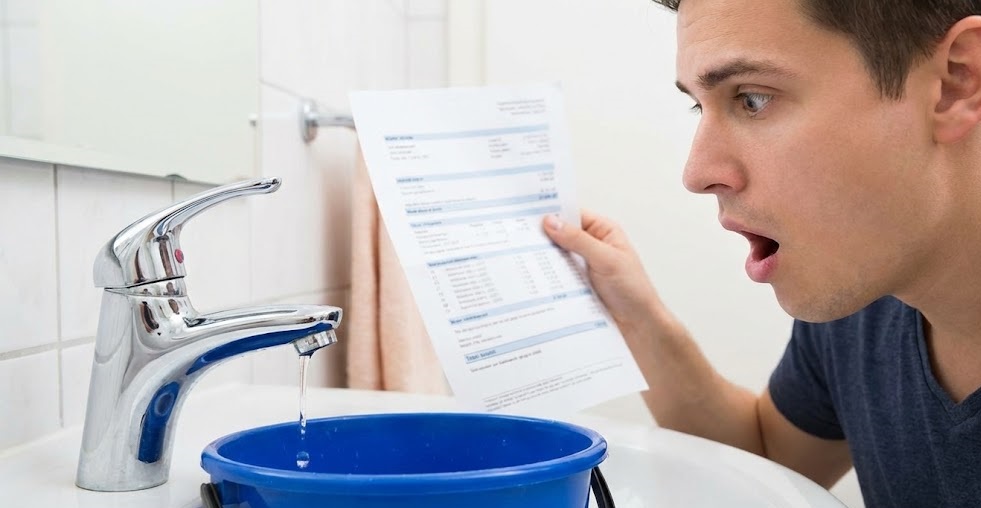
Opening your monthly water bill and seeing a higher than expected total can be frustrating and confusing. When your water usage habits have not changed, a sudden increase often signals an underlying problem. In many cases, higher water bills are caused by plumbing issues that go unnoticed until costs begin to climb. From hidden leaks and running toilets to inefficient appliances and water quality problems, several factors can drive up water consumption without obvious warning signs.
Understanding why your water bill is rising helps you take quick action, prevent further waste, and avoid costly damage to your plumbing system. With support from experienced professionals like Advanced Heat, AC, & Plumbing, homeowners can identify the root cause of increased water usage and restore efficiency before expenses continue to grow.
This article explores the most common reasons for higher water bills, how to identify the cause, and what steps you can take to reduce your monthly costs.
Common Reasons for a Sudden Increase in Your Water Bill
A higher water bill rarely happens without reason. Even small issues can waste large amounts of water over time. Below are the most common causes homeowners encounter.
Hidden Plumbing Leaks
Hidden leaks are one of the leading causes of unexplained water bill increases. Unlike visible leaks, these occur behind walls, under floors, or underground, making them difficult to detect.
Where hidden leaks often occur
- Behind bathroom or kitchen walls
- Under sinks or cabinets
- Beneath concrete slabs
- In crawl spaces or basements
- Along underground service lines
Even a small leak can waste hundreds of gallons of water per month. Professional inspections through licensed plumbing services help locate and repair leaks before they cause structural damage.
Running Toilets That Go Unnoticed
Toilets are one of the biggest water users in a home. A running toilet can silently waste thousands of gallons of water each month without overflowing or drawing attention.
Signs of a running toilet
- Constant refilling sounds
- Water movement in the bowl
- Weak or incomplete flushing
- Phantom flushing
Faulty flappers, fill valves, or float mechanisms are common causes. Fixing these components promptly can significantly lower your water bill.
Dripping Faucets and Fixture Leaks
A dripping faucet may seem harmless, but it can waste a surprising amount of water.
Estimated water waste
- One drip per second can waste over 3,000 gallons per year
- Multiple leaking fixtures compound the problem
Leaks at faucet bases, handles, or under sinks often go unnoticed until damage or higher bills appear.
Underground Water Line Leaks
Leaks in the main water line between your home and the municipal supply can dramatically increase water usage.
Warning signs of underground leaks
- Wet or soggy spots in the yard
- Unusually green patches of grass
- Low water pressure
- Hissing sounds near the foundation
Because these leaks occur outside the home, they are often overlooked until bills rise sharply. Professional leak detection is essential for accurate diagnosis.
Increased Water Usage During Seasonal Changes
Seasonal activities can lead to higher water consumption, even if they do not seem excessive.
Common seasonal water uses
- Lawn watering during dry months
- Filling pools or hot tubs
- Increased laundry during summer
- Guests visiting for extended stays
While some seasonal increases are normal, excessive usage may indicate inefficient irrigation systems or leaking outdoor faucets.
Irrigation System Problems
Sprinkler systems are a frequent source of water waste. Broken sprinkler heads, leaking valves, or misaligned nozzles can waste water without obvious signs.
Irrigation issues that raise water bills
- Cracked sprinkler heads
- Underground line leaks
- Poorly timed watering schedules
- Overspray onto pavement
Regular inspections and seasonal adjustments help reduce unnecessary water use.
Appliance and Water Heater Issues
Appliances that rely on water can increase consumption if they malfunction or age.
Appliances that may cause higher water usage
- Washing machines
- Dishwashers
- Water heaters
A failing water heater may leak slowly or require repeated refilling, driving up water usage. Routine inspections and maintenance help catch problems early.
Aging or Corroded Plumbing Pipes
Older plumbing systems are more prone to leaks and inefficiencies.
Common pipe related issues
- Corrosion causing pinhole leaks
- Mineral buildup reducing efficiency
- Cracked or weakened joints
Homes with aging pipes often experience gradual increases in water usage as leaks develop over time.
Water Quality Issues and Hard Water
Hard water contains high levels of minerals that can damage plumbing components and reduce efficiency. Mineral buildup can cause valves to stick, fixtures to leak, and appliances to work harder.
Effects of hard water on water usage
- Reduced appliance efficiency
- Increased leak frequency
- Scale buildup in pipes
Testing your water through professional water analysis services helps determine whether filtration or softening solutions may reduce water waste and extend plumbing life.
Faulty Water Meter or Billing Errors
Although less common, billing errors or faulty meters can sometimes cause inaccurate charges.
What to do if you suspect an error
- Compare current and previous bills
- Check meter readings yourself
- Contact your utility provider
Before assuming a billing mistake, it is important to rule out leaks or plumbing issues first.
How to Identify the Cause of a Higher Water Bill
Finding the source of increased water usage requires a systematic approach.
Steps homeowners can take
- Review recent water bills for usage patterns
- Check toilets, faucets, and visible plumbing for leaks
- Inspect outdoor hoses and irrigation systems
- Monitor water meter movement when fixtures are off
- Look for moisture, stains, or mold indoors
If these steps do not reveal the cause, professional leak detection is recommended.
How Professionals Diagnose Water Usage Problems
Licensed plumbers use advanced tools to locate hidden leaks and inefficiencies.
Diagnostic methods include
- Acoustic leak detection
- Thermal imaging
- Pressure testing
- Camera inspections of pipes
Accurate diagnosis prevents unnecessary repairs and ensures the correct solution is applied.
How Ignoring a High Water Bill Can Lead to Bigger Problems
Ignoring rising water bills often leads to more serious issues.
Risks of inaction
- Structural water damage
- Mold growth
- Sewer or drain backups
- Increased repair costs
- Reduced property value
Addressing the problem early saves money and prevents long term damage.
Preventing Future Increases in Water Bills
Preventive maintenance is the best way to keep water usage under control.
Best practices for homeowners
- Schedule annual plumbing inspections
- Replace aging supply lines
- Fix leaks promptly
- Maintain appliances regularly
- Monitor water pressure
- Install water efficient fixtures
Smart water monitoring devices can also alert homeowners to abnormal usage.
Emergency Situations That Cause Water Bills to Spike
Sudden plumbing failures can cause dramatic increases in water usage.
Emergency scenarios include
- Burst pipes
- Failed water heater tanks
- Sewer backups
- Broken supply lines
In these situations, immediate assistance from emergency HVAC and plumbing support helps minimize damage and restore control.
How Water Pressure Affects Your Bill
Excessively high water pressure increases flow rates, causing fixtures to use more water than necessary.
Signs of high water pressure
- Banging pipes
- Frequent leaks
- Shortened fixture lifespan
Installing a pressure reducing valve can help regulate water flow and lower bills.
Long Term Savings Through Plumbing Upgrades
Upgrading plumbing components improves efficiency and reduces waste.
Beneficial upgrades include
- Low flow faucets and toilets
- High efficiency appliances
- Water softening systems
- Smart leak detection systems
These improvements provide long term cost savings and protect plumbing systems.
FAQs About High Water Bills
1. Can a running toilet really increase my bill that much?
Yes. A running toilet can waste thousands of gallons per month.
2. How do I check for hidden leaks?
Turn off all fixtures and monitor your water meter for movement.
3. Are high water bills always caused by leaks?
Not always. Increased usage, irrigation issues, or appliance problems can also be factors.
4. Should I call a plumber if my bill suddenly increases?
Yes. A professional can identify hidden issues quickly and prevent further waste.
5. Can water quality affect water usage?
Yes. Hard water can damage plumbing and reduce efficiency, leading to increased water use.
Conclusion
A sudden increase in your water bill is rarely random. In most cases, it is a warning sign of leaks, plumbing inefficiencies, or equipment problems that require attention. By identifying the cause early and taking corrective action, homeowners can reduce water waste, protect their property, and avoid costly repairs.
For accurate diagnosis, expert repairs, and preventive plumbing solutions, trust the experienced professionals at Advanced Heat, AC, & Plumbing. Their team helps homeowners regain control of water usage and maintain efficient, reliable plumbing systems year round.


