


Choosing the Best Sump Pump for Your Basement
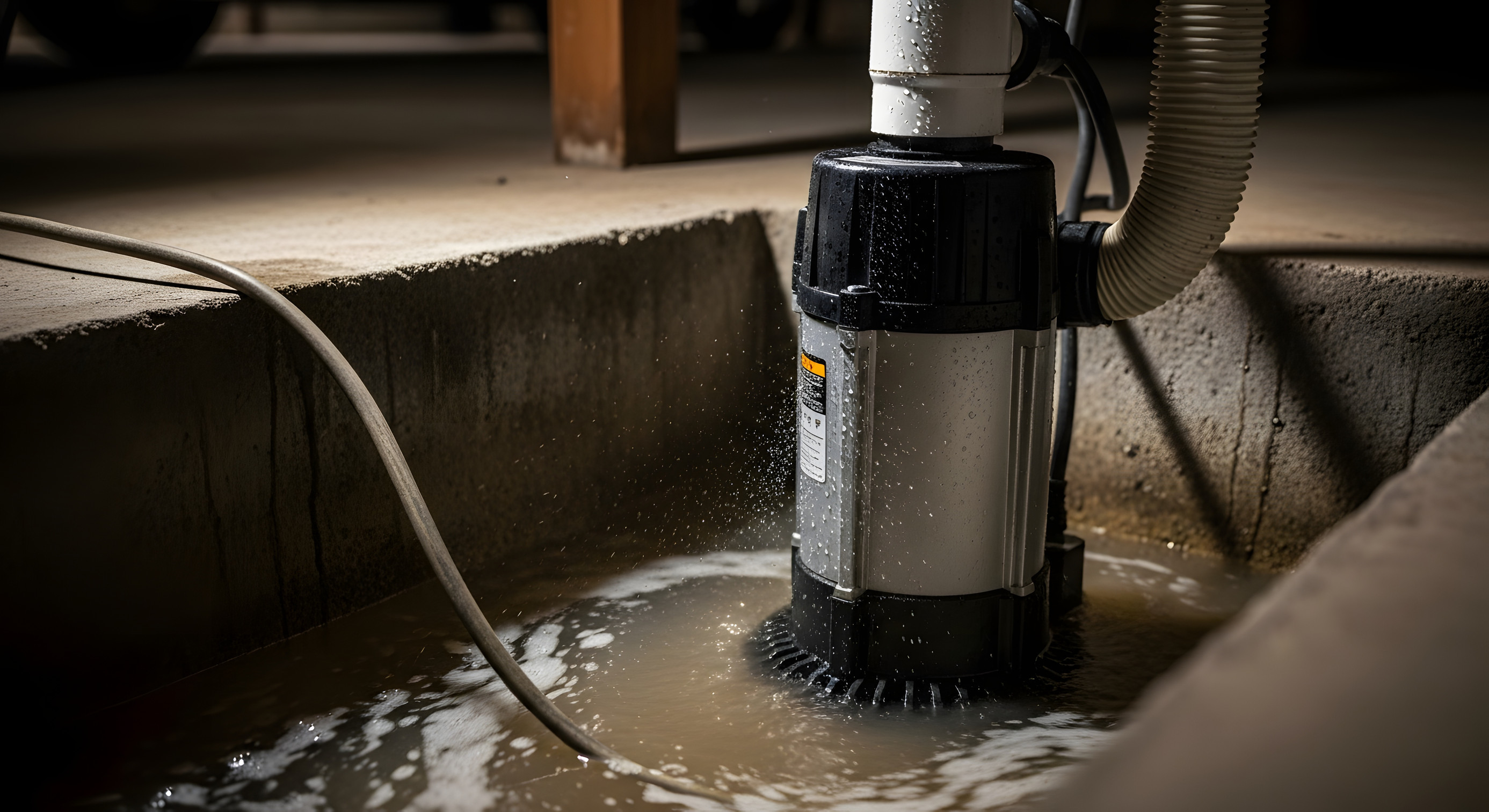
A sump pump is one of the most important systems in a home with a basement or crawlspace. When heavy rain hits, groundwater rises, or runoff saturates the soil around your foundation, the right sump pump can prevent flooding, structural damage, and mold. The challenge is that not all sump pumps are built the same, and the wrong choice can fail when you need it most.
This guide explains how to choose the best sump pump for your basement based on your water risk, pump type, capacity, and the discharge setup that carries water away from your home. You will also learn the most overlooked upgrades, including backup protection, and when professional installation makes the most sense.
Start With Your Basement’s Flood Risk
Before comparing horsepower or features, get clear on how much water your basement can take on during peak conditions. Your risk level determines how powerful your pump should be and whether you need a backup system.
Signs you need a stronger sump pump setup
- You have had water on the basement floor before, even once
- Your sump pit fills quickly during storms
- You live in a low-lying area or near a creek, drainage ditch, or steep runoff
- Basement walls show water staining or white mineral residue
- You store valuables in the basement or have finished living space
- Neighbors report frequent flooding in the area
If you are unsure how serious the risk is, think about what a few inches of water can ruin. Flooring, drywall, insulation, furniture, and stored items can be damaged quickly. If you want a broader home protection mindset, this guide on preventing costly water damage in your home can help you spot vulnerabilities beyond the sump pump system: how to prevent costly water damage in your home.
Understand the Two Main Sump Pump Types
Most homeowners choose between a submersible sump pump and a pedestal sump pump. Both can work well, but one usually fits your basement better.
Submersible sump pumps
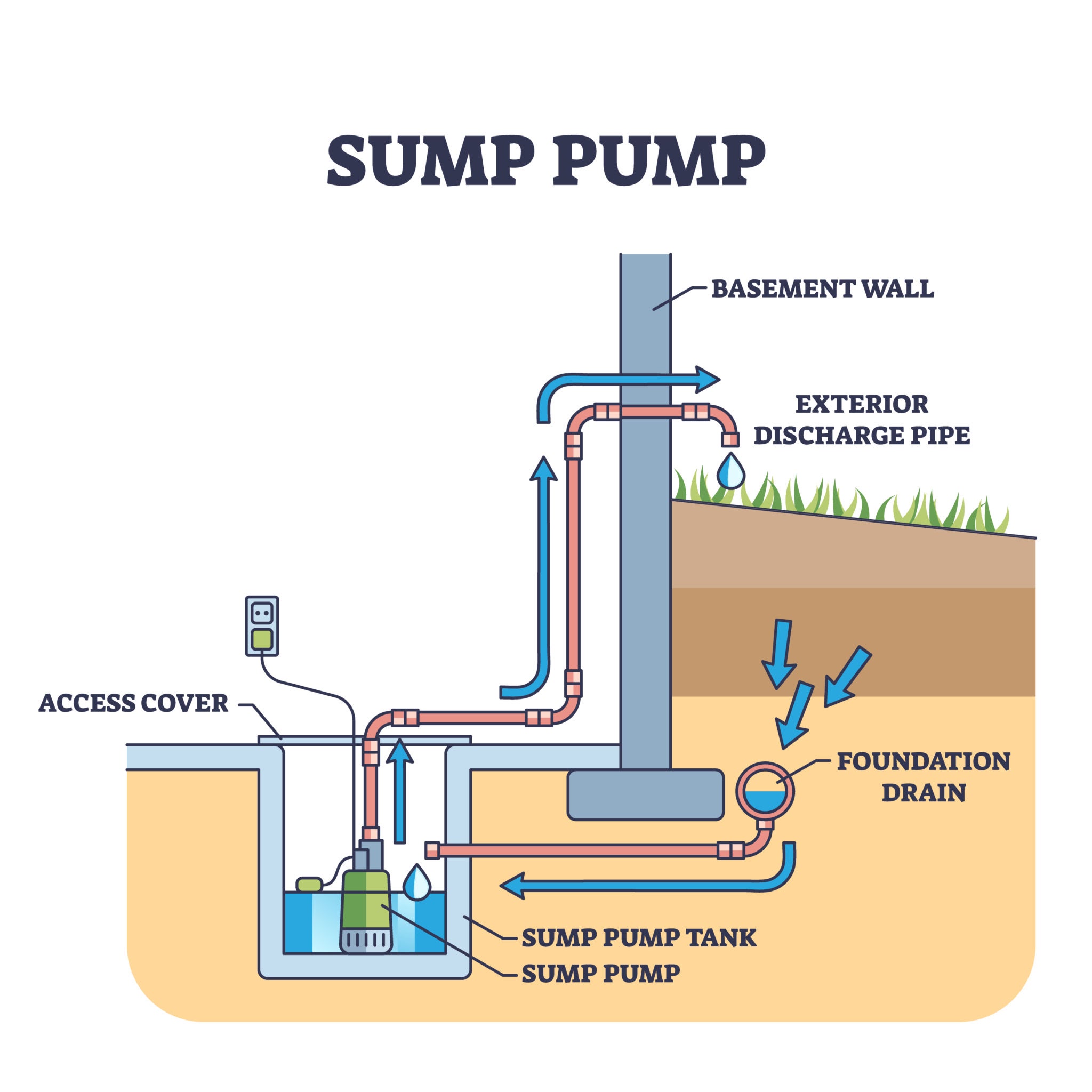
A submersible pump sits inside the sump pit, underwater, and pumps water out through the discharge line.
Best for:
- Higher water volume situations
- Finished basements where noise matters
- Homes that need a clean, hidden setup
Pros:
- Quieter operation
- Often stronger performance in heavy storms
- Protected inside the pit
Cons:
- Usually costs more upfront
- Harder to access for quick inspection
- Lifespan depends on proper pit setup and maintenance
Pedestal sump pumps
A pedestal pump has its motor above the pit with a shaft that extends into the water.
Best for:
- Smaller pits
- Low to moderate water volumes
- Homes where easy access and low cost matter most
Pros:
- Often less expensive
- Easier to service and inspect
- Motor stays out of water
Cons:
- Louder
- More visible
- Often less ideal for high volume events
If you have repeated storm-water events or a finished basement, a quality submersible pump is usually the best long-term fit.
Sizing Basics: How Much Pump Do You Actually Need?
Sump pump sizing is where many homeowners go wrong. Bigger is not always better, but under-sizing is a common cause of basement flooding. The goal is to match the pump’s capacity to how much water enters your pit during the worst conditions you are likely to face.
Key terms to know
- GPM or GPH: how much water the pump can move (gallons per minute or per hour)
- Head height: the vertical distance the pump must push water
- Total dynamic head: vertical lift plus resistance from pipe length, turns, and fittings
A pump might look powerful on the box, but its output drops as head height increases. If your discharge line has a long vertical lift or a long run outside, you need a pump that still performs well at your real head height.
A practical way to estimate needs
- Measure the vertical distance from the pump in the pit to where the discharge exits your home.
- Add extra “effective head” for long runs and multiple elbows.
- Choose a pump with a performance curve that still delivers strong flow at that head level.
Warning signs your current pump is under-sized
- The pump runs nonstop during storms
- Water rises high in the pit before the pump catches up
- You see dampness or water at the base of basement walls
- The pump cycles frequently, which can signal it is struggling
If any of these sound familiar, it may be time to upgrade the pump capacity, improve drainage, or add backup protection.
Do Not Confuse a Sump Pump With a Sewage Ejector Pump
This is an important distinction for basements with bathrooms, laundry rooms, or sinks installed below the main sewer line.
- Sump pumps move clean groundwater.
- Sewage ejector pumps move wastewater and solids up to the sewer or septic line.
If you need to pump wastewater from below-grade plumbing fixtures, you need a dedicated system designed for that purpose. If you are exploring options, this overview of basement ejector pump solutions can help you understand the difference: ejector pump systems.
Features That Matter Most for Reliability
The best sump pump is not only about horsepower. Reliability comes from build quality and failure-resistant design.
Look for these reliability features
- Cast iron or stainless steel housing for durability and better heat dissipation
- Thermal overload protection to prevent motor damage during heavy use
- Efficient impeller design to move water effectively and resist clogging
- High-quality float switch because the switch is one of the most common failure points
Choose the right float switch type
- Vertical float switches work well in tighter pits but must stay clean and unobstructed
- Tethered floats can handle heavy volume but need enough pit space to swing freely
- Electronic or pressure switches can be reliable and precise, though sometimes cost more
If your pump cycles rapidly, turns on and off frequently, or fails to activate consistently, the switch design and pit layout may be part of the problem, not just the pump motor.
The Most Overlooked Upgrade: A Battery Backup Pump
Storms and power outages often arrive together. That makes a battery backup sump pump one of the smartest upgrades you can add to your basement protection plan.
When you should strongly consider battery backup
- Your area loses power during thunderstorms
- Your sump pit fills quickly during heavy rain
- You have a finished basement or store valuable items below grade
- Your home is in a high water table area
Most battery backup systems include a secondary pump, a controller, and an alarm. If power goes out or the primary pump cannot keep up, the backup kicks in automatically.
Another backup option to ask about
- Water-powered backup pumps (where permitted) use municipal water pressure to move groundwater out. They can be useful, but they increase water use and are not appropriate for every home.
For many basements, a strong primary pump plus battery backup is the most dependable combination.
Discharge Setup: Where Many Systems Fail
A strong pump cannot protect your basement if the discharge line is poorly designed. Discharge mistakes are a major reason homeowners experience repeat flooding even after replacing the pump.
Essentials for a proper discharge system
- A check valve to prevent pumped water from flowing back into the pit
- Correct pipe sizing so the pump is not choked by undersized plumbing
- A safe discharge location that sends water far from the foundation
- Freeze protection for discharge lines that may ice up in winter
A critical mistake to avoid
Never route sump discharge into a sewer line. This can cause code violations and increase the risk of backups during heavy rain. If you want to understand how backups happen and how to prevent them, this guide is a helpful reference: why sewer backups happen and how to prevent them.
Noise, Vibration, and Comfort Considerations
If your sump pump is loud enough to wake you up or disrupt your living space, comfort is not the only issue. Excess vibration can loosen fittings and contribute to early wear.
Ways to reduce noise and vibration:
- Choose a submersible pump when possible
- Strap and support the discharge pipe to prevent rattling
- Install a sealed sump pit cover in finished basements
- Avoid rigid pipe contact against framing where vibration transfers
A quieter system usually indicates a better install and a more stable setup.
Maintenance: Even the Best Pump Needs Attention
Many sump pump failures are preventable. Dirt, silt, debris, and stuck float switches are common causes of breakdowns.
A simple monthly or seasonal checklist
- Pour water into the pit to confirm the pump turns on and drains properly
- Listen for grinding, rattling, or unusual cycling
- Check the discharge outside for strong water flow
- Confirm the check valve is functioning and not slamming
- Inspect the pit for sludge or debris that could obstruct the float
If you want a simple routine you can follow, this guide explains how to keep your sump pump working properly: how to keep your sump pump working properly.
Replace aging pumps before they fail
Sump pumps do not last forever. If your pump is older, runs frequently, or shows signs of struggle, replacing it before the next big storm is usually cheaper than cleaning up a flooded basement.
When a Sump Pump Problem Becomes an Emergency
Sometimes you get no warning. The pump fails during a storm, the pit overflows, or water begins spreading across the basement floor. Knowing what to do in the first minutes can reduce damage.
Immediate steps:
- Stay safe and avoid standing water near outlets, extension cords, or powered appliances.
- If possible, shut off power to the basement area at the breaker.
- Check whether the pump is unplugged, the breaker tripped, or the float stuck.
- If the pit is overwhelmed, move valuables higher and start drying immediately.
- Call a professional if you cannot restore operation quickly.
For a broader emergency response mindset, this resource on what to do in a plumbing emergency is a good one to keep bookmarked: what to do in a plumbing emergency.
Should You DIY or Hire a Professional for Sump Pump Installation?
Some homeowners can replace a sump pump if the pit, discharge line, and electrical outlet are already correct. However, many sump problems are not about the pump alone. They are about pit size, switch clearance, discharge routing, and drainage around the foundation.
DIY can make sense if
- You are replacing a similar pump with the same discharge setup
- The pit is clean and correctly sized
- You understand check valves, seals, and discharge routing
- Electrical connections are safe and code compliant
Professional installation is worth it when
- You are upgrading capacity or adding battery backup
- The pit needs resizing, cleaning, or a sealed cover
- The discharge line needs rerouting or freeze protection
- You have repeat flooding or high water volume events
- Your basement is finished and you want maximum reliability
A licensed plumber can size the pump correctly, verify discharge performance, and help you avoid common mistakes that shorten pump life. If you would like help selecting and installing the right option, start here with local plumbing services in East Tennessee: plumbing services.
Quick Buying Checklist: Choosing the Best Sump Pump for Your Basement
Use this checklist as you compare options:
- Choose submersible for most basements, pedestal for shallow pits or tight budgets
- Match capacity to your water volume and real head height, not just the biggest number
- Prioritize durable housing, thermal protection, and a dependable float switch
- Install a check valve and route discharge far from the foundation
- Add battery backup if outages occur during storms
- Test the pump regularly and keep the pit clean
Conclusion
Choosing the best sump pump for your basement is really about choosing the right protection plan for your home. The ideal system matches your flood risk, delivers strong flow at your true head height, includes a reliable float switch, and uses a properly designed discharge line that moves water away from your foundation. For many homeowners, adding a battery backup is the upgrade that turns a sump pump from “helpful” into truly dependable.
If your basement has flooded before, your pump is aging, or you want a more reliable setup before the next big storm, consider having your system evaluated by a professional. A properly sized pump, correct discharge routing, and smart backup protection can save you from the stress and cost of water damage.
Frequently Asked Questions
Choosing the right sump pump is crucial for keeping your basement dry and preventing costly water damage. These answers address common concerns homeowners face when selecting, installing, and maintaining their sump pump systems.
What is the difference between a pedestal and a submersible sump pump?
A submersible pump sits inside the sump pit and is designed to operate underwater, often running quieter and saving space inside the basin. In contrast, a pedestal pump has the motor mounted above the pit, making it louder but generally easier to service and longer-lasting since the motor isn't submerged.
How do I determine the right horsepower for my sump pump?
For most average-sized homes with moderate water issues, a 1/3 HP pump is usually sufficient to handle normal drainage. However, if you live in an area with a high water table or have a deep basement, upgrading to a 1/2 HP or 3/4 HP model will ensure the pump can handle the higher vertical lift and water volume.
Do I really need a battery backup sump pump?
Yes, a battery backup is highly recommended because power outages often occur during heavy storms when you need your pump the most. This secondary system kicks in automatically if the primary pump fails or the electricity goes out, providing essential peace of mind against flooding.
How often should I test my sump pump?
It is best practice to test your sump pump every three to four months, or right before the rainy season begins. You can do this easily by slowly pouring a bucket of water into the pit to ensure the float switch activates the pump and drains the water effectively.
What is the average lifespan of a sump pump?
Most sump pumps last between 7 to 10 years, though this depends on how frequently the pump cycles and the build quality of the model. If your pump is approaching this age or making strange noises, it is wise to replace it proactively before it fails during a storm.
Can I install a sump pump myself?
If you are replacing an existing pump, DIY installation is often straightforward and can be done with basic tools. However, if you are installing a brand new system that requires digging a pit or modifying plumbing, it is safer to hire a professional to ensure it meets local building codes.
What does "head pressure" mean when choosing a pump?
Head pressure refers to the vertical height the pump must lift water to move it out of your basement and away from your foundation. You need to measure the distance from the bottom of the sump pit to the discharge pipe's highest point to ensure the pump you choose has enough power for that specific lift.
Why is my sump pump running constantly?
A pump that runs non-stop may have a stuck float switch, a check valve that isn't working, or it might be undersized for the amount of water entering the pit. It could also indicate a broken discharge line where water flows back into the pit, creating a continuous cycle of pumping the same water.
What kind of switch is best for a sump pump?
Vertical float switches are generally preferred over tethered switches because they move only up and down, making them less likely to get stuck against the side of the pit. Electronic switches are also gaining popularity as they have no moving parts, further reducing the chance of mechanical failure during operation.
Does a sump pump require a dedicated electrical circuit?
Yes, sump pumps should always be plugged into a dedicated GFCI outlet to prevent tripping breakers that power other appliances. Sharing a circuit increases the risk of a power overload, which could leave your pump without power during critical moments.


