


How HVAC Maintenance Reduces Energy Costs
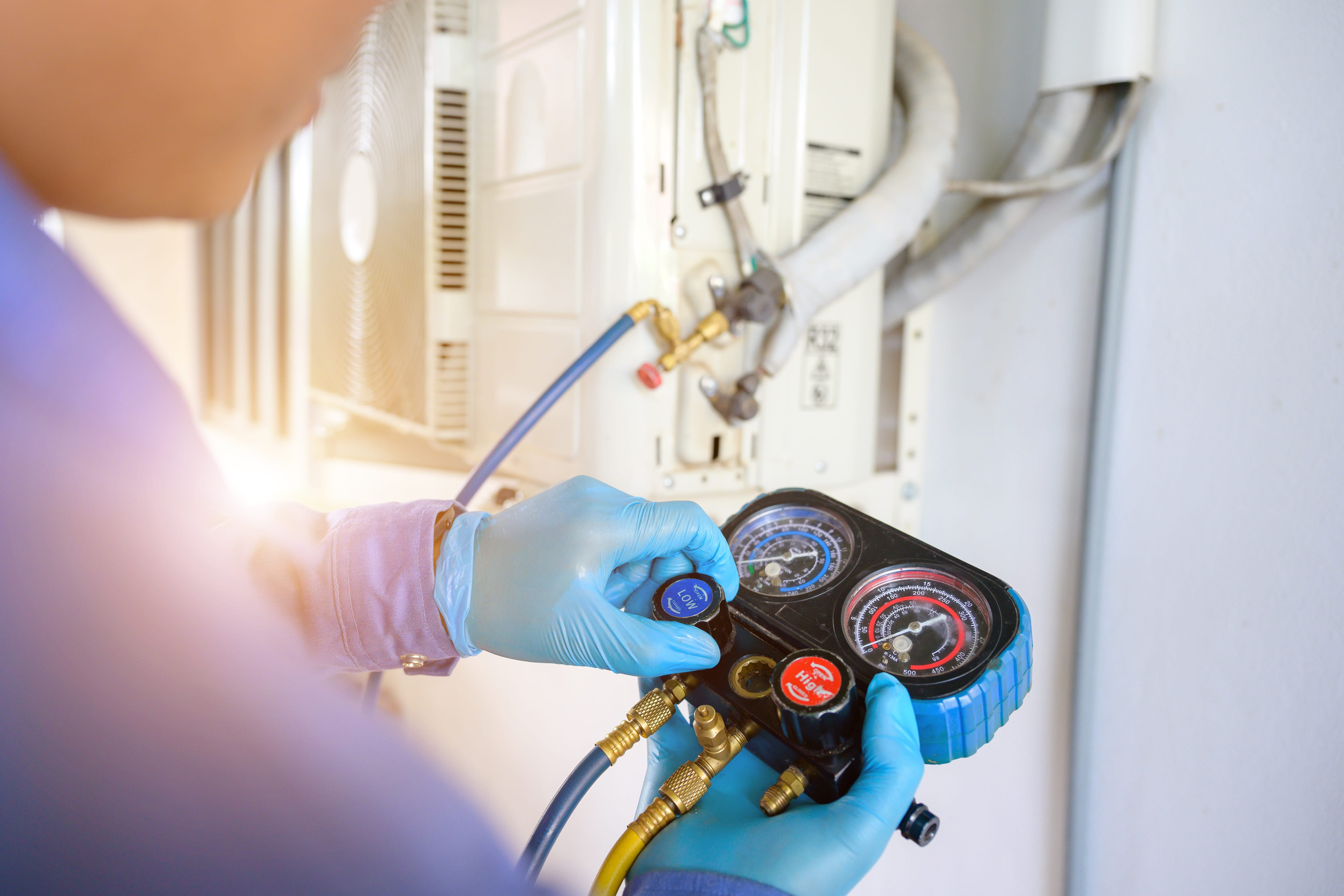
If your energy bills have climbed over the last few seasons, you are not alone. Many homeowners assume higher costs are simply “how it is now,” but in most homes there is a more controllable reason: HVAC efficiency slowly drops when maintenance is skipped. Dust builds up, airflow narrows, parts wear down, and your system has to run longer to do the same job. Longer run time equals higher energy use.
HVAC maintenance is one of the most reliable ways to reduce energy costs because it restores the system’s ability to move air and transfer heat efficiently. It also prevents small issues from turning into expensive failures that force the system to run inefficiently for weeks before the breakdown finally happens.
This guide explains exactly how HVAC maintenance reduces energy costs, what a proper maintenance visit should include, how often to schedule it, and what you can do at home to support efficiency year-round.
Why HVAC systems get less efficient over time
HVAC equipment is designed to operate within specific performance ranges: airflow volume, refrigerant pressures, combustion parameters, and electrical load. As components get dirty or drift out of calibration, the system still runs, but it runs less efficiently.
Efficiency drops for a few main reasons:
- Heat transfer surfaces get dirty and cannot exchange heat as effectively
- Airflow becomes restricted, which reduces system capacity and comfort
- Electrical components weaken, increasing energy draw and run time
- Controls drift, leading to poor cycling and wasted operation
- Duct systems leak, sending conditioned air into attics or crawlspaces
Maintenance addresses these root causes and brings the system back closer to its intended operating condition.
HVAC maintenance reduces run time, which is the real driver of energy savings
Most energy savings come from reducing run time. Your system uses the most energy when it is running, especially when it runs long cycles because it cannot reach the setpoint efficiently.
Maintenance helps the system:
- Deliver colder air in summer and warmer air in winter
- Reach the thermostat setpoint faster
- Cycle in normal, efficient patterns
- Avoid short cycling that wastes power
- Maintain consistent performance during peak weather
1. Clean filters and airflow checks reduce blower strain and wasted energy
Airflow is the foundation of HVAC efficiency. When airflow is restricted, the system cannot move enough air across the coil or heat exchanger. That forces longer run times and can trigger other problems like frozen coils or overheating.
What maintenance improves
- Confirms filter type is appropriate for your system
- Checks return grilles and supply registers for restrictions
- Measures airflow or static pressure in many service routines
- Identifies duct issues that reduce delivery to rooms
A clean filter is the simplest maintenance task with a major impact. If you want a clear explanation of why, this resource on the importance of regularly changing your air filters breaks down how dirty filters increase energy use and reduce comfort.
How this reduces energy costs
- Better airflow improves heat transfer
- Shorter run times are needed to hit the setpoint
- The blower motor operates under less stress
- The system is less likely to freeze or overheat, avoiding inefficient operation
2. Coil cleaning improves heat transfer and lowers summer cooling costs
Your AC system relies on two major heat transfer surfaces: the indoor evaporator coil and the outdoor condenser coil. When either is dirty, the system cannot move heat efficiently.
What happens when coils are dirty
- The indoor coil struggles to absorb heat from the air
- The outdoor coil struggles to release heat outside
- The compressor works harder and runs longer
- Cooling performance drops, especially in afternoon heat
- Energy use rises because the system runs extended cycles
How maintenance reduces energy costs
During maintenance, technicians clean coils or restore airflow conditions so the coils can perform properly. Even moderate coil contamination can add meaningful energy waste, especially during long cooling seasons.
3. Refrigerant performance checks prevent long cycles and compressor strain
Refrigerant is the working fluid that moves heat. If refrigerant charge is incorrect due to leaks or installation issues, your system may still cool, but it will cool inefficiently.
What improper refrigerant levels cause
- Longer run times
- Reduced cooling capacity
- Higher compressor power draw
- Increased chance of coil freezing
- Higher bills without comfort improvement
How maintenance helps
A proper maintenance visit includes checking refrigerant performance indicators and identifying problems early. Catching low refrigerant early protects your compressor and reduces wasted energy.
This also prevents the common scenario where a system limps along inefficiently for weeks before it finally fails during the hottest week of the year.
4. Electrical component checks prevent energy waste and breakdown-driven inefficiency
Many HVAC breakdowns start as small electrical issues: a weakening capacitor, pitted contactor, or loose connection. These issues can cause motors to draw extra current or fail to start efficiently, which increases energy use.
What maintenance commonly checks
- Capacitors
- Contactors
- Electrical connections
- Motor amperage draw in some cases
- Safety switches and control response
Energy savings impact
When electrical components are healthy, motors start smoothly and run at correct load levels. When components are failing, the system can run inefficiently and may short cycle or struggle to start, which wastes energy and increases wear.
5. Combustion tuning improves heating efficiency for gas systems
For homes with gas furnaces, combustion efficiency matters. A system that is not burning fuel properly may still produce heat, but it may waste energy, create soot, or cycle inefficiently.
What maintenance addresses
- Burner cleanliness and ignition performance
- Flame sensing and stable operation
- Safe venting and airflow through the furnace
- Proper cycling and temperature rise checks
How this reduces costs
A properly operating furnace reaches the setpoint faster and avoids repeated cycling that wastes energy. It also reduces the chance of soot buildup, which can reduce airflow and heat transfer over time.
6. Duct inspection and sealing reduces hidden energy loss
You can have a well-maintained system and still waste energy if your ductwork leaks. Duct leakage is one of the most common hidden causes of high HVAC bills because conditioned air escapes into unconditioned spaces.
Signs duct leakage may be raising your bills
- Rooms far from the unit are consistently uncomfortable
- Dust levels are high and return quickly after cleaning
- Cooling performance feels weaker than expected
- The system runs long cycles without improving comfort
- You notice temperature differences between rooms
How maintenance helps
A maintenance visit may identify duct issues, airflow imbalances, or return restrictions that contribute to energy waste. Sealing duct leaks and improving delivery can reduce run time significantly.
7. Preventing short cycling protects efficiency and lowers bills
Short cycling is when the system turns on and off frequently without running a normal cycle. This wastes energy because startups are often less efficient than steady operation and because the system never settles into optimal performance.
Common causes of short cycling
- Dirty filters and restricted airflow
- Thermostat problems
- Oversized systems
- Refrigerant issues
- Overheating or safety limit triggers
Maintenance helps identify and correct these issues before they become expensive problems. Lower cycling frequency usually translates into lower energy use and longer equipment life.
8. Better humidity control reduces “thermostat overuse” in summer
In humid climates, homeowners often lower the thermostat to feel comfortable because the air feels sticky. That increases energy use quickly.
Maintenance supports humidity control by:
- Keeping airflow correct
- Keeping coils clean so they remove moisture effectively
- Preventing short cycling that reduces dehumidification
- Ensuring condensate drains properly
When humidity control improves, many homeowners can raise the thermostat slightly and still feel comfortable. That small adjustment can translate into meaningful seasonal savings.
9. Maintenance reduces emergency repairs and the hidden cost of inefficient operation
One overlooked cost driver is operating a system that is failing. Many homes run for weeks with:
- A weak capacitor
- A dirty coil
- Low refrigerant
- A partially clogged drain or airflow restriction
The system still “works,” but it uses far more energy than it should. Maintenance catches these issues early so you do not spend a full season paying an efficiency penalty.
What a proper HVAC maintenance visit should include
Not all maintenance visits are equal. A solid tune-up should address performance and safety, not just a quick glance.
A quality visit typically includes:
- Filter review and airflow checks
- Coil and outdoor unit inspection
- Condensate drain inspection and clearing if needed
- Electrical component checks
- Thermostat operation confirmation
- Refrigerant performance indicators
- Furnace combustion and safety checks when applicable
- General system condition review and clear recommendations
If you want a structured option for routine service, explore HVAC preventive maintenance services.
How often HVAC maintenance should be scheduled for best savings
For most homes, the best schedule is:
- One maintenance visit before cooling season
- One maintenance visit before heating season
Some households can do one annual visit if the system is newer and usage is light, but two visits often deliver the best reliability and efficiency, especially for heat pumps that run year-round.
Homes that benefit most from twice-yearly maintenance include:
- Homes with pets and higher dust load
- Homes with allergy concerns and heavy filtration needs
- Older systems
- Homes with duct challenges or uneven rooms
- Homes with high humidity issues
Homeowner maintenance habits that support lower energy costs
Professional service delivers the biggest technical improvements, but homeowners can support efficiency year-round.
Simple habits that reduce run time
- Change filters on schedule
- Keep vents and returns open and unblocked
- Keep the outdoor unit clear of debris and vegetation
- Use a sensible thermostat schedule instead of constant manual changes
- Address drafts and insulation gaps to reduce heating and cooling load
A quick monthly check
Once a month during heavy seasons:
- Look at the filter
- Walk outside and clear debris from the unit
- Listen for new noises
- Notice whether cycles are getting longer or shorter
Catching changes early often prevents major failures and keeps efficiency steady.
When maintenance can reveal that an upgrade saves more
Sometimes maintenance shows that your system is working as well as it can, but the equipment is simply aging or inefficient by modern standards. In those cases, your best cost reduction may come from an upgrade rather than repeated repairs.
Signs it may be time to evaluate replacement:
- Rising repair frequency
- Bills climbing even after maintenance
- Comfort issues that do not improve with airflow fixes
- The system struggles during normal seasonal weather
If you are thinking about whether replacement could reduce costs long term, this overview of HVAC services and system options is a helpful starting point.
Conclusion
HVAC maintenance reduces energy costs because it restores efficiency where it matters most: airflow, heat transfer, electrical performance, and system control. Clean filters and coils reduce run time. Proper refrigerant performance prevents long cycles and compressor strain. Electrical checks prevent inefficient operation and breakdown-driven waste. Duct and airflow improvements ensure conditioned air reaches the rooms you actually live in.
The most reliable way to lower HVAC energy costs is to treat maintenance as a yearly habit, not an emergency reaction. When your system runs clean and calibrated, it heats and cools faster, cycles normally, and uses less energy to keep your home comfortable. If you want a predictable plan that supports lower bills, scheduling routine service through HVAC preventive maintenance is one of the simplest steps you can take this year.


