


The Importance of Regularly Changing Your Air Filters
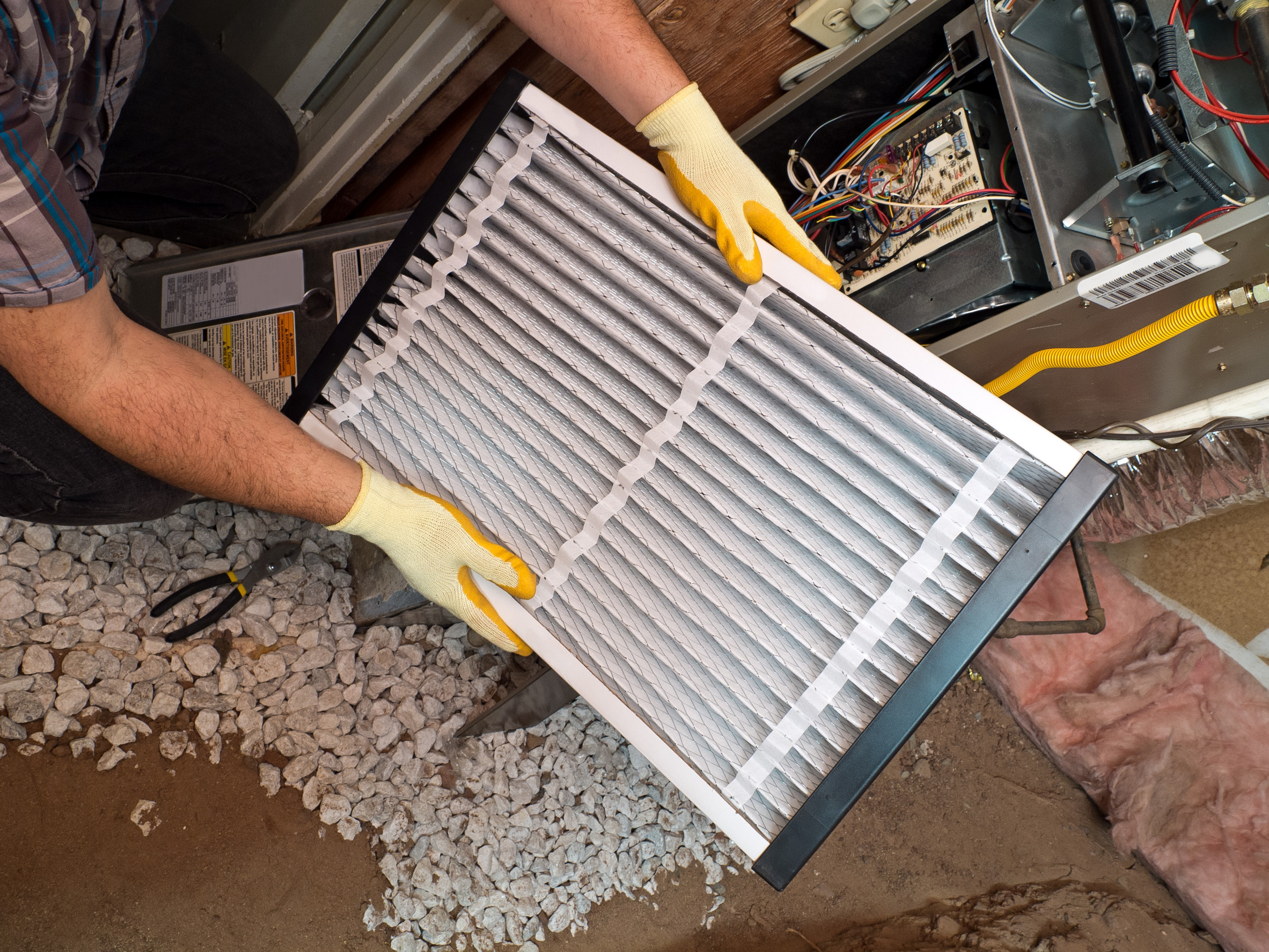
Your HVAC system works hard every day to keep your home comfortable, healthy, and safe. One of the simplest but most important steps in maintaining that system is regularly changing your air filters. Air filters are responsible for trapping dust, pollen, pet dander, debris, and airborne contaminants before they can circulate through your home. Yet many homeowners overlook filter changes, not realizing that a dirty, clogged, or outdated filter can reduce indoor air quality, strain the HVAC system, and increase energy costs.
Replacing air filters is a small task that delivers big benefits. It improves air quality, boosts HVAC performance, reduces repair needs, and helps you maintain lower energy bills. This guide explains why air filter changes matter, how often you should replace them, the signs that indicate a filter is overdue, and how professional HVAC services from Advanced Heat, AC, & Plumbing help keep your system running at peak performance.
Why Air Filters Matter in Your HVAC System
Air filters are not just optional add ons. They are essential components of heating and cooling systems. Their primary job is to protect the HVAC equipment while also improving the air you breathe each day.
Air filters help your HVAC system by
- Blocking dust and debris from entering the blower motor
- Reducing buildup inside ducts and coils
- Keeping internal components clean
- Supporting balanced airflow
- Extending the system’s lifespan
Without a clean air filter, debris can accumulate inside the HVAC system, forcing it to work harder and increasing the risk of breakdowns that may require service through professional HVAC repair technicians.
How Dirty Air Filters Affect Indoor Air Quality
Your air filter has a major impact on your home’s indoor air quality. Over time, the filter collects airborne particles that would otherwise circulate through your living spaces. When the filter becomes clogged, it can no longer trap contaminants effectively.
Signs your air filter is hurting indoor air quality
- Increased dust around your home
- Rising allergy or asthma symptoms
- Musty or stale smelling air
- Visible debris around registers
- More frequent sneezing or coughing
Homes with pets, carpeting, or residents with respiratory sensitivities often require higher quality filters or more frequent replacements. For deeper air quality assessments, homeowners sometimes schedule testing through water and air analysis services.
How Often Should You Change Your Air Filter
Filter replacement frequency depends on several factors. While the general recommendation is every 30 to 90 days, your home’s conditions can shorten or lengthen that timeline.
Replace your air filter more often if
- You have pets that shed
- Someone in the home has allergies or asthma
- You smoke indoors
- You live in a dusty or rural environment
- You use the HVAC system daily year round
- Your home has carpeted floors
- You operate a high efficiency or high static pressure system
Replace your air filter less often if
- Your system has a high quality media filter
- You live in a mild climate
- You have excellent ventilation
- The home is rarely occupied
HVAC systems will operate at their best when filters are replaced on schedule, a task made easier with regular tune ups through HVAC preventive maintenance services.
Benefits of Changing Your Air Filters Regularly
Replacing your air filter is one of the easiest and most cost effective ways to maintain your HVAC system. Here are the top benefits.
1. Improved Indoor Air Quality
Clean air filters trap allergens, dust, dander, mold spores, and even some bacteria. This keeps the air in your home fresh and clean, which is especially important for households with children, seniors, or anyone with respiratory concerns.
2. Better HVAC Performance
With a clean filter, air flows more freely through the HVAC system. This allows the system to heat or cool your home more efficiently, resulting in better comfort and more consistent temperatures.
3. Lower Energy Bills
When airflow is restricted by a dirty filter, the system must work harder and run longer to reach the desired temperature. This increases energy consumption. A fresh filter helps reduce strain, allowing the system to operate efficiently and lowering monthly energy costs.
4. Fewer HVAC Repairs
Dirt and debris can build up on coils, fans, and internal components when the filter becomes clogged. This leads to avoidable breakdowns and expensive repairs. By replacing your air filter regularly, you help protect critical components and reduce the need for emergency service from specialists in 24 hour HVAC repair.
5. Longer HVAC Lifespan
A dirty filter forces the system to run harder, shortening its overall lifespan. Homeowners who replace filters regularly can extend the life of their furnace, air conditioner, or heat pump by several years.
This helps delay the expensive need for full system replacement, though when that time eventually comes, guidance from experienced HVAC installation professionals ensures your new system meets your home’s needs.
Types of Air Filters and Which One You Should Choose
Not all air filters are created equal. Understanding the different options helps you choose the best one for your HVAC system and indoor air needs.
1. Fiberglass Filters
These basic filters are inexpensive and designed to protect the HVAC system, not necessarily to improve indoor air quality. They trap only large particles and must be replaced monthly.
2. Pleated Filters
Pleated filters offer better filtration. They trap smaller particles like pollen, dust, and pet dander. They last longer than fiberglass filters and provide a better balance of airflow and filtration.
3. High MERV Filters
MERV ratings indicate how effective a filter is at capturing small particles. Higher MERV ratings capture more contaminants, but not all HVAC systems can handle high resistance airflow from these filters.
4. Electrostatic Filters
These reusable filters attract particles using an electric charge. They can be washed and reused, making them more environmentally friendly.
5. HEPA Filters
HEPA filters capture extremely small particles and are recommended for homeowners with severe allergies or respiratory issues. These filters typically require a compatible air cleaner or purification system.
For homes without ductwork or those wanting individual room filtration, ductless HVAC options offer advanced filtration built into the air handling units.
Signs Your Air Filter Needs to Be Changed
Even if you follow a general replacement timeline, you should watch for specific signs that indicate your filter is overdue.
Warning signs
- HVAC system runs longer than usual
- Reduced or weak airflow from vents
- Excess dust buildup on surfaces
- Unpleasant odors when system operates
- Temperature variations between rooms
- Higher than normal energy bills
- Dust or hair visible on the filter
If you notice any of these signs, replace the filter immediately and consider scheduling a professional inspection through HVAC troubleshooting experts.
How Your HVAC System Benefits from a Clean Filter
A clean air filter helps every part of your HVAC system work better.
System benefits
- Stronger airflow
- Reduced wear on blower motors
- Cleaner ductwork
- Better humidity control
- Improved heating and cooling output
- Lower operating noise
Commercial properties especially benefit from clean filters due to higher occupancy levels, and many businesses rely on commercial HVAC services to manage air quality and improve system efficiency.
How to Replace an Air Filter
Replacing an air filter is simple and usually takes less than 10 minutes.
Steps
- Turn off the HVAC system
- Locate the filter cabinet
- Remove the old filter
- Check airflow direction arrows
- Insert the new filter
- Turn the system back on
When replacing filters, always choose the correct size and type recommended by your HVAC system manufacturer.
Professional Help for Air Filter Maintenance
Although homeowners can replace air filters themselves, scheduling routine maintenance is the best way to ensure your system is clean, efficient, and safe.
Professional maintenance includes
- Deep system cleaning
- Full filter replacement
- Blower and coil inspection
- Airflow testing
- Duct checks
- Pressure readings
Preventive care helps avoid breakdowns and ensures healthy air year round.
For older systems or homes with advanced filtration needs, technicians may recommend options available through HVAC system upgrades and maintenance programs.
FAQs About Air Filter Replacement
1. What happens if I never change my air filter?
Your HVAC system becomes clogged, energy bills increase, and indoor air quality drops dramatically.
2. How often do pets affect air filter replacement?
Homes with multiple pets may require monthly replacement due to heavy shedding.
3. Do expensive filters last longer?
Higher quality filters often last longer, but replacement frequency depends on usage and conditions.
4. Can a dirty filter damage my system?
Yes. Clogged filters strain components and reduce system lifespan.
5. Do ductless systems have filters?
Yes. Ductless mini split units have built in filters that must be cleaned or replaced regularly.
Conclusion
Regularly changing your air filters is one of the simplest and most important steps you can take to maintain your HVAC system and protect your indoor air quality. Clean filters help your system operate efficiently, keep your home comfortable, prevent unnecessary repairs, and support better health for your family.
For professional HVAC care, filtration upgrades, system diagnostics, or full inspections, the trusted technicians at Advanced Heat, AC, & Plumbing are here to help. With expert guidance and reliable service, you can ensure your heating and cooling system keeps your home clean, comfortable, and healthy all year long.


