


How Root Intrusion Damages Sewer Lines
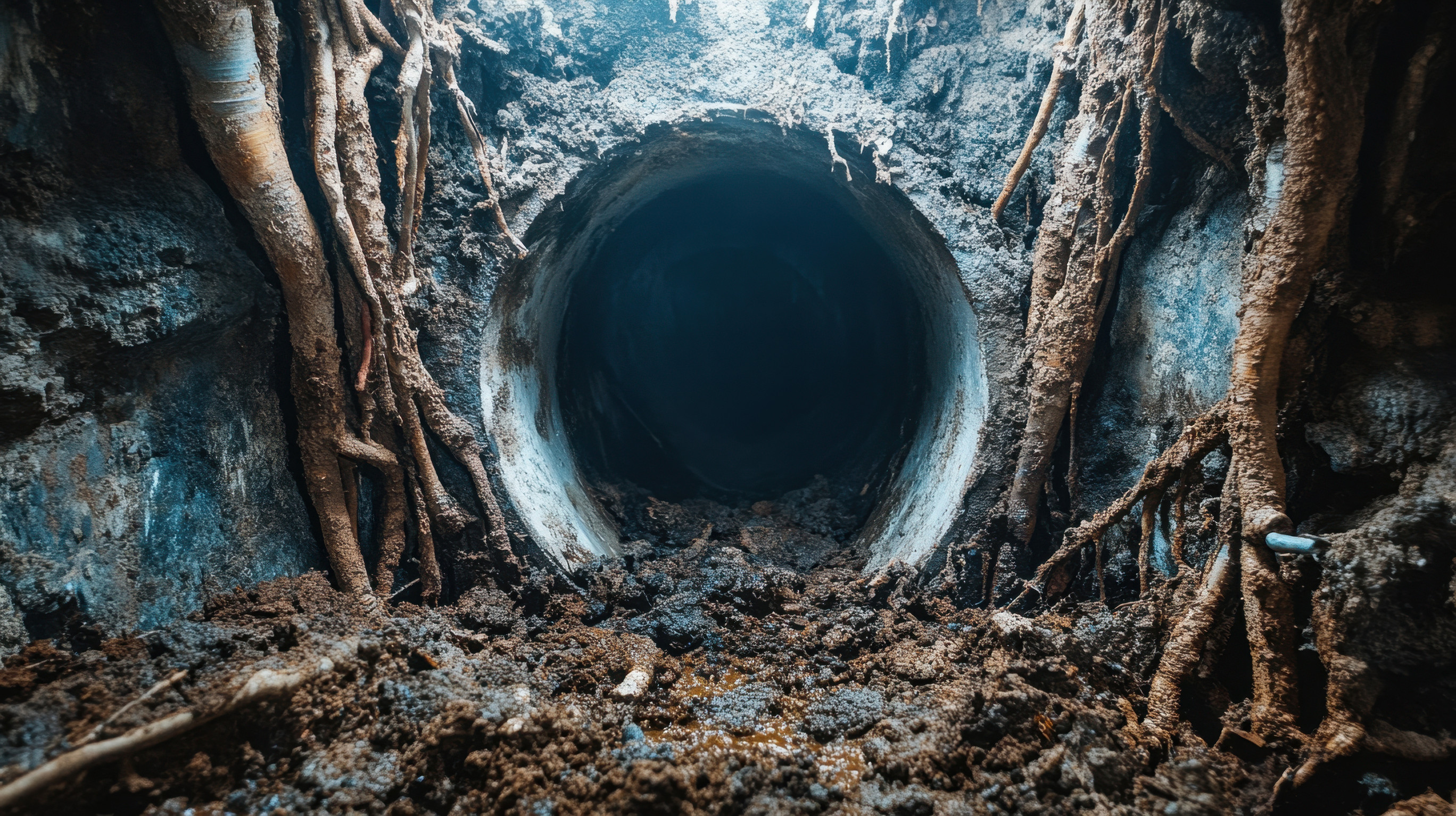
Tree roots and sewer pipes are a bad combination, especially in older neighborhoods where mature trees, aging pipe materials, and shifting soil all come together underground. Root intrusion is one of the most common causes of recurring sewer clogs, slow drains, and messy backups. It also tends to start quietly, then escalate into cracked pipes, collapsed sections, and expensive repairs if it is not handled early.
This guide explains exactly how root intrusion happens, why sewer lines are so attractive to roots, the warning signs to watch for, and the most effective ways to remove roots and prevent them from coming back. If you are dealing with repeated clogs or sewer odors, this will help you understand what is really happening beneath your yard and what the smartest next step is.
Why do tree roots grow into sewer lines?
Tree roots do not “hunt” for sewage, but they absolutely seek moisture, oxygen, and nutrients. Sewer lines provide all three, especially when there is even a tiny defect in the pipe.
Roots are drawn to sewer lines because:
- Moisture is consistent underground, especially around pipes
- Warmth and humidity can increase around a leaking line
- Nutrients in wastewater can accelerate growth once roots get inside
- Condensation can form on the exterior of pipes, keeping soil damp
- Oxygen pockets exist near joints and disturbed soil around trenches
The important point is that a healthy, intact pipe does not usually invite roots. Root intrusion is usually a symptom of an existing weakness such as a joint gap, a crack, or a deteriorating pipe material.
For a focused overview that pairs well with this article, see how tree roots can damage your sewer lines for additional homeowner warning signs and prevention tips.
What types of sewer pipes are most vulnerable to root intrusion?
Some pipe materials and installation styles are simply more likely to invite roots over time.
Older clay tile sewer pipes
Clay tile was common in many older homes and is especially vulnerable because:
- It has multiple joints, each a potential entry point
- The material can crack from soil movement
- Joints can shift as the ground settles
Cast iron sewer lines
Cast iron is durable, but it can corrode internally and externally. Over the years it may:
- Develop pitting and rough surfaces that catch debris
- Form weak points that leak moisture into the surrounding soil
- Crack from shifting or settlement
Orangeburg pipe
Some older homes have Orangeburg, a fiber conduit pipe that deforms and collapses. Roots often accelerate failure once the pipe begins to soften or compress.
PVC and modern pipe materials
Modern PVC is generally more resistant, but no material is immune if:
- Connections are poorly installed
- The line shifts and a joint separates
- The pipe is damaged by external pressure
If you suspect your home has older sewer materials, it is worth planning proactive evaluation instead of waiting for repeated backups. A good place to start is learning the value of routine checks through sewer line inspection services and why they matter.
How does root intrusion actually damage a sewer line?
Root intrusion is not just a clog problem. It is a structural problem that tends to worsen in stages.
Stage 1: Roots find a tiny opening
The earliest intrusion often begins at:
- Pipe joints
- Small cracks
- A compromised fitting
- A failed seal around a connection
Even a pinhole leak can keep surrounding soil damp enough to attract roots.
Stage 2: Roots expand inside the pipe
Once roots enter, they spread like a net. Inside the line they:
- Catch toilet paper and waste
- Trap grease and sludge
- Reduce flow and create turbulence
- Form a growing mass that becomes harder to remove
At this stage, many homeowners notice slow drains, gurgling, or occasional backups.
Stage 3: Roots force cracks wider
Roots are incredibly strong. As they thicken, they exert pressure that can:
- Widen cracks
- Separate joints further
- Distort weaker sections of pipe
- Create low spots where waste collects
This is when problems become frequent and disruptive.
Stage 4: Pipe failure, collapse, or major break
In severe cases, continued pressure and soil movement cause:
- Collapsed sections
- Major leaks into the yard
- Sewer backups into the home
- Sinkholes or soft spots above the line
This is also the point where repair options become more expensive because the pipe may need full replacement instead of cleaning and spot repair.
What are the most common signs of root intrusion in a sewer line?
Root intrusion often looks like “normal” drain trouble until you recognize the pattern. Here are the red flags that strongly suggest roots are involved.
Recurring clogs that come back quickly
If you snake a drain and it clears, then clogs again soon after, roots may be the reason the clog keeps returning. Recurring clogs are often a symptom of a deeper restriction in the main line, not a simple fixture issue. If that sounds familiar, read why your drains keep clogging again and again to understand what repeated blockages often mean.
Slow draining across multiple fixtures
When more than one sink, tub, or toilet drains slowly, the main sewer line is often involved. Roots can reduce the pipe diameter enough that everything drains sluggishly, especially during heavier water use.
Gurgling sounds or bubbling toilets
Gurgling can indicate restricted airflow and poor flow through the line. Root masses cause turbulence that creates bubbling and odd noises when you drain water elsewhere in the home.
Sewer odors indoors or outside
Roots can contribute to leaks and venting problems that allow odors to escape. Persistent sewer smells are often a sign the line needs inspection.
Soggy patches or unusually green grass
A cracked sewer line can fertilize and water an area of your yard, creating a greener strip or soft, wet area. That moisture also encourages even more root growth near the leak.
Frequent backups, especially after rain
Heavy rain increases groundwater pressure and can worsen an already restricted line. If backups happen more often during storms, you may have both a restriction and a compromised pipe.
For a detailed checklist, compare your symptoms to signs of a damaged sewer line that needs repair.
How do plumbers confirm root intrusion?
The most reliable way to confirm root intrusion is a sewer camera inspection. This allows a technician to see:
- Whether roots are present
- How dense the root mass is
- The condition of the pipe walls
- Cracks, offsets, bellies, or collapses
- The exact location of damage
Camera inspection matters because it prevents wasted money. Without it, a homeowner might repeatedly snake lines or use chemicals that provide only short-term relief while the pipe continues to deteriorate.
Regular inspections also help catch issues early, when removal and repair are simpler and less disruptive.
Can you remove roots without replacing the sewer line?
Sometimes, yes. Root removal can restore flow, but the best long-term solution depends on how damaged the pipe is.
Mechanical cutting and snaking
A professional auger with a root cutting head can:
- Break up root masses
- Restore flow quickly
- Provide short-term relief
However, snaking often leaves residue on the pipe walls and does not fully clean the interior. That means roots can regrow and catch debris again.
Hydro jetting for root intrusion
Hydro jetting uses high-pressure water to scour pipe walls and flush debris out. In many cases, it can:
- Cut through smaller root growth
- Remove grease, sludge, and buildup around roots
- Clean the pipe more thoroughly than a snake
Hydro jetting is often a better solution for recurring clogs because it addresses the buildup roots create, not just the blockage itself.
Root control treatments
Some homeowners use root control products to slow regrowth. These can help in certain situations, but they do not repair a damaged pipe. If roots entered once, the entry point still exists unless it is sealed or the line is repaired.
A safe rule is this: removing roots without fixing the underlying defect is like bailing water without patching the hole.
How to prevent roots from coming back
Preventing regrowth requires both plumbing solutions and smart landscaping decisions.
Schedule periodic line cleaning and inspection
If your home has a known root issue, routine maintenance helps prevent emergencies. A professional can monitor changes, remove buildup before it becomes a blockage, and help you plan repair timing instead of being forced into an urgent situation.
Address the entry point
Long-term prevention usually requires sealing the pathway roots use to enter, such as:
- Repairing cracked sections
- Replacing failed joints
- Installing a pipe liner where appropriate
- Replacing a deteriorated line if it is beyond repair
Make smarter planting decisions
Trees and shrubs with aggressive roots should be planted away from sewer line paths. If large trees already exist near the line, maintenance becomes even more important.
Upgrade outdated pipe materials
If your home has clay, Orangeburg, or badly corroded cast iron, upgrading to modern piping can dramatically reduce the chance of intrusion returning.
When root intrusion means you need sewer repair or replacement
If the camera inspection shows structural damage, it is important to address more than the roots. Otherwise, the problem will keep returning and may worsen quickly.
You are more likely to need repair or replacement when:
- The pipe has separated joints or major offsets
- There are cracks that continue to widen
- The line has bellies that trap waste and debris
- The pipe is collapsing or deforming
- Roots return quickly after cleaning
Repair options you may hear about
- Spot repair of a damaged section
- Trenchless repair methods, depending on pipe condition
- Full replacement for severely deteriorated lines
If you want a homeowner-friendly overview of what replacement involves, read what you should know about sewer line replacement.
What happens if you ignore root intrusion?
Root intrusion almost always gets worse because the roots keep growing and the pipe keeps deteriorating. Waiting can lead to:
- Complete sewer backups into tubs, showers, or floor drains
- Damage to floors, drywall, cabinets, and insulation
- Mold and lingering odors from contaminated water
- Yard collapse or soft spots where soil washes out
- Higher repair costs due to more extensive damage
Even if a clog clears temporarily, the pipe may still be in poor condition. Once a line is compromised, problems often return faster and more severely each time.
DIY vs professional help for root intrusion
It is normal to try a plunger or store-bought product first, but root intrusion is rarely solved by DIY methods.
Why DIY solutions often fail
- Store-bought drain cleaners do not remove root masses effectively
- Chemical use can damage pipes and create safety hazards
- A small hand snake rarely reaches the main line or fully clears it
- Without a camera inspection, the real cause remains unknown
Why professional service saves money
A licensed plumber can:
- Confirm roots with a camera inspection
- Choose the right removal method based on pipe condition
- Remove buildup thoroughly with the right equipment
- Recommend repair options that prevent repeat failures
If you are looking for long-term solutions rather than repeat clogs, the best next step is to work with a team that handles diagnosis, cleaning, and repair. You can explore available options through trusted plumbing services in East Tennessee.
Homeowner best practices to reduce risk
While you cannot always control what happens underground, you can reduce the chance of severe blockages by using your plumbing wisely.
Helpful habits include:
- Avoid pouring grease or oils down kitchen drains
- Do not flush wipes, paper towels, or hygiene products
- Use strainers to keep debris out of drains
- Schedule preventative cleaning if your home has a history of root issues
For everyday prevention tactics that reduce clogs and help your system flow better, review top tips to keep your drains from clogging.
Conclusion
Root intrusion damages sewer lines by exploiting small defects, expanding inside the pipe, trapping debris, and eventually forcing cracks wider until the line fails. The earlier you identify the problem, the more options you have, from thorough cleaning and maintenance to targeted repairs that stop roots from returning.
If you are dealing with recurring clogs, slow drains across multiple fixtures, gurgling toilets, or soggy spots in the yard, do not guess. A camera inspection can confirm whether roots are the cause and show the true condition of your line. From there, a professional can recommend the right combination of root removal, hydro jetting, repair, or replacement to protect your home and prevent expensive backups.


