


Why Your Drains Keep Clogging Again and Again
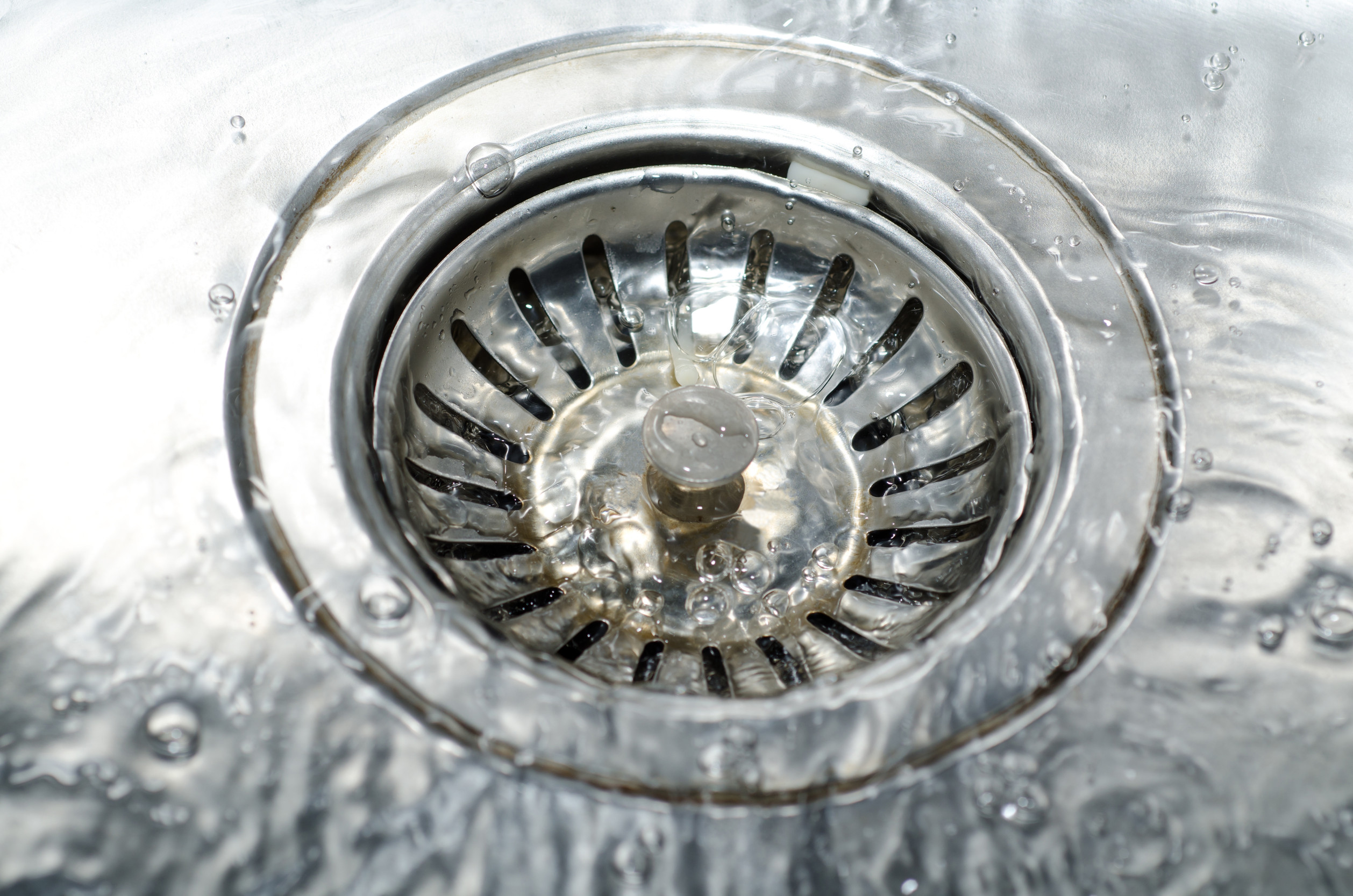
Few household problems are as frustrating as drains that clog repeatedly. You clear the blockage, water flows again, and everything seems fine. Then days or weeks later, the same sink, shower, or toilet starts draining slowly or backing up once more. Recurring drain clogs are more than a nuisance. They are often a sign of deeper plumbing issues that simple fixes cannot resolve.
When drains clog again and again, it usually means the underlying cause has not been properly addressed. Buildup inside pipes, damaged plumbing, water quality issues, or sewer line problems can all lead to repeat blockages. Understanding why clogs return is the first step toward a lasting solution. With help from experienced professionals at Advanced Heat, AC, & Plumbing, homeowners can identify the root cause of chronic drain issues and restore reliable drainage throughout their home.
This article explains the most common reasons drains keep clogging, the risks of ignoring the problem, and how to fix it for good.
How Drains Are Supposed to Work
Your plumbing system is designed to move wastewater and debris away from your home efficiently. Drain pipes rely on gravity, proper slope, and smooth interiors to keep water flowing freely. When something disrupts this process, material begins to collect inside the pipes.
Over time, even small amounts of buildup can restrict flow. If the restriction is not fully removed, clogs will return repeatedly.
Common Reasons Drains Keep Clogging
Recurring drain clogs almost always have a specific cause. Identifying which issue applies to your home helps determine the right solution.
Grease and Soap Buildup in Pipes
One of the most common causes of repeat clogs is grease and soap residue. In kitchens, grease may go down the drain as a liquid but hardens as it cools inside the pipes.
Why grease causes repeat clogs
- It coats pipe walls
- Food particles stick to it
- It narrows the pipe over time
Soap scum behaves similarly in bathroom drains, combining with minerals and hair to form stubborn blockages.
Hair Accumulation in Bathroom Drains
Hair is a major contributor to slow and clogged bathroom drains. While removing surface hair helps, most buildup occurs deeper in the pipe.
Why hair clogs return
- Hair wraps around pipe interiors
- Soap residue binds hair together
- Partial removal leaves material behind
Without thorough cleaning, hair continues accumulating and causes repeat blockages.
Mineral Scale From Hard Water
Hard water contains minerals that deposit inside pipes and fixtures. Over time, scale buildup reduces pipe diameter and traps debris.
Effects of hard water on drains
- Reduced water flow
- Increased clog frequency
- Rough pipe surfaces that collect debris
Testing your water through professional water analysis services can help determine whether water treatment solutions may prevent mineral related clogs.
Partial Clogs That Were Never Fully Removed
Many recurring clogs happen because the original blockage was never completely cleared. Chemical drain cleaners and plungers often push debris further down the pipe rather than removing it.
Problems with partial clog removal
- Debris remains inside the pipe
- Flow improves temporarily
- Blockage reforms quickly
Professional drain cleaning removes buildup entirely rather than masking the problem.
Damaged or Misaligned Pipes
Cracked, collapsed, or misaligned pipes create areas where debris easily collects.
Common pipe damage causes
- Aging plumbing materials
- Ground shifting
- Improper installation
- Tree root pressure
When pipes are damaged, clogs will continue regardless of how often they are cleared.
Tree Root Intrusion in Sewer Lines
Tree roots are a leading cause of repeat clogs, especially in older homes. Roots seek moisture and can enter sewer lines through small cracks or joints.
Signs of root related clogs
- Slow drains throughout the home
- Frequent backups
- Gurgling sounds
- Clogs that return quickly after cleaning
Root intrusion often requires specialized cleaning or repair to prevent recurrence.
Main Sewer Line Problems
If multiple drains clog at the same time, the issue may be in the main sewer line.
Warning signs of sewer line clogs
- Toilets backing up into tubs or showers
- Water appearing in floor drains
- Sewage odors inside the home
Sewer line issues require professional inspection and cannot be resolved with DIY methods.
Improper Pipe Slope or Design
Drain pipes must be installed with the correct slope to allow gravity to move waste efficiently. If pipes are too flat or too steep, debris can accumulate.
Effects of improper slope
- Water drains slowly
- Solids settle in pipes
- Repeat clogs occur
This issue is often discovered during professional inspections or renovations.
Overuse of Chemical Drain Cleaners
Chemical drain cleaners are marketed as quick fixes, but they often make matters worse.
Why chemical cleaners fail
- They do not remove all debris
- They damage pipe interiors
- They increase corrosion
- They create rough surfaces that trap waste
Repeated use can lead to pipe damage and more frequent clogs.
The Risks of Ignoring Recurring Drain Clogs
Recurring clogs are not just annoying. Ignoring them can lead to serious problems.
Potential consequences
- Complete drain blockages
- Sewer backups
- Water damage to floors and walls
- Mold growth
- Health hazards from bacteria
- Expensive emergency repairs
Addressing the root cause early helps prevent these outcomes.
How Professionals Diagnose Chronic Drain Problems
Accurate diagnosis is key to stopping recurring clogs. Licensed plumbers use advanced tools to identify the exact cause.
Professional diagnostic methods
- Video camera inspections
- Drain flow testing
- Sewer line inspections
- Pipe condition assessments
Homeowners dealing with repeated clogs often rely on professional plumbing services to pinpoint the issue and recommend the right repair.
Professional Solutions for Repeated Drain Clogs
Once the cause is identified, plumbers can apply the appropriate solution.
Common professional treatments
- Mechanical drain cleaning
- Hydro jetting to remove heavy buildup
- Root removal treatments
- Pipe repairs or replacement
- Sewer line rehabilitation
These solutions address the underlying problem rather than providing temporary relief.
Preventing Drains From Clogging Again
Preventive care is essential for keeping drains clear long term.
Best practices for homeowners
- Avoid pouring grease down drains
- Use sink and shower strainers
- Dispose of food scraps properly
- Flush drains with hot water regularly
- Schedule periodic professional drain cleaning
Small changes in daily habits can make a big difference.
How Water Quality Affects Drain Performance
Water quality plays a major role in how often drains clog. Hard water accelerates scale buildup and reduces pipe efficiency.
Water treatment solutions can help reduce mineral deposits and protect plumbing systems from recurring blockages.
When to Call a Professional
You should contact a plumber if
- Drains clog repeatedly
- Multiple fixtures are affected
- Clogs return quickly after clearing
- You hear gurgling sounds
- Sewage odors are present
- Water backs up into other drains
In urgent situations, immediate assistance through emergency HVAC and plumbing support can prevent further damage.
Why DIY Fixes Often Fail for Chronic Clogs
DIY solutions work best for minor, surface level clogs. Chronic clogs usually require professional intervention.
Limitations of DIY methods
- Incomplete debris removal
- Risk of pipe damage
- Inability to access deep blockages
- Temporary results
Professional tools and expertise ensure lasting solutions.
How Recurring Drain Clogs Affect Home Value
Plumbing issues are red flags during home inspections. Recurring clogs may indicate deeper problems that concern buyers.
Maintaining clear, reliable drains protects your investment and prevents costly surprises during resale.
FAQs About Recurring Drain Clogs
1. Why do my drains clog even after cleaning?
Because the underlying cause has not been fully removed or repaired.
2. Are recurring clogs a sign of sewer problems?
Yes. Frequent clogs affecting multiple fixtures often point to sewer line issues.
3. Can hard water cause repeated drain clogs?
Yes. Mineral buildup narrows pipes and traps debris.
4. How often should drains be professionally cleaned?
Most homes benefit from professional cleaning every one to two years.
5. Is hydro jetting safe for pipes?
When performed by professionals, hydro jetting is safe and effective for most plumbing systems.
Conclusion
Drains that clog repeatedly are a clear sign that something is wrong beneath the surface. Grease buildup, hair accumulation, mineral scale, damaged pipes, and sewer line issues can all cause clogs to return again and again. Temporary fixes may restore flow briefly, but they rarely solve the underlying problem.
For accurate diagnosis and long lasting drain solutions, trust the experienced plumbers at Advanced Heat, AC, & Plumbing. Their professional services help eliminate recurring clogs, protect your plumbing system, and keep your home running smoothly year round.


