


Navigating Plumbing Repairs in Knoxville’s Historic Overlay Districts
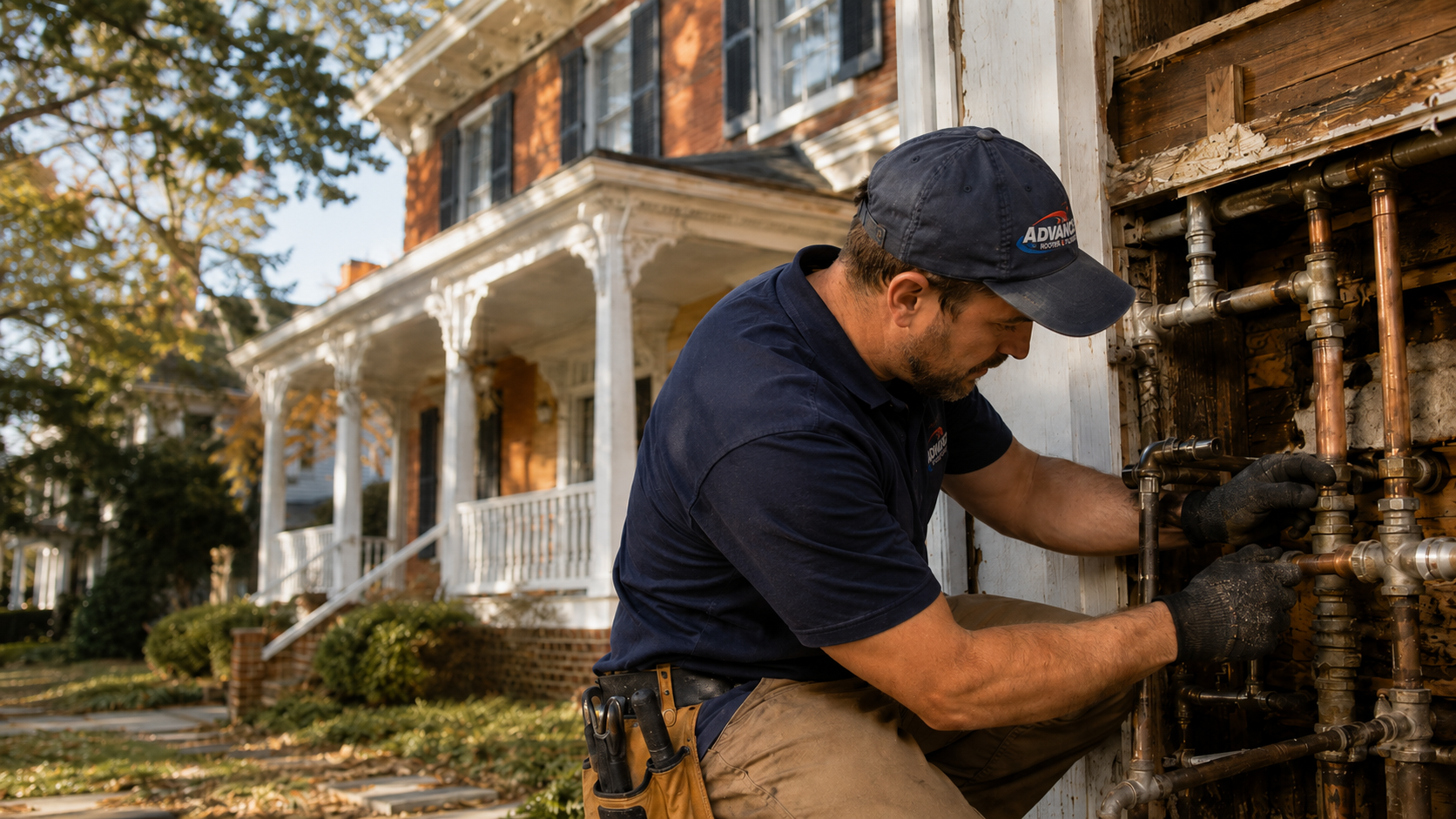
Plumbing repairs in Knoxville’s historic overlay districts are not always harder because the pipe repair itself is complicated. They are harder because the home, the district, and the visible impact of the work all matter at the same time. A simple leak under a sink may stay mostly inside the house. A sewer line replacement, exterior wall penetration, water service repair, or bathroom remodel can affect historic materials, yards, foundations, porches, or visible architectural details.
That is why homeowners in places with historic character need to think in two tracks. First, the plumbing has to be safe, functional, and code-aware. Second, the repair has to respect the property’s exterior appearance and district expectations. The goal is not to avoid necessary repairs. The goal is to fix the plumbing while making the least disruptive choices possible.
For homeowners who want a local starting point, professional plumbing services in Knoxville and East Tennessee are the right first step before a small repair becomes a bigger preservation and permitting problem.
What is a historic overlay district in Knoxville?
A historic overlay district is a zoning layer intended to help preserve the character of historic areas while still allowing homes and properties to be maintained, repaired, and used. In Knoxville, these districts are not just about old buildings. They are about protecting the architectural and cultural character of places that help define the city’s history. Knoxville-Knox County Planning lists H, or Historic Overlay, districts among zoning districts with additional design-related regulations, and its historic preservation resources describe the local historic zoning bodies that support preservation review.
For plumbing, this matters most when the repair affects visible parts of the property or requires building-related permits. Interior work hidden inside the home may be handled differently than exterior changes, but homeowners should not assume. Historic homes often have plumbing running through unusual spaces, older foundations, crawlspaces, additions, or exterior walls. That means even a “plumbing repair” can become a design or preservation question depending on where the work happens.
Why does a Certificate of Appropriateness matter for plumbing work?
A Certificate of Appropriateness, often called a COA, is the approval that confirms certain work in a historic overlay area meets the relevant design guidelines. Knoxville’s historic overlay brochure explains that applications for building permits in overlay areas must be accompanied by Certificates of Appropriateness showing that the project has been approved through staff review or the appointed review board.
Not every small plumbing service call will necessarily trigger the same level of review, but homeowners should be careful when plumbing work affects exterior features, additions, visible equipment, masonry, porch areas, site work, or building materials. For example, replacing a hidden shutoff valve under a vanity is different from routing new plumbing through an exterior wall or trenching across a front yard in a historic streetscape.
The safest approach is to ask early. If the repair might change what the public can see or disturb a protected feature, confirm whether review is needed before work begins.
What plumbing problems are common in historic Knoxville homes?
Historic Knoxville homes often have layered plumbing histories. A house may have original materials, mid-century replacements, partial updates from the 1980s or 1990s, and newer fixtures all connected together. That mix can make repairs unpredictable.
Common plumbing issues include:
- Aging galvanized, cast iron, copper, or mixed-material piping
- Low water pressure from corrosion or restriction
- Hidden leaks behind plaster walls or under old floors
- Sewer line problems caused by roots, age, or pipe collapse
- Drain lines that were modified during past renovations
- Outdated shutoff valves that fail when touched
- Water heater setups that no longer match current needs
- Poor access in crawlspaces, basements, or tight wall cavities
This is where planning matters. A plumber may open one area for a leak and discover that the surrounding piping is also near failure. Your guide on why old plumbing pipes should be upgraded fits naturally here because old homes often need more than a one-point repair when the system has reached the end of its reliable life.
How do you repair plumbing without damaging historic materials?
The best repair strategy is usually the least invasive one that still solves the problem correctly. In historic homes, that means thinking carefully before cutting walls, disturbing original flooring, opening plaster, trenching near foundations, or replacing visible fixtures.
A preservation-aware repair plan should consider:
- Can the pipe be reached from a basement, crawlspace, or utility area?
- Can access be made from the least visible side?
- Can existing openings be used instead of creating new ones?
- Will the repair disturb original tile, woodwork, masonry, or plaster?
- Can modern plumbing be routed in a way that protects historic finishes?
- Does the exterior appearance change at all?
The goal is not to preserve failed plumbing. Failed plumbing can damage historic materials faster than repair work can. The goal is to avoid unnecessary damage while still making the home safe and functional.
When remodeling is part of the project, how to protect your plumbing during a remodel is a useful internal guide because historic homes leave less room for careless demolition.
When does a plumbing repair become a permit issue?
A plumbing repair may become a permit issue when it goes beyond a minor fixture repair and involves replacement, relocation, new plumbing lines, sewer connections, water service work, structural access, or broader renovation. The City of Knoxville Plans Review and Inspections office describes its role in plan review, permits, and inspections, and the City provides online permitting access for permit applications, inspections, licensing, and plan review.
For homeowners, the practical rule is simple: if the repair changes the plumbing system, affects concealed work, involves exterior disturbance, or connects to larger renovation work, ask before assuming it is permit-free.
This matters even more in a historic overlay district. You may need to think about both plumbing code and historic review. Those are related but not identical. A repair can be technically sound and still need review if it affects a protected exterior or district feature.
How should you approach bathroom plumbing repairs in a historic home?
Bathrooms are often where historic homes reveal their plumbing history most clearly. A bathroom may have been added decades after the house was built, renovated several times, or squeezed into a space that was never originally designed for plumbing. That can make drainage, venting, water pressure, and access more complicated.
Before starting a bathroom plumbing repair, ask:
- Is the problem isolated or part of an aging bathroom system?
- Are the supply lines accessible without damaging original finishes?
- Is the drain properly vented?
- Are old shutoff valves safe to operate?
- Will fixture replacement affect historic tile, trim, or plaster?
- Is this repair likely to become a bathroom renovation?
In historic homes, a bathroom leak may be the first sign of a larger upgrade need. A small repair can uncover failing drains, old supply lines, or water-damaged subflooring. If the project grows, important plumbing considerations for a bathroom renovation can help homeowners think through layout, pipe placement, water pressure, and future maintenance before the room is closed back up.
Why sewer line repairs require extra planning in historic districts
Sewer line repairs can be especially sensitive in historic overlay districts because the work may involve excavation, yards, sidewalks, foundations, retaining walls, mature trees, or visible site features. The pipe may be underground, but the repair path can affect the property’s historic setting.
Older sewer lines may have issues such as:
- Root intrusion
- Cracked clay or cast iron pipe
- Collapsed sections
- Offset joints
- Heavy buildup
- Previous partial repairs
- Poor slope or belly sections
The biggest mistake is assuming sewer work only matters below ground. In a historic district, how the work is accessed, how much digging is needed, and how the site is restored can all matter.
A smart first step is sewer line video inspection, because knowing the exact problem helps reduce unnecessary digging and supports a more targeted repair plan.
Can trenchless sewer repair help protect historic properties?
Trenchless sewer repair may be helpful when the conditions are right because it can reduce the amount of excavation needed. That matters for historic properties where yards, walkways, porches, landscaping, and site features may contribute to the property’s character.
Trenchless options are not perfect for every situation. The condition of the existing pipe, the type of damage, the layout, and access points all matter. But when appropriate, a less invasive method can help reduce disruption.
Potential benefits include:
- Less digging across historic yards
- Reduced disturbance near foundations
- Faster site recovery
- Fewer visible impacts during repair
- Lower risk of damaging adjacent features
If a sewer line is structurally damaged, sewer line repair for East Tennessee homes is a natural next step because the right method should be selected around both the pipe condition and the property context.
What about water service repairs in historic neighborhoods?
Water service repairs can create their own challenges because the line may run from the street or meter to a house that sits behind historic landscaping, older walkways, stone retaining edges, mature trees, or porches. Even when the repair is urgent, the route and restoration plan matter.
Warning signs of a water service issue include:
- Unexplained wet spots in the yard
- Sudden low pressure
- Higher water bills
- Water pooling near the foundation
- Hissing sounds when fixtures are off
- Soft soil along the service path
In historic homes, a service-line problem may also reveal outdated materials or previous repairs. A targeted repair may solve the immediate issue, but the age and material of the full line should be considered.
If the supply side is the concern, water line repair for Knoxville homes is the best internal fit because service-line planning should account for both leak control and property preservation.
How do interior remodels affect plumbing in historic overlay properties?
Interior remodels can affect plumbing even when the exterior of the home does not change. Moving a bathroom, adding a laundry room, expanding a kitchen, or replacing old piping can trigger plumbing design questions that were never part of the home’s original construction.
Common remodel-related plumbing issues include:
- Moving drains through old framing
- Finding enough wall depth for modern plumbing
- Venting fixtures correctly
- Avoiding unnecessary cuts through historic materials
- Coordinating new fixtures with old supply lines
- Maintaining access for future service
- Avoiding drainage problems after layout changes
A remodel in a historic home needs more planning than a standard fixture swap. It is not only about where you want the sink or shower to go. It is about whether the home can support that layout without damage, awkward routing, or future service problems.
That is why plumbing for your kitchen and bathroom remodel belongs in the planning stage. The plumbing should guide the remodel before finishes are selected.
Why moving plumbing is more complicated in older Knoxville homes
Moving plumbing in an older home can be complicated because the original structure was not designed around modern bathrooms, kitchens, laundry rooms, and water heaters. Even if the design idea seems simple, the actual work may involve old framing, tight crawlspaces, plaster walls, masonry, and limited access.
Moving plumbing can affect:
- Drain slope
- Vent placement
- Water pressure
- Fixture performance
- Wall and floor access
- Permit requirements
- Historic material preservation
- Final repair cost
The cost is not only the pipe. It is the access, restoration, and coordination. If the new path requires opening historic materials, the scope can grow quickly.
Before relocating plumbing, homeowners should understand the cost and process of moving plumbing during a remodel. In a historic overlay district, that decision should be made with both plumbing performance and preservation impact in mind.
How do you choose fixtures for a historic home without creating plumbing problems?
Fixture choice is not only a style decision. Historic homes often have older supply lines, unique spacing, nonstandard previous repairs, and bathrooms or kitchens that were modified over generations. A fixture that looks right may still need plumbing adaptation.
When choosing fixtures, consider:
- Does the fixture fit the existing rough-in?
- Will it require moving supply or drain lines?
- Does the water pressure support the fixture?
- Will the installation disturb historic tile, counters, or trim?
- Is the fixture serviceable later?
- Does it match the home’s character without sacrificing function?
The best fixture updates preserve the home’s feel while improving reliability. That may mean choosing classic-looking fixtures with modern internals, efficient toilets with a traditional look, or sink and faucet combinations that fit existing plumbing without unnecessary disturbance.
A fixture upgrade should make the home easier to live with, not create hidden plumbing complications.
How can homeowners prepare before calling a plumber?
The more information a homeowner can gather before service, the easier it is to plan the right repair. In a historic overlay district, the preparation should include both plumbing symptoms and property context.
Before calling, gather:
- Address and district information if known
- Photos of the affected area
- Photos of exterior areas that may be disturbed
- Notes about when the issue started
- Any prior repair records
- Location of shutoff valves
- Whether the problem affects one fixture or multiple fixtures
- Whether any renovation plans are already underway
Also note any visible historic materials near the repair area, such as original tile, plaster, masonry, wood floors, porch elements, or exterior walls. A good plumber can plan better when they understand what needs to be protected.
For broader renovation preparation, an essential plumbing checklist for home renovation projects can help homeowners organize decisions before work begins.
What should homeowners ask before approving plumbing work?
Historic-district plumbing repairs deserve clear communication. Before approving the work, homeowners should ask enough questions to understand both the repair and the impact on the home.
Good questions include:
- What is the least invasive way to reach the problem?
- Will this repair affect exterior materials or visible features?
- Could this require a permit or historic review?
- Is this an isolated issue or a symptom of a larger system problem?
- How will opened areas be restored?
- Are there trenchless or lower-impact options?
- Will future service access be improved or worsened?
- Is replacement smarter than repair in this area?
These questions protect the homeowner from rushed decisions. A fast repair is not always the best repair if it damages historic materials unnecessarily or leaves the next failure waiting nearby.
What mistakes create the biggest problems in historic overlay repairs?
The biggest mistakes usually happen when homeowners treat a historic-district plumbing repair like a normal repair with no added context. The pipe may be similar, but the property conditions are not.
Common mistakes include:
- Cutting into historic materials before exploring access options
- Starting exterior work before checking review requirements
- Ignoring permit or COA questions
- Replacing visible elements without considering district character
- Patching one pipe while ignoring a failing system
- Assuming old drains can support new fixture layouts
- Using temporary fixes that allow water damage to spread
- Waiting until an emergency removes planning time
The most expensive mistake is delay. A leak can damage historic plaster, wood floors, old framing, and original finishes. Waiting too long may preserve nothing. Good preservation often means acting early, before water has more time to destroy the materials people want to protect.
How do emergency plumbing repairs work in historic districts?
Emergencies still need fast action. A burst pipe, sewage backup, or major leak cannot wait for a perfect long-term plan. The first goal is to stop damage and protect health and safety. But even in an emergency, homeowners should document what happened and what work was necessary.
Emergency steps include:
- Shut off water if possible
- Stop using affected fixtures
- Photograph visible damage
- Move belongings away from water
- Call for professional plumbing help
- Ask what temporary stabilization is possible
- Follow up on any permitting or review questions after the immediate danger is controlled
Emergency repair does not mean careless repair. It means stabilizing the home quickly while making smart decisions about permanent work. In a historic overlay property, emergency documentation can also help explain why certain immediate steps were necessary.
How can plumbing repairs support resale value in historic neighborhoods?
Buyers of historic homes often expect charm, but they still worry about hidden systems. A well-documented plumbing repair can support resale value because it shows that the home has been cared for responsibly.
Plumbing repairs that may strengthen buyer confidence include:
- Updated failing supply lines
- Repaired sewer lines
- Properly planned bathroom upgrades
- Water heater replacement
- Drainage corrections
- Leak repairs before damage spreads
- Better service access
- Documentation of permits and inspections
The key is documentation. Keep invoices, inspection notes, permit records, photos, and any COA-related paperwork. A buyer is more likely to trust a historic home when the seller can show that repairs were done thoughtfully rather than patched in panic.
Historic charm sells better when the hidden systems do not scare people away.
FAQs about plumbing repairs in Knoxville’s historic overlay districts
Do all plumbing repairs in a historic overlay district need special approval?
Not necessarily. Minor interior repairs may be different from exterior work or permitted renovations, but homeowners should confirm requirements when work affects visible features, building permits, or protected district elements.
What is a Certificate of Appropriateness?
It is an approval showing that certain work in a historic overlay area has been reviewed under the applicable historic guidelines. Knoxville’s historic overlay brochure connects COAs to permit applications in overlay areas.
Can I replace old plumbing in a historic home?
Yes. Historic preservation does not mean living with failing plumbing. The goal is to make needed repairs in a way that protects historic character and follows applicable rules.
Is sewer repair harder in a historic district?
It can be, especially if excavation affects visible yards, walkways, foundations, landscaping, or other character-defining site features.
Should I get a sewer camera inspection before digging?
Yes, especially in older homes. A camera inspection can help locate the issue and reduce unnecessary disturbance.
Can trenchless sewer repair be used in historic neighborhoods?
Sometimes. It depends on the pipe condition and access points, but it can reduce excavation when appropriate.
What is the biggest risk of delaying plumbing repairs in a historic home?
Water damage. Leaks can destroy original plaster, wood, flooring, framing, and finishes that are expensive or difficult to restore.
Who should I contact about historic overlay requirements?
Start with the City of Knoxville or Knoxville-Knox County Planning resources for district-specific requirements, and coordinate with licensed professionals before work begins.
Protect the plumbing and the history at the same time
Plumbing repairs in Knoxville’s historic overlay districts require more than fixing a pipe. They require judgment. The repair has to solve the water, drain, sewer, or fixture problem while respecting historic materials, district expectations, permit requirements, and future service needs. That balance is what protects both the home’s function and its character.
Here are the biggest takeaways:
- Historic overlay properties may require additional review when repairs affect visible or protected features
- Old homes often have layered plumbing systems that need careful diagnosis before cutting, trenching, or replacing
- Sewer and water line work should be planned to reduce unnecessary disturbance whenever possible
- Documentation helps protect resale value and shows that repairs were handled responsibly
If you own a historic Knoxville home, do not wait until a leak or backup forces rushed decisions. Start with a careful inspection, ask the right permit and preservation questions, and choose repair methods that protect the home you love while keeping the plumbing safe, reliable, and ready for daily life.


