


Why DIY Drain Cleaners Can Damage Your Pipes
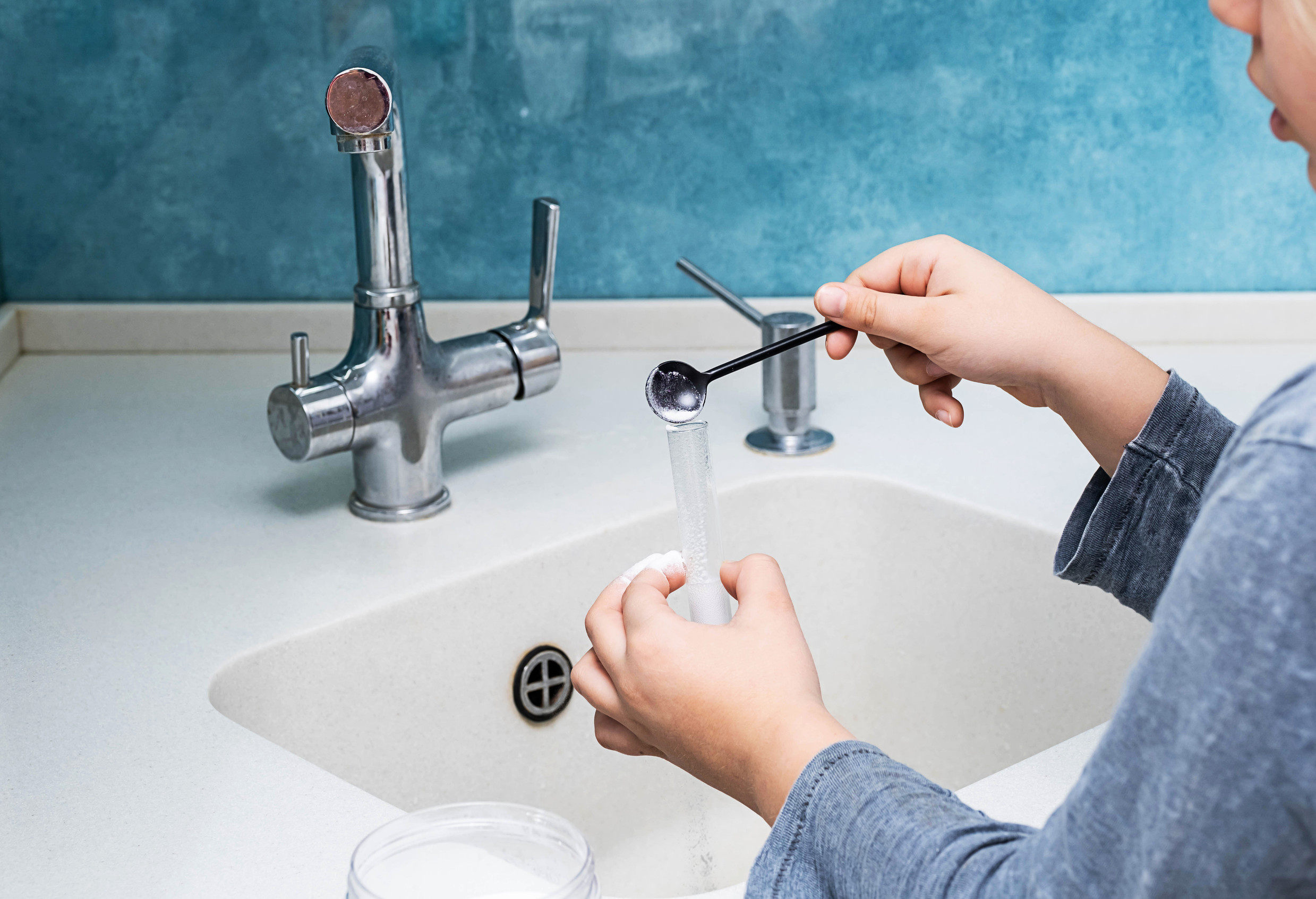
When a sink or tub drains slowly, many homeowners reach for a DIY drain cleaner. It is easy to understand why. Store shelves are full of bottles that promise fast results, and the idea of clearing a clog in minutes without calling a plumber is appealing. The problem is that chemical drain cleaners do not just attack clogs. In many cases, they attack your plumbing system too.
DIY drain cleaners can weaken pipes, damage seals, accelerate corrosion, and create safety hazards that make professional repairs harder and more expensive. They also often fail to solve the real problem, especially when the clog is caused by grease buildup, root intrusion, or deeper sewer line issues.
In this article, you will learn how chemical drain cleaners work, why they can harm different pipe materials, what warning signs to watch for, and safer, more effective alternatives to protect your drains and your home.
What “DIY Drain Cleaner” Really Means
Most DIY drain cleaners fall into a few categories:
- Caustic cleaners (often sodium hydroxide or potassium hydroxide)
Designed to dissolve organic material like hair and soap scum. - Oxidizing cleaners (often bleach based compounds like sodium hypochlorite or peroxides)
Work by chemically breaking down clogs through oxidation. - Acidic cleaners (often sulfuric acid or hydrochloric acid)
Extremely aggressive products that can rapidly break down some blockages. - Enzyme or bacterial cleaners
Marketed as gentler, often used for maintenance rather than true clogs.
The products most likely to cause pipe damage are the strong caustic and acidic formulas. They rely on heat and chemical reactions that can be harsh on plumbing materials, especially if used repeatedly or incorrectly.
How Chemical Drain Cleaners Work and Why That Matters
Chemical drain cleaners are designed to create a reaction that breaks down the clog. To do this, many products:
- Generate heat
- Create intense pH conditions (very alkaline or very acidic)
- React with organic materials and sometimes metals
In a perfect scenario, the chemical reaction targets the clog and flushes it away. In real life, many clogs are only partially cleared, and the chemical sits inside the pipe for far longer than intended. That is where the damage begins.
When a chemical cleaner sits in a pipe:
- Heat can soften plastics and weaken joints
- High or low pH can eat away at metal and rubber seals
- The pipe interior can be etched or roughened, increasing future clogs
Even when you pour hot water afterward, residue and weakened surfaces may remain.
Why DIY Drain Cleaners Can Damage Common Pipe Materials
Different pipe types react differently to harsh chemicals. Many homes have a mix of materials, so damage can occur in more than one area.
PVC and ABS plastic pipes
Plastic pipes are common in modern homes and are generally durable, but strong chemical drain cleaners can still cause problems.
Potential issues include:
- Softening of PVC or ABS with repeated heat exposure
- Warping at connections and traps if the chemical reaction generates high heat
- Weakening of glued joints over time
- Increased risk of cracks if the pipe is under stress or not well supported
The problem is worse when chemical cleaners sit in the trap or a low spot in the drain line.
Older metal pipes, galvanized and cast iron
Older homes may still have galvanized steel or cast iron drain lines. These are especially vulnerable.
Chemical cleaners can:
- Accelerate corrosion
- Eat away protective coatings inside the pipe
- Create pinhole leaks in already weakened sections
- Increase flaking and interior roughness that catches debris
Many homeowners do not realize their drains are already corroded inside. Chemical cleaners can push a barely stable pipe into failure.
Copper pipes in some drain applications
Copper is more common for supply lines than drains, but it can still appear in certain older configurations. Acidic cleaners can attack copper and soldered joints, causing leaks or weakening the metal.
Rubber seals and gaskets
Even if your main drain line is plastic, drain systems include rubber parts such as:
- Slip joint washers
- Toilet seals and gaskets
- Rubber couplings connecting pipe sections
Strong chemicals can degrade these seals, creating slow leaks that may go unnoticed until water damage appears.
Chemical Drain Cleaners Often Do Not Fix the Real Problem
One of the biggest reasons DIY drain cleaners lead to damage is that homeowners keep using them again and again when the problem returns. That usually means the clog was never fully removed or the real issue was not a simple clog in the first place.
Common clog causes chemical cleaners do not solve well:
- Grease buildup in kitchen drains
- Soap scum and mineral scale in bathroom lines
- Root intrusion in sewer lines
- Pipe bellies where water and waste sit in a low section
- Collapsed or cracked drain lines
- Improper venting that slows drainage and creates gurgling
If your drains clog repeatedly, the issue is often bigger than what a bottle can handle. The article on why drains keep clogging again and again explains how recurring blockages are often a symptom of deeper drain line problems: why your drains keep clogging again and again
DIY Drain Cleaner Risks for Homeowners and Technicians
Chemical drain cleaners can also create serious safety risks. These risks matter not only to you, but also to the plumber who may have to work on the line later.
Burns and toxic exposure
Drain cleaner splashes can cause:
- Skin burns
- Eye injuries
- Lung irritation from fumes
Mixing chemicals can be dangerous. For example, combining certain cleaners with other household products can produce toxic gases.
Harder professional repairs
If a chemical cleaner is sitting in a drain and you call a plumber, it creates an unsafe working condition. A technician may need extra time and precautions to avoid exposure. That can:
- Delay the repair
- Increase labor time
- Limit which tools can be safely used immediately
In severe cases, chemicals can splash during snaking or inspection, which is a serious hazard.
Why Chemical Cleaners Can Make Clogs Worse
This surprises many homeowners, but chemical cleaners can actually worsen clogs in certain situations.
Chemical reactions can harden debris
Some cleaners can partially break down a clog and then leave behind thick residue that hardens. This creates a tougher blockage that is harder to remove mechanically.
Heat can melt fats and re-solidify them
In kitchen drains, chemical cleaners often heat grease deposits. The grease may temporarily loosen, then re-solidify farther down the line where it cools, creating a deeper, more stubborn clog.
Roughened pipe walls catch more debris
If chemicals etch or roughen pipe interiors, the drain becomes more likely to trap hair, soap, and buildup, leading to more frequent clogs.
For homeowners dealing with slow drains, it is often more effective to focus on prevention. This guide on top tips to keep your drains from clogging provides habits and strategies that help reduce buildup without harsh chemicals: top tips to keep your drains from clogging
Safer DIY Alternatives to Try First
Not every slow drain requires professional service, and there are safer steps you can try before reaching for chemicals.
1. Remove and clean the drain stopper or strainer
Many clogs start right at the top of the drain. Hair, soap scum, and food debris collect around the stopper or strainer. Removing and cleaning this area can restore flow quickly.
2. Use a plunger correctly
A sink plunger or toilet plunger can dislodge many clogs if used properly. Create a good seal and use short, controlled plunges. For sinks, cover the overflow opening to improve suction.
3. Try a drain snake or hair tool
A small plastic hair snake can pull out clumps of hair and debris from bathroom drains without chemicals. Use it gently and avoid forcing it deep if you feel resistance.
4. Flush with hot water and dish soap for grease
For mild kitchen grease buildup, a flush of hot water combined with dish soap can help move grease along. This is not a cure for heavy buildup, but it can help with light residues.
5. Use enzyme based maintenance products
Enzyme cleaners are generally safer for pipes and can be used as a maintenance strategy. They are not ideal for major clogs, but they can help reduce organic buildup over time.
When You Should Call a Professional Instead
If you notice any of the following, it is time to skip DIY and call a plumber:
- Multiple drains are slow at the same time
- You have recurring clogs that return quickly
- You hear gurgling sounds in drains or toilets
- There are sewage odors in the home
- Water backs up into tubs, showers, or floor drains
- You suspect root intrusion or sewer line trouble
These symptoms often indicate a main line issue that needs proper diagnosis and equipment, not chemicals.
A professional can determine whether the issue is a localized clog, a buildup problem, or a damaged drain line. If repair is needed, professional drain line repair restores safe flow and prevents bigger failures. You can learn more through professional plumbing services.
What Professionals Use Instead of Chemical Drain Cleaners
Professional plumbers focus on mechanical and diagnostic solutions that solve the problem without damaging the pipe.
Common professional methods include:
Drain snaking with the right equipment
Professional augers can:
- Reach deeper into the line
- Break up clogs more effectively
- Remove debris rather than dissolving it
- Reduce the chance of pushing a blockage deeper
Hydro jetting for heavy buildup
Hydro jetting uses high pressure water to scrub pipe walls and flush debris out. It is especially effective for:
- Grease buildup
- Sludge and soap scum
- Repeated clogs
- Light root intrusion in some cases
Camera inspection for accurate diagnosis
A camera inspection shows the real problem, such as:
- Roots in the line
- Cracks, offsets, or collapses
- Pipe bellies holding water
- Heavy scale buildup
This prevents repeated wasted efforts and helps you choose the right repair path.
How to Protect Your Pipes and Reduce Clogs Long Term
The best way to avoid chemical drain cleaners is to reduce the clogs that make you want them in the first place. Here are practical habits that make a big difference.
Kitchen drain habits
- Never pour grease or oil down the sink
- Scrape plates into the trash before rinsing
- Use a sink strainer to catch food particles
- Run plenty of water when using the garbage disposal
Bathroom drain habits
- Use a hair catcher in shower and tub drains
- Avoid flushing wipes, even if they say flushable
- Clean drain stoppers and strainers monthly
- Address slow drainage early before buildup hardens
Schedule preventive drain cleaning if you have recurring issues
If your home has older pipes, frequent clogs, or known root problems, preventive maintenance can be cheaper than emergency calls.
Why Professional Help Saves Time and Money
It can feel cheaper to keep trying DIY products, but that often leads to:
- Repeat clogs
- Pipe damage and leaks
- Higher repair costs
- Emergency backups
- Increased water damage risk
Professional drain solutions fix the cause rather than masking the symptom. They also protect your plumbing system, which saves money over the long run.
If you want an experienced local team to diagnose clogs and restore drain flow safely, Advanced Heat, AC, & Plumbing offers full-service drain and sewer solutions for East Tennessee homeowners. You can get started through their trusted plumbing services page.
Conclusion
DIY drain cleaners are popular because they promise quick, easy results. But the truth is that many chemical products create heat, extreme pH conditions, and corrosive reactions that can weaken pipes, degrade seals, and accelerate corrosion, especially in older plumbing. They also often fail to solve deeper causes like grease buildup, root intrusion, or damaged drain lines, which leads homeowners to use more chemicals and increase the risk of pipe failure.
The safest approach is to use gentle troubleshooting first, such as cleaning stoppers, plunging, and using a simple drain tool. When problems are recurring, widespread, or accompanied by gurgling or odors, professional diagnosis and cleaning methods like snaking, hydro jetting, and camera inspections are the right move.
Protect your pipes now, and you avoid the bigger costs later. A clear drain is good, but a healthy drain system is even better.


