


Designing a "Zero-Waste" Bathroom: The plumbing infrastructure required
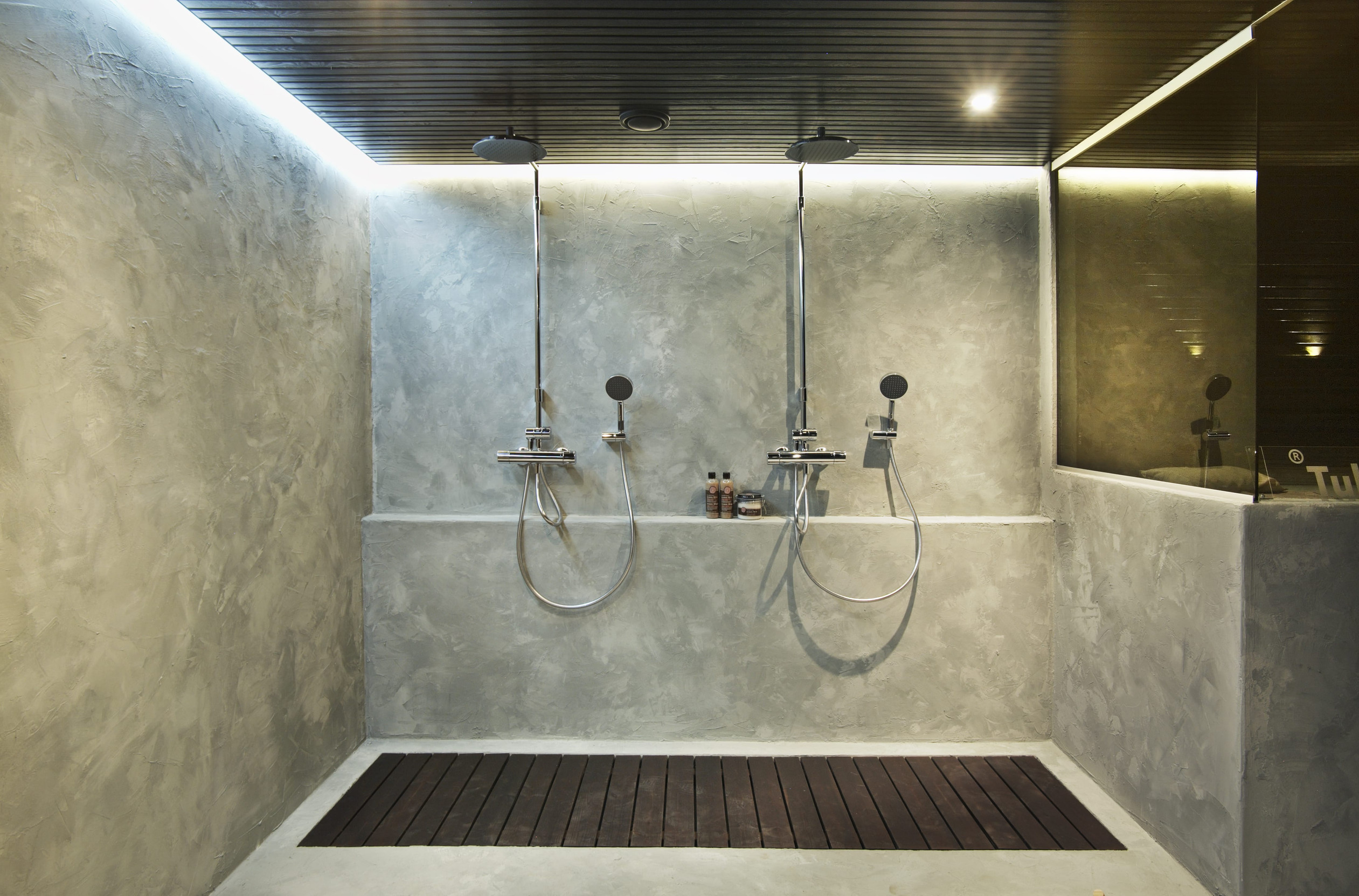
A truly low-waste bathroom is not built with bamboo toothbrushes and refillable soap alone. Those choices help, but the real foundation sits behind the wall. If your bathroom wastes water while you wait for hot water, leaks under the vanity, flushes more water than necessary, or traps mineral buildup that shortens fixture life, it is not really operating like a zero-waste space. A better bathroom starts with plumbing infrastructure that reduces water waste, limits hidden damage, supports long-lasting fixtures, and makes everyday habits easier to sustain.
What does a "zero-waste" bathroom really mean in plumbing terms?
For most homes, “zero-waste” is a direction, not a literal finish line. In plumbing terms, it means building a bathroom that wastes as little water, energy, and fixture life as possible while avoiding the hidden damage that sends materials to the landfill later.
That changes the conversation right away. A low-waste bathroom is not just about visible products. It is about whether the plumbing system behind the room supports efficient daily use.
In practice, that usually means designing around five goals:
- Use less water every time the room is used
- Deliver hot water with less delay and less waste
- Prevent leaks before they damage materials
- Choose fixtures that last and perform efficiently
- Make maintenance easy enough that the room stays efficient over time
This is why low-waste bathrooms should be thought of as plumbing systems first and style concepts second. A room can look eco-friendly and still waste gallons of water every week if the infrastructure is poorly planned. The more intentional the system is, the easier it becomes for the visible zero-waste habits to actually matter.
Why is plumbing infrastructure the real backbone of a low-waste bathroom?
Most bathroom waste is invisible. Homeowners notice empty bottles, disposable wipes, and paper products first, but the larger long-term waste often happens inside the plumbing system.
That includes:
- Water lost to dripping fixtures
- Water wasted while waiting for hot water
- Water overused by outdated toilets and faucets
- Materials damaged by unnoticed leaks
- Fixtures replaced early because water quality or pressure was ignored
- Molded or swollen materials that end up torn out during repairs
This is exactly why infrastructure matters more than many homeowners expect. The best zero-waste bathroom is not only the one that uses reusable accessories. It is the one that is hard to waste with in the first place.
A smarter bathroom layout, better fixture choices, and stronger leak protection all reduce the amount of correction the home will need later. In other words, good plumbing design reduces future waste, not just current water use.
If you want the broader version of this plumbing-first mindset, the best plumbing upgrades for home efficiency are a great starting point because the same infrastructure choices that improve efficiency also reduce long-term waste.
Which fixtures matter most when designing a low-waste bathroom?
The biggest impact usually comes from the fixtures that move the most water: the toilet, shower, and sink faucet. These are the places where small inefficiencies repeat every day.
A low-waste bathroom usually benefits most from:
High-efficiency toilets
Toilets are often the biggest water users in the bathroom. Choosing a modern high-efficiency or dual-flush style fixture can dramatically reduce unnecessary water use over time.
Water-efficient showerheads
A showerhead that maintains comfort while reducing water use is one of the fastest ways to improve bathroom efficiency.
Low-flow bathroom faucets
Bathroom sink faucets are used constantly, often for short tasks. A more efficient faucet helps reduce waste every single day.
EPA WaterSense guidance specifically supports water-efficient bathroom faucets, and the WaterSense program exists to help consumers identify products that are both efficient and performance-tested.
This is why the best water-saving plumbing fixtures make such a natural internal link here. The visible fixtures are where most homeowners first feel the benefits of better plumbing design.
Why hot water delivery matters more than people think
One of the least discussed forms of bathroom waste is the water that goes down the drain while someone waits for it to warm up. This happens every day in homes with long pipe runs, oversized distribution layouts, or poor placement between the water heater and the bathroom.
That wasted time becomes wasted water, and in many homes it also becomes wasted energy.
A better low-waste bathroom asks a few infrastructure questions early:
- How far is the bathroom from the hot water source?
- Is the pipe run longer than it needs to be?
- Is the pipe diameter appropriate for fast delivery?
- Would a smarter layout reduce how much cooled water sits in the line?
EPA WaterSense guidance on hot-water distribution specifically highlights the value of efficient system design that gets hot water to the tap faster and reduces wasted water while waiting.
This is one reason bathroom planning should never happen in isolation. If the sink, shower, or tub placement changes during renovation, the hot-water path changes too. A low-waste bathroom should be designed around delivery efficiency, not just fixture style.
How do you build leak prevention into a zero-waste bathroom?
Leaks are one of the biggest forms of hidden bathroom waste because they waste much more than water. They waste cabinet materials, drywall, flooring, trim, caulked finishes, and sometimes whole sections of the room.
A zero-waste bathroom should be hard to leak and easy to monitor.
That usually means prioritizing:
- Quality shutoff valves
- Strong fixture connections
- Good access to plumbing points
- Proper sealing around tubs and showers
- Durable supply lines
- Early warning tools in high-risk areas
This is where smart monitoring becomes more than a tech feature. EPA WaterSense now specifically provides resources around leak detection and flow-monitoring devices because reducing leak-related waste is such an important part of household water efficiency.
For homeowners who want a stronger prevention layer, smart leak detector systems fit naturally into a low-waste bathroom strategy because the fastest way to reduce leak waste is to catch water problems before they become material-loss problems too.
Are smart plumbing tools actually part of a zero-waste bathroom?
Yes, in the right home they absolutely can be. Smart plumbing should not be viewed only as a convenience category. In a low-waste bathroom, smart tools help reduce waste by shortening the time between problem and response.
That can include:
- Leak detection
- Flow monitoring
- Automatic shutoff support
- Usage awareness
- Faster response during travel or overnight hours
The point is not to make the bathroom feel futuristic for its own sake. The point is to protect the room from silent waste. A leak that runs for three days behind a vanity creates much more waste than almost any visible product swap could ever save.
This is why the benefits of smart plumbing systems fit so well into this conversation. Smart plumbing becomes especially valuable in a zero-waste design when it prevents the kind of silent water loss and damage that homeowners never intended but still end up paying for.
What role do bathroom layout and pipe placement play?
A truly low-waste bathroom begins long before fixtures are installed. It begins when the layout is being planned. Pipe placement affects everything from water delivery speed to drain reliability to how invasive future repairs will be.
Good bathroom plumbing layout helps reduce waste by:
- Shortening hot-water runs
- Reducing unnecessary fittings and turns
- Making shutoffs easier to access
- Improving serviceability later
- Supporting efficient fixture grouping
- Reducing the chance of awkward drain performance
This is especially important in remodels where homeowners are tempted to move every fixture to match a dream layout without considering what that does to the plumbing system behind the walls.
A low-waste bathroom is not always the one with the most dramatic layout. Often it is the one that balances beauty with plumbing logic. That is why important plumbing considerations for a bathroom renovation belong in this conversation. The less the plumbing has to fight the design, the more efficient the room becomes over time.
Why do drain performance and cleanliness matter in a low-waste bathroom?
Waste is not only about supply water. It is also about how wastewater leaves the room. A bathroom that drains poorly creates another kind of inefficiency. Soap scum, hair, mineral residue, and standing water shorten fixture life, worsen cleanliness, and often lead homeowners toward harsher cleaning habits and more frequent replacement of small components.
A better low-waste bathroom supports:
- Drains that move water efficiently
- Traps that stay functional and odor-free
- Easier access for routine cleaning
- Fewer buildup-prone trouble spots
- Better everyday maintenance without overusing chemicals
This matters because recurring drain issues create hidden waste too. They waste water during repeated rinsing attempts, encourage harsh cleaner use, and can eventually lead to repairs that involve replacing materials earlier than expected.
A bathroom that drains cleanly and predictably is easier to maintain with low-waste habits. It also keeps the room more sanitary without requiring constant correction.
How does hard water interfere with a zero-waste bathroom?
Hard water quietly works against low-waste goals because it shortens the life of fixtures, increases residue buildup, and makes the bathroom harder to keep efficient over time. Mineral-heavy water can coat aerators, showerheads, valves, and internal plumbing surfaces, which affects both performance and maintenance frequency.
That creates a waste problem in several ways:
- Fixtures may need replacement sooner
- Water flow may become less efficient
- More cleaning products may be used to manage residue
- Showerheads and faucets may lose performance
- Hidden buildup may affect the system long before failure is visible
This is a good example of why sustainable bathroom design is not only about what you buy at the store. It is also about the water conditions the system has to handle every day.
If mineral buildup is already a known issue in the home, how hard water affects your plumbing system belongs directly in your planning process because a low-waste bathroom works best when the water itself is not constantly accelerating wear.
What materials and fixture choices support long-term waste reduction?
Zero-waste bathrooms should be designed for longevity, not just immediate appearance. That means choosing plumbing-related materials and fixtures that can hold up under real daily use instead of needing replacement at the first sign of wear.
Strong long-term choices usually include:
- Durable faucets with serviceable parts
- Fixtures with proven water-efficiency standards
- Easy-to-access shutoffs and connections
- Quality supply lines and drain assemblies
- Shower hardware that resists buildup and cleans well
- Toilets and valves that are easy to service instead of fully replace
The goal is not perfection. The goal is fewer early replacements. A bathroom that needs constant fixture turnover is not low-waste, even if each fixture was marketed as eco-friendly at the time of purchase.
This is also why eco-friendly plumbing solutions for homes fit naturally here. Sustainable plumbing is strongest when the room is built around durability, repairability, and long-term performance, not only short-term branding.
Should a zero-waste bathroom include water reuse ideas?
Sometimes, but carefully. Homeowners often get excited about the idea of reuse systems, but bathroom reuse is one of those areas where good intentions still need sound plumbing design, local-code awareness, and practical judgment.
Aspirational ideas may include:
- Greywater concepts for approved applications
- Smarter fixture use rather than full reuse systems
- Better hot-water layout to waste less water at the source
- Leak prevention so usable water is not lost unnecessarily
For many homes, the most practical version of water reuse is actually water avoidance. In other words, waste less upfront through better fixture choice, faster hot-water delivery, and better leak control rather than jumping immediately into complex reuse systems.
That is why a low-waste bathroom often succeeds by getting the basics right first. Efficient supply, efficient fixtures, leak resistance, and better layout usually deliver bigger everyday gains than a complicated reuse feature added too early.
How do remodel planning mistakes create more waste later?
A lot of bathroom waste begins in the remodel itself. If the room is planned around aesthetics alone, homeowners may end up with longer hot-water runs, awkward access to shutoffs, hard-to-service fixtures, and layouts that make every future plumbing job more invasive than it needed to be.
Common remodel mistakes include:
- Moving fixtures without rethinking plumbing efficiency
- Choosing trendy fixtures with poor serviceability
- Ignoring future maintenance access
- Treating leak detection as optional
- Forgetting how daily use will affect real water waste
- Failing to coordinate plumbing decisions with overall renovation goals
This is why plumbing for your kitchen and bathroom remodel fits so naturally into this topic. A low-waste bathroom is not just a style project. It is a systems project. The more the plumbing is planned early, the less waste the room tends to create later.
Can a zero-waste bathroom also improve home value?
Yes, especially when it is done in a way that feels practical, durable, and attractive to future buyers. A bathroom that wastes less water, hides fewer risks, and uses smarter plumbing infrastructure is not only good for current living. It is also easier to market as a well-thought-out upgrade.
Buyers tend to respond well to:
- Efficient fixtures
- Smart leak protection
- Updated plumbing details
- Thoughtful renovation choices
- Lower-risk ownership features
- Bathrooms that feel modern but not gimmicky
That is why low-waste bathroom infrastructure is not only about savings. It can also support resale appeal when it is part of a larger pattern of smart home improvement.
If that matters to you, plumbing upgrades that instantly boost home value are worth looking at because the best zero-waste bathroom choices often overlap with the most buyer-friendly plumbing upgrades.
What does the right installation process look like?
A successful low-waste bathroom needs more than a shopping list. It needs the right installation sequence and the right plumbing priorities.
A strong project usually follows this order:
- Define what “low-waste” means for your household
- Decide which fixtures and habits matter most
- Review layout and hot-water delivery efficiency
- Build in leak prevention and service access
- Choose durable, efficient fixtures
- Account for water quality and long-term maintenance
- Install with the whole bathroom system in mind, not just one product at a time
This is where homeowners often benefit from stepping back and looking at the whole home plumbing picture. A single bathroom can be efficient on paper and still underperform if the house’s broader plumbing conditions work against it.
So what plumbing infrastructure is actually required for a zero-waste bathroom?
If you strip away the marketing language, the required infrastructure is not mysterious. A genuinely low-waste bathroom needs:
- Water-efficient fixtures
- Well-planned hot-water delivery
- Good drain design and dependable waste removal
- Leak prevention built into the room
- Service access for future repairs
- Smart monitoring where it adds real value
- Durable materials that resist early replacement
- A layout that supports efficient daily use
That is the real checklist. Not every bathroom needs every advanced feature, but every low-waste bathroom needs the infrastructure to waste less water, lose fewer materials to hidden damage, and last longer with less correction.
Build the bathroom to waste less first, then style it around that
A zero-waste bathroom is not created by accessories alone. It is created when the plumbing infrastructure underneath the room makes waste harder to produce in the first place. Efficient fixtures matter. Leak prevention matters. Hot-water delivery matters. Durable installation matters. If those things are ignored, the room may look eco-conscious while still wasting water, money, and materials behind the wall.
Here are the biggest takeaways:
- A low-waste bathroom starts with plumbing infrastructure, not surface products
- The biggest gains usually come from efficient fixtures, smarter hot-water design, and leak prevention
- The best zero-waste bathrooms are easier to maintain, easier to protect, and more durable over time
If you want to turn the idea into a real plan, the smartest next step is to start with professional plumbing services in Knoxville and East Tennessee so the bathroom is designed to waste less at the system level, not just the cosmetic level.


