


Garbage Disposal Repair vs Replacement for Knoxville Homeowners
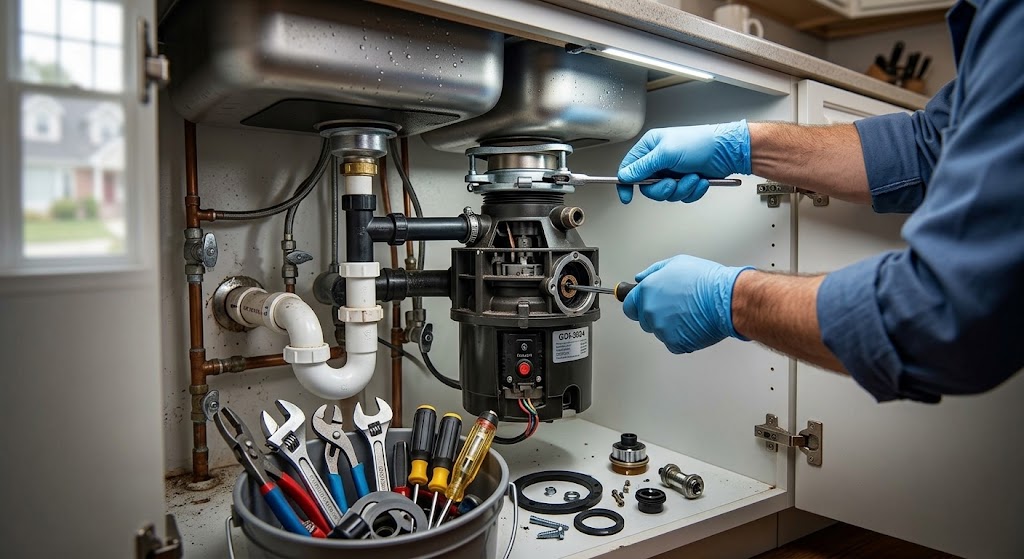
A garbage disposal is one of the most useful appliances in the modern kitchen, grinding food scraps into fine particles so they can wash down the drain without clogging your pipes. However, because it handles water, electricity, and heavy mechanical friction every day, a garbage disposal will eventually experience wear and tear. When your unit starts humming loudly, leaking under the sink, or refusing to turn on, you face a common decision: should you repair your existing unit or replace it with a new model?
Making the right decision saves you time, prevents water damage to your kitchen cabinetry, and ensures your plumbing system runs smoothly. In Knoxville, local factors like hard water mineral accumulation, septic tank systems in surrounding rural areas, and aging kitchen plumbing networks add extra layers to this decision. Understanding how your disposal operates, recognizing key failure symptoms, and comparing repair costs against replacement expenses helps you choose the best option for your home.
How Your Kitchen Garbage Disposal Operates
To decide whether a broken unit can be saved, it helps to understand how a garbage disposal works inside your sink cabinet. Unlike popular belief, garbage disposals do not feature rotating sharp knives or razor blades. Instead, they use a motor-driven flywheel equipped with blunt metal impellers or lugs. When you switch the unit on, centrifugal force hurls food scraps against a stationary perforated shredder ring. This continuous friction breaks food down into tiny particles that mix with cold tap water before flowing down into the P-trap and branch drain lines.
Cold Water & Food Scraps Enter Flange
       |
       v
Motor Spins Flywheel with Metal Impellers
       |
       v
Food Particles Shredded Against Outer Ring
       |
       v
Wastewater Discharges Through P-Trap into Drain Line
Because your garbage disposal connects directly to your kitchen drain line and often integrates with your dishwasher discharge hose, a failure in the disposal can compromise your entire kitchen waste system. Food debris trapped inside a failing unit can quickly back up into your sink or dishwasher. Understanding top causes of clogged drains and how to fix them highlights how food waste, grease, and mechanical restrictions interact to create stubborn blockages inside your waste pipes.
When Garbage Disposal Repair Is the Right Choice
Not every garbage disposal breakdown means you need to buy a brand new appliance. Many common disposal glitches are minor hiccups that can be fixed quickly and affordably. If your garbage disposal is less than six years old and has not suffered major structural rust or motor burnout, a repair is usually the most budget-friendly option.
1. The Motor Hums, But the Blades Will Not Spin
If you turn on the wall switch and hear a low humming sound without any grinding action, the motor is receiving electricity, but the impellers are jammed by an object. This frequently happens when tough items like fruit pits, small bones, silverware, or bottle caps become wedged between the rotating flywheel and the shredder ring.
In most cases, a plumber can clear this jam quickly by turning off the power, inserting an Allen wrench into the manual turning socket at the bottom center of the unit, and rocking the flywheel back and forth until the object dislodges. Once the object is removed and the red reset button is pressed, the disposal usually operates normally again.
2. The Unit Has No Power at All
When you flip the switch and hear zero sound, the issue is often electrical rather than mechanical. Garbage disposals feature an internal thermal overload breaker designed to shut down the motor before it overheats during a heavy jam.
Before assuming the motor is dead, check the bottom of the unit under the sink. If the small red reset button has popped out, pressing it back in may restore power instantly. If that fails, checking the wall outlet or the main electrical circuit breaker in your service panel often resolves the problem without needing new parts.
3. Minor Leaks from the Top Mounting Flange
Water pooling under your kitchen sink is always a concern, but the source of the leak determines whether you can repair it. If water is leaking from the top of the unit where it attaches to the sink drain, the issue is usually a loose mounting ring, a failed rubber gasket, or degraded plumber's putty.
A plumber can unmount the unit, clean the sink drain opening, reapply fresh plumber's putty or a new rubber mounting gasket, and secure the flange tight against the sink basin. This simple seal repair costs a fraction of a full replacement.
4. Dishwasher Connection Leaks or Loose Fittings
If water drips from the side inlet tube where your dishwasher discharge hose connects, the fix is typically as simple as tightening a hose clamp or replacing a worn rubber connector. Similarly, if the leak originates from the side discharge pipe leading to the P-trap, replacing a cheap rubber face gasket or tightening the two mounting screws will solve the leak.
Misconceptions About Disposal Care
Homeowners often rely on common DIY tricks or chemical remedies that actually shorten the lifespan of their appliances. Reviewing the most common plumbing myths debunked reveals why pouring harsh liquid drain openers down a jammed disposal corrodes internal seals and causes premature mechanical failure.
When Garbage Disposal Replacement Is Necessary
While minor jams and loose seals are easy to repair, garbage disposals have a finite operational life. Most residential units are built to last between 8 and 12 years. Once an appliance reaches the end of its useful service life, attempting repeated repairs becomes an unnecessary drain on your wallet.
1. Leaks Coming From the Bottom or Side of the Outer Housing
If water is dripping directly from the bottom electrical cover, the reset button housing, or cracks along the plastic side shell, the internal motor seal has blown or the grinding chamber has rusted through.
Once water penetrates the internal seal and enters the motor compartment, the appliance cannot be safely repaired. Water mixed with internal electrical wiring poses an electrical short hazard, and replacing internal motor seals costs more in labor than buying a brand-new disposal. When the shell or internal seal fails, replacement is mandatory.
2. The Motor Continuously Overheats or Trips the Circuit
If your garbage disposal turns on but trips its internal reset button or the main house circuit breaker every time you process a small handful of soft food, the motor windings are shorting out or overheating due to age. As electric motors age, their internal resistance increases, drawing excessive amperage that triggers safety shutoffs. Replacing an internal motor is not cost-effective compared to installing a new unit.
3. Frequent and Unexplained Clogging
If you are processing appropriate, non-fibrous food waste with plenty of cold water, yet your disposal jams constantly, the internal impellers or shredding ring have worn down. Over years of daily grinding, metal impellers lose their defined edges and fail to break food down into fine slurry. Passing large chunks of food into your drain pipes leads to persistent sink clogs and branch line backups.
4. Persistent Metal-on-Metal Grinding Noises
When a disposal produces a loud, piercing screech or metallic grinding noise even after you have verified that no metal objects or utensils are inside the chamber, the internal motor bearings have failed. Worn bearings cause the central shaft to wobble, allowing rotating metal parts to scrape directly against the stationary housing. Once motor bearings collapse, the unit must be replaced.
Protecting Your Cabinetry from Water Damage
Ignoring a leaking or failing disposal can quickly ruin your kitchen subfloor and sink cabinets. Learning how to prevent plumbing leaks in your home provides essential strategies for inspecting under-sink plumbing, catching slow drips early, and preventing costly mold and wood decay.
Diagnostic Breakdown: Repair vs. Replace Matrix
Evaluating symptoms alongside the age of your unit makes choosing between repair and replacement straightforward. The following diagnostic matrix outlines common disposal problems, their underlying causes, and the recommended course of action.
Sizing and Upgrading Your Replacement Unit
If you decide that replacing your garbage disposal is the best path forward, selecting the right motor size and material construction ensures your new appliance lasts for a decade or more.
1/3 HP Motor  -> Single Person Household / Light Food Prep
1/2 HP Motor  -> Small Household (2-3 People) / Standard Use
3/4 HP Motor  -> Family Household (4-5 People) / High Performance
1 HP+ Motor   -> Large Family / Heavy Duty / Tough Food Processing
Motor Horsepower Options
Residential garbage disposals generally range from 1/3 horsepower to 1 horsepower or more:
- 1/3 Horsepower: These entry-level units are compact and inexpensive, but they feature lightweight plastic grinding chambers and low-torque motors. They are suitable only for single occupants who cook infrequently and process minimal food waste.
- 1/2 Horsepower: This is the baseline standard for small homes and apartments. A 1/2 HP motor handles basic food scraps like soft vegetables and fruit peels, but it can struggle under heavy loads or fibrous items.
- 3/4 Horsepower: Ideal for average families, a 3/4 HP motor delivers significantly more torque, speeding up grinding and drastically reducing the risk of jams. Units in this class typically feature sound insulation panels and stainless steel grinding components that resist corrosion.
- 1 Horsepower and Above: These high-performance units grind tough food waste, such as small bones, cooked meats, and dense vegetable scraps, into an ultra-fine slurry. They feature heavy-duty heavy-gauge stainless steel components, advanced noise-dampening insulation, and jam-sensing technology.
Galvanized vs. Stainless Steel Grinding Components
Inexpensive disposals use galvanized steel for their impellers and shredder rings. Over time, exposure to water, food acids, and household cleaners wears away the zinc coating, allowing the steel beneath to rust and corrode. Higher-tier models use 100 percent stainless steel grinding components, which never rust and maintain their structural integrity far longer in hard water environments.
Local Knoxville Factors: Hard Water, Septic Tanks, and Aging Pipes
Living in Knoxville and the surrounding East Tennessee area introduces specific conditions that affect how long your garbage disposal lasts and how well it performs.
1. Hard Water Mineral Scaling
Knoxville's municipal water supply draws from local rivers and groundwater sources that pass through natural limestone formations. The resulting hard water contains elevated levels of dissolved calcium and magnesium.
As water evaporates around the sink flange and internal seals, calcium scale accumulates along rubber gaskets and metal joints. This mineral crust causes rubber seals to harden and crack prematurely, increasing the likelihood of leaks along the top flange and dishwasher connections.
2. Septic Tank Considerations in Surrounding Counties
If your property in Knox, Blount, or Loudon County utilizes a private septic system rather than a municipal sewer connection, operating a garbage disposal requires extra caution. Discharging large amounts of solid food waste into a septic tank increases the rate of sludge accumulation, requiring more frequent tank pumping.
If you have a septic tank, consider installing a specialized septic-safe garbage disposal. These models feature an integrated injection cartridge that dispenses natural microorganisms with every use. These micro-organisms help break down food starches, fats, and proteins inside the septic tank, preventing system backups.
3. Aging Cast Iron Branch Lines
Many older homes in neighborhoods like Fountain City, Bearden, and South Knoxville still have original cast iron drain lines under their floors. Unlike modern, smooth PVC pipes, aged cast iron pipes develop rough, rusted interior surfaces.
If an old or low-powered garbage disposal discharges coarse food chunks into a rough cast iron drain line, the food debris catches on internal rust scales, creating dense line blockages. When dealing with older drain networks, professional drain line repair services are essential for clearing line obstructions, removing tree root intrusions, and restoring smooth flow through original pipes.
Safe DIY Troubleshooting vs. Professional Installation
Before calling a plumber, there are a few safe troubleshooting checks you can perform on your own to see if your disposal can be revived.
Safe DIY Steps
- Always Disconnect Power First: Unplug the disposal from its under-sink wall outlet, or switch off the corresponding breaker in your electrical box before touching the appliance.
- Use the Manual Hex Wrench: Insert a 1/4-inch Allen wrench into the center hole on the bottom underside of the unit. Swivel the wrench back and forth to clear mechanical jams without placing your hands inside the hopper.
- Check the Red Overload Button: Feel the bottom center of the casing for the small red reset button. If it has popped out, push it back in until it clicks, restore power, and test the switch.
- Clean with Ice and Citrus Peels: If your unit works but smells bad, toss two cups of ice cubes, a tablespoon of coarse rock salt, and small lemon peels into the chamber. Run cold water and switch the unit on. The ice scrubs organic buildup off the flywheel, while the citrus neutralizes lingering odors.
When to Call a Professional Plumber
While simple unjamming can be done by a homeowner, major repairs or replacements should be handled by a licensed professional. Installing a new garbage disposal involves electrical wiring, precise mounting alignment against fragile sink materials, and leak-tight plumbing connections to your main drain line.
An improperly installed disposal can vibrate loose over time, crack porcelain or granite sinks, or cause subtle leaks behind cabinet walls that go unnoticed until structural wood rot occurs.
Enrolling in a routine home maintenance program ensures all your kitchen and bathroom plumbing connections are routinely inspected for slow leaks, improper slope, and mechanical wear. Joining a comprehensive plumbing service plan provides regular professional evaluations, priority dispatch, and discounts on repairs, catching minor under-sink issues before they turn into major water damage emergencies.
Making the Final Decision for Your Home
Choosing between garbage disposal repair and replacement comes down to weighing the age of your unit, the source of the failure, and the overall cost of service.
If your disposal is less than six years old and suffers from a simple clog, jammed flywheel, or loose top flange, repairing the unit is a fast, economical choice that preserves your kitchen setup. However, if your appliance is over eight years old, leaks from the bottom motor housing, or continuously trips your electrical system, investing in a modern, high-horsepower replacement with stainless steel components delivers long-term peace of mind, quieter operation, and superior grinding performance for your Knoxville home.


