


How Often Should Commercial Buildings Inspect Their Plumbing in Knoxville
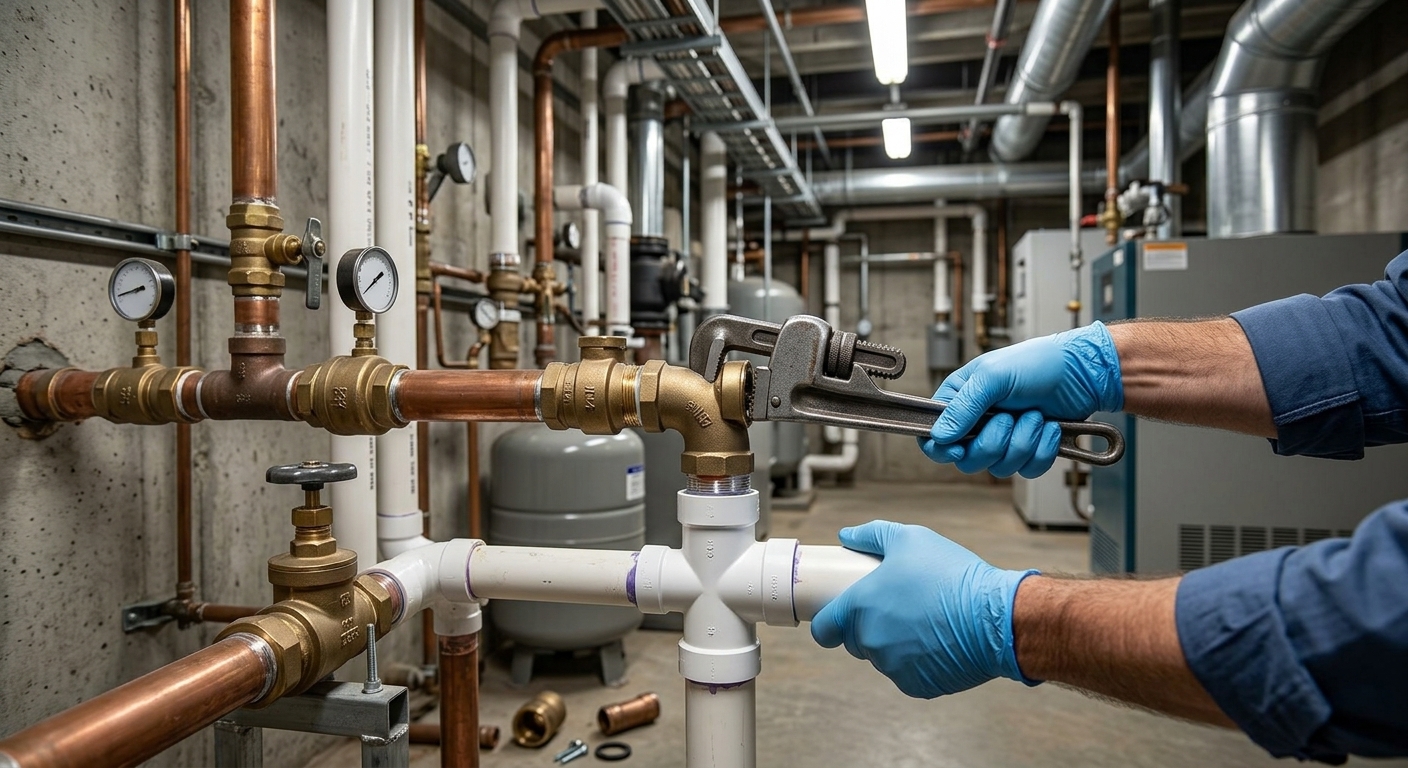
Knoxville is experiencing a massive wave of commercial growth. From the bustling retail centers of Turkey Creek to the historic renovated properties in the downtown corridor, commercial real estate is thriving. However, behind the drywall and beneath the concrete foundations of these buildings lies a complex network of pipes, valves, and water heating systems that must operate flawlessly day in and day out. When a commercial plumbing system fails, the consequences are immediate and severe. A broken pipe or backed up sewer line does not just cause water damage. It forces businesses to close, drives away customers, creates health code violations, and results in massive revenue losses.
For property managers, facility directors, and business owners in East Tennessee, proactive plumbing maintenance is not a luxury. It is a strict operational necessity. The question then becomes one of timing and frequency. How often should commercial buildings inspect their plumbing in Knoxville to prevent catastrophic failures? The answer depends heavily on the type of facility, the age of the infrastructure, and the specific environmental factors unique to the Knox County region.
This comprehensive guide breaks down the ideal inspection schedules, the localized challenges of Knoxville plumbing, and the financial benefits of staying ahead of plumbing disasters.
The Unique Plumbing Environment in Knoxville
To understand why commercial plumbing inspections are so critical, you first have to understand the specific environmental and geographic factors at play in East Tennessee. Plumbing systems here face challenges that are different from those in coastal cities or arid desert environments.
First, Knoxville water is notoriously hard. Whether your facility draws water from the Knoxville Utilities Board (KUB), the First Utility District (FUD), or the West Knox Utility District, the water originates from the Tennessee River basin and regional underground aquifers. This water passes through miles of natural limestone bedrock, absorbing high levels of dissolved calcium and magnesium. When this mineral heavy water is heated inside commercial boilers and water heaters, the minerals precipitate out of the water and form rock hard limescale. This scale coats the inside of pipes, clogs faucet aerators, and destroys commercial water heating elements at a rapid pace.
Second, the soil in East Tennessee is heavy red clay. Clay soil is highly expansive. When it rains heavily during the spring, the clay absorbs water and expands, putting immense pressure on underground sewer lines and water mains. During the hot, dry summer months, the clay shrinks and pulls away from the pipes. This constant shifting causes underground commercial pipes to crack, belly, or collapse entirely.
Finally, Knoxville experiences significant seasonal temperature swings. While winters are generally mild compared to the northern states, sudden arctic blasts are common in January and February. Commercial buildings with exposed plumbing in unheated parking garages, loading docks, or poorly insulated crawlspaces are highly susceptible to freezing and bursting pipes.
Understanding these local factors makes it clear why you need a professional plumbing inspection on a strict, recurring schedule to protect your commercial real estate investments.
Determining Your Baseline Inspection Frequency
There is no universal answer that applies to every commercial building. A small accounting firm operating out of a converted historic home in Bearden will not have the same plumbing maintenance needs as a massive high volume restaurant on the Cumberland Avenue strip. However, facility managers can determine their ideal inspection frequency by categorizing their building into one of three risk levels.
Low Risk Commercial Properties
Low risk properties include standard office buildings, small retail boutiques, and warehouses with minimal staff. These buildings typically have standard bathrooms, a small breakroom kitchen, and operate during normal business hours. For these facilities, an annual comprehensive professional inspection is usually sufficient, provided that on site staff perform basic weekly visual checks.
Medium Risk Commercial Properties
Medium risk properties include multi family apartment complexes, large corporate headquarters, fitness centers, and medical clinics. These facilities feature high water usage, public locker rooms, specialized medical sinks, or multiple floors of complex piping. Because the volume of water moving through the building is significantly higher, these facilities require bi-annual professional inspections (every six months) to catch wear and tear before it results in a system failure.
High Risk Commercial Properties
High risk properties include restaurants, commercial food processing facilities, hotels, hospitals, and industrial manufacturing plants. These buildings push their plumbing systems to the absolute limit. Commercial kitchens generate massive amounts of grease and food waste, while hotels demand thousands of gallons of hot water simultaneously. For high risk facilities, quarterly professional inspections (every three months) are mandatory to clear grease traps, descale water heaters, and verify that safety valves are functioning properly.
Daily and Weekly In House Plumbing Checks
Professional plumbers are essential, but the first line of defense against plumbing disasters is your own facility maintenance team or on site staff. Establishing a routine checklist for your employees can catch a minor drip before it floods a showroom floor. Reviewing basic concepts on how to prevent plumbing leaks in your home can help commercial staff apply similar vigilance to a commercial setting.
Staff should walk through all public and private restrooms daily. They should look for toilets that continue to run long after being flushed, which wastes thousands of gallons of water and drives up utility bills. They should check beneath sinks for signs of moisture, warped cabinetry, or dripping P-traps.
In commercial kitchens, staff should monitor the floor drains daily. Slow draining water indicates that grease and food particles are beginning to build up in the lateral lines. Catching a slow drain early allows you to schedule a targeted cleaning before the line completely backs up during a busy Friday night dinner rush. Facility managers should also check the water pressure on commercial dishwashers and pre rinse sprayers weekly. A sudden drop in pressure often indicates a failing pressure reducing valve or severe scale buildup in the supply lines.
Monthly and Quarterly Professional Maintenance
For medium and high risk facilities, quarterly visits from a licensed Knoxville commercial plumber are necessary to maintain heavy duty equipment.
Commercial water heaters are the most critical component requiring quarterly attention. Because of the hard water in Knox County, commercial tanks accumulate mineral sludge at the bottom very quickly. A professional plumber will flush the tanks quarterly to remove this abrasive sediment. If the facility utilizes high efficiency tankless water heaters, the plumber will run a chemical descaling solution through the heat exchangers to dissolve calcium buildup and restore energy efficiency.
Grease traps are another major focus during quarterly inspections. Municipal codes in Knoxville are incredibly strict regarding commercial grease disposal. If a restaurant allows grease to enter the public sewer system, the local utility board can levy massive fines. Plumbers will inspect the grease trap baffles, ensure the trap is being pumped on schedule, and utilize hydro jetting equipment to blast away grease residue from the lateral lines connecting the kitchen to the main sewer.
Sump pumps and sewage ejector pumps also require quarterly testing. Many commercial buildings in Knoxville have underground parking garages or basement levels that sit below the municipal sewer line. These properties rely on heavy duty ejector pumps to push wastewater up to the street level. A plumber will test the float switches, inspect the impeller blades, and verify the electrical connections to ensure these pumps do not fail during heavy spring rainstorms.
The Annual Comprehensive Plumbing Audit
Regardless of your building type, every commercial property in Knoxville must undergo a complete, top to bottom plumbing audit at least once a year. This inspection covers the critical infrastructure that keeps the building safe, compliant, and operational.
Backflow Preventer Testing
This is not an optional inspection. In Knox County, local utility providers require all commercial properties to have backflow prevention devices tested and certified annually. A backflow preventer is a mechanical valve assembly that stops contaminated water from flowing backward into the clean public water supply during a sudden drop in municipal pressure. A licensed backflow testing professional must connect specialized gauges to the valve, verify it holds pressure, and submit the certification paperwork directly to the local utility board. Failure to complete this annual test will result in the utility company shutting off water service to your building.
Video Camera Sewer Inspections
Because of the shifting red clay soil mentioned earlier, commercial sewer lines are under constant physical stress. Tree roots from mature landscaping are also drawn to the moisture inside sewer pipes and will crush through aging cast iron or clay pipes to get to the water. An annual video inspection involves running a high definition camera through the main sewer line to the street connection.
This allows the plumber to spot root intrusions, pipe bellies holding stagnant water, or structural cracks before the line completely collapses. Understanding the top causes of clogged drains and how to fix them helps facility managers appreciate the value of video diagnostics. If structural damage is found, the facility can proactively schedule professional drain line repair during off hours, rather than facing an emergency excavation that shuts down the business for days.
Pressure Reducing Valve and System Pressure Checks
Municipal water in Knoxville is pumped at very high pressure to reach fire hydrants and tall buildings. Commercial properties use Pressure Reducing Valves to step this high pressure down to safe levels for indoor plumbing fixtures. Over time, these valves wear out. If a valve fails, high pressure water blasts into the building, blowing out toilet seals, rupturing water heater tanks, and causing widespread flooding. The annual inspection includes testing the static and dynamic water pressure to ensure these critical safety valves are functioning correctly.
Leak Detection and Thermal Imaging
Micro leaks inside commercial walls can go unnoticed for months. A slow drip behind a bathroom wall will eventually cause structural rot and severe black mold growth. During an annual audit, modern commercial plumbers use acoustic listening devices and infrared thermal imaging cameras to scan walls and ceilings for hidden moisture pockets that are invisible to the naked eye.
The Financial Case for Proactive Inspections
Many business owners view preventive plumbing maintenance as an unnecessary expense. This is a dangerous financial mindset. Commercial plumbing repairs are exponentially more expensive when they occur as emergencies.
Consider a restaurant experiencing a main sewer backup on a Saturday evening. Not only must the owner pay premium emergency, after hours labor rates to a plumbing company, but they also lose the revenue from the entire dinner service. They must throw away contaminated food inventory. They may have to pay to replace water damaged flooring and drywall in the dining room. Furthermore, if customers post negative reviews about the smell or the closure online, the long term damage to the business reputation can be devastating.
Insurance companies also heavily favor properties with documented maintenance histories. If a building suffers catastrophic water damage, the insurance adjuster will ask for maintenance records. If the adjuster discovers that the flood was caused by a water heater that had not been inspected or maintained in ten years, the insurance company may deny the claim due to owner negligence.
The smartest financial decision a Knoxville facility manager can make is enrolling the property in a structured plumbing service plan. These commercial plans automate the inspection schedule, ensuring that required backflow tests, water heater descaling, and drain cleanings happen right on time. Service plan members also receive priority dispatching and discounted labor rates when unexpected emergencies do occur.
By treating commercial plumbing as a critical business asset rather than a background utility, Knoxville building owners can protect their revenue, ensure a safe environment for their employees, and vastly extend the lifespan of their mechanical infrastructure.
Frequently Asked Questions
What happens if I fail to get my commercial backflow preventer tested in Knoxville?
Local utility providers like KUB take backflow prevention very seriously. If you fail to have your backflow assembly tested and certified by a licensed professional annually, the utility provider will issue a warning and eventually shut off the main water supply to your commercial building until compliance is met.
How do I know if my commercial water heater needs to be descaled?
Signs of heavy scale buildup include a popping or rumbling noise coming from the tank during operation, a noticeable drop in hot water capacity during peak hours, sudden increases in gas or electric utility bills, and low hot water pressure at the faucets.
Why do commercial sewer lines in Knoxville crack so frequently?
The heavy red clay soil in East Tennessee is highly expansive. It absorbs moisture and swells during wet seasons, and shrinks dramatically during dry seasons. This constant expansion and contraction puts immense physical stress on underground pipes, causing them to shift, crack, or collapse over time.
How often should a commercial restaurant pump its grease trap?
Most municipal codes require commercial grease traps to be pumped out at least every 90 days. However, high volume restaurants, fast food locations, or facilities operating fryers continuously may need to have their grease traps pumped and the lines jetted every 30 to 60 days to prevent sewer backups.
Can my on site maintenance staff perform official plumbing inspections?
While on site staff should perform daily and weekly visual checks for leaks and pressure issues, official maintenance tasks like backflow testing, gas line inspections, and commercial water heater descaling must be performed by a state licensed plumbing contractor to maintain warranties and code compliance.
What is hydro jetting and when is it used in commercial buildings?
Hydro jetting is a process that uses highly pressurized water up to 4000 PSI to scour the inside of commercial drain lines. It is vastly superior to traditional drain snaking because it completely removes heavy grease sludge, mineral scale, and tree roots, rather than just punching a small hole through the blockage.
Why does my commercial building have low water pressure on the top floors?
Low pressure on upper floors is typically caused by a failing booster pump system, a defective main Pressure Reducing Valve at the street connection, or severe mineral scale buildup narrowing the interior diameter of the vertical supply pipes.
Are commercial water heaters different from residential water heaters?
Yes. Commercial water heaters are designed for continuous, high demand usage. They have much larger storage capacities, significantly higher BTU burners or wattage elements, and run at higher temperatures to meet commercial health code requirements. They require more frequent and specialized maintenance than residential units.
What should I do if a water pipe bursts in my commercial building?
You should immediately locate and shut off the main water isolation valve for the building or the specific floor where the break occurred. Once the water is secured, evacuate staff from the immediate area to prevent electrical shock hazards and call an emergency commercial plumbing service immediately.
How does a preventive plumbing maintenance plan save my business money?
A maintenance plan saves money by catching minor issues before they become catastrophic emergencies. It prevents expensive after hours service calls, extends the lifespan of expensive equipment like commercial boilers, reduces monthly utility bills by keeping equipment running efficiently, and prevents lost revenue from unexpected business closures.


