


How to Know When to Replace Your HVAC System
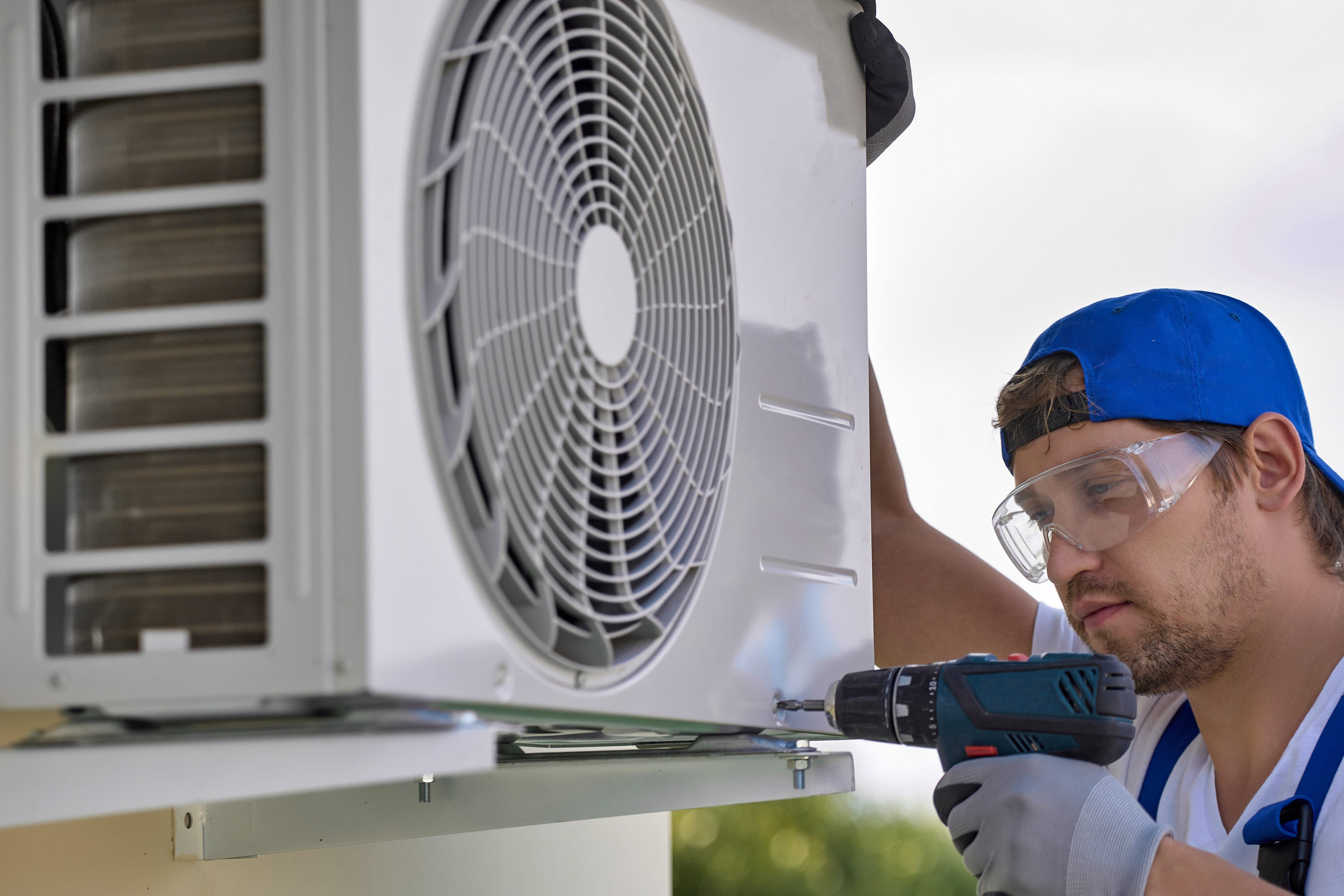
Replacing an HVAC system is a big decision because it affects your comfort, monthly utility bills, indoor humidity, and how often you deal with repairs. Most homeowners want to avoid replacing a system too early, but waiting too long can cost more in repeat service calls, high energy use, and emergency breakdowns during the hottest or coldest days of the year.
The best way to decide is to look at clear signals: age, repair frequency, comfort and airflow performance, energy costs, and whether your system is still operating safely and reliably. This guide walks through the most common signs it is time to replace your HVAC system, how to compare repair versus replacement, and how to plan the upgrade so you are not forced into a rushed decision.
Start with age, but do not stop there
Age is one of the simplest indicators, but it should be considered alongside performance and repair history. Many systems can run well for years with good maintenance, while others decline early due to heavy usage, poor airflow, or inconsistent service.
Typical residential lifespan ranges include:
- Air conditioners often last about 10 to 15 years
- Heat pumps often last about 10 to 15 years
- Gas furnaces often last about 15 to 20 years
If your system is near the later part of these ranges, replacement becomes more likely when comfort drops or repairs become frequent. If your system is younger but showing repeated problems, it may still be a candidate for replacement if the underlying issue is chronic, such as duct design problems or major component failures. For a practical routine that helps maximize lifespan and reduce surprise breakdowns, see this year-round HVAC maintenance guide.
Frequent repairs are a strong replacement signal
A single repair does not mean you need a new system. What matters is the pattern. When repairs become frequent, or the same repair keeps returning, your system may be entering a stage where multiple components are wearing out and stressing each other.
Consider replacement if you notice:
- Two or more repairs in a single season
- The same problem returning after a recent fix
- Multiple parts failing close together (capacitor, motor, control board)
- Repairs that keep restoring operation but not improving comfort
A helpful way to think about this is risk and disruption. If you are constantly scheduling service calls, you are paying for both the repair and the inconvenience. It also becomes harder to plan because failures tend to happen during peak weather when schedules are tight. If you are unsure whether your current symptoms point to repair or a bigger decision, review these signs your HVAC system needs repair.
Rising energy bills with no lifestyle change
One of the most common reasons homeowners replace an HVAC system is cost. If your energy bills rise steadily and your comfort does not improve, your system may be running longer to do the same job. Longer run times usually mean reduced efficiency caused by age, wear, or airflow and heat transfer problems.
Common reasons older systems cost more to operate include:
- Dirty or worn components reduce heat transfer
- Refrigerant performance issues cause long cycles
- Airflow drops due to duct leaks, coil buildup, or blower wear
- Older technology is typically less efficient than modern designs
- Duct losses waste conditioned air in attics or crawlspaces
Before replacing, you can confirm whether basic efficiency steps help. This HVAC efficiency improvement guide outlines common changes that reduce run time. If those steps do not meaningfully change your comfort or bills, replacement becomes a more logical next step.
Your system cannot keep up with normal weather
A system that struggles during extreme heat or cold may not need replacement if conditions are truly unusual. But a system that cannot maintain comfort during typical seasonal weather often signals reduced capacity, chronic airflow issues, or equipment nearing the end of reliable service.
Replacement becomes more likely if:
- The home never reaches the set temperature on normal days
- The system runs almost nonstop without improving comfort
- You have persistent hot or cold rooms that never stabilize
- Cooling is much worse in late afternoon than morning
- Heating feels weak and uneven across the home
Sometimes the cause is repairable, like a failing capacitor, dirty coils, or duct leakage. Other times, it indicates the system is simply worn out or mismatched to the home.
Humidity problems that do not improve with normal fixes
In East Tennessee, humidity is a major comfort factor. If your home feels sticky in summer even when the thermostat is set low, your system may not be removing moisture effectively. That can happen when airflow is restricted, when the system short cycles, or when equipment is aging and struggling to operate within its design range.
Signs your system may be losing humidity control include:
- Indoor air feels damp or heavy
- Musty odors return quickly
- You see condensation on windows more often
- The home feels warmer than the thermostat reading
- You lower the thermostat repeatedly but still feel uncomfortable
Poor humidity control can also create indoor air quality concerns and increase the risk of mold in problem areas. If humidity has become a persistent issue and your system is older, replacement can be a meaningful upgrade, especially when paired with proper sizing and airflow improvements.
Weak airflow and duct delivery problems that never go away
Airflow issues can make any system feel weak. If you have consistently poor airflow, uncomfortable rooms, or uneven temperatures, the problem may be the ducts, the blower, or restrictions in the system. In many homes, airflow issues are fixable. But when an older system is paired with long-term duct and airflow problems, replacement often becomes an opportunity to correct multiple issues at once.
Replacement should be considered when:
- Airflow is weak at multiple vents even with a clean filter
- One side of the home never matches the thermostat area
- You have constant temperature imbalance season after season
- The system has a history of freezing coils or overheating
A professional evaluation can determine whether duct sealing, balancing, or resizing is needed alongside equipment replacement. Fixing ducts without upgrading old equipment can help, but combining both can deliver the biggest comfort improvement.
Noise, vibration, and rough operation
A system that gets louder over time is often telling you components are wearing out. While some noise can be fixed, increasing vibration and harsh operation are common late-stage symptoms, especially when paired with poor performance.
Replacement becomes more likely if you notice:
- Banging, clanking, or rattling that returns
- Grinding or screeching sounds from motors
- Loud buzzing at startup
- Outdoor unit sounds strained during hot weather
- The system feels less stable and more “rough” overall
These symptoms can indicate blower wear, condenser fan issues, compressor strain, or mounting and mechanical fatigue. If you are spending money chasing noise issues on an older system, it may be smarter to invest that budget into replacement rather than repeating repairs.
Safety and reliability concerns in older heating systems
For furnaces, safety should always outweigh cost. If you have an older gas furnace with recurring shutdowns, unusual odor concerns, or signs of unsafe operation, replacement may be the best decision even if the unit still produces heat.
Common safety-related reasons to replace include:
- Frequent safety switch trips or repeated shutdowns
- Corrosion or heavy wear on critical components
- Unreliable ignition and repeated service needs
- Evidence of venting problems or soot patterns
Even when a furnace is repairable, an aging unit with reliability issues can create stress, especially during cold snaps. Replacing before a failure helps you avoid being forced into an emergency situation.
Repair vs replacement: a practical decision framework
Many homeowners get stuck deciding whether to repair again or replace. The most useful framework is to evaluate cost, risk, and expected improvement.
Ask these questions:
- Is the system old enough that more failures are likely soon
- Are repairs becoming frequent or expensive
- Will the repair improve comfort and reduce run time, or only restore operation
- Are bills rising even after basic maintenance
- Are you still unhappy with comfort and airflow after multiple fixes
Replacement usually makes sense when repairs are frequent, comfort is inconsistent, and efficiency is clearly declining. Repair often makes sense when the system is relatively young, the issue is isolated, and overall performance is still strong.
If you want a clear overview of what homeowners typically gain with a new system, this article on the benefits of upgrading your HVAC system provides a practical list of improvements.
What homeowners usually gain with a new HVAC system
A well-installed, correctly sized replacement system often delivers benefits that go beyond avoiding breakdowns.
Common improvements include:
- Lower energy use due to higher efficiency and better performance
- More consistent temperatures throughout the home
- Better humidity control in summer
- Quieter operation indoors and outdoors
- Fewer service calls and improved reliability
- Better compatibility with modern controls and comfort features
The biggest difference usually comes from two factors: correct system sizing and installation quality. A high-quality system can still perform poorly if ducts are ignored or the equipment is oversized or undersized for the home. Replacement is most successful when the contractor evaluates the whole comfort system, not only the outdoor unit.
Best timing: replace before you are forced into it
The easiest HVAC replacement is the one you plan. Waiting until the system fails completely often leads to rushed decisions, limited scheduling options, and higher stress. Planning ahead gives you time to compare options, evaluate efficiency features, and schedule installation at a convenient time.
Good times to plan replacement include:
- Early spring before peak cooling season
- Early fall before cold snaps
- When you notice repair frequency increasing
- When comfort issues become consistent rather than occasional
If your system is still running but showing warning signs, a professional assessment can help you plan replacement timing without guessing.
What to expect from a replacement evaluation
A strong replacement recommendation should be backed by evidence, not pressure. A good evaluation typically includes:
- Review of system age, performance, and repair history
- Comfort and airflow assessment, including duct condition
- Discussion of home layout, room issues, and humidity concerns
- Options for equipment levels based on your goals and budget
- Explanation of why the current system is failing to deliver comfort or efficiency
If your primary goal is reducing costs, you may also want to review practical habits and improvements that help regardless of whether you replace now or later. This guide on how to save money on HVAC costs provides additional strategies that support comfort and lower bills.
If you replace, maintenance becomes the simplest way to protect your investment
A new system lasts longer and performs better when it is maintained. Filters, airflow, and coil cleanliness matter just as much for a new unit as for an old one. Maintenance keeps efficiency high and catches small problems early.
When you are ready, start with a full-service HVAC team
If you are reaching the point where replacement makes sense, the next step is getting professional options that match your home, comfort goals, and budget. You want a team that can evaluate repair history, confirm airflow and duct considerations, and recommend the right system size instead of guessing.
To explore options for evaluation, repair, or replacement in Knoxville and surrounding areas, start with local HVAC services in East Tennessee.
Conclusion
You can usually tell it is time to replace your HVAC system when multiple signals stack up: the system is older, repairs are becoming frequent, comfort is inconsistent, airflow is weak, humidity control is poor, and energy bills keep rising. If you are repeatedly paying for repairs that restore operation but do not restore comfort, replacement often becomes the smarter long-term decision.
The best plan is to replace on your schedule, not during an emergency. If your system is showing these signs, a professional evaluation can help you compare repair versus replacement clearly and choose an upgrade that delivers lower bills, better comfort, and peace of mind for years.


