


How to Prevent Frozen Pipes in East Tennessee Winters
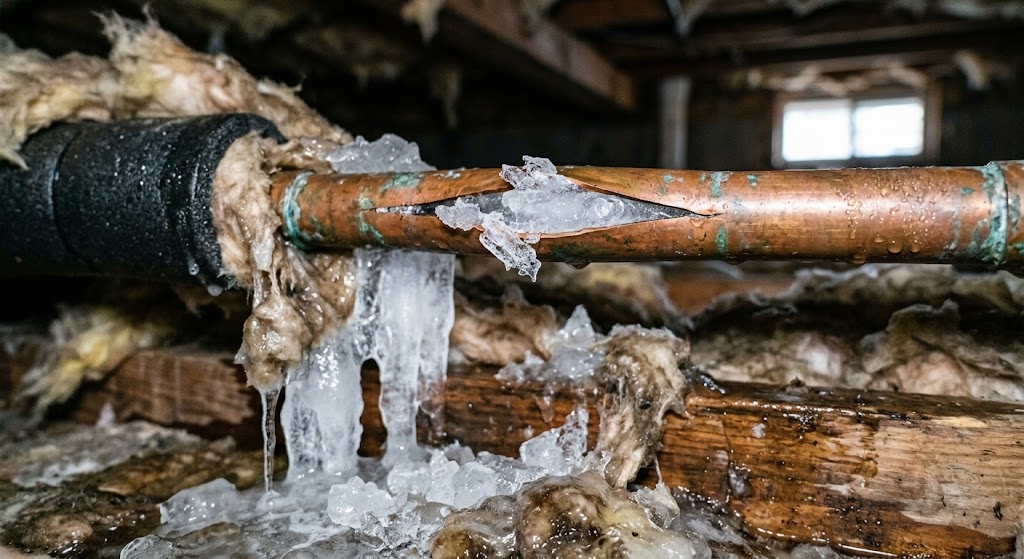
Winter in East Tennessee is notoriously unpredictable. A mild December afternoon with temperatures in the upper fifties can quickly give way to an Arctic cold front that plunges temperatures into the single digits overnight. Sub-zero wind chills, rapid temperature drops, and sudden polar vortex events pose a severe threat to residential plumbing systems across Knoxville, Maryville, Oak Ridge, Sevierville, and surrounding communities.
When water freezes inside a pipe, it undergoes a physical expansion of approximately nine percent. In a closed plumbing system, this expansion creates immense hydraulic pressure between the ice blockage and the closed faucet. This buildup can reach upwards of several thousand pounds per square inch, easily bursting copper, galvanized steel, PVC, and even PEX pipes. A single ruptured water line can release hundreds of gallons of water per hour, causing catastrophic structural damage, ruining flooring and sheetrock, and encouraging dangerous mold growth.
Taking proactive, seasonal steps to safeguard your home against freezing conditions is far simpler and vastly less expensive than dealing with emergency flood repairs. This comprehensive guide details why East Tennessee homes are particularly vulnerable to winter pipe freezes, how to prepare your plumbing before cold weather arrives, and what steps to take during severe winter storms.
Understanding East Tennessee's Winter Climate and Architectural Vulnerabilities
The geography of the Great Smoky Mountains and the Tennessee Valley creates unique weather patterns. Unlike northern states where winter temperatures remain consistently below freezing for months at a time, East Tennessee experiences rapid freeze-thaw cycles. It is precisely these sudden drops in temperature that catch homeowners off guard.
In addition to volatile weather, traditional housing construction throughout East Tennessee includes structural features that increase the risk of frozen plumbing lines.
Crawlspace Foundations
A large percentage of homes built in Knox, Blount, Sevier, and Anderson counties are constructed over open or vented crawlspaces rather than full basements or concrete slabs. Water supply lines supplying kitchens and bathrooms are often suspended beneath floor joists in these unheated spaces. When frigid winter winds blow through open foundation vents, cold air directly sweeps across bare water pipes, freezing them within hours.
Uninsulated Attics and Knee Walls
In two-story homes or split-level designs, water lines frequently run through attic spaces or knee wall cavities to reach upper-floor bathrooms. If these pipes rest on the unheated side of the ceiling insulation, they are exposed to ambient attic temperatures that track closely with outdoor winter weather.
Overhanging Cantilevers and Exterior Walls
Modern home architecture often includes upper-story cantilevers, bay windows, or kitchens situated along exterior walls. Plumbing running through poorly insulated exterior wall cavities or unheated floor overhangs lacks sufficient thermal protection during prolonged sub-freezing events.
Pre-Winter Plumbing Preparation: Your Autumn Checklist
Protecting your plumbing system should begin well before the first freeze warning is issued by local weather outlets. Completing a thorough winterization checklist in late autumn builds a strong baseline of defense against harsh cold snaps.
1. Disconnect and Drain Outdoor Hoses
Leaving a garden hose attached to an outdoor spigot during freezing weather is one of the leading causes of winter pipe bursts. Water trapped inside the garden hose freezes and expands back into the outdoor faucet assembly. As the ice expands, it cracks the internal valve body or the feeding pipe located inside your wall.
Always disconnect, drain, and store all garden hoses in a shed or garage before the first freeze. Once the hose is removed, shut off the interior isolation valve for each outdoor spigot if your home is equipped with one, and open the exterior spigot to drain any remaining water from the line.
2. Install Exterior Faucet Covers
For outdoor hose bibbs that are not frost-free, install insulated foam faucet covers over every spigot. These inexpensive insulated domes seal tightly against your home's exterior siding, trapping radiant heat from inside the house wall and shielding the metal valve assembly from direct freezing winds.
3. Insulate Exposed Plumbing Lines
Inspect all unheated areas of your home, including crawlspaces, basements, attics, attached garages, and under-sink cabinets located on exterior walls. Wrap all exposed hot and cold water supply lines with high-density foam pipe insulation sleeves or fiberglass pipe wrap. Pay special attention to elbows, tees, and joints, securing the insulation seams tightly with duct tape or heavy-duty cable ties.
When completing seasonal home preparations, learning how to prevent plumbing leaks in your home provides a comprehensive strategy for checking supply lines, verifying valve function, and maintaining structural integrity across your plumbing network.
4. Seal Foundation Vents and Air Gaps
Drafts are the single biggest catalyst for frozen crawlspace pipes. Cold wind blowing directly across a water line strips away heat far faster than still, cold air. Cover crawlspace foundation vents with custom foam block inserts or adjustable vent covers during winter months. Additionally, use expanding spray foam or exterior-grade silicone caulk to seal gaps around crawlspace access doors, dryer vents, outdoor cable penetrations, and rim joists.
5. Inspect and Test Heat Tape
If your home relies on electric heat tape wrapped around vulnerable pipes in unheated crawlspaces or mobile home underbellies, test the system before winter arrives. Plug the heat tape in and verify that it warms up along its entire length. Replace any heat tape that shows signs of frayed wiring, cracking, or failed thermostatic controls.
Active Steps to Protect Pipes During Severe Freeze Warnings
When local meteorologists predict an Arctic blast or night-time temperatures dropping below 20 degrees Fahrenheit, passive insulation alone may not be enough. You should implement active protection strategies to keep water moving and preserve ambient internal heat.
Drip Your Faucets Correctly
Flowing water is much harder to freeze than standing water. More importantly, opening a faucet relieves the hydraulic pressure that builds up inside a pipe if a partial ice block begins to form.
- Which Faucets to Drip: Focus on faucets served by pipes running through unheated crawlspaces, exterior walls, or uninsulated attic spaces.
- How Much to Drip: You do not need a steady stream of water. A slow, steady drip of about 5 to 10 drops per minute is sufficient to relieve line pressure and keep water moving.
- Hot and Cold Lines: Ensure you drip both the hot and cold water lines. On single-handle faucets, position the lever midway between hot and cold to keep water flowing through both supply pipes.
Open Cabinet Doors Under Sinks
Kitchen and bathroom cabinets located along exterior walls act as thermal barriers, blocking warm interior home air from reaching the plumbing inside the vanity or sink base. During severe cold spells, open all under-sink cabinet doors wide. This allows warm air from your home's heating system to circulate freely around the supply lines, P-traps, and shutoff valves. Remember to remove any household cleaning chemicals or toxic substances from low cabinets if small children or pets live in the home.
Maintain Consistent Heating Settings
While it is tempting to turn down your home's thermostat at night or while away at work to save on energy bills, doing so during an extreme cold snap increases your freeze risk. Maintain a consistent temperature setting day and night, keeping your thermostat set no lower than 68 degrees Fahrenheit during severe winter storms.
If you plan to travel during the winter holidays, never turn your heating system off completely. Set your thermostat to a minimum of 55 to 60 degrees Fahrenheit, open interior doors to allow heat to circulate to every room, and consider shutting off the main water valve and draining the lines as an added precaution.
Understanding early physical indicators helps catch critical plumbing vulnerabilities before catastrophic failures occur. Reading about how to tell if your pipes are about to burst helps homeowners identify unusual line noises, sudden drops in flow, and discolored water that point to imminent line failure.
How to Safely Thaw Frozen Pipes Before They Rupture
If you turn on a faucet during a cold morning and receive only a trickle or no water at all, a pipe in your system has likely frozen. Acting quickly and safely can thaw the ice blockage before the line ruptures under expanding pressure.
Identifying the Location of the Freeze
Keep the affected faucet turned completely open while you search for the frozen section. Follow the pipe back from the faucet into vulnerable, unheated areas like crawlspaces, basements, or cabinets. Look for visual clues, such as:
- Visible frost or ice buildup forming on the outside of metal or PEX pipes.
- Bulging, swelling, or localized distortion along the length of the pipe.
- Sections of pipe located near open crawlspace vents or gaps in exterior siding.
Safe Methods for Thawing
When applying heat to a frozen water line, always work from the open faucet back toward the ice blockage. As the ice thaws, water and steam can vent safely out through the open tap rather than becoming trapped behind the blockage.
- Use a Portable Hair Dryer: Move a electric hair dryer back and forth along the frozen pipe segment, keeping the nozzle several inches away from the pipe surface.
- Apply Warm Towels: Wrap rags or towels soaked in hot water around the frozen pipe, replacing them frequently as they cool down.
- Set Up a Space Heater: Place a portable electric space heater in an enclosed space, such as an under-sink cabinet or small basement area, to raise the ambient temperature. Never leave space heaters unattended or place them near flammable materials.
- Wrap with Electric Heating Pads: Secure electric heating pads around accessible frozen sections and run them on a medium heat setting.
Unsafe Methods to Avoid
Never attempt to thaw a frozen pipe using an open flame, propane torch, butane lighter, or kerosene heater. Using an open flame creates an extreme fire hazard inside wall cavities and crawlspaces, and applying direct, intense heat to a localized section of pipe causes rapid thermal expansion that can instantly explode the pipe or boil trapped water into pressurized steam.
What to Do If a Pipe Bursts in Your Home
Despite your best efforts, extreme winter conditions or unexpected power outages can lead to a burst pipe. Knowing exactly how to respond within the first few minutes minimizes water damage and structural decay.
Step 1: Immediately Turn Off the Main Water Valve
Every adult in your household should know the exact location of your home's main water shutoff valve. In East Tennessee homes, this valve is typically located:
- Inside the crawlspace or basement where the main water service line enters the house.
- Inside an interior utility closet or near the main water heater.
- Underground in a municipal meter box near the street curb (requiring a specialized meter key tool to operate).
Turn the valve handle clockwise until it is completely closed to stop incoming municipal water from feeding the break.
Step 2: Shut Off Power if Necessary
If leaking water is pooling near electrical outlets, appliances, or your main breaker panel, shut off power to the affected areas at the main electrical panel immediately to prevent electrical shock hazards.
Step 3: Open Low-Lying Faucets
Open all outdoor spigots and lower-level indoor faucets to drain remaining standing water out of your plumbing system, reducing residual pressure on the broken pipe.
Step 4: Contact an Emergency Plumber and Document Damage
Call a credentialed, licensed local plumbing company to repair the broken section of pipe. While waiting for emergency help to arrive, use towels, mops, and wet-dry vacuums to clear standing water, and document all damaged property with photos and videos for your homeowners insurance claim.
Scheduling professional evaluations before severe weather strikes ensures your plumbing infrastructure remains sound. Exploring why you need a professional plumbing inspection outlines how certified technicians locate hidden structural weaknesses, verify valve performance, and assess crawlspace insulation before winter weather arrives.
Long-Term Plumbing Upgrades for Winter Resilience
If your East Tennessee home suffers from recurring frozen pipes every winter, investing in permanent mechanical upgrades offers lasting peace of mind and increases your property's overall value.
Crawlspace Encapsulation
Encapsulating a traditional vented crawlspace is one of the single most effective improvements an East Tennessee homeowner can make. This process involves closing off foundation vents, installing a heavy-duty vapor barrier across the ground and walls, sealing all air gaps, and adding a dehumidifier or small supply register to condition the air. Encapsulating your crawlspace keeps ambient temperatures well above freezing year-round, protecting suspended plumbing lines and significantly reducing indoor heating costs.
Repiping with Flexible PEX
Older homes with original galvanized steel or copper piping are particularly susceptible to burst damage because rigid metal cannot expand when water freezes inside it. Replacing aging supply lines with modern PEX (cross-linked polyethylene) tubing provides vastly superior freeze resistance. PEX is flexible and can expand slightly under ice pressure without splitting, making it far more forgiving during sudden East Tennessee cold snaps.
Installing Frost-Proof Sillcocks
Replace standard exterior hose spigots with heavy-duty frost-proof sillcocks. A frost-proof sillcock features an extended valve stem that reaches 8 to 14 inches inside your home's warmed exterior wall, ensuring the actual shutoff valve remains surrounded by heated interior air even when outdoor temperatures drop below zero.
Routine Maintenance and Professional Service Plans
Consistent home maintenance prevents minor plumbing flaws from escalating into costly winter emergencies. Learning how often should you inspect your plumbing provides clear guidance on routine maintenance intervals for supply lines, pressure regulators, and drainage networks.
For complete coverage, enrolling in a dedicated home plumbing service plan ensures your system receives annual professional inspections, pressure checks, winterization tune-ups, and priority emergency dispatch when severe cold weather strikes.
Frequently Asked Questions
At what temperature do pipes freeze in East Tennessee?
Uninsulated water pipes enter the danger zone when outdoor temperatures drop to 20 degrees Fahrenheit or lower. However, pipes located in drafty crawlspaces, uninsulated attics, or exterior walls can freeze at higher ambient temperatures if strong winds blow cold air directly through foundation gaps or siding cracks.
Should I leave my faucets dripping during every cold night?
You do not need to drip your faucets during routine cool nights when temperatures remain above 28 degrees Fahrenheit. Faucet dripping is recommended when local forecasts call for sustained temperatures below 20 degrees Fahrenheit, or during hard freezes accompanied by high wind gusts.
Is it better to drip hot or cold water to prevent frozen pipes?
You should drip both lines. Single-handle faucets should be set precisely halfway between hot and cold so that water moves slowly through both supply pipes. If you have separate hot and cold handles, open both valves slightly to ensure continuous pressure relief across your entire supply network.
What is the most vulnerable pipe material when exposed to freezing temperatures?
Rigid pipe materials, such as PVC, CPVC, thin-walled copper, and aged galvanized steel, are the most vulnerable to bursting when frozen. Flexible PEX piping handles freezing conditions much better because its molecular structure allows it to expand slightly under pressure, though severe ice blockages can still damage PEX fittings and connections.
How do I locate my main water shutoff valve in an emergency?
In most East Tennessee residences, the primary interior shutoff valve is located in the basement or crawlspace where the main supply pipe enters the foundation, or near the water heater in an interior utility room. If you cannot locate an interior valve, your main valve is located outside near the street curb inside a underground plastic or concrete meter box.
Can pipes freeze in a home if the heat is turned on?
Yes. Pipes running through uninsulated spaces that are isolated from your home's heated living areas, such as vented crawlspaces, attics, attached garages, and exterior wall cavities, can freeze even if your indoor thermostat is comfortably set to 70 degrees Fahrenheit.
Should crawlspace vents be opened or closed during winter?
Crawlspace vents should be kept tightly closed throughout the winter months in East Tennessee. Closing foundation vents stops frigid wind from sweeping under your subfloor and freezing suspended water lines. Vents can be reopened in late spring to encourage air circulation during damp summer months unless your crawlspace is fully encapsulated.
What should I do if I am traveling during an East Tennessee freeze warning?
If you travel during winter weather, leave your thermostat set no lower than 55 to 60 degrees Fahrenheit. Open all interior doors and under-sink cabinet doors to promote heat circulation. For extended trips, the safest approach is to shut off the main water supply valve and open all indoor faucets to completely drain the water lines before leaving.
How long does it take for a frozen pipe to thaw naturally?
A frozen pipe can take anywhere from a few hours to several days to thaw naturally, depending on ambient air temperatures and whether the pipe is hidden inside a wall. However, waiting for a pipe to thaw naturally without monitoring it is extremely risky, as expanding ice or unmonitored leaks can burst the pipe and cause unmanaged flooding while you are away.
Will insurance cover water damage caused by a burst frozen pipe?
Most standard homeowners insurance policies cover sudden and accidental water damage caused by burst frozen pipes. However, insurance carriers may deny coverage if they determine the damage resulted from negligence, such as turning the home's heating system off completely during winter or failing to maintain basic structural heat while the property was unoccupied.


