


Signs Your Knoxville Home Needs a Repiping Consultation
Knoxville boasts a rich variety of residential architecture, from Victorian and Craftsman style homes in historic Fourth and Gill, Parkridge, and Sequoyah Hills to mid-century ranches in Fountain City and expansive modern developments in West Knoxville, Bearden, and Farragut. While these distinct eras give Knox County neighborhoods their unique character, they also mean local plumbing infrastructure varies dramatically from street to street.
Many homes built prior to the 1970s rely on galvanized steel supply lines. Residences constructed between the late 1970s and mid-1990s frequently contain polybutylene piping. Even copper supply lines installed several decades ago are now reaching the end of their design lifespans. As plumbing materials age, they suffer from internal corrosion, mineral scale accumulation, chemical degradation, and joint fatigue.
Ignoring the signs of deteriorating plumbing often results in catastrophic hidden leaks, water damage behind sheetrock, weakened floor structures, and mold proliferation. Scheduling a professional repiping consultation allows homeowners to evaluate overall system health, prevent sudden water disasters, and restore clean, reliable water flow throughout the entire residence.
1. Key Warning Signs That Your Home Requires Repiping
Plumbing pipes are hidden behind drywall, under subfloors, and beneath concrete slab foundations, making direct visual inspection difficult. Fortunately, failing supply lines provide distinct warning signs throughout your daily routine.
Persistent Discolored or Rusty Water
When you turn on your bathroom or kitchen faucets, the water should run crystal clear. If you notice a brownish, reddish, or yellowish tint when running cold or hot water, internal pipe corrosion is the primary culprit. Galvanized steel pipes rust from the inside out. As the protective zinc coating wears away over time, iron oxide flushes directly into your drinking supply. While discolored water is unappealing for cooking and drinking, it also stains porcelain sinks, ruins laundry loads, and indicates that structural pipe walls are thinning to dangerous levels.
Recurring Pipe Leaks and Pinhole Ruptures
Fixing a single isolated pipe leak under a sink is a routine maintenance task. However, if your home experiences multiple pipe leaks within a short timeframe, spot repairs are no longer cost-effective. Copper pipes in East Tennessee homes frequently develop pinhole leaks caused by aggressive water chemistry, high velocity flow, or chemical reactions with dissolved minerals. When a pipe develops one pinhole leak, additional leaks across adjacent lines are inevitable. Continuing to patch individual sections of pipe is like putting tape on a failing dam.
Unexplained Drops in Water Pressure Across Multiple Fixtures
If running the kitchen faucet while someone takes a shower reduces water flow to a trickle, your supply pipes may be choked internally. As galvanized steel pipes corrode, rust deposits and mineral scale accumulate along interior pipe walls, gradually shrinking the inner diameter of the line. A pipe originally two inches wide can become restricted down to the diameter of a pencil over several decades. This internal narrowing severely restricts water volume, leaving household members with frustratingly weak shower pressure.
Evaluating household water pressure dynamics helps distinguish between local pipe restrictions and broader mechanical issues. Learning why you need a professional plumbing inspection outlines how certified plumbers evaluate main lines, pressure regulators, and supply manifolds.
Visible Corrosion, Flaking, or Green Residue on Exposed Pipes
Take a flashlight into your basement, crawlspace, or water heater closet to inspect exposed piping. Look for visible indicators of degradation:
- Galvanized Steel: Look for heavy flaking, raised rust nodules, or dark dimpling along pipe seams and threaded joints.
- Copper Pipes: Look for bright blue-green oxidation crust, white powder buildup around fittings, or weeping water beads.
- Polybutylene Lines: Inspect grey plastic lines near fittings for cracking, flaking, or discoloration.
If exposed pipe sections show clear signs of external degradation, the hidden pipes running inside your walls and ceilings are in a similar or worse state.
Sudden Spikes in Monthly Water Bills
An unexpected increase in your monthly utility bill from Knoxville Utilities Board (KUB) or local utility providers without a corresponding increase in household water usage often points to a hidden slab leak or crawlspace supply line rupture. A tiny pinhole leak leaking continuously at 60 PSI can waste over 1,000 gallons of water per day, causing financial drain long before water penetrates living space drywall.
Taking proactive measures to identify hidden supply line leaks prevents widespread structural moisture damage. Exploring how to prevent plumbing leaks in your home offers practical tips for checking shutoff valves, monitoring meter movement, and maintaining pipe integrity.
2. Understanding Pipe Materials and Their Operational Lifespans
Every plumbing material has a finite service life. Understanding what material powers your home's water supply helps determine whether a repiping consultation is urgent.
Galvanized Steel Pipes (Lifespan: 40 to 50 Years)
Commonly installed in Knoxville homes built before 1970, galvanized steel pipes consist of iron coated in zinc. Over decades of constant exposure to water, the zinc layer wears away, exposing the underlying iron to oxygen and minerals. Galvanized pipes corrode from the inside out, meaning a pipe can look structurally sound externally while being completely choked with rust internally. Most galvanized systems in East Tennessee have far exceeded their expected lifespan and require complete replacement.
Polybutylene Piping (Lifespan: 10 to 15 Years)
Polybutylene is a flexible grey plastic pipe widely installed in residential construction between 1978 and 1995. Known as the ticking time bomb of residential plumbing, polybutylene reacts chemically with water treatment disinfectants like chlorine. This chemical reaction causes the plastic structure to flake, micro-fracture, and fail without warning, leading to sudden catastrophic pipe bursts. Insurance companies in Tennessee frequently require the complete replacement of polybutylene pipes before issuing or renewing home coverage policies.
Aging Copper Piping (Lifespan: 50 to 70 Years)
Copper has been a gold standard in residential plumbing for decades due to its durability and natural antimicrobial properties. However, copper is not invincible. Acidic well water, high static water pressure, aggressive municipal water treatment, and electrical grounding transfers can cause copper pipes to thin out, leading to widespread pinhole leaks and pitting corrosion.
Modern Replacement Materials: PEX vs. Copper
During a professional repiping consultation, a plumber will explain modern replacement options:
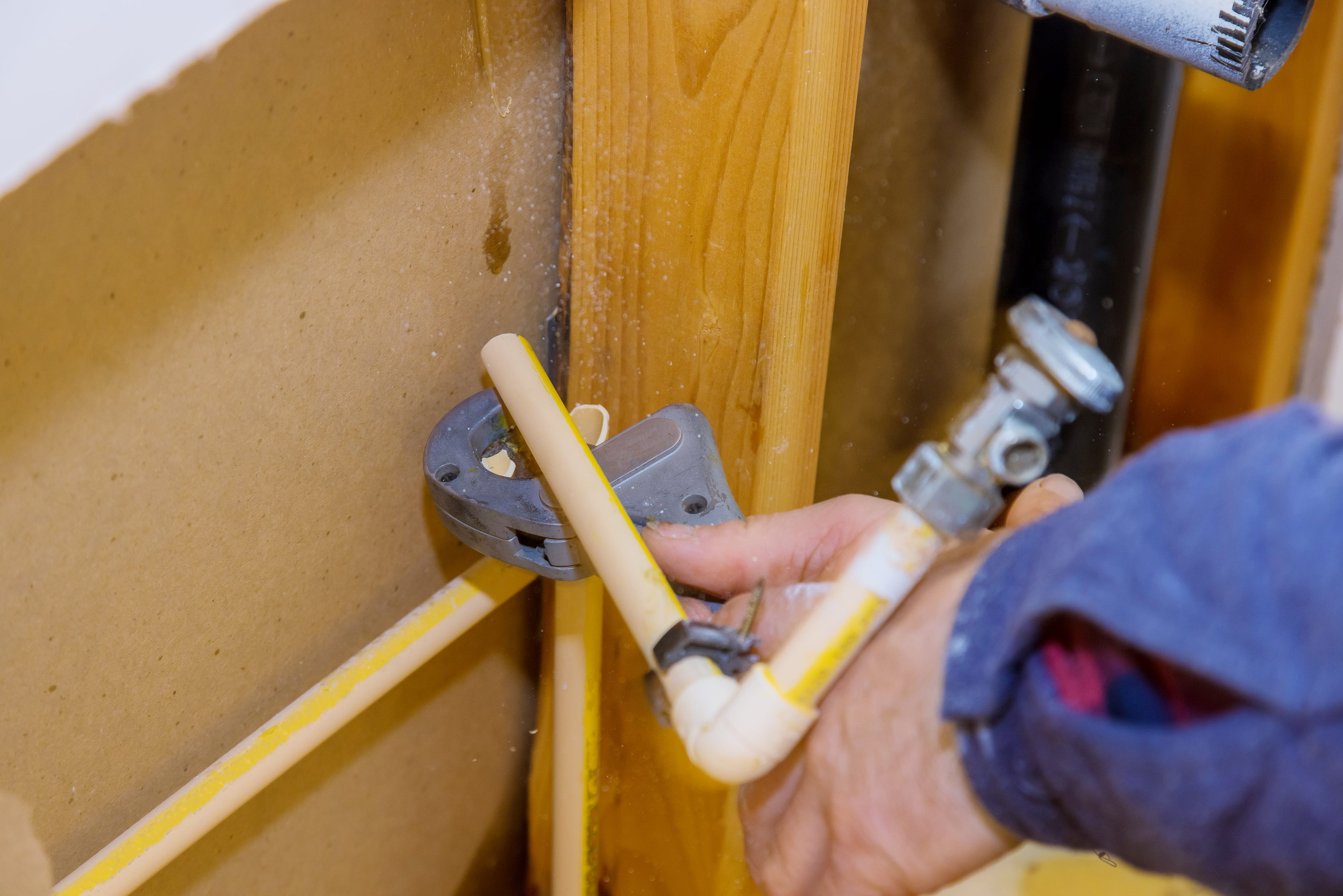
- PEX (Cross-Linked Polyethylene): Highly flexible, freeze-resistant, and cost-effective plastic tubing that can be snaked through existing wall cavities with minimal drywall disruption. PEX does not corrode, scale, or pit over time.
- Type L Copper: Rigid, long-lasting metallic piping ideal for exposed locations, high-temperature areas, and homeowners who prefer traditional metal supply lines.
Addressing main branch line obstructions and maintaining overall flow dynamics ensures your new piping investment operates at peak performance. Reviewing top causes of clogged drains and how to fix them helps keep household waste lines flowing as freely as new supply lines.
3. What Happens During a Professional Repiping Consultation
A professional repiping consultation is a comprehensive diagnostic review designed to give you a complete picture of your home's plumbing health and a clear, itemized action plan.
Visual and Mechanical System Audit
A licensed plumber will perform a thorough walkthrough of your property, inspecting exposed piping in basements, attics, crawlspaces, and mechanical closets. They will examine shutoff valves, check angle stops beneath sinks, and evaluate pipe material transitions.
Static Water Pressure and Flow Rate Testing
Using calibrated pressure gauges attached to outdoor hose bibbs, the technician tests your home's static water pressure. High water pressure exceeding 80 PSI accelerates pipe wear and ruins fixture seals, while low pressure indicates heavy internal pipe scaling or hidden main line leaks.
Non-Invasive Diagnostic Testing
Plumbers utilize specialized acoustic leak detection equipment and thermal imaging cameras to locate active hidden leaks behind drywall, beneath floorboards, or deep under concrete slab foundations.
Customized Repiping Plan and Written Estimate
Following the diagnostic assessment, the plumber prepares a detailed scope of work tailored to your home layout. The plan outlines proposed pipe routing, drywall access points, permit acquisition from Knox County or City of Knoxville authorities, material selection, project timeline, and total cost breakdown.
Managing major structural repairs alongside proper waste line access ensures long-term property protection. Accessing expert professional drain line repair services ensures your home's sewer and waste lines match the reliability of your newly installed supply piping.
4. Benefits of Whole-Home Repiping vs. Continuous Spot Repairs
When faced with recurring plumbing issues, some homeowners hesitate at the cost of whole-home repiping, opting instead to patch individual leaks as they occur. However, continuous spot repairs quickly become an expensive financial drain.
Long-Term Financial Savings
Paying a plumber repeatedly for emergency service calls, wall repairs, water extraction, and localized pipe patching adds up rapidly. Whole-home repiping eliminates recurring repair bills, giving you a completely reliable plumbing system backed by modern manufacturer warranties.
Enhanced Property Value and Insurability
Upgrading old galvanized steel or polybutylene pipes to modern PEX or copper instantly increases your home's resale value and marketability. Prospective buyers and home inspectors view new plumbing as a major selling feature. Furthermore, replacing hazardous pipe materials eliminates insurance coverage hurdles and keeps policy premiums manageable.
Healthier, Cleaner Domestic Water
Replacing rusty, scaled interior pipes eliminates rust flakes, sediment, and metallic tastes from your drinking water. Your morning coffee tastes better, white laundry remains bright, and glass shower doors stay free of dingy mineral film.
Consistent Water Pressure and Quiet Operation
New smooth-walled PEX or copper lines restore full water volume to every bathroom, kitchen, and laundry fixture. You will no longer experience sudden temperature shifts in the shower or weak water flow when multiple appliances operate simultaneously.
Enrolling in a comprehensive preventive care plan keeps all household mechanical systems in top condition year-round. Joining a dedicated plumbing service plan ensures your new piping system, water heater, and fixture valves are inspected regularly by local professionals.
Frequently Asked Questions
How do I know if my Knoxville home has polybutylene pipes?
Polybutylene pipes are typically flexible grey plastic lines marked with code stamps like PB2110. They are most commonly found near water meters, water heaters, and exposed crawlspaces in homes constructed between 1978 and 1995.
How long does a whole-home repiping project take?
A standard residential repiping project for a typical 2,000 to 3,000 square foot home usually takes between 3 to 5 working days from initial wall prep through final pressure testing and drywall patching.
Do plumbers have to tear down all my drywall to repipe a home?
No. Experienced plumbing crews use specialized pipe-snaking techniques. By cutting small, strategic access holes near fixture connections, plumbers can route flexible PEX tubing through wall studs with minimal drywall disruption.
What is the difference between PEX and copper repiping?
PEX is a flexible, highly durable plastic tubing that resists scale and freezing while offering fast, cost-effective installation. Copper is a rigid, traditional metal pipe with natural antimicrobial properties that offers exceptional rigidity but requires higher material and labor costs.
Can repiping improve my home's low water pressure?
Yes. If your low water pressure is caused by internal rust scale choking old galvanized steel pipes, repiping with new smooth-walled PEX or copper will instantly restore original water volume and pressure across all household fixtures.
Is whole-home repiping covered by home insurance in Tennessee?
Insurance policies generally cover sudden and accidental water damage caused by a pipe burst, but they do not cover the age-related repiping of the plumbing system itself. However, repiping prevents future denied claims caused by unaddressed, recurring leaks.
How long do modern PEX plumbing systems last?
High-quality PEX piping systems are designed to last 50 years or more under standard operating conditions. They do not corrode, pit, or develop mineral scale like metallic pipes.
What happens if I ignore aging galvanized steel pipes?
Ignoring galvanized pipes leads to progressive internal rusting, severe water pressure drops, rusty drinking water, hidden structural leaks behind sheetrock, potential mold growth, and eventual major pipe bursts.
Can I stay inside my home while a repiping project is underway?
Yes. Professional repiping crews turn off water during active work hours each day but ensure basic water service is restored to essential toilets and faucets before leaving your home at the end of each afternoon.
Does repiping add value to my Knoxville property?
Yes. Whole-home repiping increases home value, improves home inspection reports during resale, reassures potential buyers, and eliminates insurance red flags associated with outdated plumbing materials like polybutylene.


