


Signs Your Sewer Line Needs Repair in Knoxville TN
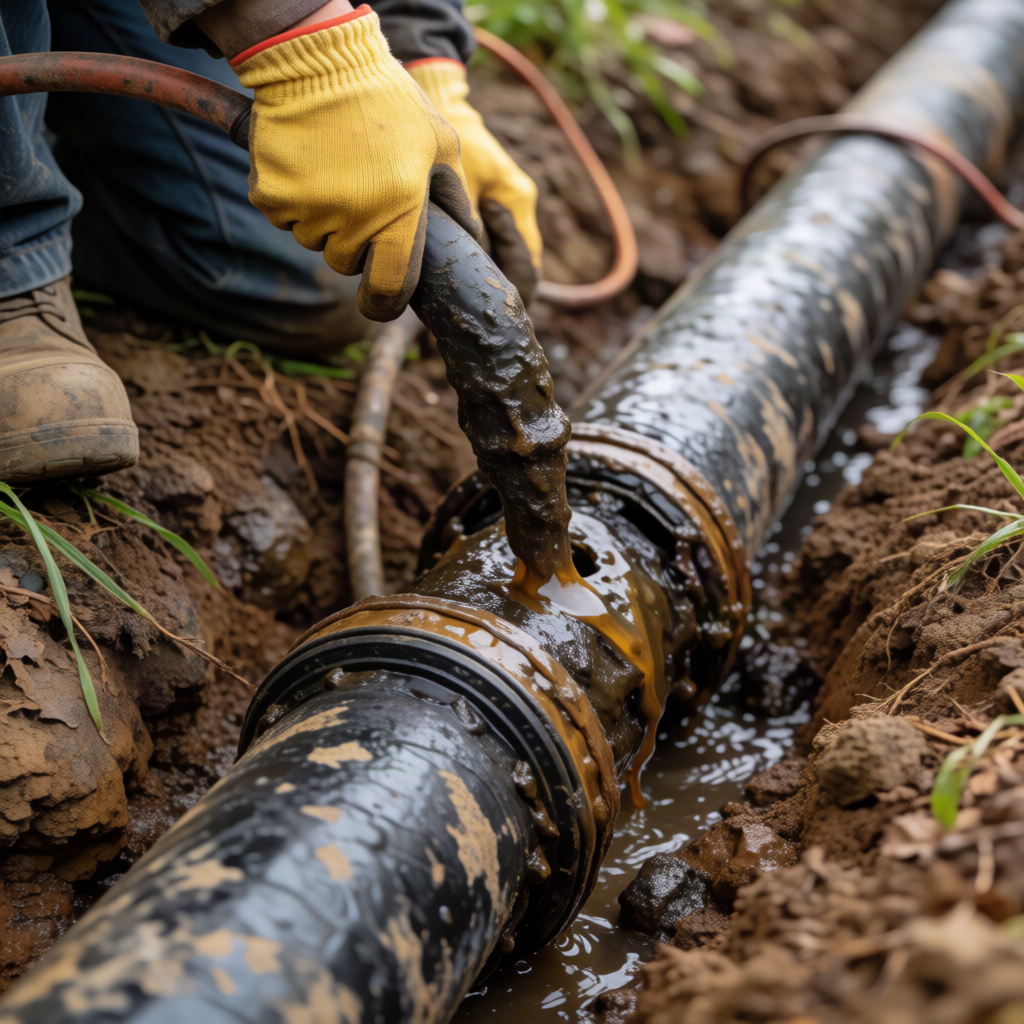
Your home's sewer lateral line is one of the most critical components of your entire plumbing system. Running beneath your lawn, driveway, and foundation, this single pipe carries all wastewater from your toilets, sinks, showers, and appliances out to the municipal sewer system managed by utility providers like the Knoxville Utilities Board (KUB) or into a private septic tank. Because the main sewer line is buried several feet underground, issues within the pipe often go unnoticed until severe structural damage or messy wastewater backups occur inside the home.
Knoxville presents a unique set of challenges for residential underground plumbing. Dense red clay soils, aging housing stock in historic neighborhoods, aggressive tree root growth, and regional karst topography with limestone formations put continuous stress on buried pipes. Recognizing the early warning signs of a failing or damaged sewer line allows you to address plumbing issues before they turn into costly structural emergencies.
1. Primary Indoor Warning Signs of Main Sewer Line Failure
When a main sewer line becomes restricted, cracked, or misaligned, the symptoms almost always manifest inside the home first. Because all indoor drains connect to a single main waste pipe, a bottleneck in the lateral line causes widespread plumbing disruption across the entire residence.
Multiple Slow or Clogged Drains
A single clogged drain in a bathroom sink usually points to a localized buildup of hair or soap scum in the immediate trap. However, when you notice that the kitchen sink, washing machine line, bathtub, and guest bathroom toilet are all draining slowly at the same time, the problem is situated deep within your main sewer line.
Wastewater from every fixture flows down into branch lines that merge into the central sewer lateral. If that main conduit is obstructed by tree roots, grease, or collapsed pipe walls, water backs up through every secondary branch. Exploring top causes of clogged drains and how to fix them highlights how everyday waste items combine with main line restrictions to create persistent drainage failures.
Wastewater Backups in Lower Fixtures
Water always seeks the lowest point of gravity. When a main sewer pipe is completely blocked, wastewater trying to leave the home has nowhere to go. It reverses direction and pushes back up through the lowest plumbing fixtures in the house.
Common manifestations of main line sewage backup include:
- Water rising in the bathtub or shower basin when you flush an upstairs toilet.
- Dirty water overflowing from a basement floor drain or crawlspace washing machine connection during a laundry cycle.
- Sewage appearing in a ground-floor toilet when the dishwasher or kitchen sink drains.
Any instance of raw sewage or dark wastewater backing up into fixtures requires immediate professional attention to prevent severe contamination and health hazards.
Unexplained Gurgling Noises
Your plumbing system is engineered with vents that equalize air pressure inside the waste pipes as water moves downward. When a crack, sag, or clog restricts the main sewer line, air becomes trapped within the system.
As wastewater attempts to force its way past the obstruction, air bubbles are pushed back up through standing water in traps and toilet bowls. This creates distinct gurgling, bubbling, or glug-glug sounds coming from your sinks, showers, or toilets, especially after running water elsewhere in the house.
Sewer Gas Odors Inside the Home
A healthy plumbing system keeps sewer gas contained within airtight pipes and vents. Every drain fixture utilizes a U-shaped P-trap that holds a small amount of clean water, creating a barrier that blocks sewer gases from rising into your living spaces.
If your main sewer pipe breaks, cracks, or loses its seal, sewer gas can bypass P-traps or travel up through floor drains. If you detect a distinct smell of sulfur, rotten eggs, or damp sewer air in your bathrooms, basement, or laundry room, a damaged main line or cracked vent stack is frequently the cause.
Fluctuating Water Levels in Toilet Bowls
A sewage lateral line that is developing an intermittent blockage or cracked seam will disrupt internal system pressure. This disruption causes water levels in your toilet bowls to rise and fall unexpectedly. If you notice that the water level in your toilet bowl is abnormally low one day and overflowing the next, or if the water level fluctuates when you run a sink, your main waste line is struggling to maintain proper flow dynamics.
2. Outdoor and Yard Warning Signs of Sewer Line Damage
Because your main sewer lateral line travels beneath your front lawn, backyard, or driveway, many of the most dramatic indicators of pipe failure appear outdoors. Paying attention to sudden changes in your landscape can save thousands of dollars in property repairs.
Unusually Lush, Bright Green Patches of Grass
While every homeowner wants a green, healthy lawn, a single strip or patch of grass that appears significantly greener, taller, and more vibrant than the surrounding yard is a classic sign of an underground sewer leak.
Main Line Break Underground
       │
       ▼
Sewer Water Seeps Into Soil (Nitrogen & Phosphorus)
       │
       ▼
Grass Above Leak Absorbs Moisture & Nutrients
       │
       ▼
Isolated Strip of Abnormally Lush, Deep Green Grass
Human waste and household greywater act as potent natural fertilizers rich in nitrogen, phosphorus, and moisture. When a underground pipe cracks or separates at a joint, escaping wastewater saturates the surrounding dirt, feeding the turf directly above the pipe.
Soggy Lawn Patches and Sewage Puddles
As an underground sewer leak worsens, the surrounding soil becomes completely saturated. Water eventually forces its way to the surface of your lawn, creating foul-smelling puddles, muddy patches during dry weather, or standing sewage in low spots of your yard.
If you step onto a soft, spongy section of grass along the path of your sewer line and notice a foul odor, the lateral line beneath has likely suffered a major rupture or full joint disconnect.
Indentations, Sinkholes, and Sunken Pavement
Knoxville's terrain is famous for its natural limestone formations and expansive clay soil. When a subterranean sewer pipe breaks, flowing wastewater continuously washes away the surrounding soil matrix around the pipe, creating hollow cavities beneath the surface.
Over time, the weight of the dirt, lawn, or concrete above causes the ground to collapse inward. This creates noticeable depressions, sinkholes in the lawn, or sunken, cracking concrete along driveways and walkways where the sewer line runs.
Foundation Cracks and Crawlspace Dampness
If a main sewer line breaks close to your home's foundation or beneath a concrete slab floor, escaping water accumulates around structural footings. The continuous saturation softens the supporting soil, leading to foundation settling, cracked basement walls, and sagging subfloors.
In homes built over traditional crawlspaces, a cracked sewer pipe can flood the earth beneath your floor joists with contaminated water. Protecting your home's overall structural footprint requires addressing water line and waste line leaks immediately. Reviewing how to prevent plumbing leaks in your home offers practical tips for identifying hidden water leaks, inspecting foundation seals, and keeping structural footings dry.
Pest and Rodent Infestations
Insects like cockroaches, sewer flies, and drain flies, as well as rodents like rats, thrive in underground sewer networks. A small crack or open joint in an aging sewer pipe provides an easy entry and exit point for pests.
If you experience sudden, recurring infestations of rats or sewer insects in your yard or crawlspace despite hiring pest control, pests may be entering your property through broken waste pipes beneath the ground.
3. Why Knoxville Homes Are Vulnerable to Sewer Line Failures
Understanding the local geological and environmental conditions in East Tennessee helps explain why residential sewer lines in Knoxville experience frequent structural breakdowns.
Expansive Red Clay Soil
Knox County soil contains a dense concentration of red clay. Clay soil is highly expansive, meaning it swells significantly when absorbing rainwater and contracts tightly during dry, hot summer months.
This continuous cycle of expansion and contraction exerts massive lateral pressure on underground pipes. Over decades, ground movement shifts buried pipes out of alignment, snaps rigid pipe sections, and breaks glue joints.
Mature Tree Root Networks
Knoxville's wooded neighborhoods, such as Sequoyah Hills, Fountain City, Bearden, and Holston Hills, are filled with mature oak, maple, poplar, and elm trees. Tree root systems naturally expand toward sources of moisture and nutrients in the ground.
A microscopic hairline crack or loose joint in a sewer line releases microscopic vapor into the surrounding soil. Nearby tree roots detect this moisture and grow toward the pipe, entering through tiny seams. Once inside, the roots feed on the nutrient-rich water, expanding into thick mass clusters that completely block flow and split pipes apart.
Hairline Pipe Crack Releases Moisture Vapor
       │
       ▼
Tree Roots Detect Nutrient-Rich Vapor
       │
       ▼
Roots Penetrate Seam & Expand Inside Pipe
       │
       ▼
Complete Pipe Blockage & Structural Rupture
Aging Pipe Materials in Historic Homes
Many Knoxville homes built prior to the 1980s still rely on original sewer line materials that have far exceeded their intended lifespan:
- Clay Tile Pipes: Common in pre-1960s homes, clay pipes are brittle, feature short four-foot segments with weak joints, and are extremely vulnerable to tree root penetration and ground shifting.
- Cast Iron Pipes: Widely installed mid-century, cast iron is strong but suffers from internal rust scaling, tuberculation, and bottom-channel erosion caused by sewer acids.
- Orangeburg Pipes: Manufactured from bituminized fiber (compressed wood pulp bound with asphalt) between the 1940s and 1970s, Orangeburg pipes deform, flatten, and collapse completely under soil pressure after 30 to 50 years.
4. Modern Sewer Line Inspection and Diagnostic Techniques
Guessing the location or severity of a sewer line issue can lead to unnecessary lawn excavation and high costs. Modern professional plumbers utilize advanced technology to inspect the exact interior condition of your sewer lateral without digging up your yard.
High-Definition Video Camera Inspections
A professional sewer line camera inspection involves inserting a flexible, high-resolution fiber-optic camera rod into your sewer cleanout fitting. The technician guides the camera down the full length of the pipe out to the municipal connection.
The real-time video feed allows the plumber to locate:
- Exact positions of tree root mass intrusions.
- Cracks, fractures, and collapsed pipe sections.
- Pipe sagging (also known as bellies) where standing water accumulates.
- Misaligned or separated pipe joints.
- Dense grease accumulations and mineral scale buildup.
Understanding the diagnostic process highlights the importance of proactive plumbing maintenance. Exploring why you need a professional plumbing inspection explains how video camera technology, hydrostatic testing, and complete system evaluations prevent catastrophic property damage.
5. Modern Repair and Replacement Options in Knoxville
If a camera inspection reveals that your main sewer line is cracked, misaligned, or collapsed, several repair strategies are available depending on the depth and condition of the pipe.
Traditional Open-Trench Excavation
For severely collapsed pipes, Orangeburg lines that have flattened completely, or lines buried beneath thick rock strata, traditional open-trench excavation may be required. Backhoes and mini-excavators dig a trench directly along the path of the old pipe to remove and replace it with heavy-duty schedule 40 PVC piping.
Trenchless CIPP (Cured-In-Place Pipe) Lining
Trenchless pipe lining is a non-invasive repair method that restores a damaged pipe without tearing up lawns, landscaping, or concrete driveways. Plumbers clear the old pipe using hydro-jetting, then insert a flexible epoxy-resin-saturated felt liner into the line.
Once positioned, an internal bladder inflates the liner against the old pipe walls. The epoxy cures and hardens, creating a seamless, joint-free, brand-new pipe inside the old structure that lasts for 50 years or more.
Clean Existing Host Pipe via Hydro-Jetting
       │
       ▼
Insert Resin-Saturated Flexible Sleeve
       │
       ▼
Inflate Bladder to Press Liner Against Walls
       │
       ▼
Epoxy Cures into Seamless New Pipe Wall
Trenchless Pipe Bursting
If the existing sewer line is heavily cracked or misshapen but still retains a open path, pipe bursting may be utilized. A specialized mole head with a hardened steel bursting cone is pulled through the old line using a heavy-duty hydraulic cable. The cone shatters the old pipe outward into the surrounding soil while simultaneously pulling a continuous brand-new high-density polyethylene (HDPE) pipe directly into place behind it.
Accessing specialized professional drain line repair services ensures your home receives the exact repair method required to restore proper wastewater flow while protecting your lawn and landscaping investment.
6. Preventive Care and Sewer Line Protection
Taking proactive measures protects your main waste line from premature failure and helps avoid unexpected emergency plumbing expenses.
- Be Mindful of What Goes Down the Drain: Never flush wipes (even those labeled flushable), feminine hygiene products, paper towels, dental floss, or grease down your drains. Grease cools inside pipes, creating thick fatbergs that catch debris and attract tree roots.
- Plant Trees Away from Utility Corridors: When landscaping your property, identify underground utility lines and avoid planting large trees with aggressive root systems, such as maples or weeping willows, within 20 feet of your sewer lateral.
- Schedule Routine Line Cleanings: If your property has large trees near the sewer line, schedule annual or bi-annual preventive hydro-jetting or mechanical snaking to clear small root hairs before they expand into dense blockages.
Joining a comprehensive plumbing service plan ensures your entire home plumbing system receives regular inspections, priority service scheduling, and professional maintenance checkups to catch minor sewer restrictions before major backups occur.
Frequently Asked Questions
How do I know if the blockage is in my main sewer line or just a localized drain?
If a clog affects only one sink or shower, the blockage is localized to that specific fixture's trap or branch pipe. However, if multiple fixtures throughout the house drain slowly, or if flushing a toilet causes water to back up into a bathtub or floor drain, the blockage is located in your main sewer lateral line.
What are the most common sewer pipe materials found in Knoxville homes?
Older Knoxville homes built before 1970 often feature terra cotta clay tile, cast iron, or bituminized fiber Orangeburg pipes. Homes built from the late 1970s onward generally use rigid PVC or ABS plastic pipes, which offer superior resistance to corrosion and tree root intrusion.
Can tree roots completely ruin a sewer line?
Yes. Tree roots grow continuously toward the moisture inside waste pipes. Once root hairs enter a pipe joint, they expand into thick masses that trap solids, causing complete line blockages. Left untreated, expanding roots can split clay, cast iron, and plastic pipes apart, requiring full line replacement.
Who is responsible for repairing a broken sewer line in Knoxville?
As a homeowner, you are responsible for maintaining and repairing the sewer lateral line that runs from your house up to the connection point at the municipal sewer main, including the portion beneath your private yard. KUB or local utility districts maintain only the central sewer main located in the public street or utility easement.
How much does sewer line repair usually cost in Knoxville, TN?
The cost of sewer line repair varies widely based on the depth of the pipe, the total length requiring repair, the presence of surface concrete or asphalt, and the repair method used. Simple localized spot repairs or trenchless lining cost significantly less than deep open-trench excavations that require replacing hundreds of feet of pipe.
What is a trenchless sewer repair, and is it available in Knoxville?
Trenchless sewer repair includes methods like Cured-In-Place Pipe (CIPP) lining and pipe bursting. These techniques repair or replace underground pipes using small access points rather than digging continuous open trenches across your lawn, protecting landscaping, driveways, and mature trees.
Will homeowners insurance cover sewer line repair or replacement?
Standard homeowners insurance policies typically do not cover sewer line repairs caused by normal wear and tear, age, or tree root growth. However, many insurance providers offer optional service line coverage riders that can be added to your policy for a low monthly fee to cover unexpected sewer line collapses.
How long does a typical sewer line replacement take?
A standard trenchless lining or pipe bursting project can often be completed in a single day. Complex traditional open-trench excavations involving deep digging, concrete removal, or long pipe runs generally take between two and three days to complete fully.
Can pouring chemical drain cleaners clear a main sewer line blockage?
No. Chemical drain cleaners sold in stores are formulated for small, soft clogs near sink traps. They are not powerful enough to clear thick tree roots, collapsed pipes, or heavy main line blockages. Furthermore, chemical cleaners contain harsh acids that can corrode metal pipes and create safety hazards for plumbers working on the line.
How often should Knoxville homeowners schedule a sewer camera inspection?
It is recommended to schedule a sewer camera inspection every two to three years for homes older than 40 years, or immediately if you notice recurring slow drains, gurgling toilets, or have large trees growing near your sewer lateral path.


