


The Benefits of Professional Drain Cleaning
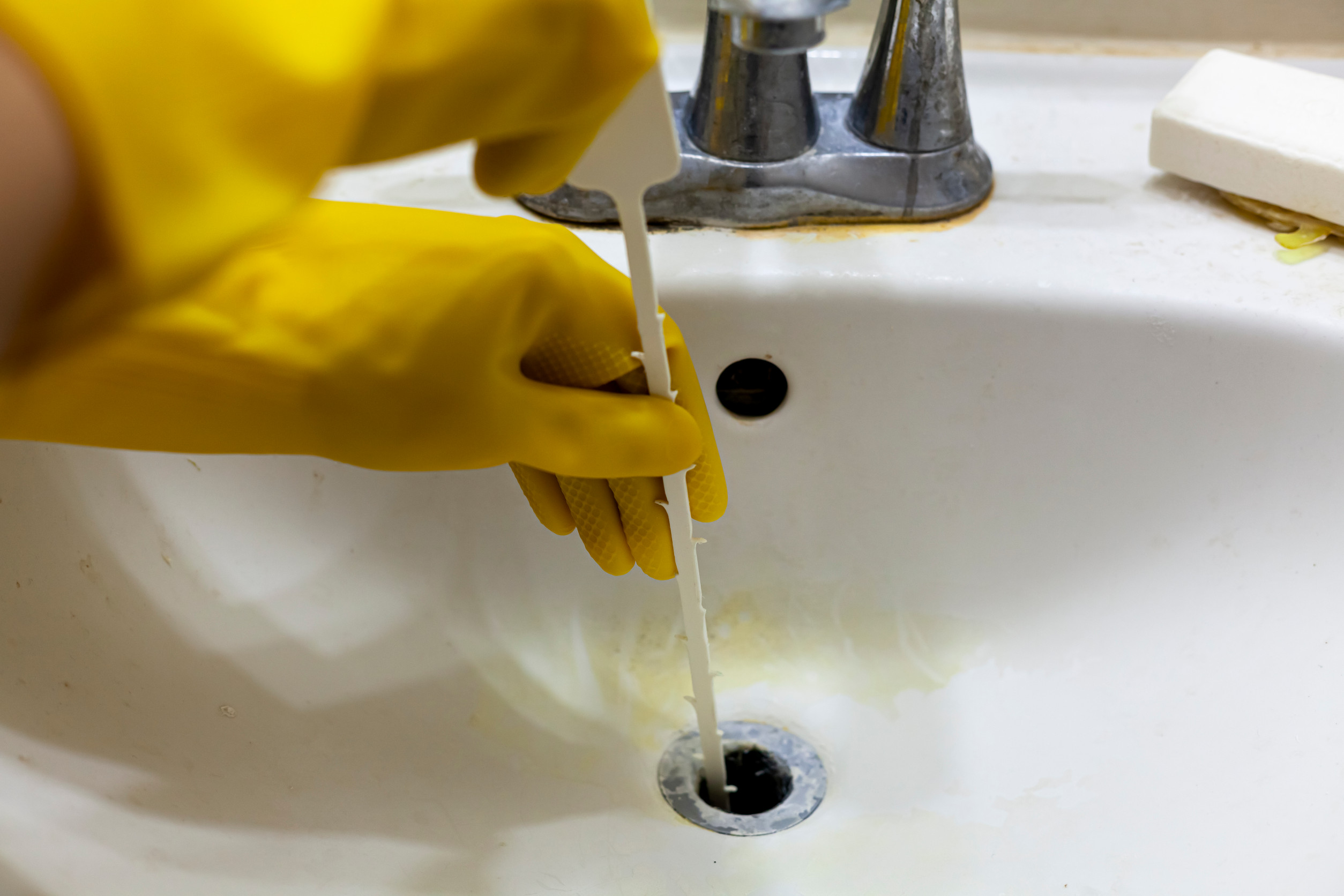
Clogged drains rarely start as a sudden emergency. Most begin as slow buildup from grease, soap scum, hair, food particles, and mineral deposits that gradually narrow your pipes. At first, you might notice a sink draining a little slower or a shower that pools water for a minute. Then the problem returns again and again, until one day you are dealing with a full backup that interrupts your routine and risks water damage.
Professional drain cleaning is one of the simplest ways to protect your plumbing system, avoid expensive repairs, and keep your home running smoothly. In this guide, you will learn what professional drain cleaning actually does, why it works better than quick fixes, when to schedule it, and how it helps prevent larger sewer and plumbing problems. If you need help diagnosing persistent drainage issues, the team at Advanced Heat, AC, & Plumbing can evaluate your drains and recommend the right solution for your home.
What counts as “professional drain cleaning”?
Professional drain cleaning is not just a stronger version of plunging. It is a targeted service that removes buildup inside the pipe, restores flow, and helps prevent clogs from returning. A licensed plumber chooses a method based on the drain location, the type of blockage, and the condition of the pipe.
Common professional approaches include:
- Mechanical drain cleaning with a professional grade cable machine
- High pressure water cleaning for heavy buildup
- Video camera inspection to locate deeper problems
- Targeted removal of grease, hair, scale, and debris
The key difference is that professionals aim to remove the cause of the clog, not just punch a hole through it.
Benefit 1: Professional cleaning removes buildup, not only the blockage
Many DIY methods create temporary relief by clearing a small path through the clog. That can make the water drain again, but it often leaves residue on the pipe walls. Over time, that residue catches more debris, and the clog comes back.
Professional drain cleaning focuses on clearing the full diameter of the pipe whenever possible. That means:
- Less material left behind to trap new debris
- Fewer repeat clogs in the same fixture
- Better long term drainage performance
If you have recurring clogs, it helps to understand the most common sources of buildup. This article on top causes of clogged drains and how to fix them is a useful companion for identifying patterns in your home.
Benefit 2: It helps prevent expensive water damage
A slow drain can turn into an overflow faster than most homeowners expect. A backed up sink can spill into cabinets. A clogged shower can overflow onto flooring. A blocked main line can send wastewater back into tubs, toilets, or floor drains.
Professional drain cleaning reduces the risk of:
- Sink and tub overflows that ruin flooring or drywall
- Backups that damage cabinets and baseboards
- Mold growth caused by hidden moisture
- Emergency repairs that cost more than preventive care
If you are noticing early warning signs like slow drains or repeated backups, do not wait. This guide on the risks of ignoring slow draining fixtures explains why early action saves money and stress.
Benefit 3: It protects your pipes from harsh chemical damage
Store bought chemical drain cleaners are popular because they seem quick and easy. The problem is that repeated use can be hard on many plumbing materials. Chemical cleaners can accelerate corrosion, weaken older pipes, and create rough interiors that collect debris more easily.
Professional drain cleaning offers a safer approach because it:
- Avoids repeated chemical exposure inside your plumbing
- Uses tools designed to clear clogs without damaging pipes
- Allows a plumber to assess pipe condition before choosing a method
If you want a deeper overview of safe and effective drain care options, see the best drain cleaning methods for your home.
Benefit 4: It eliminates odors at the source
Drain odors often come from buildup stuck inside the pipe. Grease and food waste in kitchen drains, soap scum and hair in bathroom drains, and bacteria in stagnant water can all create unpleasant smells that keep returning.
Professional drain cleaning can reduce odors by removing:
- Rotting organic material
- Grease layers that trap bacteria
- Soap scum that holds debris
- Sludge that lingers in bends and traps
If you have persistent odors even after cleaning the drain cover or using hot water, it is usually time for a deeper cleaning.
Benefit 5: It improves daily comfort and performance
A healthy plumbing system should drain quickly and consistently. When your drains are restricted, small daily tasks become irritating and slow.
Professional drain cleaning improves:
- Shower and tub drainage speed
- Kitchen sink performance during dishwashing
- Toilet flushing reliability in some cases
- Appliance drainage for dishwashers and washing machines
You may also notice fewer gurgling sounds and more consistent flow when multiple fixtures run at the same time.
Benefit 6: It can prevent main line clogs and sewer backups
Many homeowners focus on the fixture that is acting up, like the bathroom sink, without realizing the real problem might be further down the line. If multiple drains are slow, you hear gurgling in toilets, or backups happen in the lowest drain in the home, the main sewer line may be partially blocked.
Professional drain cleaning is often paired with camera inspection to:
- Confirm where the obstruction is
- Identify grease buildup, roots, or pipe damage
- Reduce the risk of a full sewer backup
If your home is older or you have frequent repeat clogs, a proactive inspection can help you avoid a major failure. For help with broader drain and sewer issues, you can explore your options under Advanced Heat, AC, & Plumbing’s plumbing services.
Benefit 7: Hydro jetting offers a deeper clean for stubborn buildup
Not every clog needs hydro jetting, but when grease, mineral scale, or heavy sludge coats the pipe walls, high pressure water cleaning can be one of the most effective options. It does more than open a path. It scrubs the interior of the pipe to remove layers of buildup.
Hydro jetting is especially helpful for:
- Kitchen grease buildup
- Repeated clogs in the same drain line
- Heavy scale in older plumbing
- Root intrusion once the line is verified safe
To understand how it works and when it is appropriate, read understanding hydro jetting, a powerful drain cleaning solution. If you already know you need that level of cleaning, you can also learn about hydro jetting services in East Tennessee.
Benefit 8: It supports preventive maintenance, not just emergency fixes
Professional drain cleaning is often viewed as a service you only schedule after a clog. In reality, it is a preventive tool. Keeping drains clean reduces wear on your plumbing system and lowers the odds of emergency calls.
A good preventive rhythm can include:
- Kitchen line maintenance if your household cooks often
- Bathroom drain cleaning if hair buildup is common
- Periodic main line cleaning for older homes
- Inspections if you have trees near sewer lines
If you want practical habits that reduce clogs between professional cleanings, this article on tips to keep your drains from clogging is a helpful checklist.
What to expect during a professional drain cleaning visit
Knowing what happens during the service helps homeowners feel confident and prepared.
Step 1: Symptom review and fixture testing
A plumber will ask what you are experiencing, when it happens, and which fixtures are affected. They may run water, flush toilets, or test multiple drains to understand the scope.
Step 2: Identify the likely clog type
Kitchen clogs often involve grease and food. Bathroom clogs often involve hair and soap scum. Main line issues can involve roots, scale, or heavy buildup.
Step 3: Choose the right method
The plumber will select the safest and most effective approach based on pipe material, condition, and clog severity.
Step 4: Clear and clean the line
Depending on the method, the plumber will remove the obstruction and address buildup to reduce repeat clogs.
Step 5: Confirm flow and offer prevention guidance
A reputable plumber tests drainage after the cleaning and shares practical steps to prevent recurrence.
When should you schedule professional drain cleaning?
Here are common signs it is time to call a professional instead of repeating DIY attempts:
- Slow drainage that keeps returning
- Standing water in tubs or showers
- Frequent clogs in the same fixture
- Gurgling sounds from drains or toilets
- Odors that persist after basic cleaning
- Backups that involve more than one fixture
- Water rising in a shower when a toilet flushes
If you are unsure whether the issue is a local clog or something deeper, professional diagnosis saves time and reduces the chance of worsening the problem.
DIY vs professional drain cleaning, how to decide
DIY approaches can be fine for minor, early stage issues, such as removing visible hair from a shower strainer or cleaning a sink stopper. The risk comes when you keep repeating temporary fixes that do not address the underlying buildup or deeper obstruction.
Consider professional help if:
- The clog returns within days or weeks
- Multiple drains are affected
- You suspect grease, scale, or roots
- Chemical cleaners have been used repeatedly
- You have an older plumbing system
- You want to prevent emergencies before travel or hosting guests
When you factor in water damage risk, time spent, and repeated product purchases, professional cleaning often costs less than repeated DIY attempts.
Drain emergencies and why fast help matters
Some drain problems escalate quickly, especially when wastewater is backing up. If you have standing sewage, overflowing drains, or active water damage, treat it as urgent. Fast response can reduce cleanup costs and prevent additional structural damage.
If you need urgent service, emergency HVAC support is also a good page to keep bookmarked because the team highlights rapid response availability for urgent situations.
Frequently asked questions
Is professional drain cleaning safe for older pipes?
In most cases, yes, but the method matters. A qualified plumber may recommend inspection first, then choose the safest approach based on pipe condition and material.
How often should drains be professionally cleaned?
There is no universal schedule. Homes with frequent cooking, long hair, hard water buildup, or older plumbing may benefit from periodic preventive cleaning. A plumber can recommend a rhythm based on your symptoms and plumbing layout.
Does snaking a drain fix the problem permanently?
It depends. Snaking can clear a blockage, but heavy buildup on pipe walls may remain. For recurring clogs, a deeper cleaning method may be more effective.
Can professional drain cleaning help with odors?
Yes. Odors often come from organic buildup inside the line. Removing that buildup usually eliminates the smell at the source.
What should I do right now if a drain is backing up?
Stop running water to that fixture, avoid using chemical cleaners, and call a plumber if the backup involves multiple drains or any sewage.
Conclusion
Professional drain cleaning is one of the most cost effective ways to protect your home’s plumbing system. It removes buildup that causes repeat clogs, reduces the risk of backups and water damage, protects pipes from harsh chemicals, and improves day to day performance. More importantly, it turns drain care into prevention instead of waiting for an emergency.
If your drains are slow, recurring, or showing signs of deeper blockage, schedule an evaluation and cleaning with a trusted local team. A clean drain line is not just convenience. It is protection for your pipes, your home, and your budget.


