


The Future of "Green Plumbing" in East TN: Reducing your monthly carbon footprint
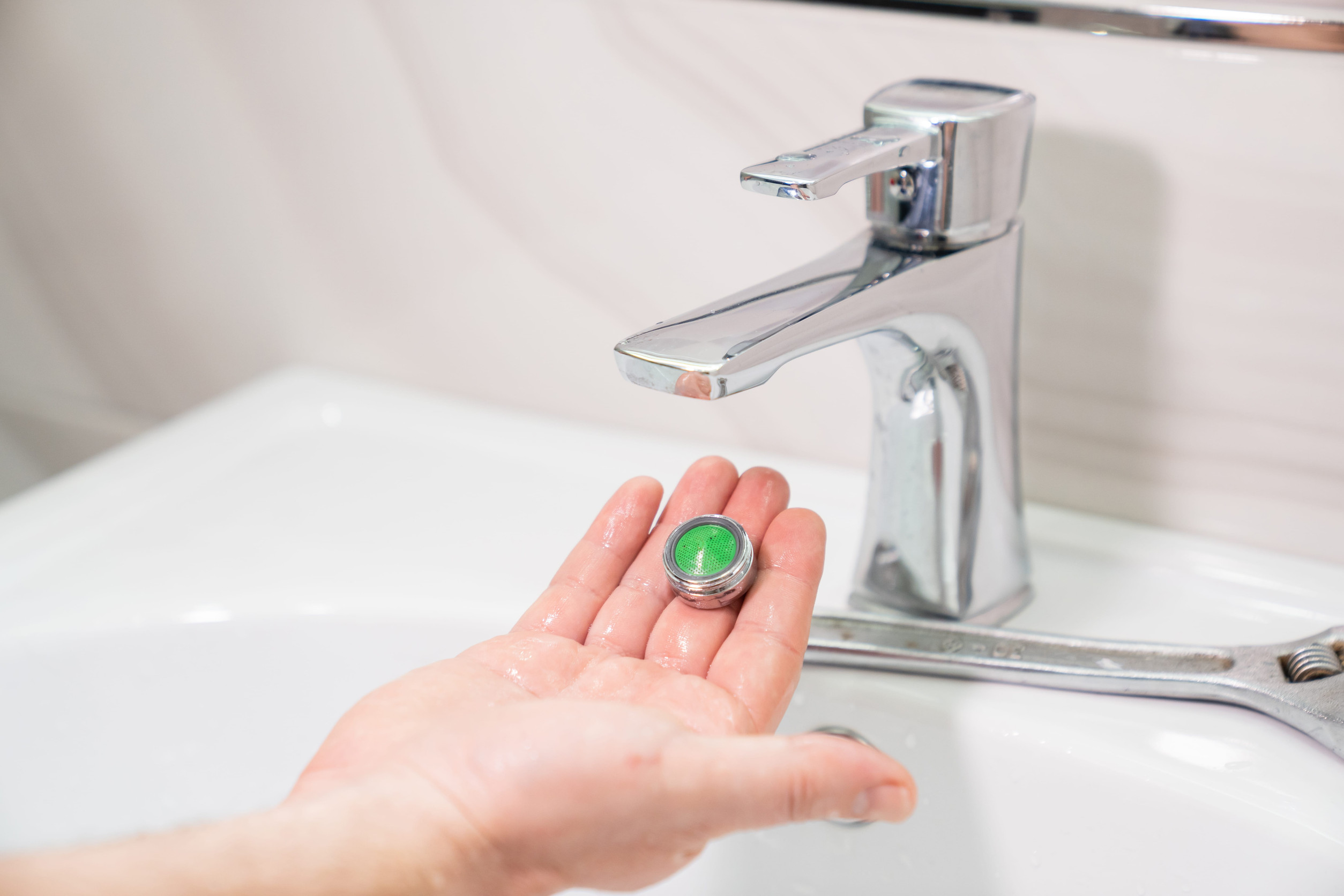
Green plumbing is no longer just a niche idea for homeowners who want an eco-friendly label. In East Tennessee, it is becoming a practical way to reduce water waste, lower energy use, protect plumbing systems, and make homes more resilient. The future of green plumbing is not about one expensive upgrade. It is about smarter fixtures, better water heating, leak prevention, water-quality improvements, and system design that reduces waste every month. If your plumbing uses less water and less energy without sacrificing comfort, your home’s carbon footprint can shrink in a way you actually feel on your utility bills.
What does green plumbing actually mean for an East TN home?
Green plumbing means designing, upgrading, and maintaining your plumbing system so it uses water and energy more efficiently. It is not just about buying a low-flow showerhead or replacing one faucet. It is about how the whole home handles water from the moment it enters the house to the moment it leaves through the drain.
For East TN homeowners, green plumbing usually includes:
- Water-saving toilets, faucets, and showerheads
- More efficient water heating
- Leak detection and water-loss prevention
- Better water-quality management
- Smarter plumbing controls and monitoring
- Maintenance that keeps systems operating efficiently
- Plumbing upgrades that reduce waste over time
The goal is not to make daily life harder. The goal is to make waste harder. A good green plumbing plan should still give your family strong showers, dependable hot water, clean fixtures, and reliable performance. The difference is that the system wastes less in the background.
If you are just starting to explore this category, eco-friendly plumbing solutions for homes is a strong internal starting point because it frames green plumbing as a combination of comfort, savings, and long-term environmental responsibility.
Why does plumbing affect your monthly carbon footprint?
Your plumbing system affects your carbon footprint because water and energy are connected. Every gallon of heated water uses energy. Every leak wastes treated water. Every inefficient fixture increases demand on the home’s system. Every aging water heater or scale-filled pipe can make the home work harder than necessary.
The monthly carbon footprint of plumbing usually comes from three places:
Water heating
Heating water for showers, dishes, laundry, and handwashing uses energy every day.
Water waste
Leaking fixtures, inefficient toilets, and old showerheads waste water that had to be treated, pumped, and delivered.
Poor system performance
Hard water buildup, old fixtures, and deferred maintenance can reduce efficiency and shorten equipment life.
This is why green plumbing is such a practical carbon-reduction strategy. You do not have to change your whole lifestyle overnight. You can start by making the systems you already use every day more efficient. Small improvements compound because plumbing is used constantly.
Why does East Tennessee need a local green plumbing approach?
East Tennessee homes do not all have the same plumbing conditions. Some are older homes with aging pipes. Some are newer homes with builder-grade fixtures. Some deal with hard water symptoms, sediment concerns, or water heater efficiency problems. Some families use large amounts of hot water every day, while others mainly need leak protection and fixture upgrades.
That means the future of green plumbing in East TN should not be one-size-fits-all. It should be local, practical, and based on the way homes here actually operate.
A local green plumbing plan should consider:
- Age of the home
- Water heater type and condition
- Existing fixture efficiency
- Water pressure and leak risk
- Hard water or sediment issues
- Family size and daily hot water demand
- Whether the homeowner wants savings, sustainability, resale appeal, or all three
That local lens matters because the best upgrade is the one that fits the home. A tankless water heater may be ideal in one house, while leak detection and fixture upgrades may deliver more immediate value in another.
Which plumbing upgrades reduce water waste the fastest?
The fastest water-saving upgrades are usually the fixtures used most often. Toilets, bathroom faucets, showerheads, and kitchen fixtures create daily water demand, so even small efficiency gains can add up quickly.
High-impact water-saving upgrades often include:
- High-efficiency toilets
- Water-saving showerheads
- Low-flow bathroom faucets
- Efficient kitchen faucets
- Smart irrigation controls where outdoor water use is involved
- Leak repairs at toilets, faucets, and supply lines
The key is choosing products that reduce waste without making the home feel frustrating to use. A fixture that saves water but performs poorly will usually disappoint homeowners. A good green plumbing upgrade should conserve water while still feeling normal, comfortable, and dependable.
If you want a more specific breakdown of fixture options, the best water-saving plumbing fixtures is the right internal link here because fixture choice is often the easiest first step toward a lower monthly water footprint.
Is a tankless water heater part of green plumbing?
Yes, for many homes, a tankless water heater can be part of a green plumbing strategy. A tankless system heats water on demand instead of keeping a full storage tank hot all day. That can reduce standby energy waste and make the system more efficient when it is properly sized, installed, and maintained.
A tankless water heater may make sense if you want:
- Hot water on demand
- Better energy performance
- More usable space
- A longer-term water-heating upgrade
- Less risk from a large tank leak
- A more modern home comfort system
That said, tankless is not automatically the right answer for every home. The system has to match household demand, fuel type, installation conditions, and maintenance expectations. If it is undersized or poorly maintained, it may not deliver the results homeowners expect.
For East TN homeowners comparing options, tankless water heater installation is a natural next step because water heating is one of the biggest places where plumbing and monthly energy use overlap.
How does water heater maintenance reduce your carbon footprint?
A water heater does not have to be brand new to be part of a greener home. Maintenance matters because a neglected water heater can lose efficiency over time. Sediment, mineral buildup, worn components, and poor performance can all make the system work harder to deliver the same hot water.
Regular maintenance can help:
- Improve heating efficiency
- Extend equipment lifespan
- Reduce avoidable repairs
- Protect hot water consistency
- Catch small problems before replacement becomes urgent
This matters for carbon footprint because keeping existing equipment running efficiently often reduces waste in two ways. First, it helps the unit use less energy to perform its job. Second, it may delay premature replacement, which reduces material waste and emergency decision-making.
If your water heater has not been flushed, inspected, or serviced in a while, regular water heater maintenance fits naturally here because green plumbing is not only about upgrades. It is also about taking better care of the systems already in place.
Why are leaks one of the biggest enemies of green plumbing?
Leaks are one of the most overlooked forms of household waste. A dripping faucet, leaking toilet, or hidden supply-line issue can waste water every day without changing your routine at all. That is what makes leaks so frustrating. You may be trying to save water while the plumbing is quietly wasting it behind the scenes.
Leaks hurt green plumbing goals because they waste:
- Treated water
- Pumping and delivery energy
- Money on utility bills
- Building materials if water damage spreads
- Time and resources during cleanup
The future of green plumbing will almost certainly include more leak awareness and smart monitoring because homeowners need faster ways to catch problems. A leak that runs for a few hours is very different from one that runs for a week.
That is why smart leak detector systems are a strong fit for this topic. Leak detection is not just a damage-prevention upgrade. It is also a water-conservation tool that helps stop waste before it becomes expensive.
How do smart plumbing systems fit into a greener home?
Smart plumbing systems help homeowners see what used to be invisible. That includes water use, leak risk, appliance performance, and sometimes automatic shutoff protection. As more East TN homes adopt connected devices, plumbing will become part of the smart-home conversation in a more serious way.
Smart plumbing can help by:
- Alerting homeowners to leaks sooner
- Monitoring water use patterns
- Supporting automatic shutoff in some systems
- Helping homeowners respond when away from home
- Reducing the chance of long-running hidden water loss
The key is using smart plumbing for practical protection, not just novelty. A smart light bulb is convenient. A smart leak detector can prevent real damage and reduce wasted water. A smart water heater or monitoring system can help homeowners understand how the system is performing.
For homeowners who want to understand this category more deeply, the benefits of smart plumbing systems is a useful internal link because smart plumbing is becoming one of the clearest ways to connect home comfort, water conservation, and prevention.
Why does water quality matter in green plumbing?
Water quality matters because poor water conditions can make plumbing less efficient and shorten the life of fixtures and appliances. Hard water, sediment, and mineral buildup can create scale, reduce flow, stress water heaters, and make fixtures harder to clean.
That creates waste in several ways:
- More energy needed for water heating
- Shorter fixture and appliance life
- More cleaning products used against buildup
- More frequent repairs or replacements
- Lower overall plumbing efficiency
This is why green plumbing is not just about using less water. It is also about improving the quality of the water moving through the system when that water quality is hurting performance.
If homeowners are unsure what is actually in their water, water analysis for East TN homes is the smart starting point. Testing helps separate guesswork from a real plan, especially when the goal is protecting plumbing and reducing waste over the long term.
How does hard water increase waste over time?
Hard water is a perfect example of a plumbing issue that feels small at first but creates long-term inefficiency. Mineral buildup can collect on faucets, showerheads, water heater components, valves, and appliances. Over time, that buildup can reduce performance and make the home work harder.
Hard water can contribute to:
- Scale on fixtures
- Lower fixture performance
- Water heater inefficiency
- Appliance wear
- More frequent cleaning
- Shorter component lifespan
From a green plumbing perspective, that matters because early wear is waste. If a showerhead, water heater, or dishwasher does not last as long because mineral buildup was ignored, the home uses more money, materials, and energy than necessary.
For homeowners seeing chalky residue, mineral spots, or water heater sediment symptoms, how hard water impacts your plumbing system is a natural internal next step because hard water is one of the biggest hidden enemies of efficient plumbing.
What does green plumbing look like during a bathroom remodel?
A bathroom remodel is one of the best times to make green plumbing decisions because walls, fixtures, drains, and supply lines may already be part of the project. That makes it easier to upgrade infrastructure instead of only changing the look of the room.
Green bathroom remodel choices may include:
- High-efficiency toilets
- Water-saving showerheads
- Low-flow faucets
- Better shutoff valve access
- Leak-resistant supply connections
- Smart leak detection near high-risk areas
- Better hot water layout where possible
The biggest mistake is treating a remodel as only a design project. A bathroom can look beautiful and still waste water if the plumbing underneath is poorly planned. A greener remodel starts with the systems behind the surfaces.
If you are planning changes, important plumbing considerations for a bathroom renovation belongs in the planning stage because plumbing decisions made before the remodel can shape the bathroom’s efficiency for years.
How can green plumbing improve resale value?
Green plumbing can support resale value because buyers increasingly notice efficient, updated, lower-risk home systems. A home with water-saving fixtures, efficient water heating, leak protection, and well-maintained plumbing feels more modern and easier to own.
Green plumbing may help resale by showing:
- Lower operating-cost potential
- Updated fixtures and systems
- Reduced water damage risk
- Better long-term maintenance
- More thoughtful home improvement choices
- Stronger comfort and convenience
This does not mean every upgrade creates a guaranteed dollar-for-dollar increase. But green plumbing can strengthen the home’s overall value story. Buyers often respond well to homes that feel efficient, cared for, and less likely to deliver surprise repairs.
If resale is part of your long-term plan, plumbing upgrades that instantly boost home value is a strong internal link because many green plumbing upgrades also make the home more appealing to future buyers.
What are the biggest mistakes homeowners make with green plumbing?
The biggest mistake is thinking green plumbing has to be all or nothing. Some homeowners delay because they assume sustainability means a huge project. Others buy one product and assume the whole home is now efficient.
The most common mistakes include:
- Replacing fixtures without fixing leaks
- Choosing products based on labels instead of performance
- Ignoring water heater efficiency
- Forgetting about hard water and water quality
- Treating smart devices as substitutes for maintenance
- Waiting for an emergency before upgrading
- Overlooking drain and sewer efficiency
A better approach is to think in layers. Start with leaks and obvious waste. Then improve fixtures. Then evaluate water heating. Then consider smart monitoring, water quality, and larger system upgrades. Green plumbing is a pathway, not a single purchase.
What is the first green plumbing upgrade most East TN homeowners should make?
The best first upgrade depends on the home, but a practical order usually looks like this:
- Fix active leaks
- Replace the most wasteful fixtures
- Improve water heater maintenance or efficiency
- Test water quality if hard water or sediment is suspected
- Add leak detection in high-risk areas
- Plan larger upgrades around remodels or replacement cycles
This order works because it starts with waste that is already happening. There is no point installing a smart fixture while an old toilet is silently leaking or a water heater is struggling with sediment. The best green plumbing plan begins with the highest waste and the easiest wins.
If you want a broader whole-home path, plumbing upgrades for long-term efficiency is a useful internal resource because it helps homeowners think beyond one fixture and into a more complete system strategy.
How do plumbing habits affect your monthly carbon footprint?
Infrastructure matters, but habits still matter too. Even the best plumbing system can waste water if daily routines work against it. The good news is that small habits become easier when the infrastructure supports them.
Helpful habits include:
- Taking shorter showers when practical
- Turning off water during brushing or shaving
- Scraping dishes before rinsing
- Reporting leaks quickly
- Avoiding unnecessary hot water use
- Running full laundry and dishwasher loads
- Keeping aerators and showerheads clean
These habits reduce waste, but they work best with efficient fixtures and a well-maintained plumbing system. Green plumbing should make better habits easier, not make homeowners feel like they are constantly sacrificing.
The future of green plumbing will likely combine both sides: smarter systems and smarter daily use.
Why does professional installation matter for green plumbing?
Green plumbing upgrades only reduce waste when they are installed correctly. A poorly installed low-flow fixture, undersized water heater, bad valve connection, or poorly placed sensor can create frustration instead of savings.
Professional installation matters because it helps ensure:
- Correct sizing
- Proper fixture performance
- Leak-free connections
- Code-aware installation
- Better long-term reliability
- Smarter placement of monitoring devices
- Better fit for East TN home conditions
This is especially important when upgrades involve water heaters, water treatment, smart shutoff systems, or multiple fixtures at once. Green plumbing is still plumbing. If the installation is careless, the environmental benefit can disappear quickly.
For homeowners ready to move from ideas to action, professional plumbing services in Knoxville and East Tennessee is the right final internal path because efficient plumbing depends on proper planning, installation, and service.
FAQs about green plumbing in East TN
What is green plumbing?
Green plumbing is the use of efficient fixtures, smarter water heating, leak prevention, water-quality management, and better system design to reduce water and energy waste.
Does green plumbing lower my carbon footprint?
Yes, it can. Plumbing affects water use and hot water energy demand, which are both part of a home’s monthly environmental impact.
What is the easiest green plumbing upgrade?
Fixing leaks and replacing wasteful fixtures are usually the easiest starting points.
Is a tankless water heater a green plumbing upgrade?
It can be when it is properly sized, installed, and maintained for the home’s hot water needs.
Do leak detectors count as green plumbing?
Yes. They help prevent wasted water and reduce the damage caused by hidden leaks.
Does hard water affect green plumbing?
Yes. Hard water can reduce efficiency, shorten fixture life, and increase maintenance waste.
Is green plumbing expensive?
It can be phased. Many green upgrades start small, such as fixtures, leak repairs, maintenance, and water testing.
Does green plumbing help home value?
It can support resale appeal because efficient, well-maintained plumbing makes a home feel more modern, practical, and lower risk.
The future of green plumbing in East TN starts with smarter monthly choices
The future of green plumbing in East TN is not about one perfect product or one dramatic home renovation. It is about making the plumbing system work smarter every month. That means less wasted water, less wasted energy, fewer hidden leaks, better water quality, stronger maintenance, and upgrades that fit the way local homes actually operate.
Here are the biggest takeaways:
- Green plumbing reduces your carbon footprint by cutting water waste and hot water energy demand
- The most practical upgrades often start with fixtures, leak detection, water heating, and water quality
- The best results come from matching improvements to your home instead of chasing one-size-fits-all solutions
If you want a greener home without sacrificing comfort, the smartest next step is to look at your plumbing system as a whole. Start with what wastes the most, fix what is already leaking, and choose upgrades that lower monthly impact while making your home more efficient, reliable, and ready for the future.


