


The Pros and Cons of Different Pipe Materials
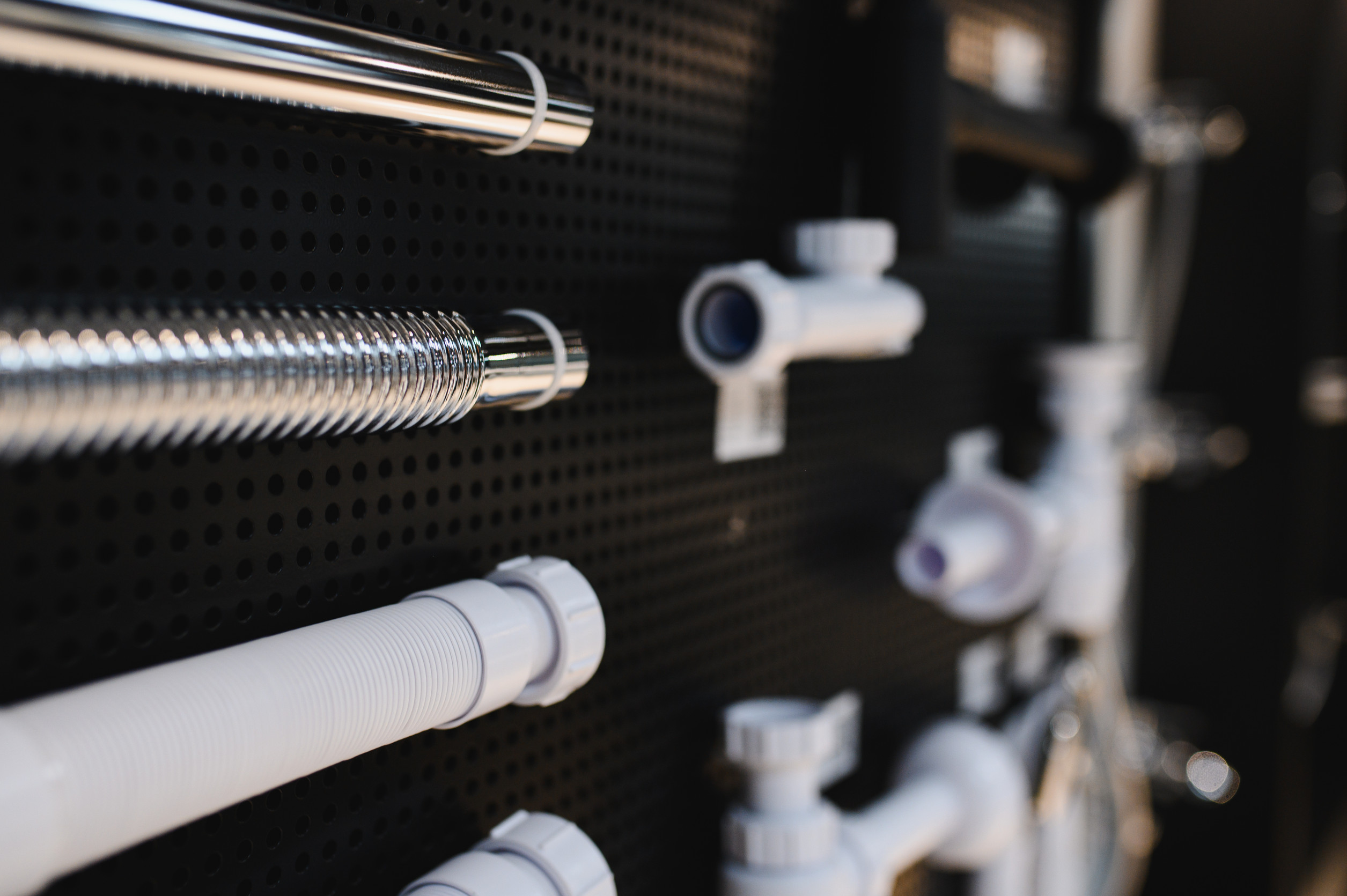
Choosing the right pipe material affects everything from water pressure and leak risk to water quality and long-term maintenance costs. Many homeowners do not think about pipe material until a remodel, a leak, or an inspection reveals that their plumbing is outdated or deteriorating. The truth is that different pipe types perform differently depending on your home’s age, water quality, climate, and how the plumbing was installed.
This guide breaks down the most common residential plumbing pipe materials, what each one does well, where each one can fail, and how to decide what makes sense for repairs or upgrades. If you are already seeing warning signs like leaks, rust-colored water, or falling pressure, you may also want to read when to repair or replace old plumbing pipes for practical decision points tied to age and symptoms.
Why pipe material matters more than most homeowners realize
Pipe material is not just a technical detail. It influences:
- How long the system will last before major repairs
- Whether leaks appear as pinhole drips or sudden breaks
- How your water tastes and looks over time
- How well the system handles hard water and mineral scale
- The likelihood of corrosion, rust, or internal buildup
- How easy future repairs and remodel work will be
Even if two homes have the same fixtures and appliances, the underlying pipe material can determine which one experiences recurring plumbing issues and which one runs smoothly for decades.
A quick overview of the most common pipe materials in homes
Most residential plumbing systems include one or more of the following:
- Copper
- PEX
- PVC and CPVC
- Galvanized steel
- Cast iron (usually for drain lines)
- ABS (usually for drain lines)
- Brass fittings and valves
Each material has strengths, weaknesses, and best-use scenarios. The best choice often depends on whether you are installing new plumbing, repairing existing lines, repiping an older home, or working on a specific area like a bathroom remodel.
Copper pipes
Copper has been a gold standard in residential plumbing for decades. You will commonly find copper in homes built from the mid-1900s through many modern builds, especially for supply lines.
Pros of copper
- Long lifespan when water chemistry is compatible
- Naturally resistant to UV exposure, so it is suitable for exposed areas
- Handles high temperatures well, making it ideal for hot water lines
- Strong and durable when installed correctly
- Widely accepted by building codes and professionals
Cons of copper
- More expensive than many alternatives
- Requires skilled installation with soldering or press fittings
- Can develop pinhole leaks in certain water conditions
- Vulnerable to corrosion if water is acidic or aggressive
- Can be stolen during renovations in some areas due to scrap value
Best uses for copper
Copper is a strong option for supply lines, especially in homes where water chemistry is stable and installation quality is high. It is often chosen for reliability and long-term value.
When copper becomes a problem
If you are seeing repeat pinhole leaks or blue-green staining near joints, it may signal corrosion or water chemistry issues. In that situation, it is smart to evaluate both the pipe condition and the water itself. A professional water analysis can help confirm whether minerals, pH, or other factors are contributing to pipe wear.
PEX pipes
PEX, or cross-linked polyethylene, is one of the most popular modern pipe materials. It is flexible, efficient to install, and widely used in new construction and repiping projects.
Pros of PEX
- Flexible, which reduces the number of fittings and leak points
- Often faster and less expensive to install than copper
- Resistant to corrosion and many mineral-related problems
- Handles freezing conditions better than rigid pipes in some scenarios
- Quiet operation with less pipe noise and water hammer transmission
Cons of PEX
- Not designed for long-term UV exposure, so it should not be left in direct sunlight
- Quality depends on fittings and installation technique
- Some homeowners dislike plastic piping for taste or perception reasons
- Requires careful support and routing to prevent wear at contact points
Best uses for PEX
PEX is excellent for supply lines in whole-home repipes, remodels, and additions. Because it is flexible, it can often be installed with less wall damage than rigid pipe replacements.
When PEX is not ideal
PEX is generally not used outdoors without proper protection and should not be exposed to sunlight. In areas with high heat exposure or special code requirements, copper may still be preferred.
PVC pipes
PVC, or polyvinyl chloride, is commonly used for drain, waste, and vent systems. In certain regions and applications, it may also be used for cold water supply lines, but it is most recognized for drainage.
Pros of PVC
- Affordable and widely available
- Resistant to rust and corrosion
- Lightweight and easy to cut and install
- Smooth interior that supports efficient drainage
- Long lifespan when installed correctly
Cons of PVC
- Not intended for hot water supply in most residential applications
- Can become brittle in extreme cold or after long-term stress
- Glue joints require careful preparation and curing
- Poor installation can cause future leaks or alignment issues
Best uses for PVC
PVC is a top choice for drain lines and venting in many modern homes because it is durable and efficient. It is also commonly used in sewer line replacement projects due to its reliability.
CPVC pipes
CPVC is similar to PVC but is designed to handle higher temperatures. It is sometimes used for hot and cold supply lines, especially in certain older homes or budget-conscious builds.
Pros of CPVC
- Can handle hot water in many applications
- Resistant to rust and corrosion
- Lower material cost than copper
- Lightweight and readily available
Cons of CPVC
- More brittle than PEX, especially as it ages
- Can crack if stressed or mishandled
- Glue joints can fail if not installed correctly
- More vulnerable to damage during repairs and remodel work
Best uses for CPVC
CPVC can work for supply lines when installed correctly, but many homeowners choose PEX or copper for repiping because of flexibility and long-term durability.
Galvanized steel pipes
Galvanized steel was widely used in older homes, especially before copper became dominant. Many homes in older neighborhoods still have galvanized lines, particularly in supply plumbing.
Pros of galvanized steel
- Strong and durable in its early years
- Was once considered a reliable standard
- Withstands physical impact better than some plastics
Cons of galvanized steel
- Corrodes internally over time, restricting flow
- Causes discolored water and sediment buildup
- Prone to leaks as pipe walls thin
- Repairs often trigger additional failures due to brittle aging
- Can create pressure problems throughout the home
When galvanized becomes a major issue
Galvanized pipe problems usually show up as falling water pressure, rusty water, frequent leaks, or recurring clogs in aerators. If these symptoms are present, upgrading is often the smartest path. This article on why you should upgrade old plumbing pipes explains why outdated pipe materials create ongoing risk and higher long-term costs.
Cast iron drain pipes
Cast iron is mostly found in older drain, waste, and vent systems. It is heavy, durable, and quiet, but it can deteriorate over decades.
Pros of cast iron
- Very quiet drain operation compared to plastic
- Strong and long-lasting when properly supported
- Handles high temperatures and heavy use well
- Often preferred for noise control in multi-story buildings
Cons of cast iron
- Corrodes internally over time, creating rough surfaces that catch debris
- Heavy and harder to work with during repairs
- Can develop cracks, leaks, and separated joints as it ages
- More expensive labor for replacement due to weight and access challenges
Signs cast iron drains may be failing
- Frequent drain clogs that return quickly
- Slow drains across multiple fixtures
- Sewer odors
- Visible flaking or rust around joints in basements or crawlspaces
In these cases, a drain and sewer evaluation becomes important. This is one reason many homeowners schedule a professional assessment like a pipe inspection when recurring problems appear.
ABS drain pipes
ABS is another plastic material commonly used for drain and vent piping. Some regions use ABS heavily, while others prefer PVC.
Pros of ABS
- Lightweight and easy to install
- Strong impact resistance in many conditions
- Smooth interior for good drainage
- Often faster installation due to joining methods
Cons of ABS
- Some regions restrict or limit ABS use by code
- Can be noisier than cast iron
- May be more vulnerable to UV degradation if exposed
- Requires proper installation to avoid joint issues
ABS can be a reliable drain solution when permitted and installed properly.
Brass fittings and valves
Brass is commonly used for fittings, valves, and shutoff components rather than entire pipe runs. It is known for durability, but it can still fail depending on water chemistry and age.
Pros of brass components
- Durable and corrosion resistant in many conditions
- Strong threading and reliable connections
- Common in shutoff valves and fixture connections
Cons of brass components
- Can suffer dezincification in certain water conditions
- Older or low-quality brass can fail unexpectedly
- Mineral buildup can cause valves to stick over time
If your shutoff valves are hard to operate or show corrosion, replacing them during upgrades or remodels is a smart protection step.
How water quality affects pipe material performance
Water chemistry has a major impact on how long pipes and fittings last. Hard water can accelerate scale and buildup in almost any system. Acidic water can speed corrosion in metal. Sediment can wear out valves and clog aerators.
If you notice scale residue, cloudy dishes, or mineral buildup on fixtures, your water may be contributing to long-term pipe and appliance wear. This guide on water softening and scale reduction explains how treating hardness minerals helps protect plumbing materials.
Testing is the best way to avoid guesswork. Many homeowners begin with water analysis services to confirm hardness, sediment, and other factors that influence pipe longevity.
How to choose the best pipe material for your home
The right material depends on your goals and constraints. Use these questions as a framework.
Are you repairing a small section or repiping the whole home?
For small repairs, matching the existing material may be the most practical option, unless the system is nearing end of life. For full repipes, PEX and copper are the most common choices for supply lines, while PVC is often used for drains.
How old is the plumbing system?
If your home has galvanized steel or aging cast iron, ongoing repairs may be less cost-effective than planned replacement. This is covered in detail in repair versus replacement guidance for old pipes.
What is your water quality like?
If you have hard water, scale can affect flow and appliance performance. If water is acidic, metal corrosion may be a concern. Your water test results should influence material choice and treatment decisions.
What is your budget and timeline?
Copper often costs more upfront but can deliver long-term value. PEX often reduces labor and wall disruption, which matters in finished homes. The best value is the option that minimizes future repair risk, not just the lowest immediate price.
Are you remodeling and opening walls anyway?
A remodel is often the best time to upgrade pipes because access is easier. If you are planning renovations, it is smart to think about pipe material and layout at the same time.
When to bring in a professional
Pipe material decisions are important because mistakes can create hidden problems that are expensive later. A professional plumber can identify pipe material, evaluate condition, check pressure and flow, and recommend the most cost-effective upgrade path.
If you are seeing warning signs like pressure drops, discolored water, repeated leaks, or frequent drain clogs, an inspection is a smart next step. This article on signs your plumbing system needs repair can help you decide how urgent the situation may be.
Conclusion
There is no single best pipe material for every home. Copper offers proven durability and performance, PEX offers flexibility and efficiency, PVC and ABS provide reliable drainage solutions, and older materials like galvanized steel and cast iron may require careful evaluation as they age. The best choice depends on your home’s existing system, water quality, budget, and whether you are repairing a section or upgrading the entire plumbing network.
If you want the most reliable outcome, focus on three priorities: choose the right material for your application, ensure professional installation, and address water quality factors that accelerate wear. With the right plan, your plumbing system can remain efficient, quiet, and dependable for years to come.


