


Toilet Running Constantly? Common Causes for Knoxville Homeowners
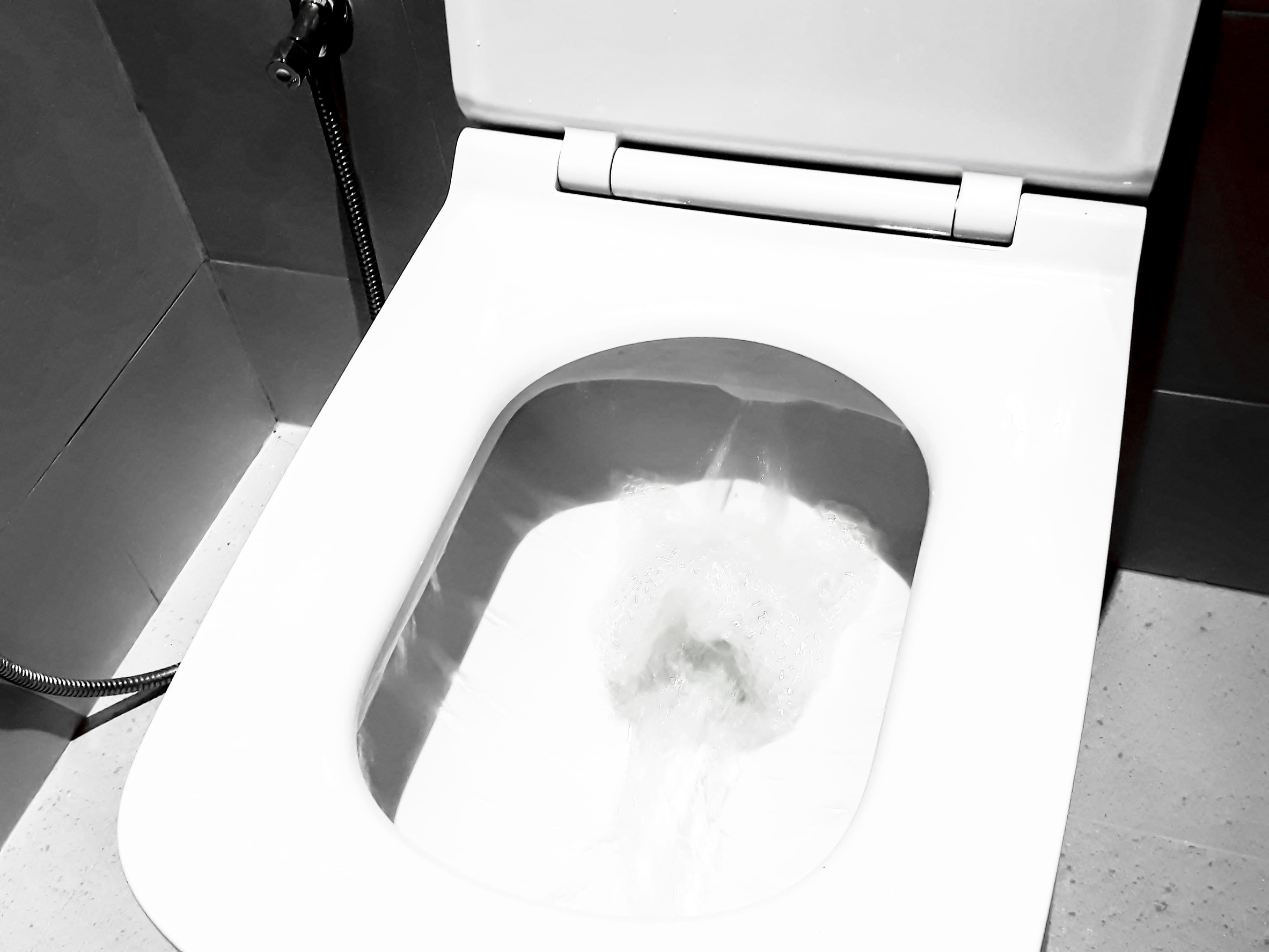
A continuously running toilet is one of the most common, frustrating, and subtle plumbing problems facing homeowners in Knoxville, Tennessee. While a running toilet might seem like a minor inconvenience compared to a burst pipe or a backed-up sewer line, the continuous trickle of water down the drain can quietly waste an astounding amount of water. A single running toilet can waste between 200 and 1,000 gallons of water per day, depending on the severity of the leak. Over a single billing cycle from local utility providers like the Knoxville Utilities Board (KUB), First Utility District, or West Knox Utility District, an unaddressed toilet leak can add hundreds of dollars to your monthly utility bill.
For homeowners across Knox County, identifying the root cause of a running toilet involves understanding both basic mechanical components and regional environmental factors. East Tennessee hard water minerals, municipal water pressure variations, and aging plumbing fixtures all contribute to internal toilet tank failures. Whether you hear a constant background hiss, a continuous trickle, or an occasional phantom flush in the middle of the night, fixing the underlying issue preserves your budget, prevents unexpected water damage, and extends the lifespan of your overall plumbing system.
Understanding the Mechanical Anatomy of Your Toilet Tank
To diagnose why a toilet runs continuously, it helps to understand how the internal mechanisms inside the porcelain tank work together. Although a toilet seems simple from the outside, the tank relies on gravity, pressure, and a delicate balance of mechanical parts to manage every flush cycle cleanly.
When you remove the porcelain tank lid and look inside, you will see several interconnected components working in harmony:
- The Fill Valve: Located on the left side of the tank, the fill valve controls the flow of fresh water into the tank after a flush. It connects directly to the flexible water supply line beneath the toilet base.
- The Float: Either a hollow floating ball attached to a metal rod or a floating plastic cup that rides vertically along the fill valve shaft. The float rises as water fills the tank, signaling the fill valve to shut off once water reaches the correct height.
- The Flapper Valve: A flexible rubber or silicone seal located at the bottom center of the tank. When you press the flush lever, the flapper lifts, allowing stored tank water to rush down into the toilet bowl.
- The Overflow Tube: A hollow vertical pipe positioned in the center of the tank. The overflow tube prevents water from spilling over the top of the porcelain tank if the fill valve fails to shut off. Any excess water flowing into the overflow tube drains directly into the toilet bowl.
- The Lift Chain: A short metal or plastic chain connecting the handle arm to the top of the rubber flapper.
When every component functions correctly, pressing the handle lifts the flapper, empties the tank, flushes the bowl, and allows the fill valve to refill the tank until the float reaches its shutoff height. When any single part wears out, warps, or loses alignment, water continuously leaks into the bowl or flows down the overflow tube, causing the fill valve to stay open indefinitely.
The Primary Causes of a Constantly Running Toilet
A running toilet usually stems from one of five distinct mechanical failures inside the tank. Identifying which component is failing helps you determine whether a simple adjustment will fix the issue or if a part replacement is necessary.
1. A Worn-Out, Warped, or Corroded Flapper Seal
The rubber flapper valve at the bottom of the tank is the single most common culprit behind a running toilet. Over time, constant submersion in water causes rubber to degrade, harden, warp, or crack. When the flapper can no longer form a tight, watertight seal against the flush valve seat, water continuously trickles from the tank into the bowl.
As water leaks out of the tank, the float drops slightly, triggering the fill valve to turn back on for a few seconds to replenish the water level. This creates a distinct pattern known as a phantom flush, where the toilet cycles on and off every few minutes even when no one has touched the handle.
2. Improper Lift Chain Length or Tangled Chain
The lift chain connecting the flush handle lever to the flapper seal must have the exact amount of slack to operate properly.
- Chain Too Short: If the chain is pulled too tight, it prevents the flapper from settling flush against the drain seat. This leaves a permanent gap that lets water leak into the bowl constantly.
- Chain Too Long: If the chain has excessive slack, it can easily kink, tangle, or slide underneath the flapper seal during a flush. When the flapper drops back down, it lands on top of the extra chain links rather than sealing against the porcelain, creating an open leak.
3. A Misadjusted or Faulty Float
The float mechanism dictates the water level inside the tank. If the float is set too high, the water level will rise above the top opening of the overflow tube. Once water reaches the top of the overflow tube, it spills continuously down into the toilet bowl, preventing the fill valve from ever shutting off completely.
Conversely, if the internal diaphragm seal inside an older fill valve wears out, the valve may continue letting water pass even if the float has reached the correct shutoff height.
4. A Cracked or Damaged Overflow Tube
The overflow tube is designed to handle temporary water surges, but if the plastic tube develops a crack or fissure below the water line, water will leak continuously through the crack and down into the toilet bowl. Because the water level inside the tank never reaches the float shutoff point, the fill valve runs continuously.
5. High Municipal Water Pressure
Excessive water pressure entering your home can overpower internal plumbing seals. If your home receives water pressure exceeding 75 to 80 pounds per square inch (PSI), the excessive force can push past the internal diaphragm of the toilet fill valve, causing it to leak continuously regardless of float position.
Taking time to evaluate household plumbing health prevents minor mechanical flaws from turning into major property repairs. Learning how to prevent plumbing leaks in your home provides a comprehensive strategy for monitoring water lines, inspecting fixture seals, and protecting your property from unexpected water damage.
Knoxville Factors: Hard Water and Municipal Pressure Variations
Homeowners in Knoxville and the surrounding East Tennessee region face specific environmental conditions that accelerate wear and tear on internal toilet components.
Mineral Scale and Hard Water Corrosion
Much of East Tennessee rests on natural limestone formations, which enrich local water supplies with dissolved calcium and magnesium. While hard water is entirely safe to drink, dissolved minerals precipitate out of standing water over time, forming rough, chalky scale deposits on plastic and rubber surfaces.
Inside a toilet tank, mineral scale builds up around the lip of the flush valve seat, preventing the rubber flapper from seating smoothly. Hard water minerals also coat the vertical shaft of float cups, causing the float to stick in place rather than rising smoothly with the water level. Furthermore, chemicals added during municipal water treatment can degrade rubber flappers over time, making them soft, sticky, or deformed.
Topographical Elevation and Pressure Spikes
Knoxville's hilly terrain, characterized by high ridge tops and deep valley bottoms, requires local utility providers to use high-pressure pumping stations and water towers to deliver water across varying elevations. Homes located at the bottom of a hill or near major utility distribution lines often receive water pressure well above 80 PSI.
Without a functioning Pressure Reducing Valve (PRV) installed on the main water line, these pressure surges force water past toilet fill valves and strain supply line connections. Understanding how often should you inspect your plumbing helps homeowners keep track of pressure regulator checks, valve inspections, and seasonal plumbing tune-ups.
DIY Diagnostic Steps: Pinpointing the Cause
Before calling a professional plumber, you can perform a few simple diagnostic tests to isolate why your toilet is running.
The Food Coloring Dye Test
If you suspect your toilet has a slow, silent flapper leak that is hard to see with the naked eye, use the food coloring test:
- Remove the porcelain tank lid and add 10 to 15 drops of dark food coloring (such as red or blue) directly into the standing tank water.
- Do not flush the toilet. Wait for 20 to 30 minutes without using the bathroom.
- Check the water inside the toilet bowl. If the bowl water has turned the color of the dye, your flapper valve is leaking and needs to be cleaned or replaced. If the bowl water remains completely clear, the leak is likely originating from the fill valve or overflow tube rather than the flapper seal.
Checking and Adjusting the Float Level
If water is constantly spilling over the top edge of the overflow tube, the float is set too high:
- For Float Cup Assemblies: Locate the plastic adjustment screw along the side of the fill valve shaft. Use a screwdriver or turn the thumb knob counterclockwise to lower the float cup height.
- For Traditional Float Balls: Carefully bend the metal float arm downward slightly to decrease the water height required to shut off the valve.
Aim to keep the water level approximately one-half inch to one inch below the top opening of the overflow tube.
Inspecting the Lift Chain
Check the chain connecting the handle arm to the flapper. Ensure there are roughly two to three links of slack when the flapper is closed. If the chain is tangled, untangle it and adjust the clip position along the chain.
Cleaning vs. Replacing Toilet Tank Components
In some cases, a running toilet can be fixed simply by cleaning mineral deposits off the flapper and valve seat. Turn off the water supply valve behind the toilet, flush the tank to empty it, and wipe down the underside of the flapper and the flush valve ring with a soft sponge soaked in white vinegar to dissolve calcium scale.
However, if the rubber flapper feels soft, sticky, brittle, or cracked, cleaning will not restore the seal. Standard replacement flappers and fill valve rebuild kits are inexpensive and readily available. When replacing internal tank parts, consider choosing chemical-resistant or heavy-duty rubber models designed to withstand hard water minerals and chlorine.
If your toilet experiences frequent line backups or sluggish flushing performance in addition to running constantly, the issue may involve downstream drain line restrictions. Reviewing top causes of clogged drains and how to fix them helps homeowners recognize how pipe buildup, tree roots, and toilet paper accumulations impact fixture performance.
When to Call a Licensed Plumber
While replacing a basic rubber flapper is a common DIY task, certain toilet and plumbing problems require the expertise of a licensed plumber:
- Persistent Fill Valve Leaks: If water continues running into the overflow tube after you have adjusted the float to a low setting, the internal fill valve mechanism has failed and requires replacement.
- Corroded Flush Valve Seats: If replacing the rubber flapper fails to stop the leak, the plastic or metal flush valve seat at the bottom of the tank may be pitted, cracked, or corroded, requiring a full tank-to-bowl tear-down.
- Leaking Tank Bolts or Gaskets: If you notice water pooling on the floor beneath the tank, the rubber washer seals around the tank mounting bolts or the large sponge gasket between the tank and bowl have degraded.
- High Household Water Pressure: If multiple toilets in your home run simultaneously or you hear banging pipes (water hammer) when faucets shut off, a plumber needs to test your main water line pressure and replace your Pressure Reducing Valve.
Professional inspections catch hidden structural flaws before they result in catastrophic leaks. Exploring why you need a professional plumbing inspection details how certified technicians inspect waste lines, measure pressure dynamics, and evaluate fixture health across your home.
Enrolling in an annual maintenance agreement provides automatic plumbing checkups, priority dispatch, and peace of mind. Joining a dedicated plumbing service plan ensures your toilets, shutoff valves, water heater, and main lines are routinely evaluated by experienced professionals.
Frequently Asked Questions
How much money can a running toilet add to my Knoxville water bill?
A running toilet can waste anywhere from 200 to over 1,000 gallons of water per day depending on the flow rate of the leak. Over a monthly billing cycle, a continuous toilet leak can add $50 to over $300 to your utility bill from KUB or local water districts.
What is a phantom flush and why does it happen?
A phantom flush occurs when a toilet turns on by itself for a few seconds and then shuts off without anyone pressing the handle. This happens because water is slowly leaking from the tank into the bowl through a faulty flapper. Once the water level drops low enough, the float triggers the fill valve to refill the tank briefly.
Why does my toilet run periodically every few minutes?
Periodic running is typically caused by a slow flapper leak or a micro-crack in the overflow tube. Water slowly escapes into the bowl until the float drops to the refill threshold, prompting the fill valve to turn on intermittently to restore the water level.
Can hard water in Knoxville cause toilet flappers to fail faster?
Yes. Knoxville hard water contains elevated levels of calcium and magnesium minerals. As standing water evaporates or sits in the tank, mineral scale collects around rubber seals and flapper hinges, hardening the rubber and preventing a flush, watertight seal.
Are drop-in chemical bleach tablets safe for toilet tank rubber parts?
No. Drop-in blue or bleach cleaning tablets sit directly in the tank water, releasing concentrated chemicals that break down rubber flappers, plastic fill valve seals, and tank-to-bowl gaskets. Plumbers recommend using clip-on bowl cleaners or manual bowl scrubbing instead of drop-in tank tablets.
How do I know if I need to replace the fill valve or just the flapper?
If water is leaking continuously from the tank into the bowl while the water level stays below the top of the overflow tube, replace the flapper. If water is constantly spilling over the top opening of the overflow tube and adjusting the float lower does not stop it, the fill valve is faulty and must be replaced.
How high should the water level be inside the toilet tank?
The water level should sit approximately one-half inch to one inch below the top rim of the vertical overflow tube. Most toilet tanks feature a molded water line mark stamped into the interior porcelain back wall to guide proper adjustment.
Can high water pressure in my home cause a toilet to keep running?
Yes. If your home's water pressure exceeds 75 to 80 PSI, the excessive pressure can force water past the internal shutoff diaphragm of the fill valve. Installing or replacing a Pressure Reducing Valve (PRV) on your main supply line resolves high-pressure issues across all home fixtures.
How long does a standard toilet flapper last before needing replacement?
In East Tennessee homes with hard water, standard rubber flappers typically last between two and five years. Using heavy chemical cleaners inside the tank can shorten a flapper's lifespan to less than one year.
When should I replace the entire toilet instead of repairing internal parts?
You should consider replacing the entire toilet if the porcelain bowl or tank has hairline cracks, if the toilet is an outdated high-volume model manufactured before 1994, or if internal bowl pathways are choked with heavy mineral scale that prevents a strong, clean flush.


