


Washing Machine Plumbing: Why Proper Drain and Supply Line Setup Matters More Than You Think
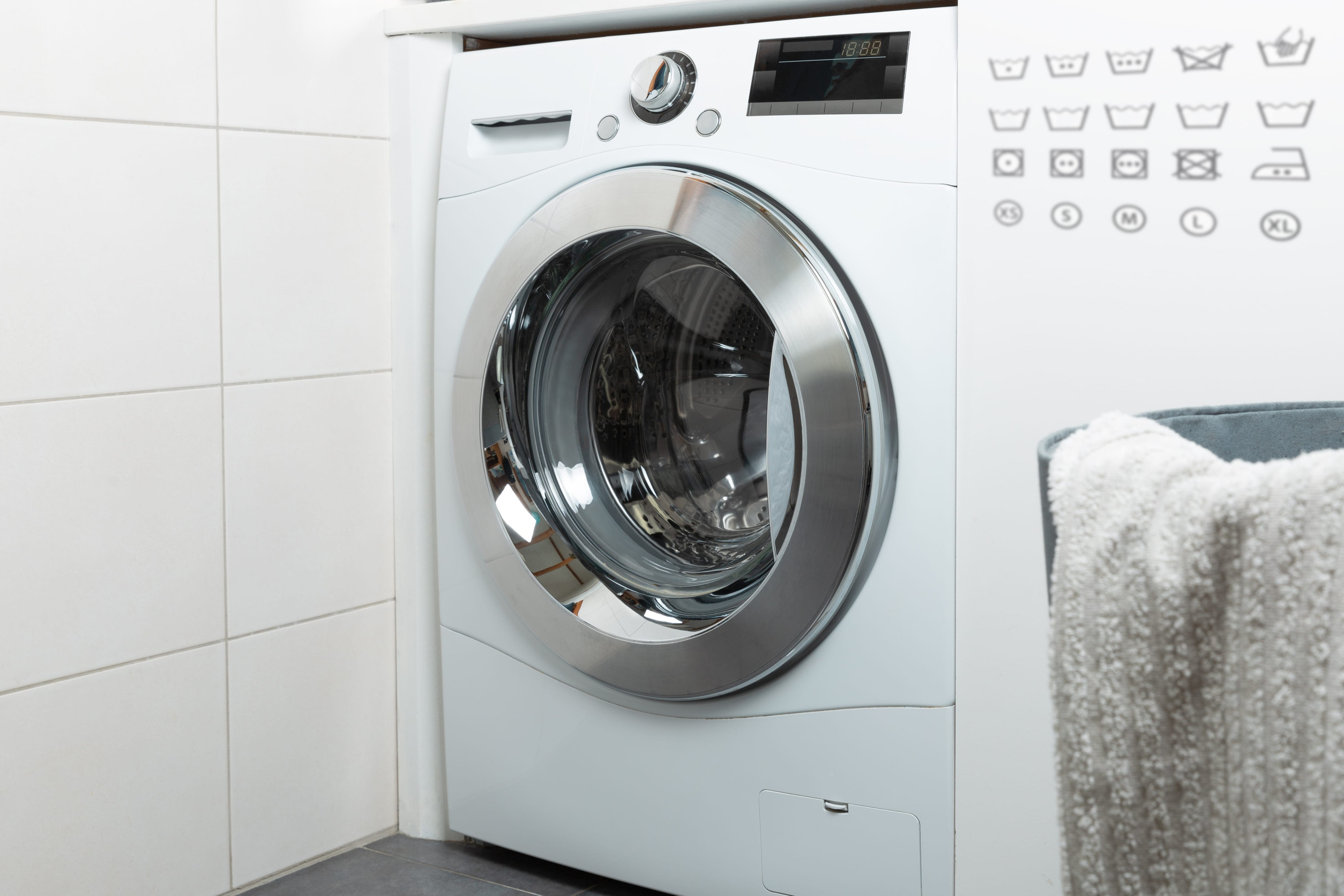
When most people think about home plumbing disasters, their minds immediately jump to a burst water main in the front yard, a severely backed-up basement toilet, or a catastrophic water heater failure. Rarely does anyone look at the unassuming washing machine tucked away in a laundry room or closet and see a ticking structural time bomb.
The reality of residential property management is far more sobering. Washing machine plumbing assemblies—specifically the pressurized supply lines and the high-velocity drainage systems—are responsible for some of the most frequent, expensive, and structurally devastating water damage events in modern households.
A standard washing machine handles dozens of gallons of water per cycle, drawing that water at high velocity under full household pressure and then ejecting it with significant mechanical force. If any single component of this dual intake-and-drainage matrix is improperly engineered, worn out, or poorly configured, the results can manifest as hidden toxic mold growth, ruined subfloors, or a flash-flood capable of destroying thousands of dollars of property in less than an hour.
Understanding how your washing machine interacts with your home’s underlying infrastructure is essential. Proper drain and supply line configuration is not just a matter of making sure your laundry gets clean; it is a critical engineering requirement designed to safeguard your entire home.
1. The Anatomy of Modern Washing Machine Plumbing
To understand why configuration errors are so dangerous, you must first understand the unique mechanical demands a clothes washer places on your home's structural piping. Unlike a standard sink or bathtub fixture, which relies on simple gravity to drain water at a leisurely pace, a washing machine is an active mechanical pump system.
+--------------------------------------------------------------------------+
|                  THE LAUNDRY ROOM PLUMBING MATRIX                        |
+--------------------------------------------------------------------------+
|  [Hot & Cold Supply Lines] ----> (Internal Electronic Solenoid Valves)   |
|                                                  |                       |
|                                          [Washing Drum]                  |
|                                                  |                       |
|  [Standpipe (Open Top)] <---- [Discharge Hose] <-+ (Internal Ejector     |
|         |                                            Pump)               |
|         v                                                                |
|     [P-Trap] ---> [Vent Stack Line] ---> [Main Sewer Grid Connection]     |
+--------------------------------------------------------------------------+
The system is split into two independent functional zones:
- The Pressurized Supply Matrix: This consists of the dedicated hot and cold water supply lines, individual shut-off valves, and the internal electronic solenoid valves inside the appliance that snap open and shut instantly on commands from the machine's control board.
- The High-Velocity Discharge Grid: This consists of the flexible corrugated discharge hose attached to the back of the washer, an open-topped vertical standpipe, a dedicated P-trap, a structural vent line, and the branch line connecting to your home's primary waste disposal pipeline.
Because these two zones operate under drastically different physical rules—one under continuous municipal pressure, the other under sudden, high-volume mechanical pump forces—a failure in either zone presents a unique set of complications.
2. The Mechanics of the Drain System: Standpipes, Traps, and Venting
The drainage loop is where the vast majority of amateur installation mistakes occur. When a washing machine enters its spin and drain cycle, its internal impeller pump expels water at a rate of up to 15 to 20 gallons per minute. This high-velocity surge of soapy water, lint, and debris requires a perfectly configured exit pathway to prevent backsplashes and structural overflows.
The Critical Physics of Standpipe Height
The standpipe is the vertical length of pipe that accepts the washing machine’s flexible drain hose. According to both the International Plumbing Code (IPC) and Uniform Plumbing Code (UPC), a standpipe must adhere to precise height requirements:
- Minimum Height: 18 inches above the centerline of the P-trap.
- Maximum Height: 42 inches above the centerline of the P-trap.
If your laundry room configuration results in frequent backups, water spilling onto the floor, or a slow drainage timeline, the issue could stem from an improperly configured stack line. In these scenarios, seeking a professional evaluation for drain line repair is essential to re-engineer the drop profile and ensure your system can handle modern high-efficiency drain velocities.
The P-Trap and Venting Ecosystem
Every washing machine standpipe must connect to its own dedicated P-trap. The P-trap retains a small volume of water that creates a physical liquid seal, preventing hazardous sewer gases (methane, hydrogen sulfide, and carbon monoxide) from migrating out of the waste system and into your living spaces.
However, a P-trap cannot function properly without a direct tie-in to a plumbing vent stack. As a massive volume of water rushes down the standpipe and through the trap, it creates a localized drop in air pressure behind it.
Without a functional atmospheric vent line to equalize this pressure, a powerful siphoning vacuum is created. This vacuum can literally suck the protective water barrier right out of the P-trap, leaving an open airway for toxic sewer odors to pour directly into your laundry room.
3. The Dangerous Mistake of the "Sealed" Discharge Line
One of the most dangerous DIY installation errors homeowners make is attempting to solve an overflowing standpipe by hermetically sealing the washing machine discharge hose straight into the drain pipe using duct tape, expanding foam, or tight mechanical rubber couplings.
This creates a completely closed plumbing loop, which violates fundamental hydraulic principles and creates two massive system vulnerabilities:
1. The Hydraulic Siphon Hazard
When the washing machine finishes pumping out water and stops its cycle, the column of water falling down the drain line creates a natural down-draft vacuum. If there is no air gap at the top of the standpipe, this vacuum will continue to siphon water straight out of the washing machine tub itself.
As a result, your machine may continuously fill with clean water while simultaneously siphoning it straight down the drain, resulting in massive utility bills and an overheated appliance motor. In worse-case scenarios, it can pull dirty, contaminated waste water backward out of the drain grid and back into your clean clothes drum.
2. The Flash Overflow
Sealing the line does not fix a drainage restriction; it merely hides it until pressure builds up. If your downstream lines are running slowly due to an obstruction, a sealed connection will force the high-pressure water to find the next available path of least resistance.
This usually means the soapy water will back up out of nearby kitchen sinks, floor drains, or adjacent bathroom fixtures, creating a multi-room contamination event.
4. Supply Line Vulnerabilities: The Silent Ticking Time Bomb
While drain system errors typically cause problems while the machine is actively running, supply line vulnerabilities are dangerous because they can fail at any hour of the day or night—even when you are away from home on vacation.
Traditional washing machines are hooked up using cheap, flexible unreinforced black rubber hoses. These hoses are constantly subjected to full household water pressure, which typically ranges between 40 and 70 PSI inside a standard residential grid.
[ Municipal Main Pressure: 60 PSI ] ---> [ Standard Rubber Hose Line ] ---> [ Shock Solenoid Valve ]
                                                                                   |
   (Result over time: Rubber expands, micro-tears form, leading to a catastrophic blowout)
Over time, this constant mechanical stress leads to material fatigue. The rubber oxidizes, develops micro-tears from structural fluctuations, and can form a physical blister that will eventually burst without warning. Because a burst supply line is open directly to your main pressurized water line, it will continue to discharge water at full force until someone manually closes the main household water valve.
The Invisible Threat of Water Hammer
The primary catalyst for washing machine supply line failure is a phenomenon known as water hammer (hydraulic shock). Modern washing machines use rapid-acting electronic solenoid valves to regulate water intake. When the machine reaches the correct fill level, these internal valves snap shut in a fraction of a second.
When moving water traveling at high speed under pressure is suddenly brought to an instantaneous halt, its kinetic energy has to go somewhere. This creates a violent hydraulic shockwave that travels backward through the supply hose, causing the pipes inside your walls to rattle, shake, and bang.
This repeated pressure spike can exceed two to three times your normal baseline household water pressure. Over months and years, this continuous pounding weakens the internal structural webbing of standard rubber hoses until a catastrophic rupture occurs.
If you notice that your lines rattle loudly or your flow patterns change abruptly whenever your laundry cycles kick on, investigating the common causes of low water pressure and how to fix them can help determine if your home is suffering from excessive baseline utility pressure or if you lack proper mechanical shock absorbers to mitigate water hammer events.
5. Shut-off Valves: Upgrading Your Defensive Perimeter
If your laundry room is still utilizing older multi-turn gate valves with compressed rubber washers, you are dealing with a compromised defensive framework. These older valves are notorious for seizing up over time due to mineral encrustation and hard water scale.
When an emergency occurs and you need to shut off the water to a leaking machine immediately, you cannot afford to waste time wrestling with a frozen, corroded brass knob.
The Quarter-Turn Ball Valve Upgrade
Every modern laundry setup should be retrofitted with a dedicated single-lever, quarter-turn brass ball valve manifold. These assemblies feature an internal highly polished stainless steel ball nested inside Teflon seals.
Because the valve requires only a simple 90-degree throw of a single lever to completely isolate both the hot and cold lines simultaneously, it provides immediate emergency control.
Smart Leak Detection Integration
For the ultimate layer of home protection, properties can be retrofitted with electronic automatic shut-off valves tied to floor-level moisture sensors. If a supply hose develops a pinhole leak or the standpipe overflows while you are away, the water hitting the floor sensor completes an electrical circuit.
The sensor instantly sends a signal to a motorized shut-off valve at the wall outlet, completely cutting off the water supply in less than two seconds. To safeguard your home further, understanding the mechanics of these systems and how to plan for unexpected failures is highly valuable. Utilizing a comprehensive guide on how to detect hidden water leaks can help you identify moisture problems behind drywall or beneath heavy laundry appliances before structural rot sets in.
6. Recognizing the Early Warning Signs of Laundry Plumbing Distress
Washing machine plumbing arrays rarely fail completely without throwing off several subtle, early-warning operational indicators. Learning how to accurately interpret these red flags can save you from a major structural headache down the line.
1. The Slow Fill or Chronic Error Codes
If your washing machine is taking an unusually long time to complete its initial fill cycle or frequently pauses to flash a low-flow error code on its digital display, do not assume the appliance itself is broken.
This symptom often points directly to a heavily clogged debris screen where the supply line attaches to the back of the washer. Over time, rust flakes and mineral scale break loose from your main household lines and become trapped in these tiny mesh strainers, starving the machine of water and placing excessive stress on the internal solenoid valves.
2. The Persistent Musty Laundry Room Odor
If your laundry room suffers from a chronic, damp, or rotten-egg odor that persists even after running an empty self-cleaning cycle with bleach through the appliance, you are likely looking at an underlying architectural venting failure.
This indicates that either your standpipe's P-trap has dried out due to an unvented siphoning event, or micro-leaks are occurring behind the drywall grid due to poor joint structural welds.
       [ LAUNDRY ROOM RED FLAG DIAGNOSTIC CHECKLIST ]
                             |
         +-------------------+-------------------+
         |                                       |
         v                                       v
[ Musty Smell / Odors ]                [ Slow Fill / Error Codes ]
         |                                       |
         v                                       v
Check for: Dry P-Trap,                 Check for: Clogged Intake
Siphoning, or Hidden Drywall Leaks     Screens or Failing Valves
If these warning signs sound familiar, it is time to perform a systematic review of your entire home grid. Consulting a professional reference on the standard signs your plumbing system needs repair will help you categorize your symptoms and determine whether you are dealing with a simple fixture fix or a deeper, system-wide infrastructure issue.
7. Proactive Maintenance Strategies for Long-Term Structural Safety
Protecting your property from washing machine plumbing failures does not require a degree in hydraulic engineering. By committing to a few straightforward, disciplined maintenance habits, you can drastically reduce your risk profile.
- Implement the 5-Year Supply Hose Replacement Rule: No matter how pristine your washing machine supply hoses look from the outside, the internal structural rubber is undergoing constant pressure degradation. Replace standard lines every five years without exception—and always upgrade to braided stainless steel lines, which feature an outer woven metal jacket designed to prevent catastrophic expansion and blowouts.
- Maintain Proper Appliance Clearance: Never push your washing machine completely flush against the back wall to save space. Doing so can violently crimp and crush the flexible supply lines and corrugated drain hose. This structural constriction creates immense localized pressure zones and mechanical friction points that drastically accelerate material failure. Maintain a minimum gap of 3 to 4 inches between the machine and the wall.
- Clean the Drain Line Lint Catchers: Washing machines release massive quantities of fabric lint, pet hair, and particulate debris during every single cycle. While some of this is captured by internal screens, much of it travels down the discharge line. Over time, this lint mixes with residual soap scum to form a dense, grease-like sludge that coats the interior of your P-trap and drain lines, slowly constricting the diameter of your waste piping.
To ensure your laundry configuration and your home's broader plumbing lines remain resilient year-round, implementing a structural upkeep routine is an excellent investment. Reading about the long-term benefits of how to extend the life of your plumbing system can give you the preventative strategies required to protect your home's value, optimize appliance efficiency, and minimize the risk of sudden, expensive emergency calls.
Turn to East Tennessee's Trusted Plumbing Experts
Your laundry room should be a hub of residential convenience, not a source of constant anxiety over hidden leaks or catastrophic pipe failures. Ensuring that your washing machine supply lines, high-velocity standpipes, P-traps, and safety valves are perfectly calibrated to modern plumbing codes is an investment in your home's long-term structural integrity.
Whether you need to upgrade older unreinforced rubber hoses to heavy-duty stainless steel braided lines, correct an improperly sized or overflowing vertical standpipe, install a modern single-lever shut-off valve manifold, or protect your entire property with advanced leak detection integration, our team is standing by to help.
At Advanced Heat, AC & Plumbing, we have spent over four decades helping homeowners across the Knoxville region keep their residential mechanical infrastructure safe, efficient, and fully compliant. As a third-generation, veteran-owned family business, we combine advanced diagnostic equipment with honest, deeply experienced workmanship to deliver long-term peace of mind.
Explore our comprehensive options for residential plumbing in knoxville to see how we can optimize your home's entire piping layout.
📞 Are you concerned about aging laundry lines, rattling pipes, or a slow-running drain loop? Protect your property from costly water damage by calling Advanced Heat, AC & Plumbing today at 865-933-5538 to schedule an expert system evaluation!


