


What Causes Low Water Pressure in Knoxville Homes
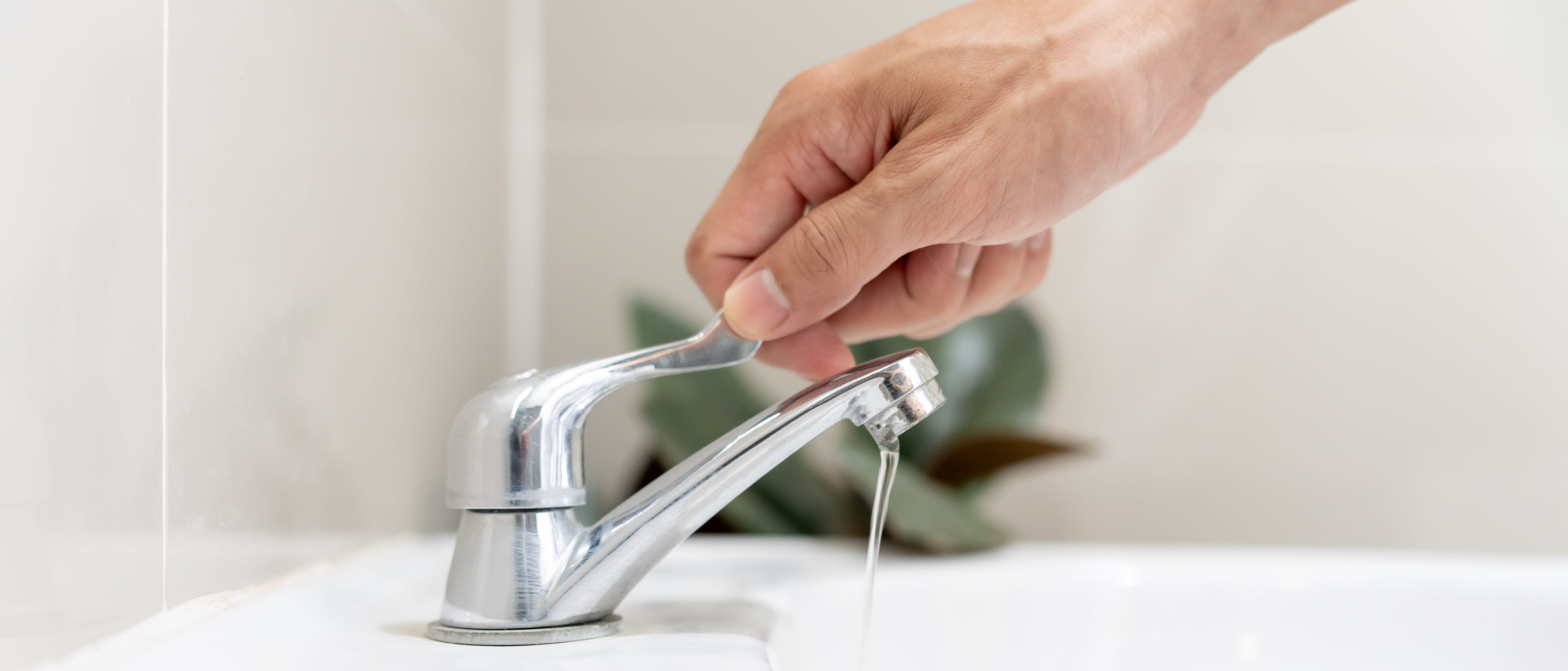
Standard residential water pressure in East Tennessee ranges between 40 and 60 pounds per square inch (PSI). When a weak trickle replaces a strong stream at your kitchen faucet or showerhead, simple daily tasks like washing dishes, doing laundry, and taking a shower become frustratingly slow.
Knoxville presents a unique combination of topographical challenges, aging housing stock, and mineral-dense water that frequently impacts household water pressure. Identifying whether your low water pressure stems from a quick fix, a municipal utility issue, or a deep-seated plumbing defect allows you to restore proper water flow and protect your home from long-term pipe damage.
1. Municipal Supply Variations and Topographical Elevation
Knoxville is situated within the Ridge and Valley region of the Appalachian Mountains. This terrain features dramatic changes in elevation between high ridge tops and low valley floors. Local municipal utility providers, including the Knoxville Utilities Board (KUB), First Utility District (FUD), West Knox Utility District (WKUD), and Hallsdale-Powell Utility District, rely on high-pressure pump stations, water treatment facilities, and elevated storage tanks to move water across varying elevations.
High Ridge Homes (Lower Natural PSI)  <--->  Municipal Storage Tower
                                                   │
                                                   ▼
Valley Floor Homes (Higher Natural PSI) <--->  Pressure Regulator Valve
Elevation and Gravity Dynamics
Homes built on high ridges, such as those in parts of West Knoxville, Fountain City, and South Knoxville, often experience naturally lower municipal water pressure than homes situated in low valley bottoms. Because gravity exerts downward force on water, pumping water uphill to elevated subdivisions reduces static pressure. Conversely, homes at the bottom of a hill may receive municipal pressure exceeding 100 PSI, requiring a pressure regulator to prevent blown pipe joints.
Main Line Repairs and Utility Supply Fluctuations
Municipal water main breaks, routine hydrant flushing, or neighborhood utility construction can cause sudden drops in pressure across entire streets or zip codes. When KUB or local utility crews isolate water lines to repair a burst main, nearby homes experience reduced volume or temporary outages. Furthermore, overall neighborhood demand peaks during early morning hours when thousands of households run showers and irrigation systems at the same time, leading to temporary drops in delivered pressure.
2. Pressure Reducing Valve (PRV) Malfunctions
A Pressure Reducing Valve (PRV), also known as a pressure regulator, is a dome-shaped brass fitting typically installed where the main water line enters your home or near the main shut-off valve. Its purpose is to step down excessive street water pressure from municipal mains (which can reach 100 to 150 PSI) to a safe, manageable 40 to 60 PSI for your indoor fixtures and appliances.
High Municipal Pressure (100–150 PSI)
                 │
                 ▼
    Failing Internal PRV Spring
                 │
                 ▼
Restricted Indoor Flow (Below 30 PSI)
Signs of PRV Failure
Like any mechanical plumbing component with internal springs and rubber diaphragms, a PRV wears out over time. Typical lifespans for residential pressure regulators range from 10 to 15 years. When a PRV fails, it usually manifests in one of two ways:
- Failing Closed (Low Pressure): The internal spring or diaphragm restricts incoming flow, resulting in a sudden, uniform drop in water pressure across every faucet, shower, and toilet in the home.
- Failing Open (High Pressure Spikes): The valve allows raw, unregulated street pressure into your plumbing network. This excessive force damages appliance valves, causes water hammer banging noises, and can rupture supply lines.
If every fixture in your home suddenly loses pressure at the exact same time, a failing or misadjusted PRV is often the prime suspect. Adjusting the top locknut and bolt on a PRV can sometimes recalibrate the flow, but a worn-out regulator must be replaced by a licensed plumber.
3. Corrosion and Mineral Scale in Galvanized Steel Pipes
In older Knoxville neighborhoods such as Sequoyah Hills, Park City, North Knoxville, and Fourth & Gill, many homes built before the 1970s still contain original galvanized steel supply piping. Galvanized pipes consist of iron coated with a protective layer of zinc. Over decades of constant exposure to oxygen and water, this zinc coating wears away, causing the underlying iron to rust from the inside out.
New Galvanized Pipe (Wide Smooth Bore)
                 │
                 ▼
Decades of Iron Oxidation & Rust Growth
                 │
                 ▼
Severe Tuberculation (Choked Inner Diameter)
The Threat of Pipe Tuberculation
As galvanized pipes age, rust creates rough, raised mineral deposits called tuberculation along the interior pipe walls. This internal corrosion acts like clogged arteries in a human heart. Even if the outside of a pipe looks intact, its inner diameter may be reduced from three-quarters of an inch down to the thickness of a drinking straw.
Hard Water Mineral Accumulation
East Tennessee groundwater travels through natural limestone bedrock, absorbing calcium carbonate and magnesium along the way. While this mineral content makes local water safe and clean to drink, it accelerates mineral scale buildup inside corroded metal pipes. Calcium scale adheres to internal rust flakes, creating stubborn blockages that restrict water volume.
If your home has aging galvanized lines, removing scale manually is impossible. The only permanent solution is repiping the structure using modern materials like PEX or copper. Learning how to improve water pressure at home outlines practical steps homeowners can take to test system PSI, clean fixtures, and evaluate whether old pipes need complete replacement.
4. Hidden Plumbing Leaks and Underground Line Breaks
An unseen leak in your plumbing system diverts water away from your fixtures, causing a sharp reduction in operating water pressure. Small pinhole leaks cause minor, localized pressure loss, while major supply line breaks cripple water flow throughout the entire residence.
Underground Line Crack (Clay Soil Expansion)
                 │
                 ▼
Continuous Water Loss into Crawlspace / Yard
                 │
                 ▼
Drastic PSI Drop at Indoor Faucets & Showers
Expansive Clay Soil and Underground Line Shear
The ground throughout Knox County contains a high concentration of dense red clay. This soil expands significantly when saturated with rain and contracts during dry summer months. This constant ground shifting places intense structural stress on underground main service lines running from the street meter to the house.
Furthermore, freezing winter temperatures cause shallow ground expansion, which can crack aging main water lines, PVC fittings, or copper main connections underground.
Indoor Slab Leaks and Pinhole Ruptures
Homes built on concrete slab foundations can develop subterranean leaks when copper supply lines embedded beneath the concrete corrode or rub against aggregate gravel. Because water escapes continuously under pressure beneath the slab, indoor faucets experience a noticeable drop in flow rate, often accompanied by warm spots on floor tiles or rising utility bills.
Taking steps to protect your plumbing infrastructure prevents unexpected structural damage. Reviewing how to prevent plumbing leaks in your home provides a clear strategy for inspecting exposed supply lines, monitoring system pressure, and preventing costly water line ruptures.
In addition, understanding early mechanical warning signs helps catch leaks before catastrophic line breaks occur. Learning how to tell if your pipes are about to burst helps homeowners identify unusual pipe noises, discolored water, and pressure fluctuations that signal imminent line failure.
5. Partially Closed Shut-Off Valves and Clogged Fixtures
Sometimes low water pressure is caused by a simple mechanical oversight or isolated fixture debris rather than a major structural plumbing failure.
Main Street Shut-Off Valve / House Ball Valve
                 │
                 ▼
Handle Positioned at 45 Degrees (Half Open)
                 │
                 ▼
Severe Friction & Flow Restriction to Whole House
Main Shut-Off Valve Position
Your home relies on two primary shut-off valves to control incoming municipal water:
- The Meter Valve: Located inside the street curb box, this valve is operated by utility technicians. If utility work was recently performed, a technician may have left the valve partially closed.
- The Main House Shut-Off Valve: Located where the main line enters your home, basement, or crawlspace. Modern homes use lever-style ball valves, while older homes utilize wheel-style gate valves.
If a gate valve wheel is turned halfway, or if an internal gate stem snaps off inside the valve body, water flow is severely throttled. Ensuring your main ball valve lever is turned fully parallel to the pipe guarantees maximum water flow.
Clogged Aerators and Showerhead Screens
If low water pressure affects only a single faucet or showerhead, the issue is isolated to that specific fixture. Faucet aerators feature fine wire mesh screens designed to shape the water stream and reduce splash. Over time, small rust flakes, sediment from water main repairs, and calcium scale collect behind these tiny screens, blocking water passage.
Water Stream Carrying Mineral Flakes
                 │
                 ▼
Trapped Behind Fine Faucet Aerator Mesh
                 │
                 ▼
Weak, Splattering Water Stream at Sink
Unscrewing the aerator, soaking it in white vinegar to dissolve mineral deposits, and rinsing away pipe sediment frequently restores full water pressure in minutes. Exploring 9 residential plumbing hacks that actually work offers quick, practical solutions for cleaning fixtures, clearing aerators, and maintaining optimal water flow without unnecessary expenses.
6. Water Heater Sediment Accumulation and Thermal Issues
If your home maintains strong water pressure when running cold water but experiences a dramatic drop in flow when switching to hot water, the bottleneck is located within your hot water system.
Hard Water Mineral Precipitation in Water Tank
                 │
                 ▼
Dense Sediment Layer Covers Lower Heating Area
                 │
                 ▼
Sediment Sludge Enters Outlet Pipe & Fixtures
Tank Sediment Accumulation
Traditional tank water heaters heat cold water continuously. As hard water is heated, dissolved calcium and magnesium precipitate out of the liquid and settle to the bottom of the tank as heavy sediment sludge. Over several years, this mineral layer builds up around lower heating elements and covers the dip tube outlet.
When hot water is requested at a tap, this dense sediment slurry gets drawn into the hot water outlet pipe, clogging hot water supply lines, shut-off valves, and mixer cartridges inside shower valves.
Tankless Water Heater Scale Buildup
Tankless on-demand water heaters do not accumulate bottom sediment, but their narrow copper or stainless steel heat exchanger channels are highly sensitive to mineral scaling. As water flash-heats inside the exchanger, calcium scale coats the interior walls of the narrow tubing, restricting hot water flow and triggering error codes that reduce water output.
Regularly flushing your water heater annually removes accumulated mineral deposits, preserves internal heating elements, and ensures full hot water flow across all bathroom and kitchen fixtures.
7. Systemic Diagnostic Matrix: Pinpointing Pressure Loss Causes
Isolating whether low water pressure is localized or widespread narrows down the precise cause and determines the appropriate solution.
8. Professional Testing, Diagnostics, and System Upgrades
Resolving persistent or unexplained low water pressure requires specialized diagnostic equipment to evaluate static pressure, dynamic flow rates, and physical pipe integrity.
Step 1: Hose Spigot Gauge Test (Static PSI Measurement)
                 │
                 ▼
Step 2: Water Meter Isolation Test (Verify Hidden Line Leaks)
                 │
                 ▼
Step 3: Hydrostatic Line Pressure & Flow Diagnostics
                 │
                 ▼
Step 4: Mechanical Fix (PRV Replacement, Booster Pump, or Repipe)
Static vs. Dynamic Pressure Testing
A certified plumber begins by attaching a calibrated water pressure gauge to an outdoor hose spigot to measure static water pressure (pressure when no water is running inside).
- Normal Range: 40 to 60 PSI.
- Low Pressure: Below 30 PSI indicates a failing PRV, main line restriction, or municipal supply deficiency.
- Excessive Pressure: Above 80 PSI risks bursting supply hoses and damaging fixture cartridges.
Next, the plumber turns on indoor fixtures to test dynamic pressure (pressure during active flow). A sharp drop between static and dynamic readings indicates a severe physical restriction, such as tuberculated galvanized pipes or a partially closed valve, rather than a low utility supply pressure.
Installing Water Pressure Booster Pumps
For Knoxville homes located on high mountain ridges or at the outer ends of municipal distribution lines where utility pressure is naturally low, installing a water pressure booster pump provides an effective solution. An electric booster pump connects directly to your main supply line, utilizing an internal expansion tank and impeller fan to boost municipal water pressure to a reliable, consistent 50 to 60 PSI throughout the home.
Comprehensive Plumbing Inspections
Because multiple factors, such as corroded valves, hidden leaks, and mineral scale, can combine to reduce water flow, a complete system evaluation is the most effective approach to identify every bottleneck. Exploring why you need a professional plumbing inspection details how certified technicians use pressure gauges, leak detection equipment, and video pipe cameras to diagnose hidden issues, restore water volume, and protect your home's infrastructure.
Restoring Reliable Water Pressure in Your Home
Low water pressure is more than an inconvenience; it is often an early warning sign of severe pipe corrosion, failing pressure regulators, or hidden water line breaks. By understanding how Knoxville's geography, municipal utilities, hard water minerals, and aging pipe materials interact, you can take timely action to restore proper water flow.
If basic fixture cleaning and valve checks do not resolve low water pressure in your home, contact a licensed, local plumbing professional to conduct a comprehensive pressure diagnostic and restore strong, reliable water flow to every tap.


