


What Causes Weak Airflow in Your HVAC System
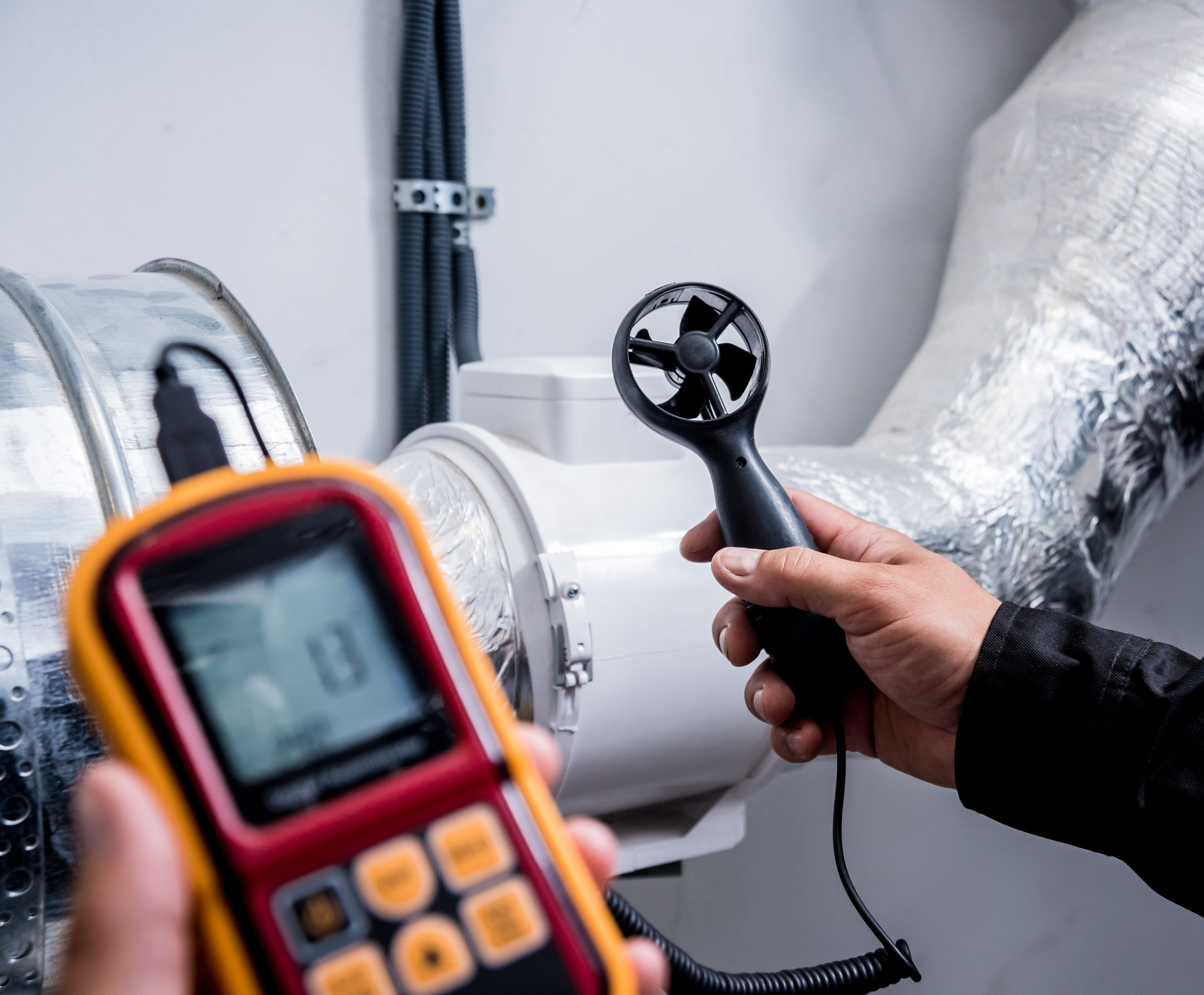
Weak airflow is one of the most common HVAC complaints and one of the most misunderstood. Homeowners often assume weak airflow means the unit is “not powerful enough,” but airflow problems are usually caused by restrictions, dirty components, duct issues, or blower performance problems. Weak airflow does more than make rooms uncomfortable. It increases energy costs, worsens humidity control, contributes to frozen coils in summer, can overheat furnaces in winter, and shortens equipment life.
This guide explains what causes weak airflow, how to tell where the problem is coming from, what you can safely check at home, and when you should call a professional to prevent expensive damage.
What “weak airflow” actually means
Weak airflow usually shows up in one of two ways:
- Low airflow at multiple vents across the home
- Low airflow in specific rooms while others feel normal
These are different problems with different causes. Whole-home weak airflow is often tied to the filter, blower, coil, or main duct restrictions. Room-specific weak airflow is often tied to duct branches, dampers, vent blockage, or duct leakage in that zone.
A simple first step is to walk through the house and compare airflow. If every vent feels weak, start with system-wide causes. If only a few rooms are weak, focus on duct delivery issues.
Why weak airflow matters for energy costs and system damage
Airflow is the delivery method for heating and cooling. If you restrict airflow, the system still tries to do the job, but it does it inefficiently.
Weak airflow can cause:
- Longer run times and higher energy bills
- Uneven temperatures and hot or cold spots
- Reduced moisture removal in summer, making the home feel sticky
- Frozen evaporator coils in cooling mode
- Furnace overheating and safety shutdowns in heating mode
- Higher stress on blower motors and compressors
In other words, airflow issues are not just comfort problems. They are system health problems.
1. Dirty or incorrect air filter
A clogged filter is the most common cause of weak airflow. It is also the easiest to fix.
How filters restrict airflow
Filters catch dust and debris, but as they load up, resistance increases and airflow drops. If you use a filter that is too restrictive for your system, airflow can be reduced even when the filter is new.
Common filter mistakes
- Leaving a filter in too long during heavy heating and cooling seasons
- Using a high-MERV filter that your system cannot handle
- Installing the wrong size so air bypasses or the filter collapses
What to do now
- Replace the filter if you are unsure when it was last changed
- Confirm the arrow points toward the blower
- Use the correct size
- If airflow improves immediately, the filter was a major factor
2. Blocked or closed supply vents and return grilles
It is surprisingly common for weak airflow to be caused by the room setup, not the HVAC equipment.
Common vent issues
- Rugs or furniture covering floor registers
- Curtains covering wall vents
- Closed vents in multiple rooms
- Return grilles blocked by furniture or storage
- Items stacked in front of return grilles in hallways or bedrooms
Why closed vents can make airflow worse
Many homeowners close vents in unused rooms to “save money,” but closing too many vents can increase static pressure in the duct system. That reduces total airflow and stresses the blower.
Quick fix
Walk the house and confirm every supply vent is open and unobstructed. Then confirm return grilles are not blocked. This alone solves airflow problems in a surprising number of homes.
3. Dirty blower wheel or failing blower motor
Your blower is the engine that moves air. If the blower wheel is coated in dust or the motor is failing, airflow will drop throughout the home.
Signs of blower problems
- Weak airflow at most vents
- The system sounds like it is running but air movement feels minimal
- The blower seems louder than normal
- The system runs longer to reach the setpoint
- Inconsistent airflow that changes during a cycle
Why blower wheels get dirty
Dust bypassing a filter, poor filter fit, or long periods without maintenance can coat blower blades. Even a thin layer changes the blade shape and reduces how much air it can move.
Why this requires professional service
Blower diagnostics involve electrical testing, cleaning, and confirming the motor is operating within safe amperage ranges. If a blower is failing, replacing it early prevents bigger system damage and avoids comfort instability.
4. Dirty evaporator coil restricting airflow
The evaporator coil is inside the indoor unit and is responsible for absorbing heat from the air. It also sits in the airflow path. When it becomes coated in dust, airflow drops and cooling performance suffers.
What a dirty coil causes
- Weak airflow
- Longer cooling cycles
- Reduced humidity control
- Coil freezing in severe cases
- Higher energy use
Coil buildup is common in homes with poor filtration habits, duct leakage that pulls in attic dust, or long periods without maintenance.
If your AC is also struggling to cool, weak airflow may be part of the story.
5. Frozen evaporator coil or iced refrigerant lines
A frozen coil is both a symptom and a cause of weak airflow. Once the coil freezes, airflow can drop dramatically because ice blocks air passage.
Why coils freeze
- Airflow is too low due to dirty filter, blower issue, or blocked return
- Refrigerant is low due to a leak
- The coil is dirty and airflow is reduced
- The thermostat or controls cause long run times that push conditions toward freezing
What to do immediately if you suspect freezing
- Turn the system off
- Set the fan to ON to help thaw
- Replace the filter if it is dirty
- Do not keep cooling with ice present
If freezing is recurring, the root cause must be corrected. Ignoring it can damage the compressor.
6. Leaky or disconnected ductwork
Duct leaks reduce airflow at vents because air escapes before it reaches rooms. In many homes, duct leaks happen in attics, crawlspaces, basements, or inside wall cavities.
Signs duct leakage is a factor
- Weak airflow in rooms farthest from the air handler
- Dusty air and heavy dust buildup in the home
- Temperature differences between rooms
- Higher utility bills with long run times
- Visible disconnected ducts in attic or crawlspace areas
When ductwork leaks, the system may still move air, but you do not feel the benefit where you live. A duct inspection can identify disconnected runs, crushed flex duct, and leaks at joints.
7. Crushed, kinked, or poorly installed flex duct
Flex duct is common in attics and crawlspaces. It works well when installed correctly, but it is vulnerable to kinks, compression, and sagging that restrict airflow.
What happens with damaged flex duct
- Airflow drops significantly in the affected branch
- Rooms on that duct run become consistently uncomfortable
- The system runs longer because the thermostat area may still be satisfied slowly
- Air noise may increase due to restriction
Common causes of flex duct restriction
- Storage placed on top of ducts in attic spaces
- Duct runs that are too long or have too many turns
- Sagging ducts that create low points and reduce effective diameter
- Poorly sized duct branches for the room load
If only one or two rooms have weak airflow, flex duct restriction is often a prime suspect.
8. Undersized ductwork or poor duct design
Sometimes airflow is weak because the duct system was never designed to deliver enough air. This is common in older homes that have had additions or remodels.
Signs duct sizing may be wrong
- Weak airflow in the same rooms year after year
- Comfort problems do not improve with maintenance or filter changes
- Certain rooms are always warmer or cooler
- Airflow is noisy because the system is pushing too hard through small ducts
Undersized ducts create high static pressure, which reduces airflow and strains the blower. A professional can measure static pressure and determine whether duct modifications would improve delivery and efficiency.
9. Dirty registers, grilles, and return pathways
Sometimes airflow feels weak because the grille itself is obstructed by dust, debris, or a blocked pathway.
Things to check
- Dust buildup on return grilles that restricts airflow
- Pet hair accumulation at floor returns
- Filters behind return grilles that have not been changed
- Internal dampers in some registers that were accidentally closed
This is not usually the biggest airflow issue, but it can be a contributing factor, especially in homes with pets.
10. Zoning dampers, duct dampers, or manual balancing issues
Some homes have zoning systems or manual dampers that control airflow to different areas. If a damper fails, sticks, or is adjusted incorrectly, airflow may drop in certain rooms.
Signs a damper issue may exist
- One zone has very weak airflow while another is normal
- Airflow changed suddenly after HVAC work
- The thermostat is satisfied in one part of the home while another area stays uncomfortable
Damper diagnosis requires inspection and sometimes advanced testing. If you suspect dampers, a professional evaluation is usually needed.
11. HVAC system size and blower settings
In some systems, blower speed settings can affect airflow. If blower speed is set incorrectly for cooling or heating, airflow may be too low. This often happens after repairs or improper configuration.
What incorrect blower settings can cause
- Weak airflow
- Poor humidity control
- Frozen coils in cooling mode
- Overheating in heating mode
This is not a DIY adjustment. Blower settings should be evaluated and configured by a professional to match equipment requirements and duct conditions.
12. High static pressure from multiple small restrictions
Sometimes no single issue explains weak airflow. Instead, small restrictions stack up. A slightly dirty filter, a dusty blower wheel, a partially blocked return, and a few closed vents can combine into a major airflow problem.
Why this matters
High static pressure is like trying to breathe through a straw. The blower has to work harder, airflow drops, energy use rises, and comfort suffers. A technician can measure static pressure and pinpoint which restrictions are driving the problem.
Quick homeowner airflow checks you can do safely
You can perform a few safe checks before calling for service. These often identify simple causes.
Step-by-step
- Replace the air filter with the correct size and type
- Open all supply vents and make sure returns are not blocked
- Check for obvious duct damage in accessible areas like attics or crawlspaces
- Confirm the thermostat fan is set to Auto during normal operation
- Listen for unusual blower noises
- Check for ice on refrigerant lines near the indoor unit
If airflow improves after these steps, you may have corrected a simple restriction. If not, it is time for professional diagnosis.
If you want a broader DIY approach that includes common system checks, read how to troubleshoot HVAC issues at home.
When weak airflow requires immediate professional service
Weak airflow should be treated as urgent if it is paired with other red flags.
Call for service quickly if:
- The system is freezing up
- The furnace is short cycling or shutting down repeatedly
- You hear grinding, banging, or electrical buzzing
- The system runs nonstop without improving comfort
- Multiple rooms are affected suddenly
- You see water leaking near the indoor unit
If you need fast help, start with HVAC repair services. If the issue is severe and you need immediate support, use emergency HVAC service.
How maintenance prevents airflow problems
Many airflow issues are preventable with routine maintenance. During professional maintenance, technicians often:
- Check and replace or recommend filters
- Inspect blower wheel condition
- Evaluate coil cleanliness
- Inspect condensate drainage
- Confirm proper system operation and cycling
- Identify duct issues and airflow restrictions
If you want a proactive plan that reduces airflow-related breakdowns, explore HVAC preventive maintenance.
Conclusion
Weak airflow is usually caused by restrictions, dirty components, duct problems, or blower performance issues. The most common causes are a clogged filter, blocked vents or returns, dirty blower or coil surfaces, frozen coils, duct leaks, crushed flex duct, or poor duct design. The right solution depends on whether airflow is weak everywhere or only in specific rooms.
Start with simple homeowner checks like replacing the filter and opening vents and returns. If airflow remains weak, or if the system is freezing, short cycling, or leaking water, schedule professional service quickly. Restoring proper airflow improves comfort, reduces energy costs, and protects your HVAC system from expensive damage.


