


What Happens During a Professional Leak Detection
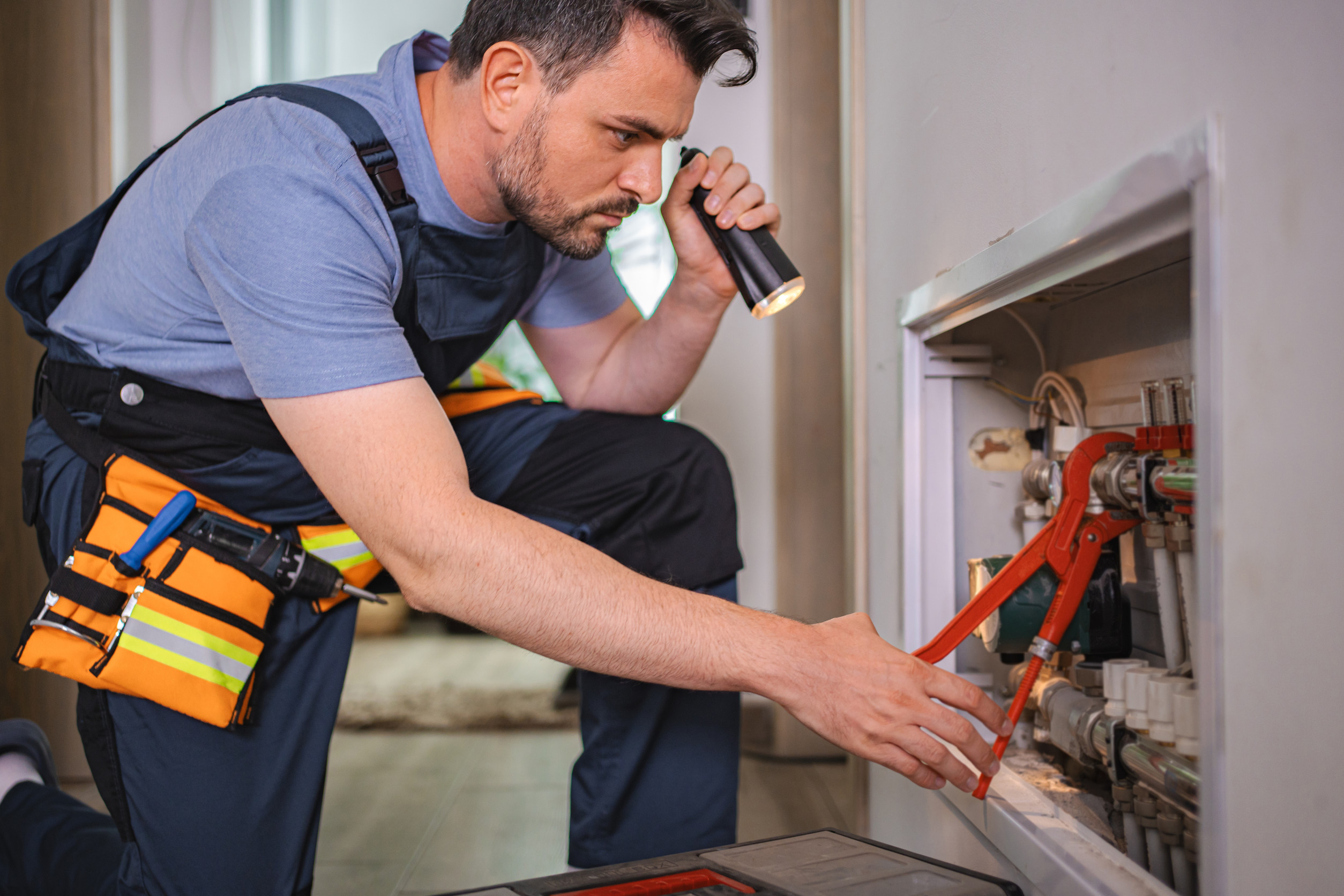
Professional leak detection is a step-by-step diagnostic process that confirms whether you have an active leak, pinpoints the most likely source, and reduces the need for unnecessary wall or floor damage. Instead of guessing where water is coming from, a trained technician uses evidence like meter movement, pressure testing, moisture mapping, and specialized tools to narrow the problem to a specific area or pipe run. The big benefit is clarity. You get a reliable answer about what is leaking, where it is happening, and what repairs make sense next. This matters because hidden leaks can waste water for weeks, raise bills, and quietly damage drywall, flooring, cabinets, and framing.
If you want an overview of early leak clues that often lead homeowners to schedule detection, review early warning signs of hidden plumbing leaks.
When to schedule leak detection instead of waiting
Leak detection is most valuable when you have symptoms but no obvious drip or puddle. A sudden jump in your water bill, damp spots that appear and disappear, musty odors, warm areas on a slab, or the sound of water running when everything is off are all strong reasons to call. Another common trigger is repeated repairs that never fully solve the problem, such as patching a small leak only to have another show up nearby. Homeowners also schedule detection after a freeze, a renovation, or landscaping work that could have stressed buried lines. Waiting usually increases cost because moisture spreads.
If the issue is primarily a bill spike, this guide on why your water bill is suddenly higher than usual helps you confirm whether the pattern fits a hidden leak.
How to prepare before the technician arrives
A successful leak detection visit starts with good information. Before the appointment, write down when you first noticed symptoms, which fixtures or rooms are affected, and whether the issue relates to hot water use. Take photos of stains, bubbling paint, warped flooring, or visible mold. If you have a water bill showing a spike, keep it ready. Also list any recent changes, such as a new appliance, a bathroom remodel, a new irrigation line, or tree work. Clear access to the water heater, under-sink cabinets, crawlspace doors, and the water meter saves time.
If you want a quick homeowner checklist for pre-visit checks like meter testing and dye tests, see how to detect hidden water leaks at home.
The first steps: interview and targeted visual inspection
Most professional leak detection begins with a short interview and a focused walk-through. The technician will ask where you see moisture, whether the leak is constant or intermittent, and whether it appears after showers, laundry, or rainfall. Then they inspect high-probability areas: toilet bases, supply valves, shutoffs under sinks, washing machine hoses, water heater connections, and hose bibs. This matters because many “hidden” leaks are actually visible once someone checks the right spots under pressure. A small valve seep can run down a pipe and soak cabinetry without creating an obvious drip. A good technician also looks for water staining patterns that indicate where the leak started versus where water traveled.
For a broader list of early symptoms plumbers look for in this phase, read how to spot early signs of plumbing problems.
How plumbers confirm an active leak using the water meter
The water meter is one of the most reliable truth tools for pressurized leaks. With all fixtures off, a plumber will observe whether the meter dial or leak indicator moves. If it moves, water is flowing somewhere. Next, they may isolate the house from the service line using available shutoffs. If meter movement stops when the house is isolated, the leak is likely inside the home. If it keeps moving, the leak may be between the meter and the home or in an irrigation branch. This step turns suspicion into proof and prevents chasing stains that came from an old, already-fixed event. In many cases, the meter test becomes the baseline that guides the entire diagnosis.
If you want to understand how homeowners can do a simplified version of this test before calling, the meter steps are explained in this hidden leak detection guide.
Pressure testing and isolation to narrow the leak zone
When the meter confirms an active leak, the next step is narrowing where it lives. Technicians often isolate zones by turning off shutoffs feeding specific areas, such as bathrooms, kitchens, or outdoor lines, then rechecking meter movement or pressure decay. Pressure testing is especially useful when a leak is slow and does not create obvious pooling. A plumber may pressurize a line, close the system, and watch for pressure drop over time. A steady drop suggests an active leak. Isolation also helps determine whether the leak is on the hot side, cold side, or both. This prevents wasted repairs like replacing a faucet cartridge when the real issue is a pinhole leak in a wall cavity.
If your home has older valves that do not shut off reliably, scheduling proactive valve replacement is part of preventing future surprises, as described in how to prevent plumbing leaks in your home.
How professionals determine if the leak is on hot water, cold water, or both
Separating hot and cold is a key diagnostic move because it narrows the pipe routes and likely causes. A plumber may close the water heater inlet valve or isolate the hot supply line, then repeat the meter or pressure test. If the leak stops when the hot side is isolated, the issue is likely in hot distribution piping or water heater connections. If it continues, the leak may be on the cold side, including main feeds, toilets, exterior spigots, and cold branches. This step also helps identify slab leak patterns, because hot slab leaks often create warm floor zones while cold slab leaks may only show bill increases and dampness. Accurate hot versus cold isolation turns a large search area into a manageable repair plan and reduces the chance of cutting into the wrong section of wall or slab.
Moisture mapping: how technicians trace water movement in the home
Water rarely drips straight down. It follows framing, insulation, subfloor seams, and gravity paths. Moisture mapping uses a moisture meter to identify where materials are wettest and how far moisture has traveled. Technicians check baseboards, drywall edges, cabinet floors, ceilings beneath bathrooms, and flooring transitions. The wettest point is not always the leak source, but it is often close. This is especially helpful when a leak appears in one room but originates in another, such as a second-floor bathroom leak that presents as a ceiling stain in the kitchen. Moisture mapping also helps determine urgency by showing how widespread saturation is.
If you are trying to understand why quick action matters once moisture is confirmed, see how to avoid costly water damage from leaks for practical next steps that limit mold and structural damage.
Thermal imaging: when it helps and what it can reveal
Thermal imaging cameras detect temperature differences across surfaces. In leak detection, they are most useful for hot water leaks behind walls, under floors, or in slab foundations. A hot line leak can warm surrounding materials, creating a visible thermal pattern even when the surface looks normal. Technicians use thermal results to narrow where to test next, not as the only proof. They may confirm with moisture readings and pressure tests. Thermal imaging can also reveal insulation voids and airflow differences, which helps interpret why a wet area spreads in a certain direction. It is especially useful when drywall looks intact but feels warmer than surrounding areas or when a shower line leak is suspected behind tile.The value of thermal imaging is precision. It points the technician to the smallest likely access area for repair.
Acoustic listening: how professionals “hear” leaks in pipes
Pressurized water escaping through a crack or pinhole creates a distinct sound. Acoustic leak detection uses sensitive listening equipment to pick up and compare these sounds through floors, walls, and in some cases soil. The technician will typically listen at multiple points along a pipe path, such as near valves, along slab edges, or at accessible pipe runs, then triangulate where the sound is strongest and most consistent. This method is common for slab leaks and buried service line leaks. It can also help in walls when a leak is active and steady. Acoustic tools work best when the environment is quiet and the leak is producing continuous flow. This is another reason technicians often ask homeowners to pause appliance use and avoid running water during key parts of the test.
Specialized diagnostics for slab leaks under concrete foundations
Slab leaks require careful confirmation because repair often involves cutting concrete or rerouting piping. A professional approach usually starts with meter confirmation, then hot versus cold isolation, then tool-based pinpointing. Thermal imaging helps if the leak is on the hot side. Acoustic listening helps locate the sound of escaping water under concrete. Moisture mapping helps confirm where water is affecting flooring and baseboards. A technician may mark the suspected zone and explain how confident they are based on overlapping evidence. They also evaluate whether the leak appears to be a single failure or part of broader pipe deterioration. This matters because a spot repair may not be the best option if pipes are aging and multiple weak points are likely. A clear explanation in this phase helps homeowners choose the least disruptive repair path with realistic expectations.
Finding leaks behind walls, ceilings, and cabinets without major demolition
For wall and ceiling leaks, the goal is locating the most probable failure point before opening anything. Professionals do this by combining moisture mapping, thermal imaging, and fixture-specific testing. For example, if a ceiling stain worsens after showers, the plumber may run the shower while monitoring moisture and thermal changes. If water only appears when a kitchen faucet runs, the leak is likely in that supply branch or drain trap area. Technicians also inspect common hidden points like dishwasher supply lines, refrigerator water lines, and under-sink shutoffs. They look for corrosion trails, mineral deposits, and damp insulation. The result should be a targeted cut location if access is needed, not multiple exploratory holes.
If you want a practical homeowner perspective on common hidden leak locations, see how to detect and repair water leaks in your Knoxville home.
Locating main water service line leaks in yards and driveways
If the meter shows flow even when the house is isolated, the issue may be in the buried service line between the meter and the home. These leaks can be costly if handled by guesswork because digging in the wrong place wastes time and damages landscaping. Professionals confirm the leak location range using isolation tests and often acoustic tracing. They also look for surface indicators like soft soil, unexplained wet patches, or unusually green grass in a line-like pattern. In some cases, driveway cracks or settled areas can hint at washout below. A strong leak detection visit will provide a practical map of the suspected path and the most likely dig zone. This helps you plan repairs with minimal disruption and avoids turning a targeted fix into a large excavation project.
Detecting toilet leaks and other silent water wasters during leak detection
Some of the biggest leaks are not in walls. Toilets can leak from tank to bowl silently, wasting large volumes without any floor moisture. During leak detection, plumbers often perform dye tests, inspect flappers, confirm fill valve shutoff levels, and check for continuous overflow tube flow. They also inspect shutoff valves and supply connections for slow seepage. Faucets and under-sink connections are checked for drips that only occur under pressure. This step matters because fixing a “silent” leak can immediately reduce water bills and eliminate unnecessary worry about hidden pipe failure.
If your water bill spike is the main symptom, it is worth reviewing common causes behind an unexpectedly high water bill to see how often toilets and fixtures are the real culprit.
Drain line leaks and sewer issues: how detection differs from supply leaks
Supply leaks are pressurized, so they show up with meter movement and pressure drop. Drain leaks behave differently because drains only carry water when fixtures are used. For suspected drain leaks, plumbers often use fixture-specific tests, visual inspection of traps, and in some cases camera inspection of drain lines. They look for staining under tubs, damp cabinets under sinks, and moisture that appears only after using a specific fixture. Sewer odors and recurring clogs can also point to drain line problems rather than supply leaks. When drain performance is part of the story, it is useful to understand the role of inspections and why they prevent bigger issues.
This article on the importance of sewer line inspections explains how professionals catch cracks, clogs, and failures before they become a backup.
What a professional leak detection summary should include
A good leak detection result is specific and actionable. You should expect a clear statement on whether an active leak was confirmed and which system is involved. The technician should explain the evidence, such as meter results, pressure decay, moisture readings, thermal patterns, or listening findings. They should also describe the likely location range, not just a vague room description. If repair requires opening a wall or cutting a slab, the plumber should explain why that access point is the smallest reasonable option based on the diagnostic findings. Finally, a strong summary includes next steps: repair options, urgency, and any immediate actions you should take to prevent damage.
If you are concerned about long-term consequences of delaying a small leak, this article on the real cost of ignoring small plumbing leaks provides a clear explanation of what can happen over time.
What happens after the leak is found: repair options and decision points
Once the leak location is narrowed, the plumber will discuss repair paths based on pipe material, access, and risk. For a localized leak in a wall, repair often involves a small access opening, replacing the damaged section, and pressure testing afterward. For slab leaks, options may include spot repair through the slab, rerouting the line through walls or ceilings, or targeted repiping if deterioration is likely in multiple areas. For service line leaks, repair may involve excavating a section or replacing the full run depending on age and condition. The right choice depends on the evidence and your goals, such as minimizing future repairs versus minimizing immediate disruption. A good technician will explain tradeoffs in plain language and help you choose a durable fix.
Safety and damage control steps during the visit
Leak detection is a diagnostic process, but safety is always part of it. Technicians may advise shutting off the water to prevent ongoing damage, especially if the leak is actively saturating materials. They may also recommend turning off power to affected areas if water is near outlets, wiring, or appliances. Homeowners are often advised to begin drying visible moisture quickly to reduce mold risk while waiting for repair work.
If you want a clear action plan for urgent leak scenarios, keep this guide on what to do in a plumbing emergency handy. It outlines immediate steps that reduce damage before professional help arrives.
How to prevent future leaks after repairs are completed
Once the leak is fixed, prevention becomes routine and targeted upgrades. Replace aging supply lines before they burst, keep shutoff valves functional, and monitor water pressure so it stays in a safe range. If your home has hard water or sediment that accelerates wear, water testing and treatment can reduce long-term strain on pipes and fixtures. Many homeowners also install leak alarms in high-risk zones like under sinks, behind toilets, and near water heaters.
Regular inspections are also a smart habit because they catch small issues early. For practical prevention ideas, see simple ways to prevent plumbing leaks at home.
Conclusion
A professional leak detection is designed to replace uncertainty with evidence. It starts with symptom review and visual checks, then confirms whether a leak is active using meter and pressure testing, then narrows location using moisture mapping and tools like thermal imaging and acoustic listening when needed. The result should be a clear summary of what is happening, where it is likely occurring, and what repairs make sense next. If you are seeing a rising water bill, dampness, odors, warm slab spots, or unexplained meter movement, scheduling leak detection early is one of the smartest ways to protect your home, avoid water damage, and stop small problems before they become major repairs.


