


What Size Air Conditioner Does My Knoxville Home Need
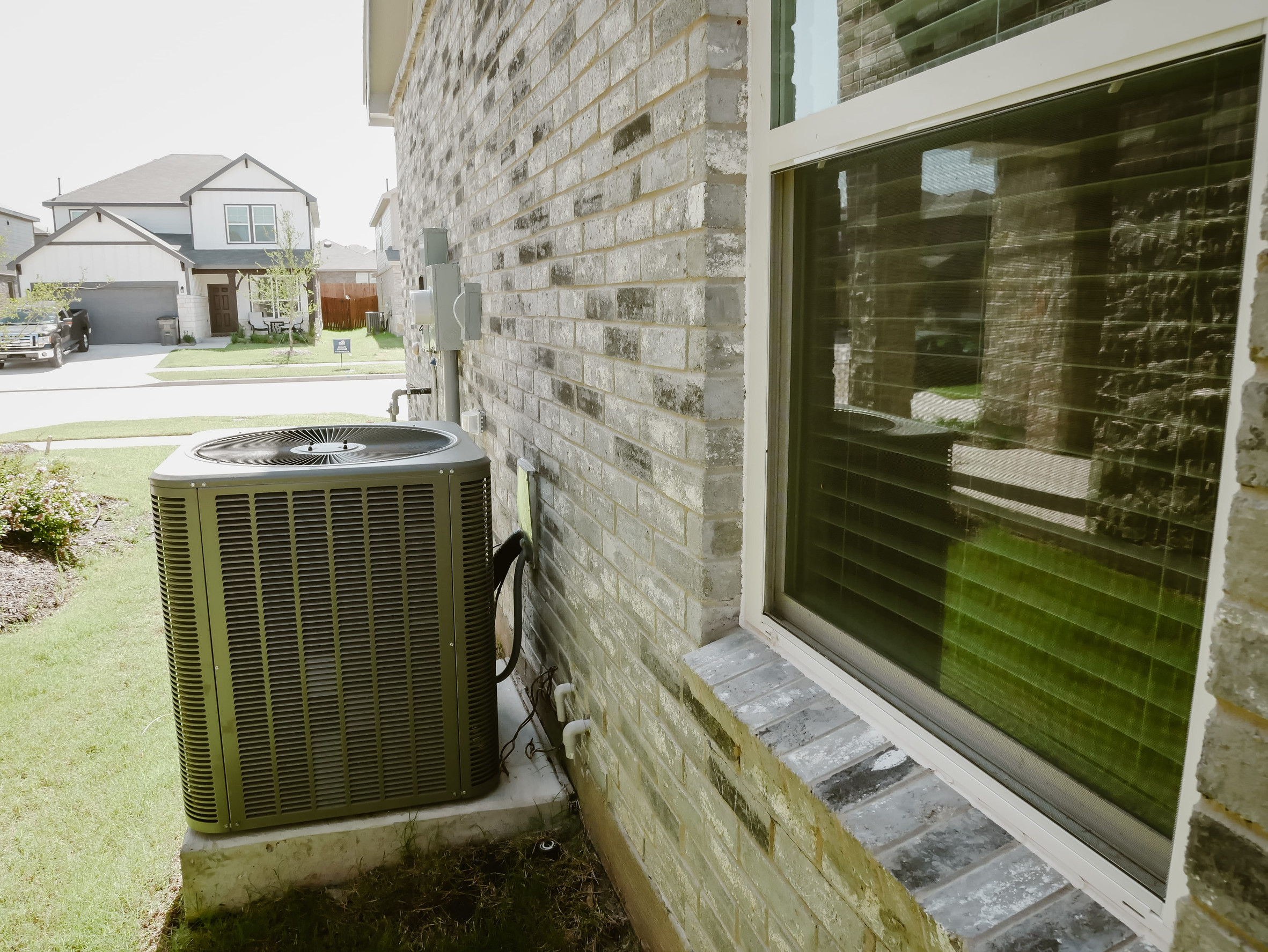
When evaluating a new air conditioning system for your home, "size" does not refer to the physical dimensions of the outdoor condenser cabinet or indoor air handler. In the heating, ventilation, and air conditioning (HVAC) industry, system size refers exclusively to cooling capacity—measured in British Thermal Units per hour (BTUs) or Tons.
Selecting the correct tonnage for your property is one of the most critical decisions you will make as a homeowner. An improperly sized air conditioner—whether too large or too small—leads to uncomfortable indoor humidity levels, hot and cold spots across rooms, excessive monthly power bills, and early mechanical failure. In East Tennessee's humid climate, getting your air conditioner sizing right is essential for year-round comfort and energy savings.
The Basics of HVAC Sizing: BTUs and Tonnage Explained
To understand air conditioner capacity, it helps to start with basic thermal measurement units:
- British Thermal Unit (BTU): A BTU is the standard unit of heat energy. One BTU represents the amount of heat energy required to raise the temperature of one pound of water by one degree Fahrenheit. In cooling terms, BTUs measure how much heat energy an air conditioner can extract from your home in one hour.
- Cooling Ton: One "ton" of cooling capacity equals 12,000 BTUs per hour. The term originates from the ice-harvesting era, representing the amount of heat energy required to melt one short ton (2,000 pounds) of ice over a 24-hour period.
Residential central air conditioners and heat pumps are manufactured in half-ton increments, ranging from 1.5 tons (18,000 BTUs/hr) up to 5.0 tons (60,000 BTUs/hr). Residential split systems rarely exceed 5 tons; homes requiring more than 5 tons of cooling capacity are typically configured with multiple independent HVAC systems or zoned ductless configurations.
+-----------------------------------------------------------------------+
|                    AC TONNAGE & BTU CONVERSION CHART                  |
+-----------------------------------+-----------------------------------+
| SYSTEM CAPACITY (TONS)            | COOLING CAPACITY (BTUS PER HOUR)  |
+-----------------------------------+-----------------------------------+
| 1.5 Tons                          | 18,000 BTUs/hr                    |
| 2.0 Tons                          | 24,000 BTUs/hr                    |
| 2.5 Tons                          | 30,000 BTUs/hr                    |
| 3.0 Tons                          | 36,000 BTUs/hr                    |
| 3.5 Tons                          | 42,000 BTUs/hr                    |
| 4.0 Tons                          | 48,000 BTUs/hr                    |
| 5.0 Tons                          | 60,000 BTUs/hr                    |
+-----------------------------------+-----------------------------------+
The Square Footage Myth: Why Rules of Thumb Fail
A common misconception among homeowners is that air conditioner sizing can be calculated using a simple square footage formula—such as "1 ton of cooling for every 500 square feet."
While square footage provides a rough starting point for initial estimates, relying solely on floor area is a recipe for system mis-sizing. A 2,200-square-foot modern home built in Hardin Valley with high-efficiency spray-foam insulation, double-pane Low-E windows, and sealed ductwork requires a dramatically smaller cooling capacity than a 2,200-square-foot mid-century ranch home in Fountain City with single-pane glass, minimal attic insulation, and uninsulated crawlspace ductwork.
+-----------------------------------------------------------------------+
|              ROUGH ESTIMATE GUIDE (SQUARE FOOTAGE ONLY)               |
+-----------------------------------+-----------------------------------+
| HOME CONDITIONED AREA             | APPROXIMATE TONNAGE RANGE         |
+-----------------------------------+-----------------------------------+
| 600 – 1,000 sq. ft.               | 1.5 Tons                          |
| 1,001 – 1,300 sq. ft.             | 2.0 Tons                          |
| 1,301 – 1,600 sq. ft.             | 2.5 Tons                          |
| 1,601 – 1,900 sq. ft.             | 3.0 Tons                          |
| 1,901 – 2,200 sq. ft.             | 3.5 Tons                          |
| 2,201 – 2,600 sq. ft.             | 4.0 Tons                          |
| 2,601 – 3,200+ sq. ft.            | 5.0 Tons (or Dual Systems)        |
+-----------------------------------+-----------------------------------+
Note: This chart serves as a broad initial reference only. Accurate system selection requires a comprehensive Manual J load calculation.
What Is a Manual J Load Calculation?
Professional HVAC technicians determine exact cooling needs by performing an industry-standard protocol developed by the Air Conditioning Contractors of America (ACCA): the Manual J Load Calculation.
A Manual J assessment evaluates the total rate of heat gain into your home on the hottest summer days. Rather than guessing based on floor space, a technician inputs precise structural variables into specialized load calculation software:
+-----------------------------------------------------------------------+
|                    MANUAL J LOAD CALCULATION INPUTS                   |
+-----------------------------------------------------------------------+
|  [1] Total Living Area Square Footage & Ceiling Voltages/Heights      |
|  [2] Wall, Ceiling, and Floor Insulation R-Values                     |
|  [3] Window Surface Area, Frame Materials, Solar Heat Gain (SHGC)     |
|  [4] Building Orientation (North, South, East, West Sun Exposure)     |
|  [5] Air Infiltration Rates (Blower Door Sealing Test Data)          |
|  [6] Internal Heat Gains (Household Occupants & Major Appliances)     |
|  [7] Local Outdoor Climate Design Temperatures (Knoxville Summer Peak)|
|  [8] Ductwork Location, Insulation Rating, and Leakage Percentage     |
+-----------------------------------------------------------------------+
By accounting for these variables, a Manual J calculation identifies both the sensible heat load (the heat energy that raises indoor air temperature) and the latent heat load (the moisture content in the indoor air).
The East Tennessee Climate Factor: Sensible vs. Latent Heat
Knoxville sits within the humid subtropical climate zone of the Tennessee Valley. From June through September, local weather patterns bring sustained temperatures in the upper 80s and 90s, paired with high relative humidity levels often exceeding 75%.
This climate profile makes latent heat removal (dehumidification) just as critical as sensible cooling (lowering the dry-bulb temperature).
                       TOTAL COOLING LOAD
                               │
         ┌─────────────────────┴─────────────────────┐
         ▼                                           ▼
   SENSIBLE LOAD                               LATENT LOAD
(Lowering Air Temp)                      (Extracting Moisture)
  • Thermostat Degrees                      • Grains of Water Vapor
  • Sun & Air Heat                          • Relative Humidity %
Air conditioners remove humidity by pulling warm, moist indoor air across a cold evaporator coil. As air contacts the freezing coil surface, airborne moisture condenses into liquid water, drains into the condensate pan, and exits through the drain line.
To remove moisture effectively, an air conditioner must run continuous cooling cycles lasting at least 10 to 15 minutes. Understanding how humidity affects your HVAC system in East Tennessee highlights why properly matched cooling capacity is essential for managing indoor humidity during summer.
The Danger of an Oversized Air Conditioner
Many homeowners assume that buying a larger air conditioner than necessary is a safe strategy ("bigger must be cooler and faster"). In HVAC engineering, installing an oversized system is one of the worst mistakes you can make.
1. Chronic Short-Cycling
An oversized system dumps massive amounts of cold air into your home very quickly. The thermostat reaches its target setpoint in just 3 to 5 minutes and shuts the system down. This rapid cycle—turning on, running briefly, and shutting off—is called short-cycling.
2. High Indoor Humidity and Clammy Air
Because short cooling cycles do not run long enough for the evaporator coil to reach its cold operating temperature and drain moisture, humidity remains trapped inside your living space. You end up with a home that feels cold, clammy, and stale—creating an ideal environment for biological growth, dust mites, and mold.
3. Elevated Power Bills and Mechanical Wear
Electric motors draw their highest current surge when starting up. Short-cycling causes the compressor and blower motor to start up dozens of extra times per day, inflating monthly power bills and accelerating mechanical wear on contactors, capacitors, and bearings.
If your home currently suffers from short cooling bursts, uneven temperatures, or high energy bills, identifying and addressing causes of weak HVAC airflow and mis-sizing can restore system performance and humidity control.
The Danger of an Undersized Air Conditioner
On the opposite end of the spectrum, installing an undersized system creates a different set of severe operational issues.
+-----------------------------------------------------------------------+
|                    OVERSIZED VS. UNDERSIZED SYSTEMS                   |
+-----------------------------------+-----------------------------------+
| OVERSIZED SYSTEM SYMPTOMS         | UNDERSIZED SYSTEM SYMPTOMS        |
+-----------------------------------+-----------------------------------+
| • Short 3 to 5 minute cycles      | • Runs continuously 24/7 in heat  |
| • Cold, clammy indoor air         | • Fails to reach thermostat target|
| • High indoor relative humidity   | • High summer utility bills       |
| • High start-up electrical spikes | • Continuous motor strain & wear  |
| • Frequent capacitor/relay failure| • Premature compressor burnout    |
+-----------------------------------+-----------------------------------+
During peak Knoxville summer heat waves—when outdoor temperatures reach 95°F with high humidity—an undersized unit lacks the thermal capacity to extract heat as fast as it enters the home.
The system runs continuously all afternoon and evening without reaching the thermostat setpoint. This constant operation leads to high utility bills, excessive compressor heat buildup, and premature motor failure. If your current unit runs non-stop without keeping your home cool, scheduling a diagnostic check with an experienced AC repair technician can determine whether the unit is malfunctioning or simply undersized for your home's heat load.
How Variable-Speed Technology Changes the Sizing Equation
Traditional HVAC systems operate using single-stage compressors, which run at 100% capacity whenever they turn on. With single-stage technology, precise tonnage selection is crucial to avoid short-cycling or under-cooling.
Modern inverter-driven, variable-speed systems have transformed residential climate control:
+-----------------------------------------------------------------------+
|                      COMPRESSOR TECHNOLOGY TYPES                      |
+-------------------+---------------------------------------------------+
| TYPE              | OPERATIONAL CAPACITY RANGE                        |
+-------------------+---------------------------------------------------+
| Single-Stage      | 100% Full Power Only                              |
| Two-Stage         | Low (65-70%) / High (100%)                        |
| Variable-Speed    | Modulates smoothly between 25% and 100% capacity  |
+-------------------+---------------------------------------------------+
A variable-speed compressor continuously adjusts its output speed in tiny increments to match your home's real-time cooling demand. On a mild 82°F June morning, a 4-ton variable-speed unit might run at just 35% capacity (1.4 tons), providing low-speed, quiet dehumidification. On a 96°F August afternoon, it ramps up to 100% capacity to handle peak thermal loads.
Evaluating inverter technology alongside choosing the right SEER rating for Knoxville's climate allows you to select a system that provides summer humidity control and energy efficiency.
Ductwork Capacity: The Hidden Bottleneck in System Sizing
You can perform a precise Manual J calculation and select a high-efficiency 4-ton air conditioner, but if your home’s ductwork is only sized to handle 3 tons of airflow, the system will not perform correctly.
Air conditioners require approximately 400 Cubic Feet per Minute (CFM) of airflow per ton of cooling capacity:
$$\text{Required Airflow (CFM)} = \text{System Tonnage} \times 400\text{ CFM}$$
+-----------------------------------------------------------------------+
|                   AIRFLOW REQUIREMENTS BY SYSTEM SIZE                 |
+-----------------------------------+-----------------------------------+
| SYSTEM CAPACITY (TONS)            | REQUIRED AIRFLOW (CFM)            |
+-----------------------------------+-----------------------------------+
| 2.0 Tons                          | 800 CFM                           |
| 3.0 Tons                          | 1,200 CFM                         |
| 4.0 Tons                          | 1,600 CFM                         |
| 5.0 Tons                          | 2,000 CFM                         |
+-----------------------------------+-----------------------------------+
If an oversized 4-ton unit is connected to ductwork designed for 1,200 CFM (3 tons), static pressure inside the supply and return trunks increases dramatically. This restriction causes frozen evaporator coils, noisy grilles, fan motor burnouts, and reduced system efficiency.
During an in-home evaluation, a qualified installer performs a Manual D duct evaluation to confirm that your supply trunks, return grilles, and branch ducts can handle your new unit's airflow requirements.
Financial Considerations: Tonnage vs. Overall System Cost
A system's cooling capacity directly influences initial equipment pricing. Higher-tonnage units require larger cabinets, wider coils, bigger compressor motors, and heavier electrical service connections.
+-----------------------------------------------------------------------+
|                   FACTORS INFLUENCING HVAC PROJECT COST               |
+-----------------------------------------------------------------------+
|  [1] Equipment Tonnage (Cooling Capacity)                             |
|  [2] Efficiency Ratings (SEER2, EER2, HSPF2)                          |
|  [3] Compressor Type (Single-Stage vs. Two-Stage vs. Variable-Speed)  |
|  [4] Ductwork Modifications & Static Pressure Adjustments             |
|  [5] Electrical Panel Upgrades & Outdoor Service Wiring               |
|  [6] Indoor Air Quality Additions (Dehumidifiers, Air Purifiers)      |
+-----------------------------------------------------------------------+
Reviewing the average cost of HVAC replacement in Knoxville helps you establish a realistic budget for different tonnage and efficiency options.
Many homeowners take advantage of flexible HVAC financing options to spread installation costs across manageable monthly payments while benefiting from variable-speed technology and lower energy bills.
Step-by-Step Guide: How to Get the Right Size AC for Your Home
If you are planning to replace an aging air conditioner, follow these steps to ensure your new system is sized correctly:
+-----------------------------------------------------------------------+
|                    SYSTEM SIZING ACTION PLAN                          |
+-----------------------------------------------------------------------+
|  Step 1: Schedule an In-Home Assessment & Manual J Calculation       |
|  Step 2: Inspect & Measure Ductwork Capacity (Manual D Evaluation)   |
|  Step 3: Evaluate Insulation Levels, Windows, & Air Sealing Needs     |
|  Step 4: Select Equipment Stage Type (Single, Two-Stage, Variable)    |
|  Step 5: Verify Electrical Service & Panel Tonnage Support            |
|  Step 6: Complete Qualified Installation & Airflow Balancing          |
+-----------------------------------------------------------------------+
Partnering with experienced technicians for professional AC installation services guarantees that your equipment is sized using precise heat-load calculations, properly matched to your ductwork, and installed to meet local Knox County building codes.
Once your new unit is installed, enrolling in routine preventive maintenance protects your investment by keeping coils clean, blowers balanced, and refrigerant levels verified—ensuring reliable comfort and humidity control summer after summer.
Finding the right size air conditioner for your Knoxville home is not a matter of guessing based on square footage. By conducting a detailed Manual J load calculation, evaluating duct capacity, and selecting modern modulating equipment, you can enjoy crisp indoor comfort, controlled humidity, and low monthly power bills for years to come.


