


Why Your Hot Water Runs Out Too Quickly
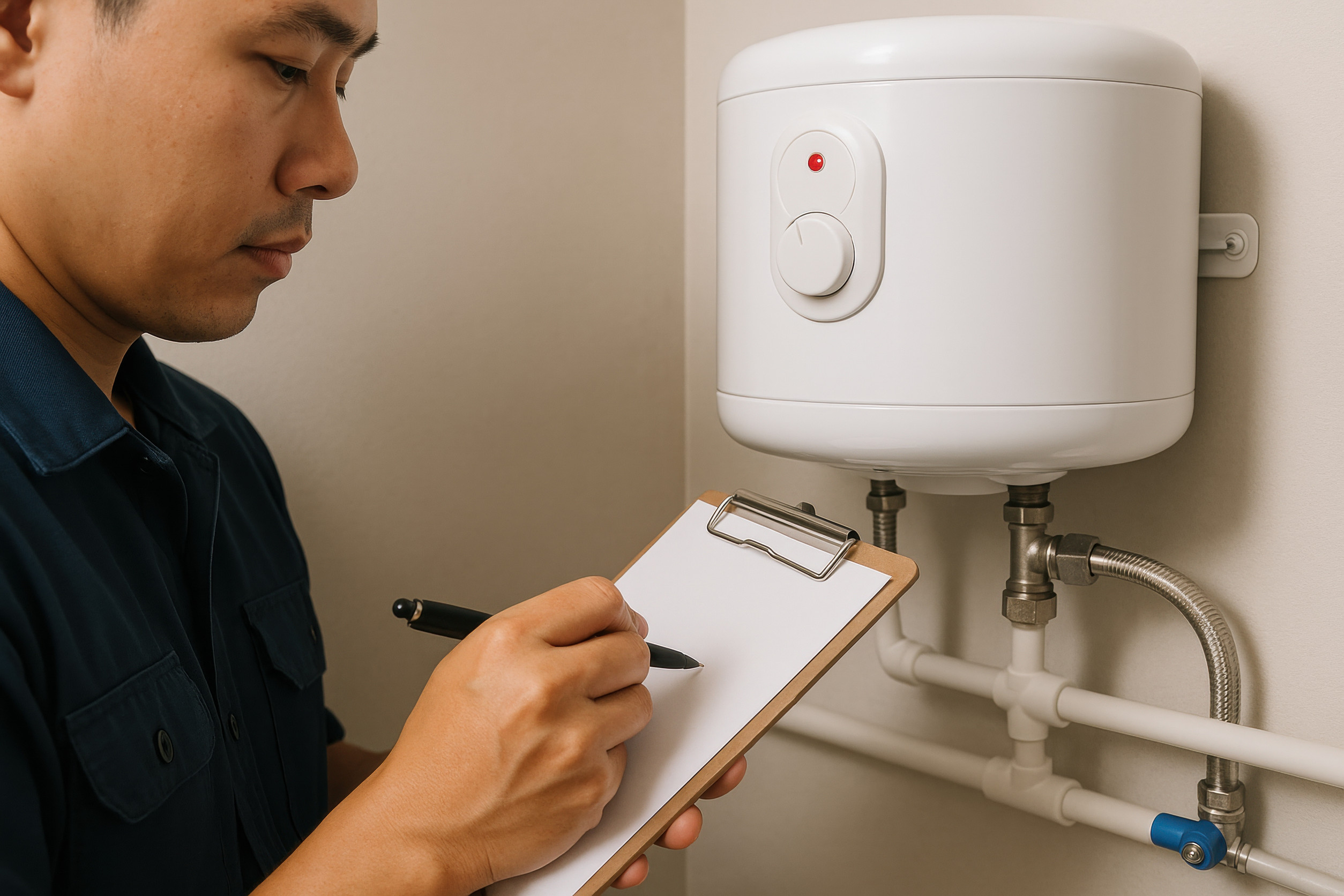
Few things are more frustrating than stepping into a hot shower that suddenly turns lukewarm or icy cold. If your hot water runs out too quickly, it is more than just an inconvenience. It is usually a sign that your water heater is undersized, struggling, or in need of maintenance or repair.
The good news is that most hot water problems can be traced to a handful of common causes. Once you understand what is behind the short supply, you can decide whether a tune up, repair, or full replacement is the right move for your home. In this guide, you will learn why your hot water does not last, how to troubleshoot the most likely issues, and when to call in a professional.
How Your Water Heater Is Supposed To Work
Before diving into problems, it helps to understand the basics of how a standard tank water heater operates.
A typical tank style heater:
- Fills with cold water from your main supply
- Uses gas burners or electric elements to heat the water inside the tank
- Maintains the set temperature using a thermostat
- Sends heated water out through the hot water line when you open a tap
As hot water leaves the tank, cold water flows in to replace it. If the heater can warm incoming cold water fast enough, you enjoy a steady supply. If not, the water in the tank cools and you feel that unpleasant temperature drop.
For a deeper look at how maintenance affects performance, check out the detailed water heater maintenance tips for East Tennessee homeowners.
Your Water Heater Tank Might Be Too Small
One of the simplest reasons your hot water runs out quickly is that the tank is not big enough for your household’s needs.
Signs your tank may be undersized:
- Hot water disappears after one or two showers
- Running the dishwasher and shower at the same time causes water to go cold
- New family members or added fixtures have increased demand
If your lifestyle has changed since the water heater was installed, your system may no longer match your usage. Household size, bathroom count, and how many fixtures you run at once all matter.
In some cases, upgrading to a larger tank or to an on demand system makes more sense than fighting with a tank that is simply too small. If you are trying to decide on a new system, the guide on choosing between gas and electric water heaters can help you compare fuel types, costs, and performance.
Sediment Buildup Is Stealing Your Hot Water Capacity
Over time, minerals and sediment from your water supply settle to the bottom of the tank. That layer of buildup:
- Reduces the effective volume of the tank
- Insulates the water from the burner or heating element
- Makes the heater work harder to maintain temperature
The result is less usable hot water and a tank that runs out faster, especially during back to back showers.
Common signs of heavy sediment buildup:
- Rumbling or popping noises from the tank
- Cloudy or rusty looking hot water
- Hot water that used to last longer but does not anymore
Flushing the tank regularly removes sediment and restores much of the lost capacity. You can learn why this is such an important task in why routine tank water heater flushes are important.
Incorrect Thermostat Settings Or Thermostat Problems
Sometimes the issue is as simple as the water temperature setting. If the thermostat is set too low, the water will feel lukewarm or cool more quickly as it mixes with cold water at the tap.
Things to check:
- Make sure the thermostat on the tank is set around 120 degrees Fahrenheit for most homes
- If you recently had work done, verify the settings were not changed
- Be careful not to set the temperature too high, since that raises scald risk and energy use
If the thermostat is already at an appropriate setting but water is still not staying hot, the thermostat itself may be failing and not accurately controlling the heat source. That is a job for a professional to diagnose.
Failing Heating Elements Or Burner Problems
In electric water heaters, one or two heating elements warm the water. If one fails, you effectively cut the heater’s ability in half. The tank may still provide a short burst of hot water, but it will not last.
In gas water heaters, burner problems, dirty burner assemblies, or flue issues can reduce heating performance.
Signs of heating element or burner trouble:
- Water starts hot but becomes lukewarm very quickly
- Hot water seems weaker than it used to be, even with the same usage
- You hear strange noises from the tank or see the burner cycling often
Because these issues often worsen over time, they are a key part of what you will see in signs your water heater needs professional repair service. Catching them early can prevent a complete breakdown.
Dip Tube Damage Can Cause Hot And Cold Water To Mix
Inside most tank style heaters is a dip tube that carries incoming cold water to the bottom of the tank. This design helps keep hot water at the top where it can be delivered to your faucets.
If the dip tube is cracked, broken, or missing:
- Cold water can mix at the top of the tank with hot water
- You may get a brief burst of hot water followed quickly by cool water
- Small pieces of plastic can clog aerators and fixtures if the tube is deteriorating
Dip tube issues are not always easy to spot from outside the tank, but they are a common cause of hot water running out too soon, especially in older heaters. A professional plumber can inspect the heater, test performance, and confirm whether the tube is the culprit.
Mixed Plumbing And Cross Connections
Sometimes the problem is not the water heater itself but the way hot and cold water lines are connected in the home. Improperly installed fixtures, mixing valves, or faulty single handle faucets can allow cold water to bleed into the hot side.
You might notice:
- Hot water that changes temperature when another fixture is turned on
- One particular shower or sink that never seems to stay hot
- Better performance at some fixtures than others
Fixing these issues may involve replacing a faulty mixing valve, correcting cross connections, or upgrading older fixtures that are not functioning properly.
How Hard Water Can Shorten Your Hot Water Supply
Hard water is common in East Tennessee and it plays a big role in how long your water heater lasts and how well it performs. Minerals in hard water form scale that:
- Coats the inside of the tank and heating elements
- Reduces heating efficiency
- Accelerates sediment buildup
- Shortens the life of the unit
If you notice white mineral deposits on faucets, spotted dishes, or reduced flow, hard water is likely part of the reason your hot water does not last. For a deeper explanation, take a look at how hard water impacts your plumbing system, which also covers how water softening and treatment can protect your heater.
In many cases, pairing regular flushing with a water softener or filtration system provides a one two punch: better hot water performance and longer equipment life.
Your Tankless Water Heater May Be Undersized Or Needs Maintenance
If you have a tankless water heater and your hot water cuts out or fluctuates, the reasons are slightly different from those of a tank system. Common tankless causes include:
- A unit that is not sized correctly for your home’s simultaneous demand
- Mineral buildup inside the heat exchanger
- Low gas supply or incorrect gas line sizing for gas models
- Dirty inlet screens or filters
Tankless systems are designed to provide continuous hot water, but only within their flow rate and capacity limits. If you frequently run multiple showers, laundry, and the dishwasher at once, a single undersized unit can struggle.
Regular flushing and maintenance are critical. To see what this involves, read tankless water heater flushes are a must for optimal performance, which explains how cleaning the system restores efficiency and hot water reliability.
If you are wondering whether a different tankless model might be a better fit, choosing a tankless water heater for your Knoxville home walks through sizing, features, and installation considerations.
Leaks And Hidden Hot Water Loss
Sometimes your hot water runs out quickly because it is literally escaping somewhere else. Hot water leaks waste both energy and capacity.
Potential clues:
- Hot spots on flooring or concrete
- The sound of water running when all fixtures are off
- A water meter that moves even when you are not using water
- Higher than normal utility bills
A small leak in a hot water line will constantly draw hot water out of the tank, meaning less is available when you need it. In extreme cases, leaks can also cause structural damage and mold. If you suspect a hidden leak, you will want a professional who can provide comprehensive plumbing services in Knoxville, including leak detection and repair.
Aging Water Heaters Simply Cannot Keep Up
Even with perfect habits and regular maintenance, no water heater lasts forever. As units age, they become less efficient, more prone to sediment problems, and more likely to develop temperature issues.
Common signs your heater’s age is catching up:
- The unit is 10 to 12 years old or older for a standard tank
- You have had multiple repairs in the last few years
- Hot water runs out faster even after flushing and routine service
- You notice rust around the tank or in your hot water
At a certain point, investing in repeated repairs to stretch out an aging water heater costs more than replacing it with a new, efficient model. If you are on the fence, the blog on best ways to extend the life of your water heater is a helpful tool for weighing maintenance, repair, and replacement options.
When you are ready to upgrade, scheduling professional water heater installation in Knoxville ensures the new unit is properly sized, safely installed, and set up for long term performance.
Quick Home Checks Before You Call A Pro
There are a few simple things you can check yourself if your hot water runs out too quickly:
- Review your usage patterns
- Have you recently added family members or fixtures
- Are you running multiple hot water appliances at the same time
- Check the temperature setting
- Make sure the thermostat is not set too low
- If you change the setting, give the tank time to recover before testing
- Listen for noises from the tank
- Popping or rumbling usually points to sediment buildup
- Silence is not always good or bad, but new noises matter
- Look for visible signs of trouble
- Rust streaks, water around the base, or obvious leaks
- Discolored hot water from faucets
If these quick checks do not reveal an easy explanation, it is time for a professional diagnosis.
When To Call A Professional Plumber
You should schedule a service visit if:
- Hot water runs out significantly faster than it used to
- You hear frequent rumbling, banging, or unusual noises from the tank
- The unit is more than a decade old and struggling to keep up
- You suspect a hidden leak or see water around the tank
- You are considering switching to a tankless system or larger tank
A licensed plumber can:
- Test components like thermostats, elements, and gas controls
- Check for sediment and perform a tank flush
- Identify hard water related issues
- Confirm whether the unit is undersized for your home
- Provide honest guidance on repair versus replacement
For ongoing reliability, pairing professional service with the strategies in how to extend the life of your water heater with regular maintenance gives you the best chance at long lasting, dependable hot water.
Conclusion
When your hot water runs out too quickly, it is almost always a sign that something in your system is off. Your tank could be undersized, filled with sediment, dealing with faulty components, or fighting hard water and hidden leaks. In some cases, your household’s needs have simply outgrown what your current heater can provide.
Key takeaways:
- Start by looking at tank size, thermostat settings, and basic usage patterns
- Sediment buildup, hard water, and aging parts are common reasons hot water does not last
- Regular maintenance, flushing, and timely repairs can restore performance and extend lifespan
- When a unit is older or significantly undersized, replacement is often the smarter investment
If your daily routine is being interrupted by short showers and lukewarm water, do not wait for a complete failure. Reach out to a trusted local professional who can diagnose the problem, recommend the best solution, and get your home back to reliable, comfortable hot water.
Frequently Asked Questions
1. Why does my hot water run out so fast all of a sudden?
A sudden change usually means something in your system has shifted. Common causes include sediment buildup in the tank, a failing heating element or burner, a broken dip tube, or a thermostat issue. It can also happen if your household hot water usage increased, for example guests visiting or new fixtures added. A plumber can inspect the heater and confirm whether it is a mechanical problem or a sizing problem.
2. How do I know if my water heater is too small for my home?
If one normal length shower uses up most of the hot water, or if you routinely run out whenever two people shower back to back or you run the dishwasher, the tank may be undersized. As a rough rule, a family of four usually needs at least a 50 gallon tank, depending on habits. If you have to plan your entire schedule around who showers when, it is a strong sign you need a larger or more efficient system.
3. What is sediment and how does it make hot water run out faster?
Sediment is a layer of minerals and debris that settles at the bottom of your water heater tank over time. It takes up space, so there is less room for hot water, and it also acts like insulation between the burner or heating element and the water. That means slower heating and less usable hot water before the tank goes lukewarm. Flushing the tank on a regular schedule helps restore capacity.
4. Can the thermostat setting cause my hot water to disappear quickly?
Yes. If the thermostat is set too low, the stored water will not be hot enough and will feel like it is running out quickly because it cools as it mixes with cold water at the tap. Make sure your water heater is set around 120 degrees Fahrenheit for most homes. If the setting is correct but the water is still not hot enough, the thermostat itself or the heating elements may be failing.
5. Why do I get a short burst of hot water and then cold water right away?
That pattern often points to a dip tube problem or mixing issue. The dip tube should send incoming cold water to the bottom of the tank. If it is broken, cold water can mix at the top, so you get a quick burst of stored hot water followed by cool water. Cross connections or faulty mixing valves at fixtures can cause similar symptoms.
6. Does hard water make my hot water run out more quickly?
Yes, hard water accelerates mineral and scale buildup inside the tank and on heating elements. That buildup reduces efficiency, shrinks the usable space inside the tank, and makes the heater work harder to keep up. Over time, you get less hot water, more noise from the tank, and a shorter overall lifespan for the unit.
7. Why does my tankless water heater sometimes struggle to keep up?
Tankless units can run out of capacity if they are undersized for the number of fixtures running at the same time. They can also lose performance due to mineral buildup in the heat exchanger, a dirty inlet screen, or an undersized gas line for gas models. If you notice temperature swings or cutoffs when multiple fixtures are on, your unit may need maintenance or a capacity review.
8. How can I tell if I have a hidden hot water leak?
Signs of a hidden leak in a hot water line include warm spots on floors or concrete, the sound of water running when all fixtures are off, a water meter that continues to move, and higher than normal utility bills. A leak constantly drains hot water from the tank, so there is less available when you turn on a faucet or shower.
9. When is it better to replace the water heater instead of repairing it?
Replacement usually makes more sense when the heater is 10 to 12 years old or older, when you have repeated repairs, when the tank is leaking, or when performance does not improve after flushing and basic service. At that point, a new, properly sized, efficient unit often costs less over time than pouring money into an aging system.
10. What can I do at home before calling a plumber about short hot water?
You can check your thermostat setting, listen for rumbling or popping from the tank, look for visible leaks or rust, and think about whether your usage has changed recently. You can also avoid running multiple hot water appliances at once as a test. If hot water still runs out quickly, or if you see any signs of leaks or serious wear, it is time to schedule a professional inspection.


