


Why your washing machine hoses are the #1 cause of flooding
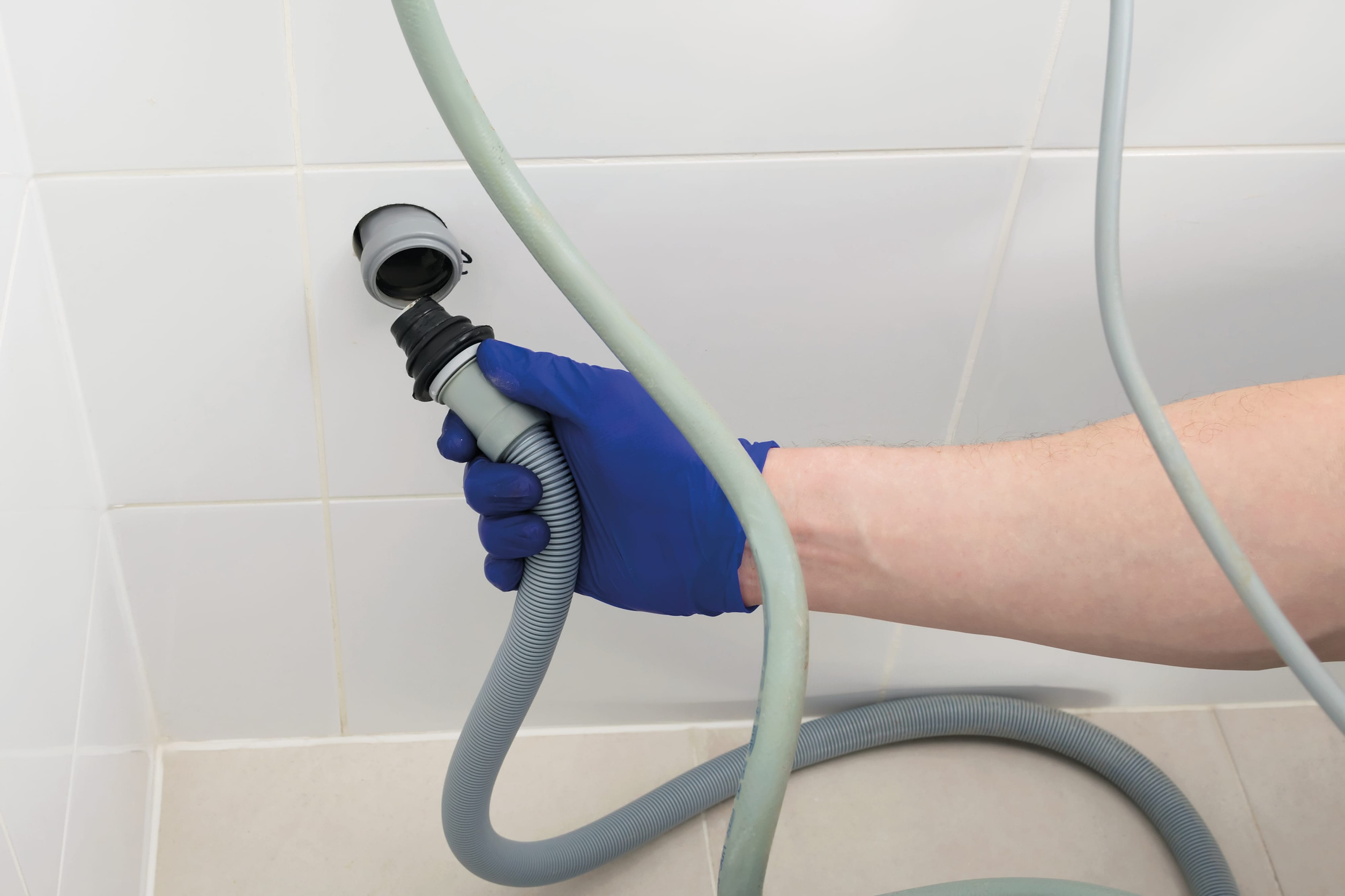
Your washing machine may look harmless sitting in the laundry room, but the hoses behind it are under pressure every day. Those small supply lines carry hot and cold water into the machine, and if one bursts, water can flood the room fast. Many homeowners worry about storms, roof leaks, or burst pipes, but washing machine hoses are one of the most overlooked sources of sudden indoor flooding. The scary part is that hose failure is often preventable. A quick inspection, timely replacement, and smart shutoff habits can protect your floors, walls, cabinets, and home from a costly water emergency.
Why are washing machine hoses such a common cause of flooding?
Washing machine hoses are a common flooding risk because they stay connected to pressurized water lines all the time. Even when the washer is not running, the supply hoses may still be holding back water pressure. That means an old, cracked, loose, or weakened hose can fail suddenly and release water until someone shuts it off.
The risk is easy to overlook because the hoses are usually hidden behind the appliance. Most homeowners do not see them daily, and many people only move the washer when they are replacing it, cleaning deeply, or remodeling the laundry area.
The problem is not that washing machine hoses are complicated. It is that they are forgotten. A small rubber line behind the machine can sit under constant stress for years with no attention. By the time it gives out, the damage can spread into flooring, drywall, trim, nearby cabinets, and rooms below if the laundry area is upstairs.
What actually happens when a washer hose bursts?
When a washer hose bursts, the water does not trickle out politely. It can spray or pour out under pressure. If nobody is home, asleep, or in another part of the house, the flooding can continue for a long time before anyone notices.
A burst hose can quickly affect:
- Laundry room flooring
- Baseboards and trim
- Drywall behind the washer
- Nearby hallways or closets
- Subflooring
- Ceiling below an upstairs laundry room
- Electrical outlets or appliances nearby
This is why washer hose flooding can feel so shocking. The hose itself may be inexpensive, but the damage it causes is not. A small part can create a big water-loss event because it connects directly to the home’s water supply.
If you are thinking about the bigger prevention picture, your guide on how to prevent costly water damage in your home is a strong next read because washer hoses are only one of several supply-side risks homeowners should catch early.
Why do washer hoses fail in the first place?
Washer hoses fail because age, pressure, heat, movement, corrosion, and installation stress slowly weaken them. A hose may look fine from a distance while the inside is deteriorating. That is one reason failures often feel sudden even though the conditions were building for years.
Common causes of failure
- Rubber drying, cracking, or bulging
- Internal hose deterioration
- Corrosion at the metal fittings
- Loose connections
- Kinking behind the washer
- Vibration from spin cycles
- Excessive water pressure
- Poor installation angle
- Old rubber washers inside the fittings
The washer itself also moves more than many homeowners realize. Spin cycles create vibration, and that vibration can strain hoses and fittings over time. If the washer has been pushed too close to the wall, the hoses may kink or rub against the back of the appliance.
The failure point is often not dramatic at first. It may start as a weak connection, a small bulge, or corrosion at the coupling. Then pressure finishes the job.
Are rubber washing machine hoses more dangerous than braided stainless steel hoses?
Rubber hoses are generally more vulnerable over time than braided stainless steel hoses. Standard rubber hoses can dry out, crack, bulge, and weaken with age. Braided stainless steel hoses are designed to better resist bursting because the outer braid helps reinforce the hose.
That does not mean braided hoses are perfect. They can still fail if they are old, poorly installed, kinked, corroded, or connected to weak fittings. But for many homeowners, upgrading from basic rubber hoses to high-quality braided stainless steel hoses is one of the simplest ways to reduce risk.
Rubber hoses usually offer:
- Lower upfront cost
- Basic function
- More vulnerability as they age
Braided stainless steel hoses usually offer:
- Better burst resistance
- Stronger protection against pressure stress
- A more durable upgrade for laundry areas
The best approach is not only choosing better hoses. It is also replacing them on a schedule and inspecting them regularly. A better hose that is ignored for too long can still become a risk.
How often should washing machine hoses be replaced?
A good homeowner rule is to inspect washing machine hoses regularly and replace them before age becomes a risk. Many plumbing and insurance safety recommendations suggest replacing older hoses on a schedule, especially if they are rubber, visibly worn, or more than several years old.
You should consider replacing hoses sooner if you notice:
- Cracks
- Bulges
- Rust or corrosion at the fittings
- Kinks
- Dampness behind the washer
- Drips at the connection
- Stiff or brittle hose material
- A washer that vibrates heavily
Even if nothing looks wrong, old hoses should not be treated as permanent parts of the home. They are wear items. That means they have a service life, and replacing them is much cheaper than repairing flooring and drywall after a flood.
If you are already checking for fixture wear around the house, early warning signs of pipe corrosion can help you spot related issues at laundry connections, valves, and exposed fittings before they turn into leaks.
Why are upstairs laundry rooms especially risky?
Upstairs laundry rooms are convenient, but they increase the damage potential when a hose fails. A first-floor or basement laundry leak may damage the floor around the appliance. An upstairs laundry leak can damage the laundry room, the subfloor, the ceiling below, wall cavities, light fixtures, insulation, and finished rooms underneath.
That is why an upstairs washer hose failure can become expensive very quickly. Gravity spreads the water into places homeowners cannot see right away.
Upstairs laundry rooms need extra attention to:
- Hose condition
- Floor drainage if available
- Shutoff valve access
- Leak detectors
- Pan condition under the washer
- Water stains on the ceiling below
- Vibration control
If your laundry is upstairs, prevention matters more. A small hose inspection once a month is not overkill. It is one of the easiest ways to prevent a large water-damage event in a finished part of the home.
What does water pressure have to do with washer hose failure?
Water pressure matters because washer hoses are holding back pressurized water every day. If the pressure in the home is too high, the hoses and fittings experience more stress than they should. Over time, that added force can contribute to early failure.
High pressure may also make a hose failure more destructive when it happens. The stronger the pressure, the faster water can escape through a burst or loose connection.
Warning signs that pressure may be part of the problem include:
- Pipes banging when water shuts off
- Faucets blasting aggressively
- Toilet fill valves wearing out quickly
- Repeated leaks at supply lines
- Appliance hoses failing sooner than expected
A washer hose is only one piece of the system. If your home’s plumbing is under excessive pressure, other supply lines and valves may be under stress too. This is why homeowners should not treat repeated appliance-line issues as random bad luck. Sometimes the hose is the symptom and pressure is part of the cause.
How can you inspect washing machine hoses safely?
A simple hose inspection takes only a few minutes, but it should be done carefully. You do not need to pull hard on hoses or force fittings. You are looking for warning signs, not trying to stress the connection.
Basic inspection steps
- Turn the washer off and make sure the area is dry.
- Look behind the machine with a flashlight.
- Check both hot and cold hoses from end to end.
- Look for cracks, bulges, kinks, corrosion, or dampness.
- Feel around the connection points for moisture.
- Make sure the washer is not pushed so tightly against the wall that hoses are bent.
- Confirm the shutoff valves are accessible.
Do not ignore small signs. A little corrosion at the connection or a faint damp spot behind the washer can be the first clue that the laundry area is at risk.
For broader household prevention, early signs your home has hidden plumbing leaks can help you recognize moisture clues that may show up before a full failure happens.
Should you turn off washing machine valves when the washer is not in use?
Yes, if the valves are easy to access and in good condition, shutting them off when the washer is not in use can reduce risk. This is especially smart before going on vacation or leaving the home empty for more than a short period.
The logic is simple. If the valve is off, the hoses are not sitting under the same supply pressure. That reduces the chance of a hose failure causing continuous flooding while nobody is home.
Shutoff habits that help
- Turn off washer valves before travel
- Make sure everyone in the home knows where the laundry shutoff is
- Keep the valves accessible
- Replace valves that are stuck, corroded, or hard to operate
- Consider a single-lever shutoff for easier use
Do not force an old valve that will not turn. A stuck or corroded valve may need professional replacement. A shutoff valve that does not work defeats the entire purpose of emergency control.
Your vacation plumbing guide already recommends inspecting appliances like dishwashers and washing machines before leaving home, so preparing plumbing before summer vacation is a natural internal resource for homeowners who travel.
Can leak detectors stop a washer hose flood?
Leak detectors can dramatically reduce damage when they are installed and set up correctly. Some systems alert you when water is detected near the washer. More advanced systems can monitor water use and automatically shut off the home’s water supply when abnormal flow is detected.
A leak detector does not make old hoses safe forever, but it adds another layer of protection. That layer matters most when:
- The laundry room is upstairs
- You travel often
- The washer is in a finished area
- The home has older plumbing
- The laundry room is not checked daily
- You want phone alerts when away
Your leak detector page says these systems monitor supply-side plumbing pipes, can alert homeowners when a leak is detected, and can automatically shut off water to the house depending on the detector type. That makes smart leak detectors for washing machine flood protection one of the most practical links in this article.
What should you do if a washing machine hose bursts?
If a washer hose bursts, speed matters. The first goal is to stop the water. The second is to protect the home from further damage.
Do this immediately
- Shut off the washing machine supply valves if you can reach them safely.
- If water is still flowing, shut off the main water valve.
- Turn off power to nearby electrical hazards if it is safe to do so.
- Move items out of the wet area.
- Start removing standing water.
- Document damage with photos and video.
- Call for plumbing help and water-damage support if needed.
Do not keep using the washer after a hose failure until the hoses, valves, and connections have been checked. Also do not assume the problem is solved just because the water stopped. Wet walls, flooring, and subflooring may still need attention.
For general emergency guidance, plumbing safety tips for homeowners is a useful internal read because safe shutoff and quick response can reduce damage.
When is it more than a hose problem?
Sometimes the hose is the obvious failure, but the larger issue is the water supply connection behind it. A washer hose attaches to valves and supply piping, and those components can also fail, corrode, leak, or lose their ability to shut off water.
The problem may be larger if:
- The valve leaks after the hose is removed
- The shutoff valve will not close fully
- There is corrosion at the wall connection
- Water pressure is inconsistent
- You see staining behind the washer
- The same connection has leaked before
- The wall or floor feels soft near the laundry box
If the issue extends beyond the hose, the repair may involve valves, supply lines, or a section of plumbing behind the wall. That is not something to ignore. A new hose attached to a failing valve can still leave the home at risk.
If the supply-side plumbing needs deeper repair, water line repair for leaks and pressure problems is the better next step than simply replacing the hose and hoping everything else is fine.
How do insurance claims treat washing machine hose flooding?
Insurance coverage depends on the policy and the circumstances. In many cases, sudden and accidental water damage may be treated differently than gradual damage caused by neglect or poor maintenance. That distinction matters because a burst hose event may be viewed differently from a slow leak that was ignored for months.
Homeowners should not assume every part of the event is covered. A policy may cover resulting damage but not the failed hose itself. Coverage may also depend on whether the home was properly maintained and whether the issue was sudden.
What helps if you ever need a claim
- Photos and videos of the damage
- Records showing hose replacement or inspection
- Documentation from a plumber
- Proof that water was shut off quickly
- Notes on when the problem was discovered
This is another reason prevention is important. Replacing hoses and documenting maintenance is not only good for the plumbing. It may also help show that you took reasonable care of the home.
What are the biggest mistakes homeowners make with washing machine hoses?
Most washer hose flooding comes from simple, preventable oversights. Homeowners are not usually careless. They just do not think about the hoses until something goes wrong.
Common mistakes
- Never replacing old rubber hoses
- Pushing the washer too close to the wall
- Ignoring corrosion at fittings
- Leaving valves on during long trips
- Forgetting about upstairs laundry risk
- Assuming braided hoses never fail
- Not knowing where the shutoff valve is
- Waiting until a tiny drip becomes a flood
The biggest mistake is treating hoses like permanent plumbing. They are not. They are replaceable wear parts connected to a powerful water source. Once homeowners understand that, the maintenance decision becomes obvious.
If the laundry area has already shown warning signs, preventing hidden water damage before it spreads is worth reviewing because small supply-line issues can become expensive quickly.
How can homeowners build a simple washer hose maintenance routine?
A good routine should be simple enough that homeowners actually follow it. You do not need a complicated checklist. You need repeatable habits.
Monthly
- Look behind the washer for dampness
- Check for bulges, cracks, or kinks
- Make sure the washer is not pinching the hoses
- Look for corrosion at fittings
- Watch for water stains on nearby walls or floors
Before travel
- Turn off washer supply valves if safe and accessible
- Check the laundry area for moisture
- Confirm leak detectors are working if installed
Every few years
- Replace aging hoses before they fail
- Upgrade rubber hoses to quality braided hoses
- Replace old or stiff shutoff valves
- Have connections checked if corrosion appears
This is the type of maintenance that pays for itself. A few minutes of attention can prevent thousands of dollars in avoidable damage.
Are automatic washing machine shutoff valves worth it?
For many homes, yes. Automatic shutoff valves can reduce the risk of major flooding by closing water flow when the washer is not in use or when a leak is detected, depending on the system. They are especially valuable in higher-risk laundry setups.
They are especially worth considering if:
- Your laundry room is upstairs
- You travel frequently
- The washer sits near finished living space
- You have had a previous leak
- Your shutoff valves are hard to reach
- You want a stronger prevention system
Automatic shutoff does not replace hose replacement. Think of it as backup protection. Hoses still need to be inspected and replaced. Valves still need to work. But an automatic system can make the home much more forgiving if something fails unexpectedly.
In homes where water damage would be especially costly, smart shutoff and leak detection are often among the most practical plumbing upgrades available.
How do washing machine hoses fit into a whole-home plumbing maintenance plan?
Washing machine hoses should be part of a broader plumbing maintenance plan because they are only one of many supply-side failure points. Toilets, faucets, water heaters, refrigerator lines, dishwashers, and shutoff valves can also leak or fail.
A whole-home plumbing mindset looks at:
- Appliance supply lines
- Shutoff valves
- Water pressure
- Pipe corrosion
- Hidden leak signs
- Water heater condition
- Drain performance
- Emergency shutoff access
This is where homeowners start moving from reactive repairs to prevention. Instead of waiting for a flood, you identify the weak points before they fail.
If you are ready for a broader check, professional plumbing services in Knoxville and East Tennessee is the right final destination because washer hoses are one piece of a larger water-damage prevention strategy.
FAQs about washing machine hoses and flooding
Are washing machine hoses really that dangerous?
Yes. They are small, easy to ignore, and connected to pressurized water. If one bursts, water can flood the laundry area quickly.
How often should I inspect washer hoses?
Check them monthly, especially if the washer is upstairs, older, or in a finished laundry room.
Should I replace rubber hoses with braided stainless steel?
In most homes, yes. Braided stainless steel hoses are usually more durable and better at resisting burst failures than basic rubber hoses.
Can braided hoses still fail?
Yes. They can fail from age, corrosion, poor installation, kinking, or damaged fittings.
Should I turn off washer valves when I leave town?
Yes, if the valves are working and easy to access. It reduces the chance of a pressurized hose failure while you are away.
What should I do if I see corrosion at the hose connection?
Do not ignore it. Corrosion at fittings can signal a leak risk and should be inspected before the connection fails.
Can a leak detector help protect the laundry room?
Yes. Leak detectors can alert you quickly, and some systems can automatically shut off water to reduce damage.
When should I call a plumber?
Call if you see dripping, corrosion, stuck valves, water staining, repeated moisture, pressure issues, or if you are not sure the hoses and valves are safe.
Do not let a cheap hose cause an expensive flood
Washing machine hoses are one of the easiest plumbing risks to forget and one of the easiest to prevent. They sit out of sight, under pressure, waiting for age, vibration, corrosion, or bad installation to catch up with them. When they fail, the damage can spread fast, especially in upstairs laundry rooms or finished spaces.
Here are the biggest takeaways:
- Washer hoses are wear parts, not permanent plumbing
- Rubber hoses should be inspected and replaced before age turns into failure
- Braided hoses, working shutoff valves, leak detectors, and smart travel habits can dramatically reduce flood risk
- The best time to fix a weak hose is before it becomes a water-damage claim
If you have not looked behind your washing machine in a while, do it soon. A five-minute inspection may be the difference between a quiet laundry day and a flooded home.


