


Basement Bathroom Plumbing: How Ejector Pumps and Below-Grade Drains Work
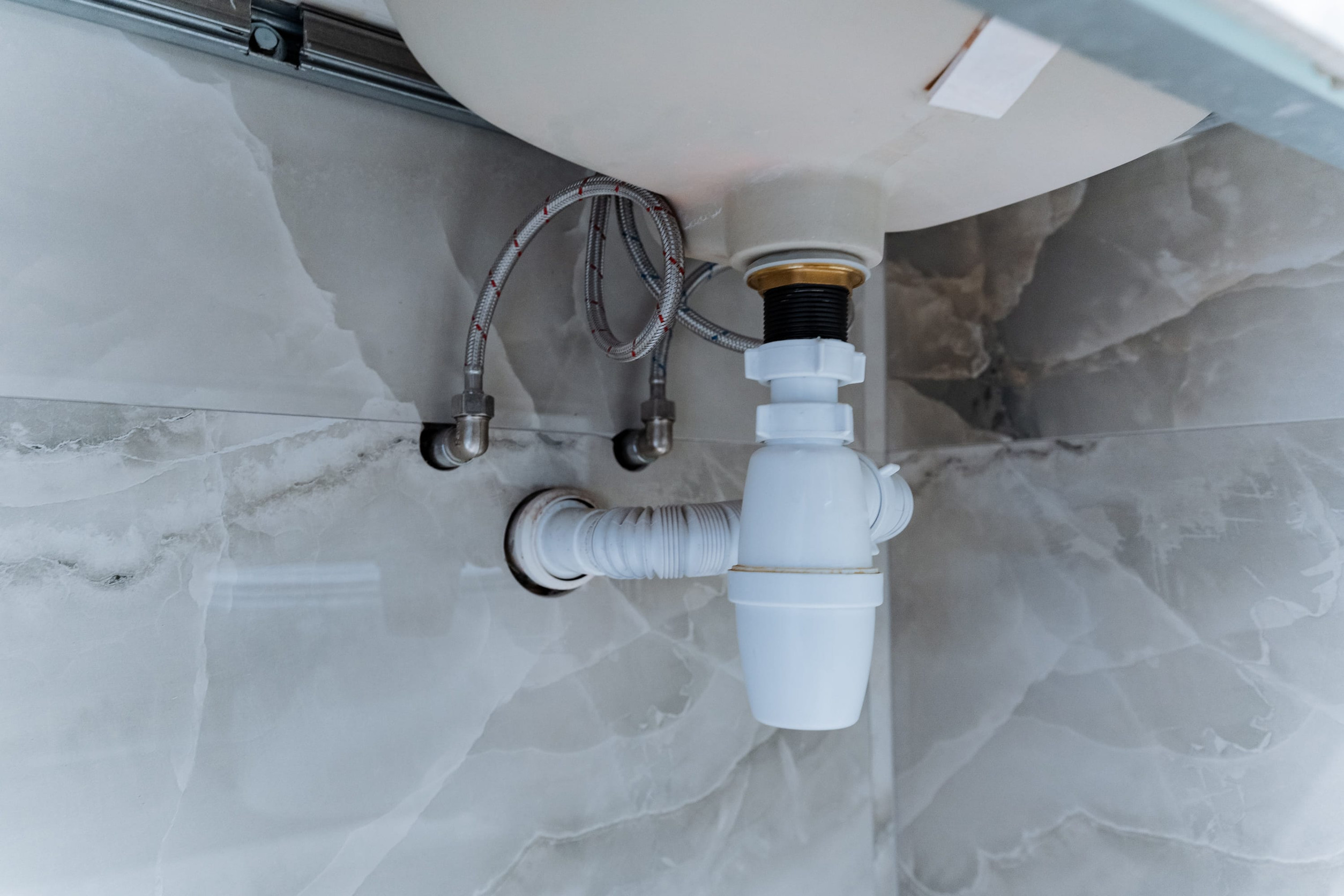
Converting an unfinished basement into a functional living area is one of the smartest ways to maximize your home's square footage. Whether you are envisioning a private guest suite, a home theater, a kid's playroom, or the ultimate entertainment lounge, one asset will completely transform the space: a fully functional bathroom. No one wants to climb two flights of stairs in the middle of a movie or a gathering just to use the restroom.
However, adding a bathroom to a subterranean space presents a unique engineering puzzle. Standard residential plumbing relies almost entirely on the absolute, unyielding law of gravity. When you flush a toilet or drain a tub on the upper floors of a house, the wastewater naturally runs downward through a network of sloped pipes until it joins the main municipal sewer line or septic system.
But what happens when your plumbing fixtures sit below the level of your main sewer line?
When you are working underground, gravity is no longer your ally—it is your obstacle. To make a basement bathroom functional, you must utilize specialized mechanical systems designed to collect wastewater below-grade and forcefully pump it upward into your home’s primary drainage network. This comprehensive guide will walk you through the inner workings of basement plumbing, exploring how below-grade drains operate, the critical role of high-quality sewage ejector pumps, and the structural steps required to build a flawless subterranean waste-management system.
The Core Challenge: The Subterranean Plumbing Paradox
To understand how basement bathrooms work, you must first look at how a home's standard Drain-Waste-Vent (DWV) system is configured. In a typical home, the main horizontal sewer pipe—often called the house drain—exits the foundation walls several feet below the ground level of the first floor, but usually above the floor level of the basement.
[ First Floor Fixtures ] ---> (Drops via gravity)
                                   |
                                   v
=====[ Main Sewer Exit Line ]============================= (Sewer Main Level)
                                   ^
                                   | (Must lift waste upward!)
[ Basement Fixtures ] -------> [ Ejector Pump Pit ]
This configuration creates a structural layout where the basement slab floor sits anywhere from two to six feet below the exit point of the home's primary waste infrastructure. If you were to simply hook up a toilet or shower directly to a pipe beneath the basement floor without any mechanical assistance, the waste would have nowhere to go. It would quickly back up into your fixtures, creating a catastrophic health hazard and severe property damage.
To overcome this layout, a below-grade plumbing system must achieve two goals:
- Collect wastewater from all basement fixtures via a localized, sub-slab gravity network.
- Channel that collected waste into an airtight holding vessel equipped with a heavy-duty mechanical pump capable of lifting the solids and liquids vertically into the primary home drain line.
Achieving this safely, cleanly, and without releasing sewer odors into your home requires an intricate balance of structural excavation, mechanical pumping power, and air-tight venting dynamics.
Below-Grade Drains: Designing the Under-Slab Network
The foundation of any basement bathroom addition lies hidden beneath the concrete floor. Before any walls are framed or fixtures are purchased, an intricate sub-slab drainage system must be carefully engineered and physically carved into the basement floor.
Concrete Excavation and Trenching
The process begins with mapping out the exact footprint of your future bathroom fixtures—the toilet, the vanity sink, and the shower or bathtub. Once the layout is confirmed, contractors use a diamond-tipped industrial concrete saw to cut precise paths through the existing concrete slab.
After cutting, a jackhammer breaks up the concrete chunks, revealing the raw dirt, shale, or clay beneath the home. Workers then manually excavate trenches to the exact depths required for the plumbing lines. In East Tennessee, this excavation can run into challenging native soils, including heavy clay, dense river stone, or solid limestone shelves, requiring specialized equipment and experienced handling.
The 1/4-Inch Gravity Pitch Rule
Even though the overall goal of a basement bathroom is to lift waste upward, the localized pipes beneath the newly excavated floor must still rely on gravity to carry waste from the individual fixtures over to the central collection pit.
According to plumbing codes, horizontal drainage pipes measuring less than 3 inches in diameter must maintain a downward slope (or "pitch") of at least 1/4 inch per linear foot. Pipes that are 3 inches or larger can sometimes drop to 1/8 inch per foot if space is exceptionally tight, but 1/4 inch remains the industry gold standard.
Maintaining this slope is an absolute precision task:
- If the slope is too shallow: Water will pool in the line, solids will lose their momentum, and heavy materials will settle in the pipe, causing frequent, stubborn clogs deep under your concrete.
- If the slope is too steep: The liquid wastewater will rush forward too quickly, leaving the solids stranded behind on the dry pipe walls, eventually leading to a structural block that requires extensive drain line repair work to correct.
Tie-Ins and Backwater Prevention
All of these sub-slab lines converge at a central point—the holding basin of the sewage ejector pump. However, during the layout phase, plumbers must carefully isolate these lines from the rest of the home's existing systems until they reach the final discharge phase. Additionally, because below-grade drains sit at the lowest physical point of the residential infrastructure, they are highly vulnerable to municipal sewer backups during heavy downpours or flash flooding.
To mitigate this risk, smart below-grade designs incorporate a inline backwater check valve. This valve features a one-way flap that allows waste to exit your home under normal operation but seals shut instantly if the municipal sewer line becomes overwhelmed and begins pushing dirty water backward toward your basement slab.
Anatomy of a Sewage Ejector Pump System
The absolute heart of any basement bathroom is the sewage ejector pump system. Without this mechanical workhorse, a subterranean bathroom is nothing more than a collection of dry fixtures.
While many homeowners are deeply familiar with standard sump pumps, it is a critical mistake to assume that a sump pump can handle a bathroom. To protect your home and avoid devastating mechanical failures, you must understand the deep differences between these two systems. For a clear breakdown of groundwater management, consider reading about choosing the best sump pump for your basement; however, for a bathroom, you require an entirely different level of heavy-duty equipment.
A standard sewage ejector pump system consists of several vital components working in seamless harmony. If any single piece fails, the entire system grinds to a halt.
       [ To Home's Roof Vent Stack ]          [ Upward To Main Sewer Line ]
                   ^                                        ^
                   |                                        |
          [ Vent Pipe (Sealed) ]                 [ Discharge Pipe ]
                   |                                        |
       +-----------|----------------------------------------|-----------+
       |           |          AIRTIGHT BASIN LID            |           |
       |           |                                        | (Check    |
       |           |                                        |  Valve)   |
=======|===========|========================================|===========|======= (Basement Floor)
       |           |                                        |           |
       |           |                                        |           |
       |           +-----------------+                      |           |
       |                             |                      |           |
       |                             v                      |           |
       |                     (Float Switch)                 |           |
       |                           O                        |           |
       |                           |                        |           |
       |                           v                        |           |
       |                    [ Submersible ]                 |           |
       |                    [  Ejector    ]=================+           |
       |                    [   Pump      ]                             |
       +----------------------------------------------------------------+
1. The Basin (The Pit)
The basin is a heavy-duty cylindrical tank made of structural polyethylene, fiberglass, or composite resin. It is completely embedded beneath the basement floor, flush with the concrete surface. The sub-slab gravity drain lines puncture the side of this basin through specialized rubber hubs that seal out moisture. The basin acts as a subterranean collection reservoir, holding the wastewater until it reaches a volume that triggers evacuation.
2. The Submersible Pump Motor
Sitting at the very bottom of the basin is a heavy, submersible pump, typically constructed from solid cast iron or rugged stainless steel to withstand perpetual immersion in corrosive wastewater. These motors are powerful, generally ranging from 1/2 horsepower (HP) to 1 HP for standard residential setups.
The pump features an internal design known as a vortex impeller. Rather than pulling waste directly through tight mechanical gears, the impeller spins at high speeds, creating a powerful liquid vortex that draws solids and liquids into the pump housing and forces them outward under high pressure without making direct, clogging contact with the motor shafts.
3. The Float Switch
How does the pump know when to run? It relies on a mechanical float switch. As wastewater fills the basin, the water level rises, lifting a buoyant tethered or vertical float. Once the float reaches a pre-set height (the "On" position), an internal electrical contact closes, sending immediate power to the pump motor.
As the pump drains the basin down to a few inches from the bottom, the float drops back down, opening the circuit and shutting the motor off before it can run dry and overheat.
4. The Check Valve and Ball Valve
Installed outside the basin on the vertical discharge pipe are two critical manual valves:
- The Check Valve: This is a spring-loaded or swing-style one-way valve. When the pump runs, the force of the water pushes the valve open. The moment the pump cycles off, gravity pulls the column of water in the vertical pipe back downward, which snaps the check valve shut. This prevents several gallons of dirty water from falling right back into the basin, which would cause the pump to cycle continuously and burn out prematurely.
- The Ball Valve (Shut-off Valve): Located just above the check valve, this manual lever allows a homeowner or technician to isolate the plumbing lines completely, blocking any downstream waste from draining backward if the pump ever needs to be disconnected or replaced.
Step-by-Step: How the System Operates in Real-Time
To fully appreciate the elegance of a well-engineered below-grade plumbing layout, let’s track exactly what happens when someone utilizes a basement bathroom:
- The Fixture Discharges: A user flushes the basement toilet or drains the shower. The waste enters the local sub-slab PVC lines, gliding down the 1/4-inch per foot slope.
- Basin Accumulation: The waste drops through the inlet hub and accumulates silently inside the sealed polyethylene basin beneath the floor.
- The Trigger Point: Once the fluid volume reaches roughly 15 to 20 gallons, the rising float switch tilts upward, closing the internal electrical circuit.
- The Evacuation Phase: The heavy cast-iron motor roars to life. The vortex impeller spins wildly, generating massive centrifugal force. The solid and liquid waste is drawn upward into the pump housing and propelled violently through the 2-inch vertical discharge pipe.
- Exiting the Basin: The waste pushes cleanly past the one-way check valve, traveling vertically upward past the basement ceiling joists.
- The Gravity Hand-Off: The vertical discharge pipe connects into the home’s primary, 3-inch or 4-inch main horizontal sewer line at an engineered angle. Once inside this primary upper line, the basement waste blends with the rest of the home's drainage and flows naturally out to the municipal street main or country septic field.
- The Shutdown: The basin empties within a matter of seconds. The float switch drops back down, cutting the electrical power, and the check valve snaps shut to hold the remaining line volume in place until the next cycle.
The Critical Role of Sealed Basin Venting
One of the most misunderstood and frequently butchered elements of basement plumbing installation is the venting system.
A sewage ejector basin is an entirely closed ecosystem. To prevent toxic, highly flammable sewer gases (such as methane and hydrogen sulfide) from leaking into your enclosed basement living room, the basin must be topped with an airtight lid secured by a dense rubber gasket and dozens of bolts.
However, a completely sealed container creates a major pneumatic problem. When a large volume of water suddenly rushes from your toilet into the basin, it displaces the air inside. If that air has nowhere to escape, it builds up positive pressure, fighting against the incoming water and causing your toilets to bubble, gurgle, and fail to flush.
Conversely, when the powerful ejector pump turns on and violently sucks water out of the basin, it creates a powerful negative vacuum. If air cannot enter the basin instantly to equalize this pressure, the vacuum will pull air through the nearest P-traps (like your basement shower or sink drain), completely siphoning out the water seals that protect your home from odors.
The Architectural Vent Stack Solution
To resolve this pneumatic challenge, every code-compliant sewage ejector basin features a dedicated vent connection on the lid. A 2-inch solid pipe must be run from the basin lid all the way up through the interior structure of the house, eventually puncturing the roofline to open up directly to the outside air.
This pipe provides a constant, safe path for displaced air to escape and fresh air to enter, keeping the atmospheric pressure inside the pit completely balanced. Under no circumstances can a sewage ejector pit utilize a mechanical Air Admittance Valve (AAV or "Cheater Vent") inside the basement; these valves only allow air in, meaning positive pressure cannot escape, which completely locks up a high-volume ejector system.
Standard Ejector Pumps vs. Grinder Pumps
When selecting mechanical equipment for your below-grade layout, you will generally run into two distinct classes of heavy-duty residential pumps: standard sewage ejector pumps and grinder pumps.
Standard Sewage Ejector Pumps
These units use a high-vortex or solids-handling impeller designed to push complete solids up to 2 inches in diameter without chopping them up. They work exceptionally well for traditional residential basements where users are careful about what gets flushed down the drain. They are highly efficient, require less overall electrical power, and represent a lower initial capital investment.
Grinder Pumps
A grinder pump acts like an industrial garbage disposal combined with a high-pressure pump. It features a hardened stainless-steel cutting ring that spins at high speeds, actively shredding all incoming solid waste and toilet paper into a fine, liquid slurry before pumping it out through a much narrower discharge pipe.
Grinder pumps are typically specified if your basement bathroom needs to lift waste across an exceptionally high vertical distance (over 15 to 20 feet) or if the horizontal run to the main sewer line is incredibly long. They are also highly recommended for rental suites or basements frequented by guests, where foreign objects might inadvertently be flushed down the system.
Proactive Troubleshooting and Diagnostic Protection
Because a below-grade plumbing system is entirely hidden behind drywall and buried deep beneath poured concrete, diagnosing an active issue can feel incredibly daunting to a homeowner. A slow drain or a foul smell could indicate a cracked pipe under the slab, a blocked vent stack, or an impeller failure.
Rather than guessing or destructively tearing up your finished basement floors to find a hidden problem, modern contractors utilize advanced diagnostics. By utilizing a high-definition sewer line video inspection, a certified technician can thread a fiber-optic camera directly into your below-grade infrastructure. This allows them to visually inspect the exact condition of your lines, verify the slope, locate hidden root intrusions, and ensure the interior of your ejector basin is clear and operating properly without causing structural chaos to your home.
Best Practices for a Flawless Subterranean System
If you are preparing to add a subterranean bathroom or upgrade an aging waste system, keeping these comprehensive design rules in mind will ensure decades of worry-free operation:
- Install a High-Water Alarm: Every premium ejector system should include a secondary sensor float connected to a loud audible alarm or a smart home Wi-Fi notification system. If the pump ever trips a breaker or suffers a mechanical failure, the alarm will alert you before anyone uses the bathroom fixtures, preventing a catastrophic overflow.
- Run a Dedicated Electrical Circuit: Sewage ejector pumps pull a massive electrical current the exact millisecond they start up. They must always be plugged into a dedicated, single-outlet circuit breaker (typically 15 to 20 amps) to prevent them from tripping a shared circuit and shutting down completely.
- Educate the Household: A standard sewage ejector system is built solely for human waste and standard toilet paper. Wet wipes (even those labeled "flushable"), paper towels, dental floss, and feminine hygiene products should never enter a basement bathroom. These items will quickly bind around the spinning impeller, locking up the motor and causing a costly mechanical blowout.
- Invest in Professional Execution: While DIY projects are wonderful for painting and tile work, carving out foundations and engineering air-tight gas management systems requires specialized mastery. Trusting your layout to a licensed company experienced in comprehensive residential plumbing in Knoxville guarantees that your structural integrity remains uncompromised, your permits pass local code inspections flawlessly, and your basement remains safe, dry, and odor-free for the long haul.
By understanding the careful mechanics of under-slab slopes, airtight atmospheric venting, and powerful vortex lift systems, you can confidently build a beautiful, high-value basement bathroom addition that performs just as reliably as any upper-floor restroom in your home.


