


Choosing the Right HVAC System for Knoxville Retail Spaces
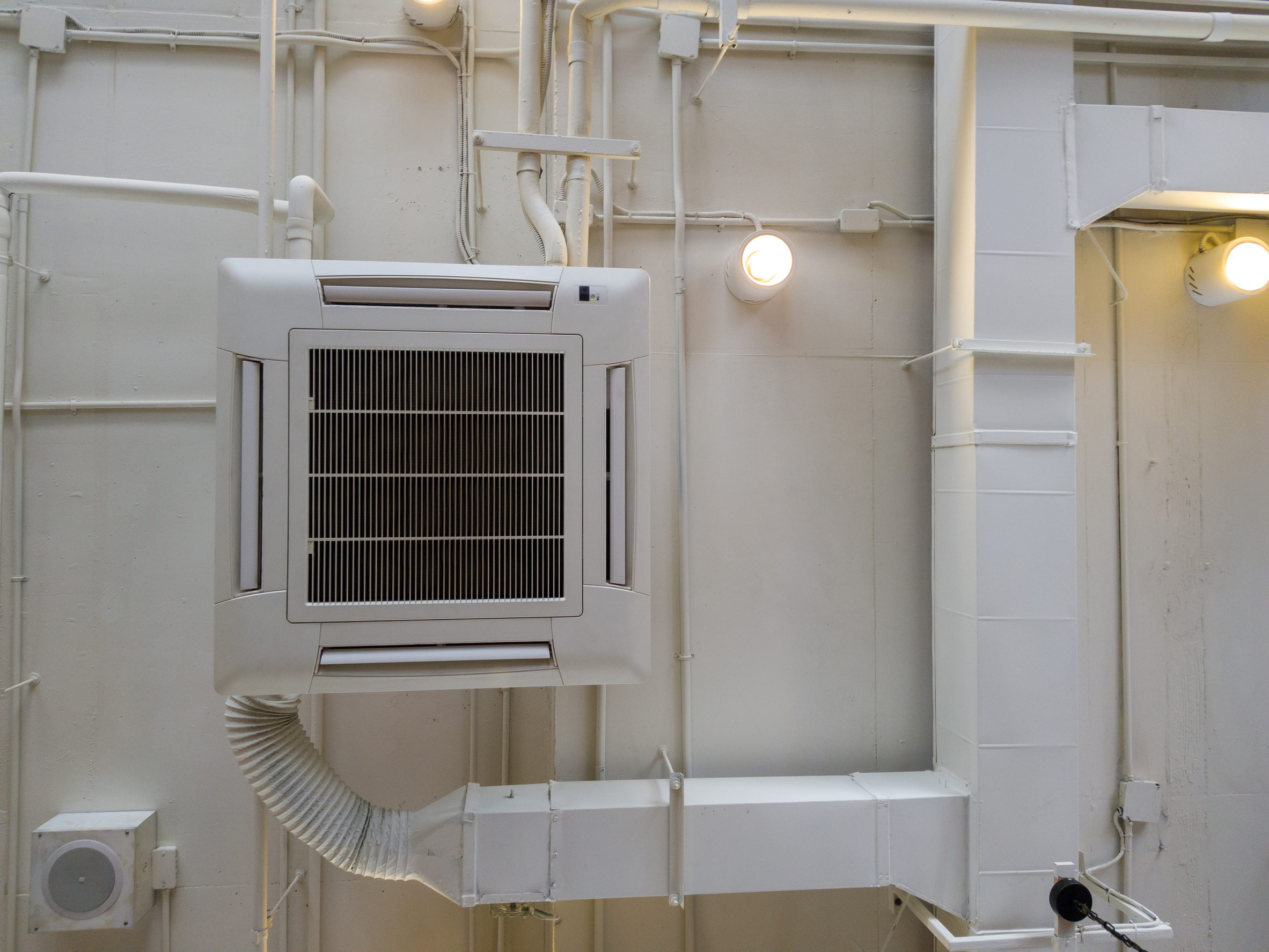
For retail business owners and commercial property managers in Knoxville, Tennessee, creating an inviting, comfortable indoor atmosphere is directly tied to business performance. Whether running an independent boutique in the historic Old City, managing a high-traffic storefront along Kingston Pike, or operating a multi-tenant retail plaza in Turkey Creek, the climate control system inside your store plays an essential role in customer retention, employee productivity, and total operational costs.
When customers step inside a store, they form an immediate impression based on ambient temperature and air freshness. A retail space that is overly humid, stuffy, or uncomfortably chilly encourages shoppers to leave prematurely, directly lowering average transaction values. Conversely, a well-balanced HVAC system quietly maintains optimal thermal comfort, protects sensitive inventory from moisture damage, and keeps monthly energy bills under control.
Because commercial retail environments present distinct heating and cooling challenges—such as fluctuating foot traffic, high ceiling clearances, continuous door openings, and intense indoor lighting—selecting the right heating, ventilation, and air conditioning (HVAC) infrastructure requires careful planning. This comprehensive guide explores the primary factors influencing commercial equipment selection, evaluates the most effective system configurations for Knoxville retail properties, and outlines best practices for long-term efficiency and performance.
1. Unique Environmental Factors Facing Knoxville Retailers
Selecting an HVAC system for a retail space is fundamentally different from sizing equipment for a standard office building or residential property. Knoxville's unique geography, seasonal weather patterns, and retail operating conditions create a distinct set of mechanical demands.
+-----------------------------------------------------------------------------------+
|                   KNOXVILLE RETAIL CLIMATE CONTROL CHALLENGES                     |
+-------------------+---------------------------------------------------------------+
| CHALLENGE         | IMPACT ON HVAC INFRASTRUCTURE                                  |
+-------------------+---------------------------------------------------------------+
| East TN Humidity  | High summer latent loads demand active dehumidification to    |
|                   | prevent clammy air and indoor mold development.               |
+-------------------+---------------------------------------------------------------+
| Variable Foot     | Thermal load spikes during peak shopping hours require rapid,  |
| Traffic           | modulating cooling capacity.                                  |
+-------------------+---------------------------------------------------------------+
| Frequent Door     | Automatic doors allow continuous infiltration of outdoor air, |
| Openings          | increasing system workload.                                   |
+-------------------+---------------------------------------------------------------+
| Complex Store     | Open sales floors, fitting rooms, and stockrooms require      |
| Layouts           | independent multi-zone temperature controls.                  |
+-------------------+---------------------------------------------------------------+
High Humidity and Seasonal Swings
Knoxville experiences a humid subtropical climate characterized by hot, muggy summers and cold winters. During July and August, outdoor relative humidity frequently exceeds 70% to 80%. Commercial HVAC systems in East Tennessee must excel at latent cooling—the removal of moisture from the air—as well as sensible cooling (lowering actual air temperature). Understanding how humidity affects your HVAC system in East Tennessee is essential, as elevated indoor humidity makes retail spaces feel clammy, produces unpleasant lingering odors, and can cause warping or mildew on clothing, paper goods, and wood fixtures.
Dynamic Internal Thermal Loads
Unlike office spaces with predictable, steady occupancy, retail stores experience dramatic thermal load fluctuations throughout the operating day. A store may be empty at 10:00 AM and crowded with dozens of shoppers by 1:00 PM. Every shopper adds heat and moisture to the building. Furthermore, display accent lighting, point-of-sale computers, digital signage, and refrigeration units continuously emit heat into the sales floor, forcing the cooling system to adapt dynamically to prevent hot spots.
Infiltration from Continuous Door Openings
Retail locations feature constant foot traffic, with front entrance doors opening repeatedly—or remaining propped open during mild weather. Each opening invites unconditioned outdoor air, humidity, street dust, and exhaust fumes directly into the sales area. HVAC systems must deliver sufficient air velocity and ventilation capacity near entrance zones to offset this constant thermal loss.
2. Top HVAC System Types for Commercial Retail Properties
No single HVAC setup fits every retail store. The optimal configuration depends on building square footage, ceiling height, roof structural capacity, store layout, and leasing terms. When evaluating options, consulting with experts in professional commercial HVAC services helps ensure your mechanical system aligns with your building's precise structural and operational layout.
+-----------------------------------------------------------------------------------+
|                     COMMERCIAL HVAC SYSTEM TYPES COMPARISON                       |
+-------------------+-------------------------------------+-------------------------+
| SYSTEM TYPE       | IDEAL RETAIL APPLICATION            | KEY ADVANTAGES          |
+-------------------+-------------------------------------+-------------------------+
| Packaged Rooftop  | Strip malls, standalone storefronts,| Space-saving, modular,  |
| Units (RTUs)      | big-box stores, medium/large retail | easy exterior service   |
+-------------------+-------------------------------------+-------------------------+
| VRF / Multi-Split | Multi-department boutiques, high-   | Superior zone control,  |
| Systems           | end apparel, multi-room layouts     | ultra-high energy efficiency|
+-------------------+-------------------------------------+-------------------------+
| Split Systems     | Historic brick buildings, small     | Lower upfront cost,     |
| (Furnace/AC)      | downtown street-level shops         | simple installation     |
+-------------------+-------------------------------------+-------------------------+
| Ductless Mini-    | Stockrooms, IT/server closets,      | Spot cooling flexibility|
| Splits            | cash wraps, expanded annexes        | without ductwork        |
+-------------------+-------------------------------------+-------------------------+
1. Packaged Rooftop Units (RTUs)
Packaged Rooftop Units are the absolute industry standard for standalone commercial buildings, strip shopping centers, and large retail stores across East Tennessee.
- How They Work: An RTU houses all primary heating and cooling components—including the compressor, evaporator coil, condenser coil, blower fan, and heating unit (gas or electric)—inside a single weatherproof cabinet mounted directly on the roof deck.
- Why They Excel in Retail: * Floor Space Preservation: By placing mechanical equipment on the roof, retailers preserve 100% of their interior footprint for revenue-generating display fixtures and sales floor space.
- Noise Isolation: Heavy compressor noise and vibration remain outside on the roof structure rather than disturbing shoppers inside.
- Ease of Service: Maintenance technicians can perform filter replacements, coil cleanings, and emergency repairs on the rooftop without entering customer areas or interrupting business during operational hours.
- Modularity: Larger stores can install multiple smaller RTUs (e.g., three 5-ton units instead of one 15-ton unit) to provide staged cooling and built-in redundancy if one unit requires repair.
2. Variable Refrigerant Flow (VRF) Systems
Variable Refrigerant Flow systems represent advanced commercial HVAC technology, offering exceptional energy efficiency and precise comfort control.
- How They Work: VRF systems circulate variable amounts of refrigerant directly to individual indoor fan units distributed throughout the building. They continuously adjust motor speeds to match exact thermal loads.
- Why They Excel in Retail:
- Precise Multi-Zone Comfort: A multi-department clothing retailer can independently heat fitting rooms while simultaneously cooling a high-traffic checkout line or illuminated window display area.
- Remarkable Energy Savings: Because VRF compressors run at variable speeds rather than constantly cycling on and off at 100% capacity, energy consumption is drastically reduced during moderate spring and autumn seasons in Knoxville.
- Compact Equipment Profile: Small refrigerant lines replace bulky sheet metal supply ducts, making VRF systems ideal for historic downtown Knoxville retail spaces with exposed brick walls or low ceiling clearances.
3. Commercial Split Systems
For smaller storefronts, street-level retail locations, or leased spaces inside multi-story commercial buildings where rooftop access is unavailable, traditional split systems remain a practical option.
- How They Work: A split system pairs an outdoor condensing unit (located on a ground-level concrete pad or outdoor alleyway) with an indoor air handler or gas furnace housed in a dedicated mechanical closet.
- Why They Excel in Retail:
- Lower initial capital expenditure compared to VRF systems.
- Straightforward replacement process when upgrading existing residential-style commercial setups.
- Reliable heating performance when paired with high-efficiency natural gas furnaces during cold winter spells.
4. Ductless Mini-Split Systems
Ductless mini-splits serve as versatile supplemental heating and cooling solutions within modern retail management setups. Investing in commercial ductless mini-split systems allows business owners to solve localized temperature imbalances without installing costly overhead duct networks.
- Ideal Retail Applications:
- Stockrooms and Warehouses: Keeping back-office inventory cool without wasting energy conditioning non-public zones.
- Point-of-Sale / Cash Wraps: Providing extra air delivery directly above employees stationed at registers near warm front windows.
- IT and Server Closets: Dedicated 24/7 cooling for security camera racks, POS servers, and network hardware.
3. Critical Sizing and Efficiency Metrics for Retail Equipment
Selecting commercial HVAC equipment requires precise engineering calculations. Installing an oversized or undersized system leads to chronic comfort complaints, premature mechanical failure, and skyrocketing utility costs.
The Danger of Improper Sizing
- Oversized Systems: If a contractor installs a system with too much cooling tonnage, the unit will cool the sales floor extremely quickly and shut off before completing a full dehumidification cycle. This "short-cycling" leaves high levels of humidity trapped inside, leading to a clammy retail environment, frozen evaporator coils, and excessive electrical stress on compressors.
- Undersized Systems: An undersized unit will run continuously at maximum capacity on hot July afternoons, failing to maintain target indoor temperatures and leading to rapid component wear.
Commercial HVAC selection must always begin with an accurate Manual N Load Calculation. This calculation accounts for building orientation, wall insulation levels, glass window square footage, LED vs. heat-generating fixture wattage, maximum customer occupancy, and local Knoxville weather data.
+-----------------------------------------------------------------------------------+
|                        COMMERCIAL EFFICIENCY RATINGS CHART                         |
+-------------------+---------------------------------------------------------------+
| RATING METRIC     | DEFINITION & IMPORTANCE FOR RETAIL OPERATORS                  |
+-------------------+---------------------------------------------------------------+
| SEER2 / EER2      | Measures seasonal cooling efficiency under standardized test   |
|                   | conditions. Higher numbers indicate lower electric bills.     |
+-------------------+---------------------------------------------------------------+
| IEER              | Integrated Energy Efficiency Ratio; evaluates part-load       |
|                   | efficiency, reflecting real-world retail variable foot traffic.|
+-------------------+---------------------------------------------------------------+
| COP / HSPF2       | Measures heating efficiency for heat pump equipment during    |
|                   | winter months in East Tennessee.                              |
+-------------------+---------------------------------------------------------------+
Staged and Variable-Capacity Compressors
To accommodate fluctuating foot traffic, modern commercial systems utilize staged or variable-speed scroll compressors:
- Single-Stage: Operates at 100% capacity whenever turned on (inefficient for variable retail loads).
- Two-Stage: Operates at roughly 65% capacity during moderate days and shifts to 100% during peak heat or heavy store crowds.
- Inverter-Driven / Variable-Speed: Modulates capacity smoothly from 25% to 100% in tiny increments, delivering precise temperature maintenance while consuming minimal power.
Understanding how proper sizing and high efficiency directly impact operating budgets highlights the financial benefits of upgrading your business HVAC system.
4. Indoor Air Quality (IAQ) and Ventilation Strategies
Commercial retail spaces face strict building code standards governing fresh air ventilation (such as ASHRAE Standard 62.1). Bringing in adequate fresh outdoor air prevents indoor air stagnation and dilutes airborne contaminants, but that fresh air must be properly filtered and conditioned.
+-----------------------------------------------------------------------+
|                    RETAIL IAQ & VENTILATION CHECKLIST                 |
+-----------------------------------------------------------------------+
|  [✓] HIGH-EFFICIENCY FILTRATION: MERV 11 to MERV 13 pleated media     |
|  [✓] ECONOMIZER CONTROLS: Free cooling during mild outdoor weather    |
|  [✓] HUMIDITY MANAGEMENT: Dedicated dehumidification / hot-gas reheat|
|  [✓] GERMICIDAL IAQ: UV-C lamps & needlepoint bipolar ionization      |
|  [✓] DEMAND-CONTROLLED VENTILATION: CO2 sensors regulating fresh air  |
+-----------------------------------------------------------------------+
High-Efficiency Filtration
Retail spaces accumulate substantial dust, lint from clothing displays, cardboard fiber from unpacking shipments, and outdoor pollen tracked in by shoppers. Installing high-efficiency MERV 11 or MERV 13 pleated air filters traps fine particulates without choking system airflow, protecting sensitive retail merchandise from dust settling.
Economizers for "Free Cooling"
An economizer is a motorized damper assembly integrated into rooftop units that measures outdoor temperature and humidity. During cool East Tennessee spring and autumn mornings, the economizer opens to bring in 100% outdoor air to cool the store, keeping expensive refrigeration compressors turned off. This delivers significant utility cost reductions throughout the year.
Demand-Controlled Ventilation (DCV)
By installing carbon dioxide ($CO_2$) sensors across the sales floor, a Demand-Controlled Ventilation system continuously tracks customer density. When the store is packed, the system opens fresh air dampers to maintain air freshness. When foot traffic drops, the dampers close slightly to prevent unnecessary heating or cooling of empty space.
5. Strategic System Placement and Zoning Considerations
Designing an effective retail HVAC layout requires tailored temperature management across different store zones:
- Main Sales Floor: Needs steady airflow and stable temperatures. Diffusers should be positioned to avoid blowing cold air directly onto display racks or standing customers.
- Fitting Rooms: Fitting rooms tend to feel warm due to body heat, mirror backlighting, and enclosed walls. Dedicated return vents prevent these small spaces from becoming stuffy.
- Entrance & Cash Wrap Areas: Require higher air volumes or air curtains to counteract continuous outdoor air infiltration every time doors open.
- Stockrooms & Employee Breakrooms: Can be placed on independent secondary zones or programmed for setback temperatures during non-stocking hours to conserve energy.
Thoroughly reviewing guidelines on choosing the best HVAC system for your business provides property owners with a structured roadmap for matching equipment configurations to specific retail property layouts.
6. Partnering with the Right Commercial HVAC Contractor
Designing and installing a commercial retail HVAC system is a major capital investment. Partnering with an experienced, locally licensed commercial mechanical contractor ensures your project is completed safely, on schedule, and in full compliance with City of Knoxville building codes and Knox County engineering requirements.
When evaluating mechanical contractors, ensure you know how to choose an HVAC contractor for your business. Look for key qualifications including:
- Commercial Specialization: Verify the contractor has proven experience installing heavy commercial rooftop equipment, ductwork, and automated control systems rather than relying solely on residential background.
- Emergency Service Availability: Retail emergencies happen without warning. Choose a provider offering 24/7 rapid emergency repair response to protect your store during unexpected weather extremes.
- Customized Maintenance Agreements: Comprehensive preventive maintenance programs—including quarterly filter changes, belt tension adjustments, coil washings, and electrical diagnostics—protect warranties and extend total equipment lifespan.
Maximizing Retail Success Through Optimal Comfort
Your retail space's HVAC system is far more than background machinery—it is a critical driver of customer comfort, brand perception, and energy efficiency. By choosing the right equipment design, sizing units to withstand Knoxville's summer humidity, and investing in ongoing preventive care, retail business owners can create a welcoming environment that keeps shoppers browsing longer and returning for years to come.


