


Gas Line Plumbing Services in Knoxville: What a Licensed Plumber Can (and Can't) Do
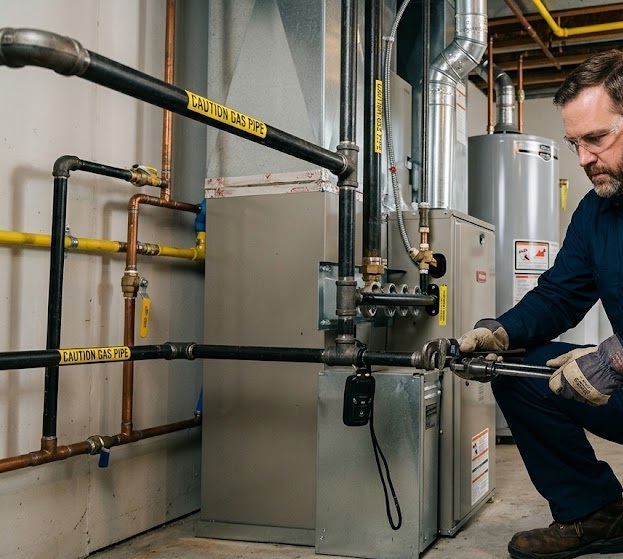
Gas lines are among the most important and potentially dangerous systems in any home. They power water heaters, furnaces, fireplaces, kitchen ranges, outdoor grills, generators, and other appliances that many Knoxville homeowners rely on every day.
Unlike water supply pipes or drain lines, gas piping carries combustible fuel throughout a property. Even a small leak can create significant safety risks, including fire hazards, explosions, carbon monoxide exposure, and health concerns.
Because of these risks, gas line installation, repair, modification, and inspection are heavily regulated. Homeowners are often surprised to learn that not every contractor can legally work on gas piping, and not every plumbing company offers gas line services.
If you are planning a renovation, replacing an appliance, adding outdoor living features, or experiencing potential gas line problems, it is important to understand exactly what a licensed plumber can do, what requires permits, and what situations require immediate professional attention.
What Are Gas Plumbing Services?
Gas plumbing refers to the installation, repair, maintenance, inspection, and replacement of fuel gas piping systems within residential and commercial properties.
These systems typically transport:
- Natural gas
- Propane
- Liquefied petroleum gas (LP gas)
The purpose of the piping system is to safely deliver fuel from the utility connection or propane tank to appliances throughout the home.
Unlike water pipes, gas systems operate under strict safety codes designed to prevent leaks and ensure proper combustion.
Common Household Appliances Connected to Gas Lines
Many Knoxville homes utilize natural gas or propane because of its efficiency and reliability.
- Water heaters
- Tankless water heaters
- Gas furnaces
- Kitchen ranges
- Ovens
- Dryers
- Fireplaces
- Pool heaters
- Backup generators
- Outdoor kitchens
- Gas grills
Many homeowners upgrading their hot water systems eventually explore tankless water heater options for Knoxville homes, which often require gas line sizing evaluations before installation.
Why Gas Line Work Is Different From Traditional Plumbing
At first glance, gas piping may look similar to water piping. However, the engineering requirements are significantly different.
- Pressure requirements
- Fuel volume demands
- Combustion safety
- Ventilation requirements
- Pipe sizing calculations
- Leak detection protocols
- Building code compliance
Improper installations can create dangerous conditions that may not become apparent until months or years later.
What a Licensed Plumber Can Legally Do
Install New Gas Lines
Licensed plumbers can install entirely new gas piping systems for homes, remodels, appliance additions, generators, outdoor kitchens, and other applications.
Extend Existing Gas Lines
Homeowners often add gas-powered features after purchasing a home. A licensed plumber can extend existing lines to supply grills, fire pits, pool heaters, garage heaters, and outdoor fireplaces.
Repair Gas Leaks
Professional gas leak repair is one of the most critical services a licensed plumber provides.
Leaks may result from:
- Corrosion
- Loose fittings
- Aging materials
- Physical damage
- Improper installation
Replace Aging Gas Piping
Over time, gas piping may deteriorate due to corrosion, code changes, or repeated repairs.
Perform Pressure Testing
Pressure testing helps verify the integrity of the entire gas system and is commonly required for permits and inspections.
Install Gas Water Heaters
Licensed plumbers routinely install gas-powered water heaters and tankless water heaters.
Many homeowners compare gas versus electric water heaters before making a purchasing decision.
What a Licensed Plumber Cannot Do
Bypass Building Codes
No licensed plumber can legally ignore Knoxville building requirements or Tennessee fuel gas codes.
Perform Unsafe Appliance Modifications
Appliances must be installed according to manufacturer specifications.
Ignore Ventilation Requirements
Proper venting is essential for combustion safety and carbon monoxide prevention.
Guarantee Safety Without Inspection
Every gas system should be evaluated as a complete system rather than focusing on a single component.
Signs You May Have a Gas Leak
- Rotten egg odors
- Hissing sounds
- Dead vegetation
- Higher gas bills
- Dizziness
- Nausea
- Difficulty breathing
If you suspect a leak, leave immediately and contact emergency services or your gas provider.
Why Proper Pipe Sizing Matters
Every appliance requires a specific volume of fuel. Improper sizing can result in:
- Poor performance
- Reduced efficiency
- Incomplete combustion
- Equipment damage
- Safety risks
When Gas Line Replacement Becomes Necessary
Replacement may be needed due to corrosion, repeated leaks, remodeling projects, or aging materials.
Homeowners planning major renovations often review essential plumbing considerations for renovation projects while evaluating gas system upgrades.
Gas Lines and Water Heaters
Gas water heaters represent one of the largest residential fuel demands.
Many homeowners also research whether it is time for a water heater replacement before upgrading their system.
Outdoor Gas Features Continue to Grow in Popularity
Outdoor living spaces frequently include:
- Built-in grills
- Fire pits
- Outdoor fireplaces
- Patio heaters
- Pool heaters
These installations require careful gas line design and code compliance.
The Importance of Professional Inspections
Routine inspections help identify:
- Leaks
- Corrosion
- Pressure issues
- Code violations
- Potential safety hazards
Much like the value of regular plumbing inspections, proactive gas system evaluations help prevent expensive emergencies.
Gas Lines and Long-Term Home Safety
Gas plumbing should be viewed as part of a home's overall infrastructure strategy.
Homeowners who prioritize maintenance often also invest in year-round plumbing maintenance practices to reduce unexpected repairs.
Likewise, identifying issues early can help homeowners avoid major failures, much like recognizing early warning signs of plumbing problems before they become emergencies.
For properties with older systems, understanding signs that a plumbing system needs repair can help prioritize upgrades before safety concerns arise.
Why Knoxville Homeowners Trust Advanced Heating & Air Conditioning
At Advanced Heating & Air Conditioning, we understand that gas line work requires precision, safety, and strict code compliance.
Whether you need a new appliance connection, gas leak repair, gas line replacement, pressure testing, or a complete fuel system installation, our team focuses on long-term safety and reliability.
We evaluate the entire system to ensure your home receives the safest and most effective solution possible.
Final Thoughts
Gas line plumbing is one of the most specialized services performed by licensed plumbers. Proper installation, maintenance, inspection, and repair are essential for protecting your home, your family, and your investment.
Whether you are installing a new appliance, upgrading a water heater, adding an outdoor kitchen, or addressing a suspected gas leak, professional expertise is critical. A properly designed gas system delivers reliable performance, improved efficiency, and peace of mind for years to come.


