


How a "Pressure Reducing Valve" (PRV) Acts as a Bodyguard for Your Plumbing System
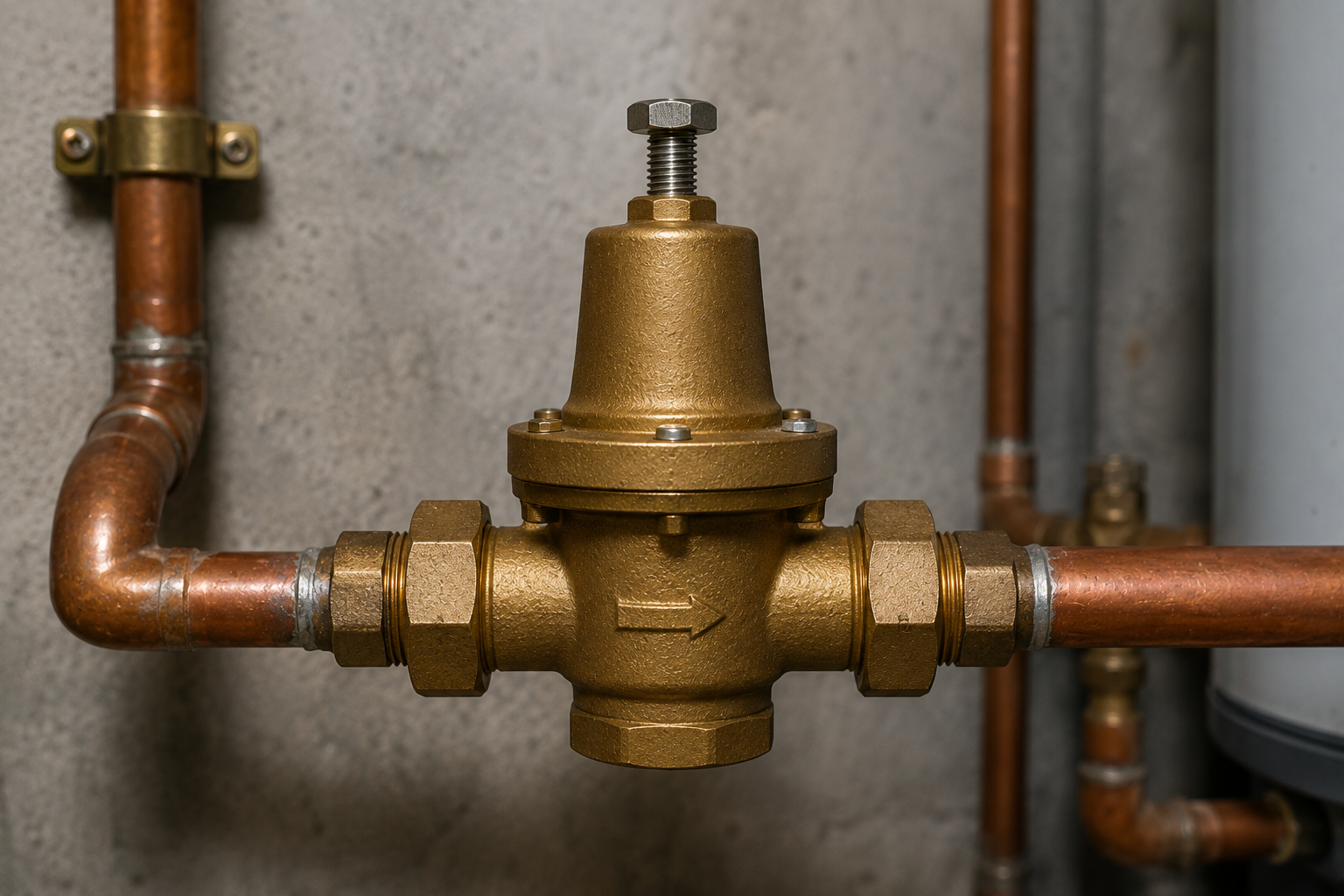
A pressure reducing valve (PRV) is one of the most important plumbing components most homeowners never think about. It sits quietly on your main water line and performs a simple but critical job: protecting every pipe, fixture, appliance, and plumbing connection in the home from excessive water pressure.
When a PRV is working correctly, homeowners rarely notice it. When it fails, the symptoms can appear throughout the entire plumbing system, from leaking faucets and running toilets to burst supply lines and premature appliance failure. Understanding how a pressure reducing valve works helps explain why many plumbers consider it one of the most valuable protective devices in a modern home.
How a Pressure Reducing Valve Works
Water enters a home from a municipal water supply or other source at a specific pressure. That incoming pressure is not always ideal for residential plumbing. In many communities, water utilities deliver water at pressures significantly higher than what household plumbing systems need.
A pressure reducing valve regulates incoming water pressure before it enters the home's plumbing network. The valve automatically reduces higher incoming pressure to a safer, more consistent operating pressure.
Think of it as a traffic controller for water. Instead of allowing whatever pressure arrives from the utility system to enter the home, the PRV creates a controlled environment where plumbing fixtures receive a stable and predictable water supply. Without this regulation, every plumbing component in the home would be subjected to the full force of incoming water pressure.
Why Water Pressure Matters More Than Most Homeowners Realize
Many homeowners assume higher water pressure is always better. Strong showers feel great, faster faucet flow seems convenient, and quick-filling tubs appear beneficial. However, plumbing systems are designed to operate within specific pressure ranges.
Excessive pressure creates continuous stress throughout the system. Unlike a sudden plumbing emergency, high pressure causes damage gradually. The effects accumulate over months and years until leaks, failures, or costly repairs appear. Every plumbing component experiences this stress, including:
- Water supply lines
- Pipe fittings
- Faucets
- Toilets
- Water heaters
- Washing machines
- Dishwashers
- Ice makers
- Water filtration systems
- Appliance valves
A PRV helps prevent that wear by keeping pressure within a safe operating range.
Municipal Water Systems Deliver High Pressure
Water utilities face a difficult challenge. They must provide adequate water pressure to homes located at varying elevations and distances from pumping stations. To ensure everyone receives sufficient water flow, utilities frequently maintain pressures that exceed what individual homes actually require.
Pressure can also fluctuate throughout the day based on:
- Demand changes
- Pump operation
- Water tower levels
- Seasonal usage
- Infrastructure upgrades
A home located near a pumping station may receive significantly higher pressure than a home farther away. The PRV creates consistency regardless of what happens on the municipal side.
The Widespread Damage Caused by Excess Pressure
If left unchecked, unregulated water pressure can quietly degrade various zones across your home's infrastructure.
High Water Pressure Accelerates Pipe Wear
Every plumbing pipe expands slightly when pressurized. This expansion is normal. Problems develop when pressure remains excessively high for long periods. Constant over-pressurization increases stress on pipe walls, joints, fittings, connections, and valves.
Over time, these stresses contribute to pinhole leaks and premature failures. This is especially important in older homes where plumbing materials may already be aging, making them far more vulnerable to common plumbing issues.
Your Water Heater Depends on Stable Pressure
Water heaters operate under pressure every day. When incoming pressure is too high, the entire water heating system experiences additional strain. Higher pressure can contribute to:
- Relief valve activation
- Tank stress
- Connection leaks
- Faster component wear
- Reduced equipment lifespan
Pressure fluctuations become even more significant as water heats and expands inside the system. A properly functioning PRV helps maintain more predictable operating conditions. If you are experiencing structural wear, installing a PRV is just as critical as mapping out long-term equipment care, which you can read about in our guide on how to extend the life of your water heater with regular maintenance.
Toilets Are Often the First Victims
Many homeowners discover pressure problems through their toilets. Toilet fill valves are designed for normal operating pressures. When pressure becomes excessive, components wear faster. Common symptoms include ghost flushing, constant running, fill valve failure, short cycling, and internal leaks.
Even small leaks caused by pressure-related wear can waste thousands of gallons of water annually. Because toilets cycle frequently every day, they often reveal pressure issues before other fixtures. When adjustments are no longer sufficient, knowing how to know when to repair or replace your toilet becomes your next best line of defense.
[High Municipal Pressure] ➡️ [Failing or Absent PRV] ➡️ [Worn Fill Valves & Flappers] ➡️ [Constant Running & High Water Bills]
Faucet Leaks Can Be Pressure-Related
A dripping faucet is often blamed on worn washers or cartridges. While those components do wear naturally, excessive pressure can accelerate that wear considerably. High pressure increases force against seals, O-rings, cartridges, and internal valve components.
This causes components to deteriorate faster than expected. Homeowners frequently replace faucet parts only to have leaks return because the underlying pressure issue was never addressed. If you are constantly tackling these minor drip repairs, it is worth checking out our practical steps on fixing common faucet leaks around the house.
Washing Machines and Dishwashers Face Serious Risks
Modern washing machines contain numerous valves, hoses, and electronic controls designed to operate within strict pressure limits. Excessive pressure increases the risk of supply hose failures, valve damage, internal leaks, and solenoid wear. A burst washing machine hose can release hundreds of gallons of water in a short period, leading to massive property claims.
Dishwashers face similar vulnerabilities. They rely on carefully controlled water delivery. Excess pressure impacts fill valves, internal seals, connections, and water inlet assemblies, compounding fatigue that goes completely unnoticed until a localized flood occurs.
Ice Makers and Refrigerator Lines Are Often Overlooked
Refrigerator water lines are among the smallest plumbing connections in most homes. These small-diameter plastic or copper tubes and fittings are highly sensitive to pressure-related stress. Over years of operation, excessive pressure can contribute to cracked fittings, leaking connections, valve failures, and water line damage. Because refrigerators are often installed in hard-to-see locations, leaks can go unnoticed for extended periods, destroying subfloors.
Water Filtration Systems Depend on Proper Pressure
Many water treatment systems function best within specific pressure ranges. This applies directly to carbon filtration systems, reverse osmosis systems, water softeners, and whole-house filtration units. Excessive pressure can rupture housings, reduce chemical contact efficiency, and shorten overall equipment lifespan.
The Hidden Costs: Waste and Water Hammer
Beyond physical damage to your home's plumbing framework, unregulated water pressure hits your wallet directly through monthly overhead and structural stress.
Excessive Pressure Increases Water Waste
High pressure does not simply damage plumbing; it also significantly increases water consumption. Every fixture delivers more water when pressure rises. This means faucets use more water, showers consume more water, toilets refill faster, and irrigation systems discharge more volume.
The result is often higher utility bills. A properly adjusted PRV can reduce unnecessary water usage without sacrificing comfort, which serves as an incredibly effective residential plumbing hack to save money.
Water Hammer Becomes More Severe
Water hammer occurs when flowing water suddenly stops, creating a harsh pressure shockwave that travels backward through the plumbing system. Common causes include fast-closing washing machine valves, dishwasher valves, quick faucet closures, and toilet fill valve operation. Higher system pressure increases the force of these pressure waves, resulting in banging pipes, heavy wall vibrations, joint stress, and structural fixture damage. A PRV directly minimizes the initial force of these events.
How to Know If Your Home Has High Water Pressure
Many homeowners live with excessive pressure without realizing it. Common warning signs include:
- Frequent, localized plumbing leaks
- Constantly running toilets or "ghost flushes"
- Persistent dripping from faucets
- Premature appliance hose or valve failures
- Loud banging or shaking noises inside walls (water hammer)
- Unusually short water heater lifespans
- Unusually powerful water flow from faucets and showers
What is considered normal residential water pressure? Most residential plumbing systems perform best within a moderate pressure range of 40 to 60 PSI (pounds per square inch). Pressure that drops below 40 PSI creates performance issues, while pressure that climbs past 80 PSI creates system wear and structural damage. A professional plumber can test system pressure using specialized pressure gauges to determine whether adjustments are needed.
PRVs Do Not Last Forever
Like any mechanical device containing springs and rubber diaphragms, pressure reducing valves wear out over time. Internal components may eventually corrode or lose tension. Common symptoms of a failing PRV include:
- Pressure Fluctuations: Water pressure heavily spikes and then suddenly drops.
- Sudden Pressure Increases: Fixtures unexpectedly blast water with extreme force.
- Low Pressure Throughout the Home: A broken valve can get stuck in a restrictive position.
- Noisy Pipes: Clicking, whistling, or humming sounds originating near the main water shut-off valve.
Because these symptoms often resemble other plumbing problems, professional diagnosis is important. Many homeowners assume they have a localized pipe leak or municipal supply problem when the actual issue is a worn-out PRV.
PRV problems are usually gradual. Pressure may increase slowly over months or years, distributing stress across multiple fixtures simultaneously. This sneaky progression is exactly why catching issues early through a benefits of annual plumbing maintenance check can save you thousands of dollars down the line.
Modern and Financial Impacts
Some homeowners assume pressure reducing valves are primarily for older houses. In reality, modern plumbing systems are even more dependent on pressure regulation. Today's homes contain smart appliances, electronic solenoid valves, tankless water heaters, advanced filtration systems, and localized leak detection devices. These components can be highly sensitive to pressure fluctuations. Protecting expensive equipment starts with maintaining a stable foundation.
The financial drain of excessive water pressure can quickly skyrocket:
The valve itself is relatively inexpensive compared to the cost of repairing pressure-related damage throughout an entire home.
When to Call a Professional Plumber
Homeowners should consider a professional evaluation if they notice sudden pressure changes, extremely strong water flow, frequent leaks, recurring faucet repairs, running toilets, water hammer noises, or unexpected increases in water usage. A professional plumber can measure system pressure, inspect the PRV, identify hidden issues, safely adjust pressure settings, or replace a failing valve entirely.
At Advanced Heating & Air Conditioning, our plumbing team helps East Tennessee homeowners diagnose pressure-related plumbing problems before they become expensive emergencies. Whether the issue involves fixture failures, recurring leaks, appliance protection, or PRV replacement, a professional evaluation can often prevent much larger repairs later.
Why a PRV Acts Like a Bodyguard
The best bodyguards are often the ones nobody notices. A pressure reducing valve operates the same way. Day after day, it quietly stands between your home's internal plumbing system and potentially damaging municipal water pressure. It protects your pipes, fixtures, water heaters, appliances, filtration systems, valves, and connections.
Without it, every component in your plumbing system absorbs the full, unpredictable force of incoming pressure. With it, the entire system operates under safer, more controlled conditions. For a device that receives so little attention, the pressure reducing valve may be one of the most important investments in the long-term health, efficiency, and reliability of your home's plumbing.


