


How Long Does a Commercial AC Unit Last in Tennessee's Climate
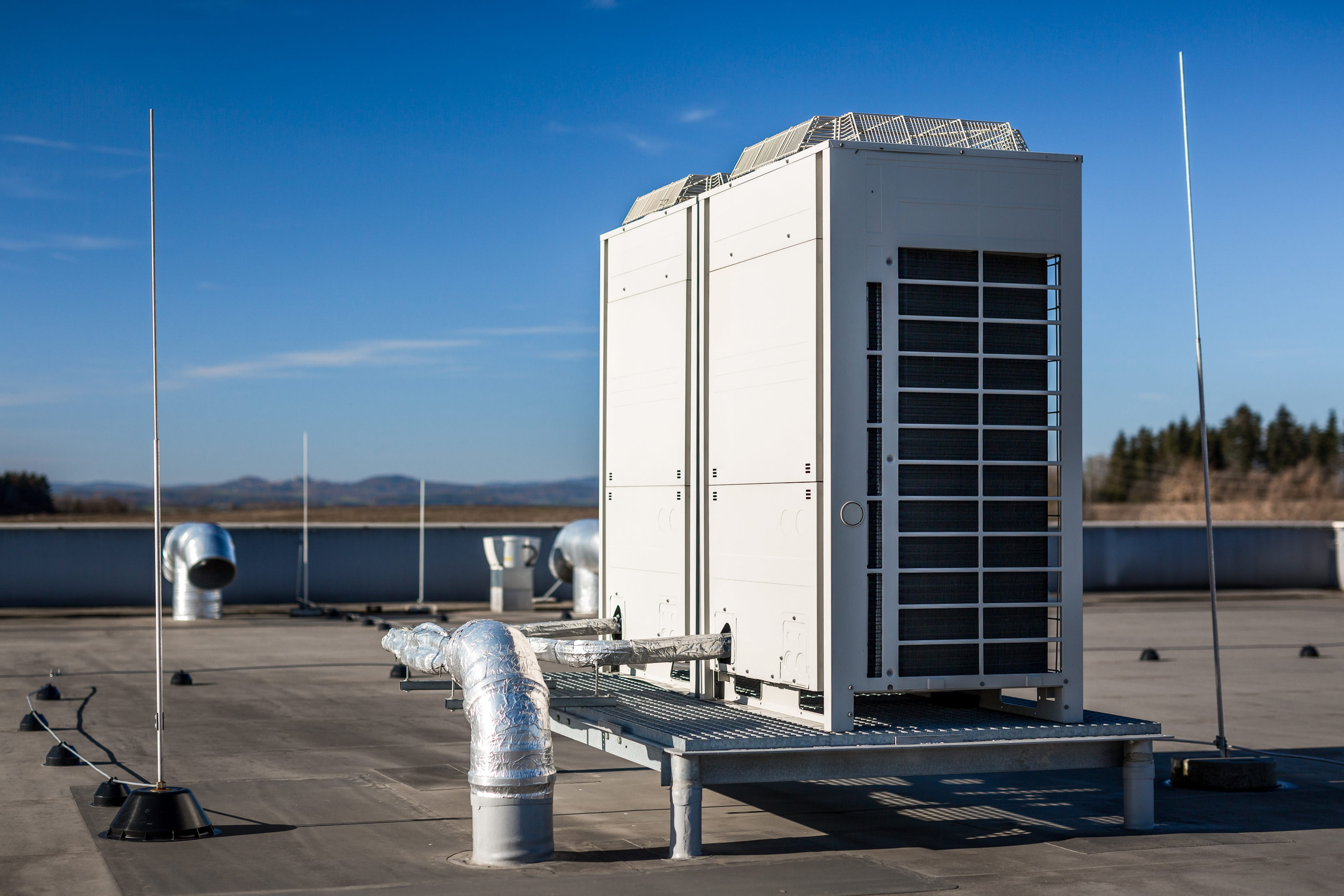
For facility managers, building owners, and business operators across East Tennessee, maintaining reliable commercial climate control is far more than a matter of employee comfort. From high-density corporate offices in downtown Knoxville to industrial parks along the I-40 corridor and retail centers serving thousands of visitors daily, an operational commercial cooling system is essential to daily business continuity, tenant retention, equipment safety, and energy budget management.
When evaluating major mechanical assets, one question consistently tops executive capital expenditure lists: How long can a commercial AC unit realistically last in Tennessee's unique climate?
While standard national HVAC equipment baselines suggest commercial air conditioners should last anywhere from 15 to 20 years, local climate realities often paint a different picture. Tennessee’s combination of soaring summer heat, intense relative humidity, pollen storms, and fluctuating seasonal transitions subjects cooling systems to extreme operational stress.
This comprehensive guide breaks down the true lifespan of commercial AC systems in East Tennessee, the specific environmental factors that cause early system failure, warning signs of mechanical decline, and actionable strategies to extend your equipment's operating lifespan.
Average Lifespan of Commercial AC Systems in Tennessee
Under ideal laboratory conditions, commercial cooling equipment is engineered for decades of service. However, real-world field conditions—especially those encountered across the Tennessee River Valley and the Great Smoky Mountains region—significantly influence longevity.
On average, a commercial AC unit operating in Tennessee has a functional lifespan of 10 to 15 years. While exceptionally well-maintained units may reach 18 years, unmaintained systems operating under heavy commercial cooling loads frequently suffer catastrophic failure before reaching their tenth year.
+-----------------------------------------------------------------------------------+
|                  COMMERCIAL HVAC EQUIPMENT LIFESPAN IN TENNESSEE                   |
+-------------------------------------------------+---------------------------------+
| EQUIPMENT TYPE                                  | EXPECTED LIFESPAN IN TENNESSEE  |
+-------------------------------------------------+---------------------------------+
| Packaged Rooftop Units (RTUs)                   | 10 - 15 Years                   |
| Commercial Split Systems                       | 12 - 15 Years                   |
| Variable Refrigerant Flow (VRF / VRV) Systems   | 12 - 16 Years                   |
| Water-Cooled Commercial Chillers                | 15 - 20+ Years                  |
| Air-Cooled Commercial Chillers                  | 12 - 18 Years                   |
+-------------------------------------------------+---------------------------------+
Why Do Lifespans Vary by System Architecture?
- Packaged Rooftop Units (RTUs): Because RTUs house all mechanical components—including compressors, condenser coils, supply fans, and electronic controls—in a single outdoor cabinet on the roof, they endure constant, direct exposure to solar radiation, heavy rain, wind, hail, and high ambient temperatures.
- Commercial Split Systems: By isolating the air handler unit (AHU) indoors while placing the condenser pad outside, split systems shield internal electrical components and blower assemblies from outdoor weather, giving them a slight edge in longevity.
- Chiller Networks: Chiller plants represent larger capital investments built with heavy-duty industrial components. Water-cooled chillers operating within protected interior mechanical rooms experience less direct climate stress, though their cooling towers remain vulnerable to atmospheric conditions.
How Tennessee's Climate Impacts Commercial AC Longevity
Tennessee is situated in a humid subtropical climate zone (Köppen climate classification Cfa). While winters are relatively mild, summers are characterized by prolonged periods of elevated ambient temperatures paired with intense atmospheric moisture. This environment subjects commercial cooling equipment to continuous operational stress.
                      [ TENNESSEE CLIMATE STRESSORS ON COMMERCIAL AC ]
                                              │
     ┌────────────────────────┬───────────────┴───────────────┬────────────────────────┐
     ▼                        ▼                               ▼                        ▼
[ Extreme Thermal Load ]  [ High Dew Points ]        [ High Pollen & Debris ]  [ Rapid Cycling ]
 Long, continuous runs;    Sensible + Latent load;    Clogged condenser coils;  Spring/Fall ambient
 high compressor heat      condensate line buildup    restricted airflow       swings; electrical stress
1. The Double Threat: Sensible Heat and High Latent Humidity
When summer arrives in East Tennessee, air conditioners must perform two distinct functions simultaneously: lower the dry-bulb air temperature (sensible cooling) and extract gallons of airborne moisture (latent cooling).
In region with dry heat, an AC system primarily focuses on sensible cooling. However, Tennessee's elevated dew points force commercial compressors and evaporator coils to run continuously at maximum capacity to strip moisture from incoming outdoor supply air.
- Compressor Overheating: Extended run cycles keep scroll or reciprocating compressors operating under high head pressures for 10 to 14 hours a day, causing thermal degradation of compressor oil and winding insulation.
- Corrosion & Biological Growth: Constant condensate production creates a permanently wet environment across evaporator coils and drain pans. Without routine treatment, this moisture fosters biological sludge, leads to premature coil oxidation, and risks condensate pan overflows.
Understanding how humidity affects your HVAC system in East Tennessee highlights why local commercial systems suffer higher rates of premature component wear compared to units operating in drier climates.
2. Airborne Pollen, Dust, and Vegetation
Spring in the Smoky Mountain region brings extreme pollen concentrations from pine, oak, and hickory trees. For commercial rooftop units, this fine organic dust acts like a blanket, coating condenser coils and intake filters.
When fine pollen combines with high summer humidity, it forms a dense, cemented crust over delicate aluminum coil fins. This layer impedes thermal transfer, forcing the system to consume up to 30% more power while dramatically increasing internal operating pressures—a primary driver of early compressor failure.
3. Rapid Transitional Season Temperature Fluctuations
Tennessee springs and autumns are notorious for volatile temperature swings. A morning starting in the mid-40s can easily yield a afternoon in the mid-80s.
Commercial systems subject to rapid operational shifts—transitioning from heating modes to full mechanical cooling within a few hours—experience frequent thermal expansion and contraction cycles in their copper tubing and braze joints. Over time, this thermal cycling contributes to microscopic stress fractures and refrigerant leaks.
Critical Factors Beyond Climate That Dictate Lifespan
While weather presents a constant challenge, operational and mechanical management practices within your facility heavily dictate whether a system fails at year 8 or thrives beyond year 15.
+-----------------------------------------------------------------------------------+
|               NON-CLIMATE FACTORS AFFECTING COMMERCIAL AC LONGEVITY               |
+--------------------------+--------------------------------------------------------+
| FACTOR                   | IMPACT ON EQUIPMENT LIFESPAN                           |
+--------------------------+--------------------------------------------------------+
| Initial System Sizing    | Improper tonnage causes short-cycling or continuous     |
|                          | stress; reduces life by 20–40%.                        |
| Operating Hours          | 24/7 facilities (medical/data) age 2x faster than      |
|                          | standard 8-to-5 office environments.                   |
| Roof Placement & Micro   | Unshaded, reflective roof surfaces increase ambient    |
| Climate                  | air intake temperatures by 10°F to 20°F.               |
| Maintenance Frequency    | Deferred maintenance accelerates mechanical wear;      |
|                          | planned maintenance maximizes useful life.             |
+--------------------------+--------------------------------------------------------+
Sizing and Engineering Accuracy
One of the most frequent causes of early commercial HVAC failure is improper initial system sizing.
- Oversized Units: An oversized commercial system reaches the room setpoint too quickly without running long enough to pull humidity from the space. This leads to rapid short-cycling, which places severe mechanical shock on magnetic contactors, blower motors, and compressor starters.
- Undersized Units: An undersized unit runs nonstop on hot summer afternoons, unable to satisfy internal heat loads from machinery, lighting, and high occupant density. This continuous workload causes thermal overload shutdowns and premature motor winding burnouts.
Proper equipment sizing begins with precise load calculations using ACCA Manual N standards, ensuring equipment capacity directly matches the building's specific thermal demands.
Facility Usage and Occupancy Patterns
A commercial AC unit serving a retail store open 10 hours a day operates under a vastly different stress profile than a unit supporting a 24-hour medical facility, a restaurant kitchen with high heat output, or a tech hub housing server rooms. High internal sensible heat loads keep cooling systems engaged year-round, accelerating total operating hours and shifting maintenance schedules from annual to quarterly requirements.
For tailored mechanical planning, working with experienced professionals who understand complete commercial HVAC services guarantees your system architecture aligns with your actual operating demands.
Warning Signs Your Commercial AC Unit Is Approaching End-of-Life
Recognizing the early indicators of mechanical decline allows facility directors to plan a strategic equipment replacement, avoiding emergency mid-summer outages that disrupt business operations.
                  [ MECHANICAL DECLINE PROGRESSION ]

  STAGE 1: Minor Inefficiencies  --->  STAGE 2: Frequent Repairs  --->  STAGE 3: Critical Failure
  • Rising utility bills               • Capacitor failures            • Compressor burnout
  • Mild zone temperature variance     • Repeated refrigerant leaks    • Major coil structural rust
  • Increased operating noise          • Failed contactors/relays      • Complete system shutdown
1. Escalating Utility Bills Without Operational Changes
If your commercial power bills steadily rise year-over-year while occupant usage and utility rates remain constant, your cooling system is losing operational efficiency. As internal compressor valves wear down and condenser coils suffer micro-corrosion, the system draws more kilowatts per ton of cooling output.
2. Chronic Refrigerant Leaks
Commercial AC units operate as sealed systems. Needing frequent refrigerant recharges indicates active corrosion or micro-fissures in coil assemblies or braze joints. Continually topping off an aging system with expensive refrigerant—especially legacy refrigerants undergoing environmental phase-outs—is rarely cost-effective compared to upgrading to modern equipment.
3. Frequent Service Calls and Unplanned Downtime
If your facility log shows monthly service calls for blown fuses, failed run capacitors, frozen evaporator coils, or tripped safety controls, the system has entered its mechanical decline phase.
Reviewing the primary signs your business HVAC system needs repair will help you determine whether isolated component fixes remain viable or if total replacement is the smarter financial choice.
4. Poor Indoor Air Quality and Uncontrolled Humidity
When aging commercial units lose their ability to modulate capacity, indoor humidity levels rise. This results in clammy indoor spaces, musty odors in duct systems, visible condensation on air diffusers, and increased risk of mold growth across ceiling tiles and building materials.
Proven Strategies to Extend Your Commercial AC System's Lifespan
While Tennessee’s climate is demanding, proactive asset management can significantly extend equipment operating life, maximize energy performance, and protect capital budgets.
+-----------------------------------------------------------------------------------+
|               COMMERCIAL PREVENTIVE MAINTENANCE CHECKLIST                          |
+--------------------------+--------------------------------------------------------+
| FREQUENCY                | RECOMMENDED MAINTENANCE ACTIONS                        |
+--------------------------+--------------------------------------------------------+
| Monthly / Bi-Monthly     | • Inspect and replace air filters (MERV 8 to 13).      |
|                          | • Inspect condensate drain pans and clear lines.       |
+--------------------------+--------------------------------------------------------+
| Quarterly                | • Inspect fan belts, sheaves, and adjust tension.      |
|                          | • Check electrical connections and amp draws.          |
|                          | • Audit operating pressures and superheat/subcooling.  |
+--------------------------+--------------------------------------------------------+
| Semi-Annually (Spring)   | • Thoroughly chemical-wash condenser and evaporator    |
|                          |   coils.                                               |
|                          | • Lubricate motor bearings and check alignment.        |
|                          | • Calibrate economizers and fresh air dampers.         |
+--------------------------+--------------------------------------------------------+
1. Implement a Routine Commercial Preventive Maintenance Plan
The single most effective factor determining whether a commercial AC unit reaches its 15-year milestone is regular, structured maintenance.
Enrolling your facility in a structured commercial preventive maintenance plan guarantees certified technicians inspect electrical components, clean heat transfer coils, clear condensate drainage systems, and verify refrigerant charges before peak summer heat arrives.
2. Protect Coils with Anti-Corrosion Coatings
For facilities located near industrial zones or areas with heavy environmental debris, applying specialized polyurethane or epoxy-silicon protective coatings to condenser coils shields copper and aluminum fins from atmospheric corrosion without restricting heat transfer capacity.
3. Integrate Building Automation Systems (BAS) and Smart Controls
Modern commercial controls prevent unnecessary system wear by optimizing run times based on actual occupancy schedules, outdoor air temperatures, and zone demands. Smart thermostats and BAS platforms enable precise temperature setbacks during non-business hours, preventing units from running needlessly over weekends or night shifts.
Discovering additional actionable methods to extend the life of your business HVAC system ensures your facility captures the lowest total cost of ownership across the equipment lifespan.
Repair vs. Replace: Making the Strategic Financial Decision
Eventually, every commercial heating and cooling asset reaches a point where ongoing maintenance expenses outpace the capital investment required for replacement. Facility managers use several financial framework tools to evaluate this transition.
                      [ REPAIR VS. REPLACE DECISION MATRIX ]

                      Accumulated Annual Repairs Exceed 50%
                           of New Unit Replacement Cost?
                                      │
                         ┌────────────┴────────────┐
                         ▼                         ▼
                       [ YES ]                  [ NO ]
                         │                         │
                         ▼                         ▼
               REPLACE EQUIPMENT               REPAIR UNIT
             (Capture Efficiency            (Maintain Service
               & Tax Savings)                  Schedule)
The 50% Rule and Capital ROI
If a single major repair (such as replacing a burned-out multi-stage scroll compressor) or cumulative annual repair costs exceed 50% of the cost of a new replacement unit, investment in replacement is financially advised.
Modern commercial units built to current SEER2 and IEER (Integrated Energy Efficiency Ratio) standards consume significantly less electrical energy than 10- to 15-year-old systems. In many cases, monthly energy bill reductions combined with avoided repair costs deliver full payback on new installation capital within 3 to 5 years.
Financial Advantage: Upgrading commercial HVAC infrastructure can yield immediate tax advantages through Section 179 property deductions, alongside cash rebates offered by regional energy initiatives like TVA EnergyRight.
Evaluating the comprehensive benefits of upgrading your business HVAC system empowers business leaders to convert an unavoidable utility expenditure into a value-generating facility asset.
Choosing the Right Commercial HVAC Installation Partner
Even the most advanced, high-efficiency commercial air conditioner will fail prematurely if installed incorrectly. Flaws during installation—such as poorly sized duct transitions, improper refrigerant charging, uncalibrated economizers, or inadequate roof curb sealing—can reduce overall operating efficiency by up to 30% and trigger recurring mechanical failures within the first few operating seasons.
When the time arrives for an equipment upgrade, partnering with experienced, licensed local technicians ensures seamless design, rapid execution, and compliance with all local Knox County and Tennessee building codes.
For precise engineering, turnkey equipment rigging, and expert execution, partner with local specialists offering professional commercial AC installation backed by robust service warranties.
Partner with East Tennessee’s Commercial HVAC Leaders
Managing commercial climate control in Tennessee requires dedicated local expertise, rapid response times, and mechanical solutions engineered specifically for our regional climate.
At Advanced Heat, AC & Plumbing, we have served commercial property managers, business owners, and industrial facility directors across Knoxville and East Tennessee for decades. Our team of certified commercial technicians understands the demands Tennessee’s summer heat places on your cooling infrastructure.
From customized preventive maintenance programs to emergency mechanical repairs and full commercial system replacements, we deliver transparent, dependable service tailored to your budget and operational schedule.
Is your commercial AC system struggling to keep pace with Tennessee's summer heat?
Contact the commercial mechanical team at Advanced Heat, AC & Plumbing today at 865-933-5538 or visit us online to schedule your facility climate audit and performance inspection!


