


Improving Indoor Air Quality with HVAC and Filtration Services
Indoor air quality has a major impact on your comfort, health, and overall well being. From dust and pollen to pet dander, mold spores, chemical fumes, and bacteria, the air inside your home contains more contaminants than most people realize. Since the average person spends the majority of their time indoors, the quality of the air circulating through your living space matters.
Fortunately, today’s HVAC and filtration technologies can dramatically improve the purity and freshness of indoor air. With the help of professional services such as HVAC inspections, air filtration upgrades, duct cleaning, and preventive maintenance from Advanced Heat, AC, & Plumbing, homeowners can eliminate harmful pollutants, reduce allergy triggers, and create a cleaner, healthier home environment.
This guide explores the importance of indoor air quality, the most common sources of indoor pollution, and the HVAC and filtration services that can help you breathe easier every day.
Why Indoor Air Quality Matters
Indoor air quality (IAQ) affects far more than just how your home smells. Poor IAQ has been linked to a wide range of problems that impact health, comfort, and household efficiency.
Poor indoor air quality can cause
- Allergy symptoms
- Fatigue
- Dry or irritated eyes
- Headaches
- Concentration problems
- Respiratory issues
- Long term health concerns
Improving indoor air quality reduces these risks while making your home feel fresher, cleaner, and more comfortable.
Common Sources of Indoor Air Pollution
Understanding what contributes to indoor air pollution is the first step toward improving it. Many of these contaminants exist in every home but become problematic when ventilation is inadequate or filtration is outdated.
Common air quality threats
- Dust and dust mites that settle into carpets, bedding, and sofas
- Pollen that enters through doors, windows, and clothing
- Pet dander from cats, dogs, and other animals
- Mold spores from damp areas or HVAC systems
- Volatile organic compounds (VOCs) from cleaning products, paint, or furniture
- Bacteria and viruses circulating through the air
- Smoke or cooking fumes that become trapped in closed spaces
Keeping these pollutants under control requires reliable HVAC systems, effective filtration, and professional maintenance.
How Your HVAC System Affects Indoor Air Quality
Your home’s heating and cooling system plays a major role in the air you breathe. The HVAC system controls temperature, humidity, and air circulation throughout your home. If it is neglected or not functioning correctly, it can actually spread pollutants rather than filter them out.
Key HVAC functions that affect air quality
- Circulating fresh air throughout the home
- Balancing humidity levels
- Filtering airborne particles
- Removing odors and fumes
- Preventing mold growth in ducts
When your HVAC system is clean, professionally maintained, and equipped with the right filtration technology, it becomes the most powerful tool you have for improving indoor air quality.
HVAC and Filtration Services That Improve Indoor Air Quality
Several professional services can significantly enhance the air quality inside your home. The right combination depends on your household needs, existing HVAC equipment, allergies, and environmental factors.
Below are the most effective services for boosting air quality.
1. HVAC System Inspection and Maintenance
Regular maintenance is one of the best ways to maintain healthy indoor air. Over time, dust, debris, and mold can build up inside your HVAC system and reduce performance. Preventive service from professional HVAC maintenance specialists helps keep your system clean, efficient, and safe.
Maintenance tasks that improve air quality
- Cleaning blower components
- Clearing clogged drain lines
- Inspecting ductwork
- Replacing air filters
- Checking airflow and pressure
- Removing dust from internal parts
A clean system keeps polluted air from recirculating and ensures proper ventilation.
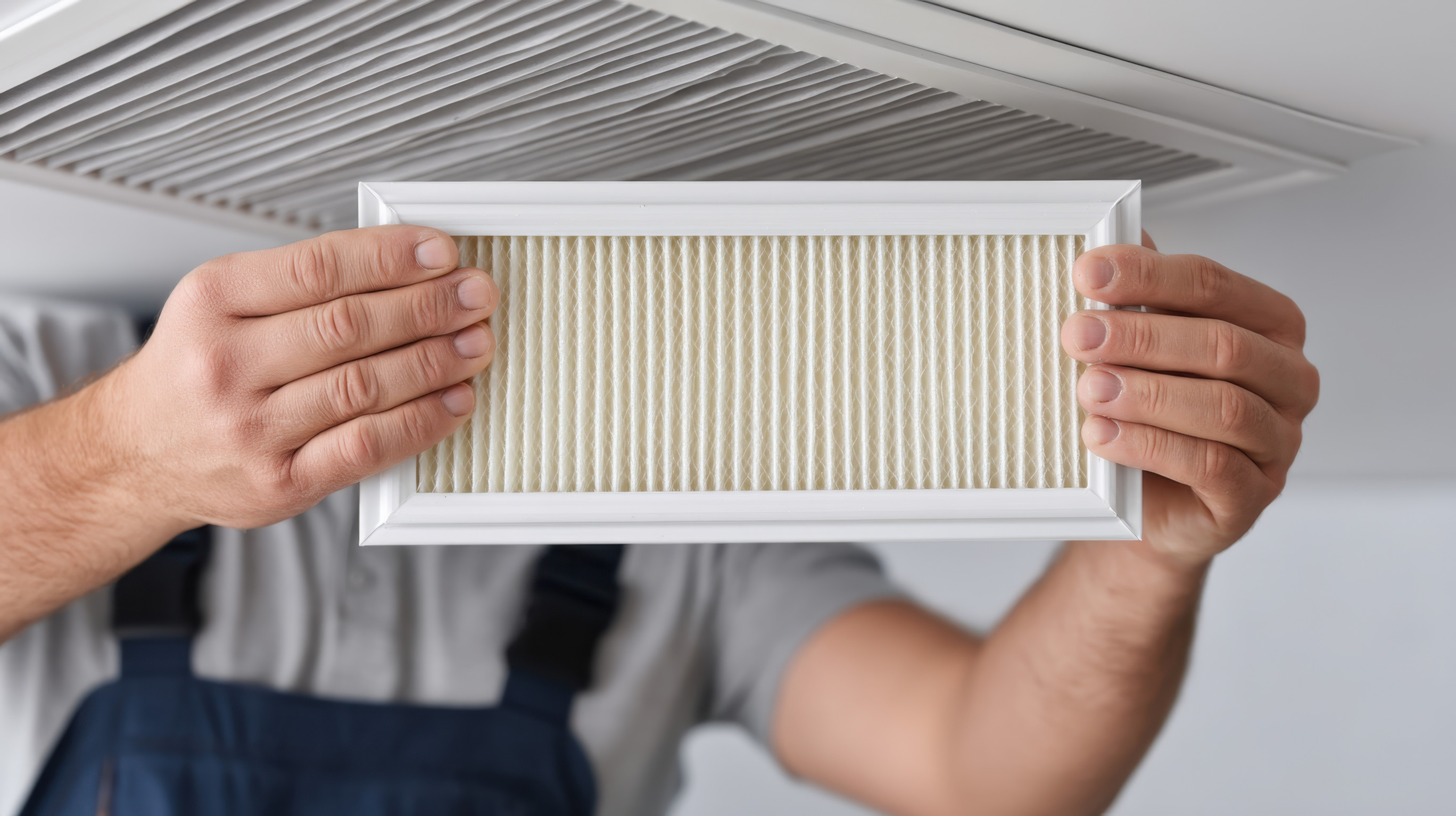
2. Upgraded HVAC Filters
Your HVAC filter is the first line of defense against airborne pollutants. Many standard filters capture only large particles like dust, but upgraded filters remove much smaller irritants.
Filter types that enhance IAQ
- High efficiency pleated filters
- Media filters
- High MERV rated filters
- Electrostatic filters
- Activated carbon filters
High efficiency filters reduce allergens, dust, pollen, and even some bacteria. For households with severe allergies or respiratory concerns, filtration upgrades may be recommended during a system tune up through HVAC repair and diagnostic services.
3. Whole Home Air Purifiers
Air purifiers installed within your HVAC system provide powerful filtration beyond standard filters. These systems use advanced technology to neutralize contaminants before they circulate through your home.
Types of whole home air purifiers
- HEPA based systems
- UV light purification
- Activated carbon systems
- Ionization technology
Purifiers are ideal for homeowners dealing with allergies, asthma, or strong odors.
4. Humidity Control and Dehumidification
Humidity plays a huge role in indoor air quality. Air that is too damp encourages mold, mildew, and dust mite growth. Air that is too dry can irritate the eyes, skin, and throat.
Ideal indoor humidity range
30 to 50 percent
An HVAC professional can install or repair humidity control components so your home stays comfortable and healthy.
5. Ductwork Inspection and Cleaning
Your air ducts are responsible for distributing air to every room. If your ducts are dirty, leaky, or contaminated, they can spread pollutants throughout your home.
Signs your ducts need attention
- Visible dust coming from vents
- Uneven airflow
- Strange odors when HVAC runs
- Increased allergy symptoms
- Excess dust around the home
Duct cleaning and repair services help eliminate debris, improve airflow, and prevent mold growth. If you are upgrading your heating or cooling system, you may also consider ductless mini split solutions for rooms that lack proper ductwork.
6. Airflow Testing and Balancing
Airflow that is too weak or too strong can affect ventilation and comfort. Poor airflow also leads to stagnant air, humidity problems, and inconsistent temperatures.
Professionals perform airflow testing to identify pressure imbalances and adjust the system to improve circulation.
7. Carbon Monoxide Testing
If your home uses gas appliances or heating, carbon monoxide testing is essential to ensure your air is safe. HVAC technicians check for leaks, exhaust issues, and malfunctioning components that may allow carbon monoxide to enter your living spaces.
8. HVAC System Replacement or Upgrades
In some cases, upgrading to a newer HVAC system is the most effective way to improve indoor air quality. Older systems are less efficient, more prone to contamination, and unable to support modern filtration technology.
If your HVAC system is outdated or unreliable, installation services through certified HVAC replacement experts can help you choose a system that offers improved filtration, humidity control, and ventilation.
Benefits of Improving Indoor Air Quality
Upgrading your HVAC system and filtration is not just about comfort. It provides long lasting benefits for your home and health.
Major benefits include
- Better allergy and asthma management
- Reduced dust and cleaner living spaces
- Fresher smelling indoor air
- Improved sleep quality
- Protection against mold and mildew
- Reduced airborne bacteria and viruses
- Increased HVAC efficiency and lower energy bills
A healthier indoor environment supports your family’s well being and contributes to a cleaner, more enjoyable home.
DIY Tips for Maintaining Healthy Indoor Air Quality
Although professional services provide the most dramatic improvements, you can also take simple steps at home to protect air quality.
Helpful tips
- Change your HVAC filter every 30 to 90 days
- Vacuum carpets and upholstery regularly
- Run exhaust fans during cooking and bathing
- Air out paint and cleaning supplies
- Keep humidity levels balanced
- Clean ceiling fans and vents
- Limit indoor smoking
- Open windows occasionally for natural ventilation
Combining good habits with professional HVAC care ensures the best air quality possible.
When to Call a Professional
While basic maintenance can be done at home, professional expertise is essential when:
- You notice unusual odors from vents
- Family members experience worsening allergies
- Your home feels stuffy or overly humid
- Airflow seems weak or uneven
- Your HVAC system is older than 12 to 15 years
- You suspect mold inside your system
- You want to upgrade filtration or air purification
In urgent situations, rapid assistance is available through emergency HVAC services to restore air quality and comfort quickly.
FAQs About Indoor Air Quality
1. How often should I replace my HVAC filter?
Most homeowners should replace filters every one to three months, depending on filter type and indoor conditions.
2. What is the best filter for allergies?
Filters with high MERV ratings or HEPA level filtration are best for capturing allergens like pollen and pet dander.
3. Do ductless HVAC systems improve air quality?
Yes. Ductless mini split systems avoid duct contamination and offer advanced filtration options.
4. Can bad indoor air quality affect my energy bills?
Yes. Dirty filters and poor ventilation force your HVAC system to work harder, increasing energy consumption.
5. Does my HVAC system need to be cleaned regularly?
Routine maintenance and cleaning greatly reduce dust, debris, and microbial growth inside the system.
Conclusion
Indoor air quality is essential to maintaining a healthy, comfortable home. With modern HVAC technology, advanced air purifiers, filtration upgrades, humidity control systems, and professional duct services, it is easier than ever to create a cleaner indoor environment. Partnering with experts ensures your system is running efficiently and that the air circulating through your home is safe and fresh.
For reliable HVAC inspections, filtration upgrades, or air quality improvements, trust the skilled team at Advanced Heat, AC, & Plumbing. Their comprehensive services are designed to help you breathe easier and enjoy a healthier home year round.


