


Irrigation System Winterization in East Tennessee: How to Protect Your Sprinklers
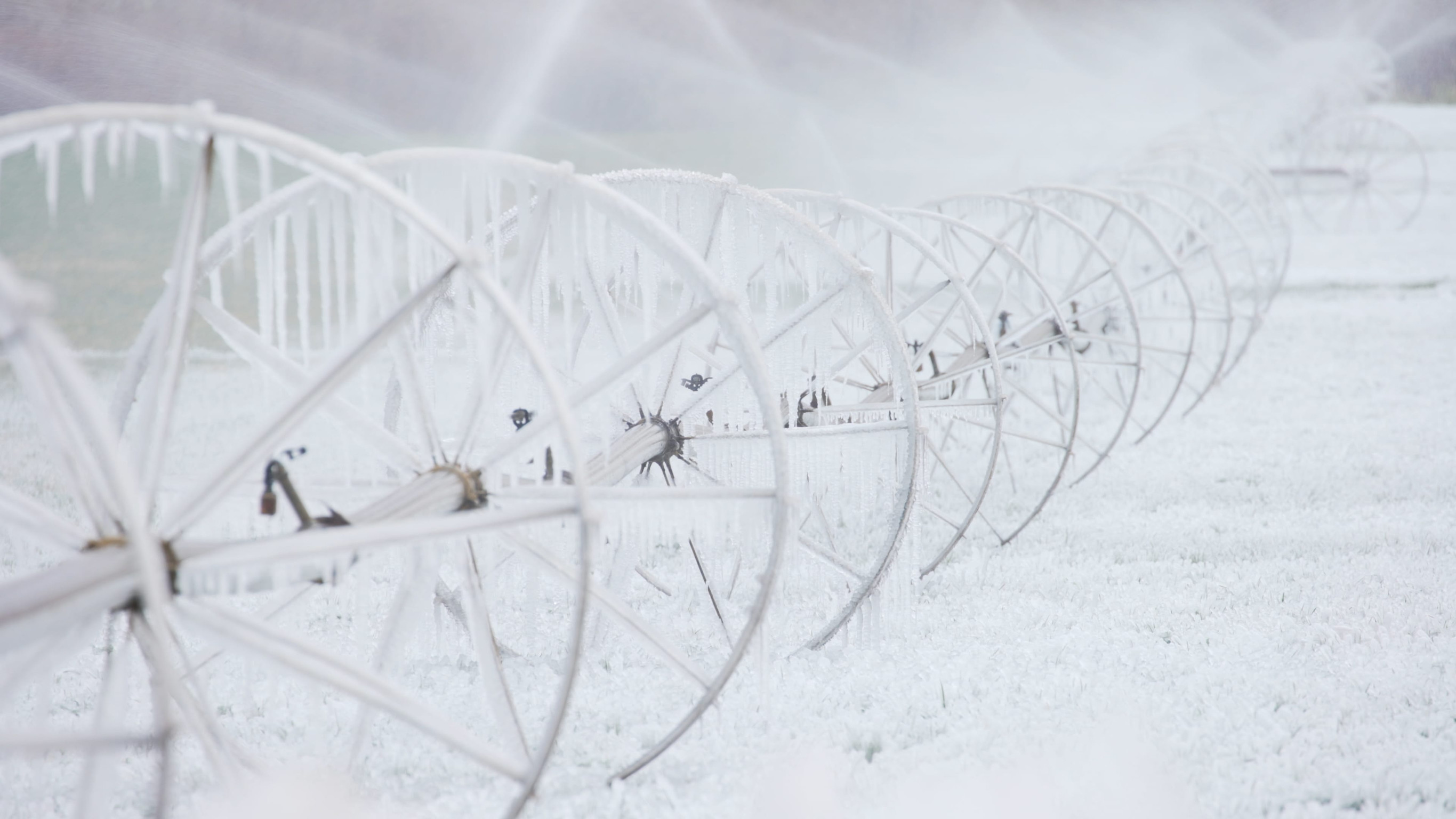
Irrigation System Winterization in East Tennessee: How to Protect Your Sprinklers
Your irrigation system works hard throughout the spring, summer, and early fall to keep your lawn and landscaping healthy. However, once temperatures begin to drop in East Tennessee, that same system can become vulnerable to one of plumbing's most destructive forces: freezing water.
Many homeowners assume that because East Tennessee experiences milder winters than northern states, sprinkler winterization is optional. Unfortunately, freezing nights are common throughout Knoxville and the surrounding areas, and even one hard freeze can crack pipes, split sprinkler heads, damage backflow preventers, and destroy expensive irrigation components.
Proper winterization removes water from the irrigation system before freezing temperatures arrive. This simple preventative service can save homeowners thousands of dollars in repairs while ensuring the system is ready to operate again when spring returns.
At Advanced Heating & Air Conditioning, we help East Tennessee homeowners protect every aspect of their plumbing systems throughout the year. Understanding how irrigation winterization works helps prevent unnecessary damage and extends the life of your outdoor plumbing investment.
Why Irrigation Systems Need Winterization
Water expands as it freezes.
Unlike many materials, frozen water increases in volume by approximately nine percent. When water remains trapped inside irrigation pipes, valves, or sprinkler heads during freezing weather, that expansion creates tremendous internal pressure.
Plastic piping, brass fittings, PVC components, and irrigation valves are not designed to withstand that force.
The result can include:
- Cracked PVC piping
- Broken sprinkler heads
- Split valves
- Damaged manifolds
- Burst backflow preventers
- Cracked pressure vacuum breakers
- Underground pipe failures
Many of these problems remain hidden until the irrigation system is restarted in spring.
East Tennessee Winters Are More Dangerous Than Many Homeowners Think
Knoxville and surrounding communities experience fluctuating winter temperatures.
It is common to have several days of warm weather followed by overnight temperatures well below freezing.
This repeated freeze-thaw cycle places additional stress on irrigation components.
Even if temperatures remain above freezing during the day, overnight lows can still freeze standing water inside sprinkler piping.
Because irrigation systems are installed outdoors and often near the soil surface, they freeze much faster than indoor plumbing.
What Happens If You Skip Winterization?
Some homeowners simply turn off their irrigation controller and assume the system is protected.
Unfortunately, shutting off the timer does nothing to remove water from the pipes.
Water often remains inside:
- Lateral lines
- Main supply lines
- Zone valves
- Sprinkler heads
- Backflow assemblies
- Manifolds
- Pressure regulators
Once frozen, these components may crack internally without showing any visible damage.
When the system is pressurized again in spring, leaks become obvious.
Repair costs can quickly exceed the cost of annual winterization.
How Irrigation Systems Are Typically Winterized
Professional winterization follows a systematic process that protects every component.
While procedures vary depending on the irrigation design, most include:
- Shutting off the irrigation water supply
- Opening drain valves where applicable
- Removing water from the backflow preventer
- Using compressed air to clear sprinkler zones
- Inspecting exposed components
- Turning off the irrigation controller
- Documenting any damaged parts for spring repairs
The goal is simple: eliminate standing water before freezing weather arrives.
The Importance of the Blowout Process
The compressed air blowout is often the most important part of irrigation winterization.
Specialized air compressors force controlled volumes of compressed air through each irrigation zone.
This pushes remaining water out through the sprinkler heads.
Proper air pressure is critical.
Too little pressure leaves water trapped inside the system.
Too much pressure can damage sprinkler components.
This is why professional winterization is generally recommended instead of attempting the process with standard household air compressors.
Backflow Preventers Need Special Protection
Many irrigation systems include backflow prevention devices that protect the home's drinking water supply.
These assemblies contain internal valves, springs, and seals that are particularly susceptible to freeze damage.
If water remains inside during freezing weather, expensive internal components may crack.
Replacing a damaged backflow preventer is significantly more expensive than protecting it properly before winter.
Homeowners interested in protecting their potable water supply should also understand how backflow prevention protects your drinking water.
Don't Forget the Irrigation Shut-Off Valve
One commonly overlooked component is the irrigation shut-off valve.
If this valve is not fully closed or properly drained, water may continue entering portions of the irrigation system.
Professional inspections verify that the valve operates correctly while checking for leaks or signs of corrosion.
Like any plumbing valve, routine maintenance extends its service life.
Older Irrigation Systems Require Extra Attention
Older sprinkler systems often contain aging components that become more vulnerable during freezing weather.
Years of exposure to ultraviolet light, shifting soil, mineral buildup, and repeated pressure cycling gradually weaken:
- PVC fittings
- Flexible swing joints
- Valve diaphragms
- Sprinkler risers
- Threaded fittings
Winterization provides an excellent opportunity to inspect these parts before they fail.
Preventive maintenance helps homeowners avoid larger plumbing repairs later.
Scheduling routine inspections is one of the best ways to extend the life of your plumbing system, including outdoor irrigation components.
Sprinkler Heads Can Crack Without Looking Broken
Freeze damage is not always obvious.
Many sprinkler heads develop tiny internal cracks that remain hidden until water pressure returns in spring.
Symptoms include:
- Uneven spray patterns
- Water bubbling around the head
- Poor coverage
- Reduced pressure
- Constant leaking after the system shuts off
Replacing damaged heads before the irrigation season begins improves watering efficiency while reducing unnecessary water waste.
Why Soil Conditions Matter
East Tennessee's clay-heavy soils retain moisture longer than sandy soils.
Wet soil surrounding buried irrigation lines can remain colder for extended periods after freezing weather.
This increases the amount of time underground components remain exposed to freezing temperatures.
Seasonal soil movement also places additional stress on buried pipes, especially in older irrigation systems.
Hard Water Can Affect Irrigation Components
Mineral deposits do not only affect indoor plumbing.
Hard water gradually accumulates inside sprinkler nozzles, valves, pressure regulators, and backflow assemblies.
Scale buildup restricts water flow while increasing wear on moving components.
Understanding how hard water affects your plumbing system also helps explain why outdoor irrigation equipment benefits from regular inspections and maintenance.
Signs Your Irrigation System Needs Service Before Winter
Do not wait until freezing temperatures arrive if you notice:
- Low sprinkler pressure
- Broken sprinkler heads
- Wet areas in the yard
- Water pooling around valves
- Uneven watering coverage
- Controller errors
- Visible leaks
- Constant cycling of irrigation zones
Repairing existing problems before winterization ensures the system is properly protected and ready for reliable operation next spring.
Can You Winterize an Irrigation System Yourself?
Some homeowners choose to winterize their sprinkler systems themselves, but doing so successfully requires the right equipment and experience. The biggest challenge is removing all water from every zone without damaging the system.
The compressed air blowout process requires a commercial-grade air compressor capable of delivering high air volume while maintaining safe pressure levels. Standard portable compressors often lack sufficient airflow, while excessive pressure can crack PVC piping, damage valves, or destroy sprinkler heads.
Professional irrigation technicians understand how different sprinkler systems are designed and know how much air pressure each system can safely handle. They also recognize components that may already be weakened and need repair before winter arrives.
For most Knoxville homeowners, professional winterization offers inexpensive insurance against repairs that could cost hundreds or even thousands of dollars next spring.
Common Winterization Mistakes Homeowners Make
Even well-intentioned homeowners can overlook important steps during winterization.
Common mistakes include:
- Only turning off the irrigation controller without shutting off the water supply.
- Leaving water inside the backflow preventer.
- Skipping the compressed air blowout.
- Using excessive air pressure.
- Forgetting hidden drip irrigation zones.
- Not draining above-ground piping.
- Ignoring leaking valves before winter.
- Waiting until after the first freeze to winterize.
Each of these mistakes increases the likelihood of freeze damage and expensive repairs once irrigation season returns.
Don't Forget Drip Irrigation Systems
Many homeowners assume drip irrigation systems are protected because they use small tubing.
In reality, drip systems are often more vulnerable because water can remain trapped throughout hundreds of feet of tubing.
Winterization should include:
- Supply tubing
- Pressure regulators
- Filter assemblies
- Emitter lines
- Automatic valves
These systems may appear simple, but they require the same freeze protection as traditional sprinkler systems.
When Should Irrigation Systems Be Winterized in East Tennessee?
The ideal time is before the first hard freeze.
In the Knoxville area, this generally falls between late October and early November, although weather patterns vary each year.
Waiting until freezing temperatures are forecast leaves little room for scheduling service and increases the risk of overnight damage.
Scheduling winterization early ensures your irrigation system is protected before severe cold weather arrives.
What Happens During Spring Startup?
Winterization protects the system during cold weather, but proper spring startup is equally important.
Simply opening the main valve at full pressure can create water hammer and place unnecessary stress on sprinkler components.
A professional spring startup typically includes:
- Slowly repressurizing the irrigation system.
- Inspecting every sprinkler zone.
- Testing valves.
- Checking the backflow preventer.
- Adjusting sprinkler heads.
- Repairing damaged components.
- Programming seasonal watering schedules.
Finding small problems early prevents wasted water throughout the irrigation season.
Winterization Helps Conserve Water
Protecting your irrigation system is not just about avoiding freeze damage. It also improves water efficiency.
Cracked underground pipes often leak unnoticed for weeks after spring startup. Those hidden leaks can waste thousands of gallons of water while increasing utility bills.
A properly winterized and professionally inspected system starts each spring operating efficiently, delivering water where your lawn needs it instead of underground.
Homeowners looking to improve overall plumbing efficiency can also benefit from learning how to improve plumbing efficiency in your home.
Outdoor Plumbing Is Part of Your Entire Plumbing System
Your irrigation system connects directly to your home's plumbing infrastructure.
Problems affecting one portion of the plumbing system often impact other components, especially pressure regulators, shut-off valves, and backflow devices.
Routine plumbing inspections help identify issues before they spread throughout the system.
Annual inspections are one reason many homeowners schedule annual plumbing maintenance checks along with irrigation winterization.
When Should You Call a Professional?
Professional assistance is recommended whenever:
- Your irrigation system has never been winterized.
- You have multiple irrigation zones.
- Your system includes a backflow preventer.
- You notice leaks before winter.
- Your sprinkler system has experienced freeze damage before.
- Your irrigation controller displays errors.
- You are unsure where the irrigation shut-off valve is located.
- Your property has both sprinkler and drip irrigation systems.
Attempting repairs after freeze damage has already occurred is usually far more expensive than preventative maintenance performed before winter.
Why Homeowners Throughout East Tennessee Choose Advanced Heating & Air Conditioning
Outdoor plumbing systems deserve the same professional attention as the plumbing inside your home.
At Advanced Heating & Air Conditioning, our experienced plumbing team helps homeowners throughout Knoxville and East Tennessee protect their plumbing investments through preventative maintenance, expert inspections, and dependable repair services.
Whether you're preparing your irrigation system for winter, repairing damaged water lines, replacing aging plumbing, or upgrading your home's water quality systems, our licensed professionals provide honest recommendations, quality workmanship, and upfront pricing.
Because we understand East Tennessee's unique climate, soil conditions, and seasonal plumbing challenges, we can identify potential issues before they become expensive emergencies. Our goal is to help homeowners enjoy reliable plumbing systems every season of the year.
If you notice leaks, damaged sprinkler components, low water pressure, or signs that your irrigation system is not operating correctly, our team is ready to help with prompt, professional service.
Final Thoughts
Winterizing your irrigation system is one of the simplest ways to avoid expensive plumbing repairs after freezing weather. Removing water from pipes, protecting backflow devices, and inspecting system components before winter significantly reduces the risk of cracked pipes, broken valves, and hidden leaks.
East Tennessee winters may be unpredictable, but proper preparation removes much of the uncertainty. Whether your irrigation system is brand new or has been operating for many years, annual winterization helps protect your investment while extending the lifespan of your entire outdoor plumbing system.
By scheduling winterization before freezing temperatures arrive and partnering with experienced plumbing professionals, Knoxville homeowners can enjoy peace of mind knowing their irrigation system will be ready to perform efficiently when warmer weather returns.


